A healthy oral flora is the foundation of your dental health and general wellbeing. But what happens when the balance in your mouth is disturbed? This guide explains the symptoms of a disturbed oral flora, its most common causes and what you can do to protect your mouth.
What is the oral flora?
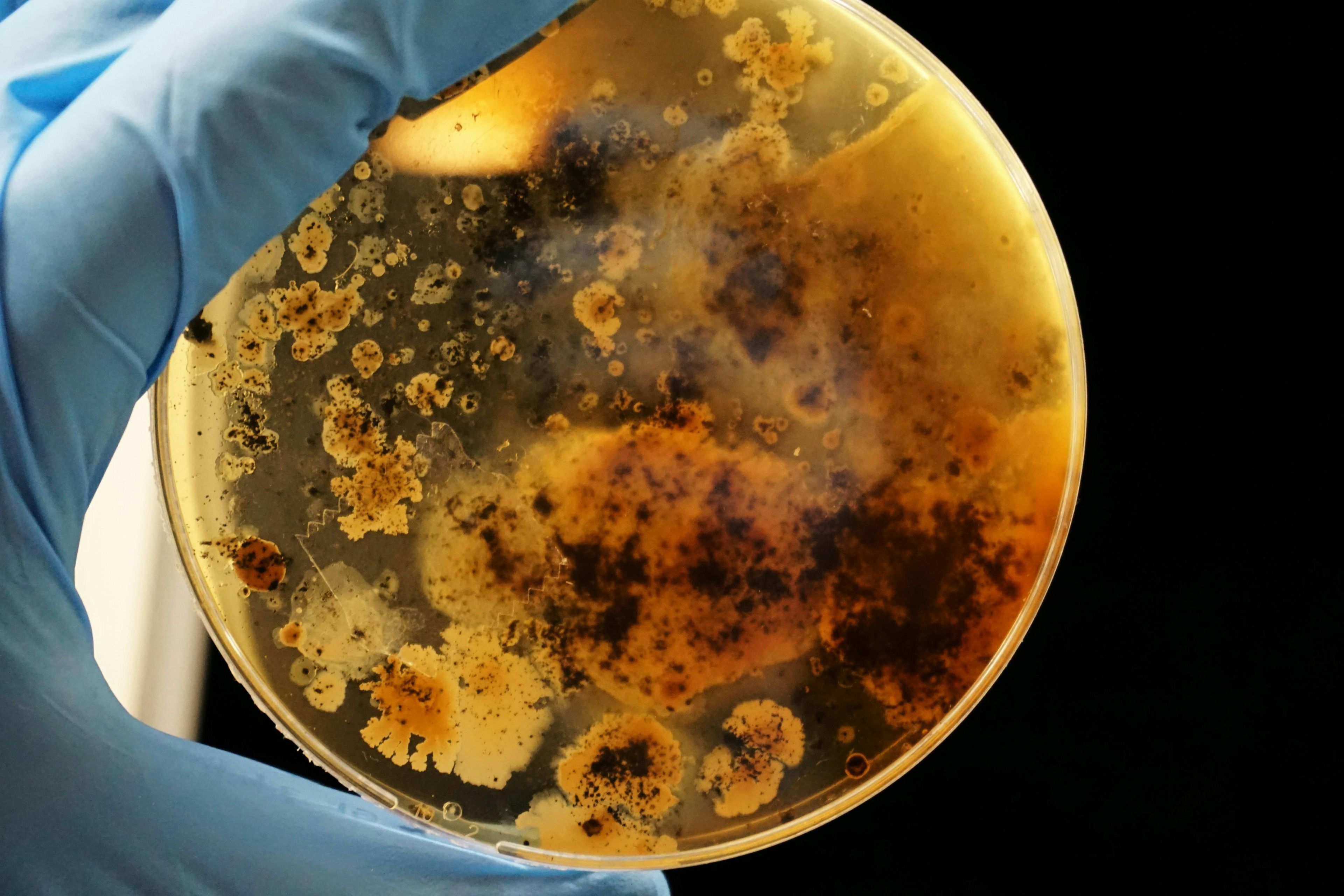
The oral flora is made up of many different types of bacteria that live in your mouth. Many of these microorganisms are beneficial: they help to protect against harmful germs, support healthy gums and teeth and play a part in your natural immune defence. Problems start when harmful bacteria gain the upper hand.
What are the symptoms of a disturbed oral flora?
Bad breath: a sign of imbalance
Persistent bad breath is often more than a social inconvenience. It can be an early warning sign of a disturbed oral flora. An unpleasant odour develops when harmful bacteria multiply and release volatile sulphur compounds.
Mouth ulcers: small lesions, big discomfort
Aphthae, commonly called mouth ulcers, are small, painful lesions on the lining of the mouth, often on the inside of the lips and cheeks. They typically appear in groups of one to three and can make eating, drinking and speaking uncomfortable. The exact cause often remains unclear, but they are linked to stress, small injuries in the mouth, certain foods and an underlying imbalance of the oral flora.
Gum problems: redness, swelling and bleeding gums
Gum inflammation and bleeding gums are clear signs of a disturbed oral flora. Red, swollen or bleeding gums are often the result of a build-up of harmful bacteria, which can lead to gingivitis or periodontitis. These are serious warning signs, so see your dentist if they do not settle quickly.
Plaque and cavities: the visible consequences
White or yellowish plaque on the teeth and between them is not just unsightly. It is also a breeding ground for cavities. Plaque consists of bacteria that turn sugar into acids, which attack the tooth enamel and can lead to tooth decay.
Problems with the oral mucosa
Ulcers or inflammation of the oral mucosa can also point to a disturbed oral flora. These painful conditions often show that the balance between beneficial and harmful bacteria in your mouth has been upset.
Oral thrush: a fungal infection as a warning sign
Oral thrush is a fungal infection caused by Candida albicans. It typically shows up as white coatings in the mouth that can be wiped off. It occurs particularly in people with a weakened immune system and is a clear sign of a disturbed oral flora.
What causes a disturbed oral flora?
Insufficient oral hygiene
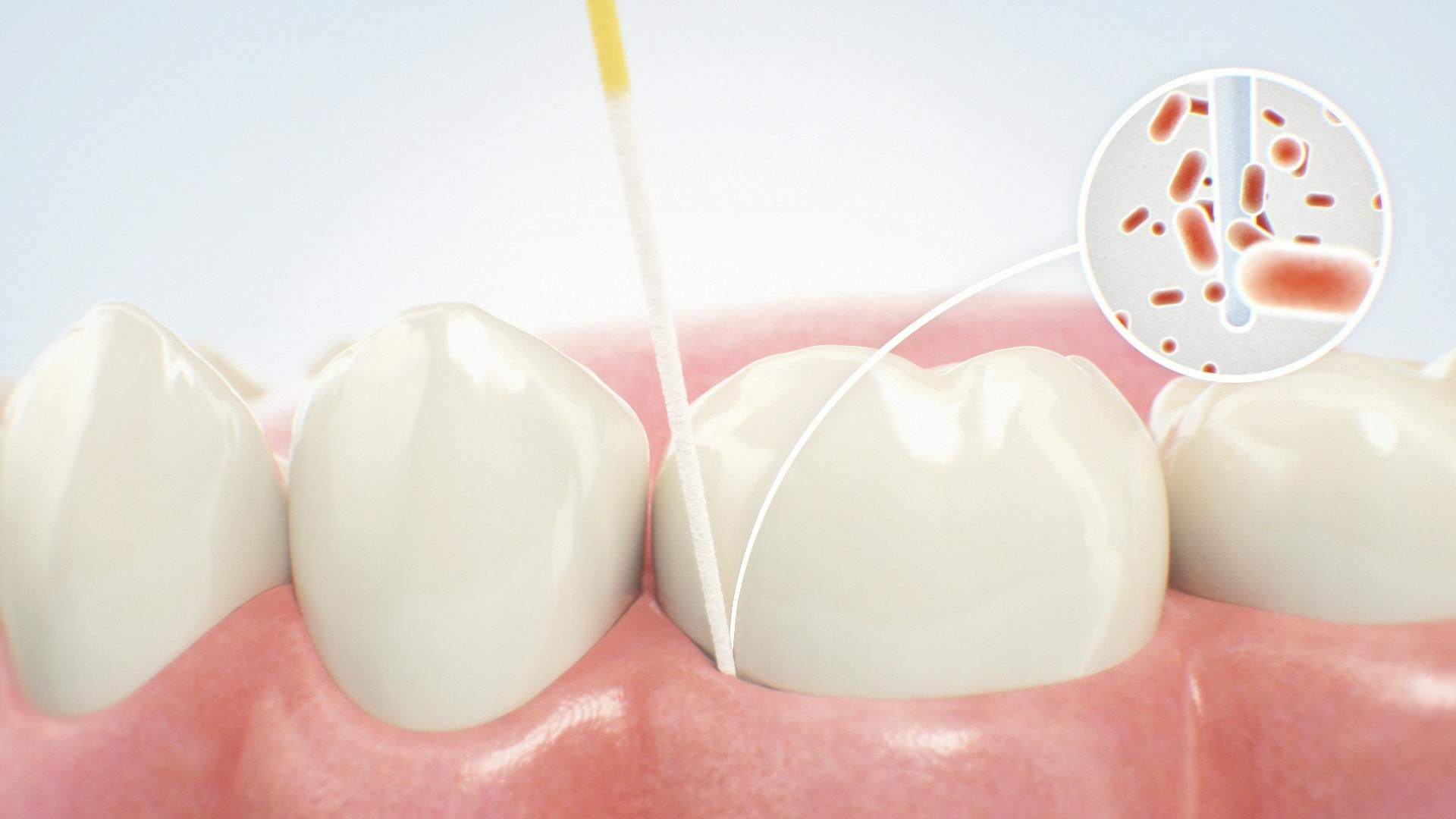
Poor oral hygiene is one of the main causes. Irregular or incorrect brushing, and skipping floss and interdental brushes, give harmful bacteria and plaque an ideal place to grow.
Diet
A diet high in sugar encourages harmful bacteria to grow. They not only cause cavities but can also contribute to other oral diseases and upset the balance of the oral flora.
Medication and mouthwashes
Certain medications and rinses, especially those containing chlorhexidine, can affect the natural balance of the oral flora. They may help in the short term, but over time they can cause problems because they kill beneficial bacteria as well as harmful ones.
Illness and a weakened immune system
Illnesses that weaken the immune system, and a generally weak immune defence, raise the risk of oral problems. In such cases harmful bacteria and fungi can spread more easily.
How can you restore a healthy oral flora?
Good oral hygiene
Good oral hygiene is the cornerstone of a healthy oral flora and healthy gums. Brush thoroughly at least twice a day and use floss or interdental brushes daily to remove harmful bacteria and plaque. A sonic toothbrush and a whitening toothpaste from Alpine White can support your daily routine.
Professional teeth cleaning
A professional teeth cleaning (a scale and polish) by your dentist or dental hygienist removes plaque and tartar effectively and helps to maintain and improve your oral health. Regular appointments are a good way to keep harmful bacteria in check, while your daily routine at home maintains the results.
Tongue cleaning
Cleaning your tongue is an important but often overlooked part of oral care. Gently using a tongue scraper reduces the build-up of bacteria on the tongue, which supports a healthier oral flora and fresher breath.
Natural mouthwashes
Natural mouthwashes with ingredients such as sage, camomile or calendula can offer gentle support for the oral flora without upsetting its natural balance.
A balanced diet
A balanced, low-sugar and nutrient-rich diet supports your oral health and your general wellbeing. A healthy diet strengthens the immune system and helps to keep the oral flora in balance.
Hydration
A healthy flow of saliva plays a key role in cleaning the mouth and supporting the beneficial bacteria. Drinking enough fluids is therefore essential for your oral health.
Avoiding tobacco and alcohol
Tobacco and alcohol can damage the oral flora and contribute to a range of oral diseases. Giving them up or cutting down can make a real difference to keeping your oral flora healthy.
Regular dental check-ups and bacterial analysis
Regular check-ups and hygiene appointments help you spot problems early. They are not only important for keeping your teeth looking bright, but also for protecting the natural balance of your oral flora.
Some dental practices also offer a bacterial analysis to assess your oral health in more detail. It examines 20 different types of bacteria in the mouth to identify both beneficial and harmful microorganisms. This helps to detect germs that can cause inflammation and periodontitis early, and allows your dental team to tailor your treatment and oral hygiene routine to you.


 Dental Health