Anaerobic bacteria: how they affect your oral health
Bad breath, known medically as halitosis, is often a sign that anaerobic bacteria have overgrown in the mouth. But what exactly are anaerobic bacteria?
Anaerobic bacteria are micro-organisms that do not need oxygen to survive and grow. Unlike aerobic bacteria, which depend on oxygen, they can thrive where oxygen is low or absent. That is why they are common in parts of the body with little oxygen, such as the deep gum pockets in the mouth.
For oral health they matter because they play a key role in gum disease such as gingivitis and periodontitis. They break down proteins into sulphur compounds, which cause bad breath. They can also add to an unpleasant smell by breaking down food residues through fermentation.
To keep anaerobic bacteria in check, thorough oral hygiene is crucial. That means regular brushing, flossing and mouthwash, plus professional teeth cleaning at your dentist or dental hygienist to remove plaque and tartar so the bacteria cannot multiply. Extra steps such as tongue cleaning can lower the bacterial load further and support the health of your whole mouth.
A complete oral hygiene routine
Effective oral hygiene keeps anaerobic bacteria at bay and protects your teeth and gums. Here are the basic steps, with Alpine White products to support you at home.
Daily brushing: the cornerstone of oral care
Regular brushing is essential. It removes plaque, stimulates saliva flow and supports a healthy oral microbiome. Brush thoroughly at least twice a day to prevent plaque build-up and gum problems. The Alpine White Sonic Toothbrush and our Whitening Toothpaste Extra White make a good pair for this.
Dental floss: indispensable between the teeth
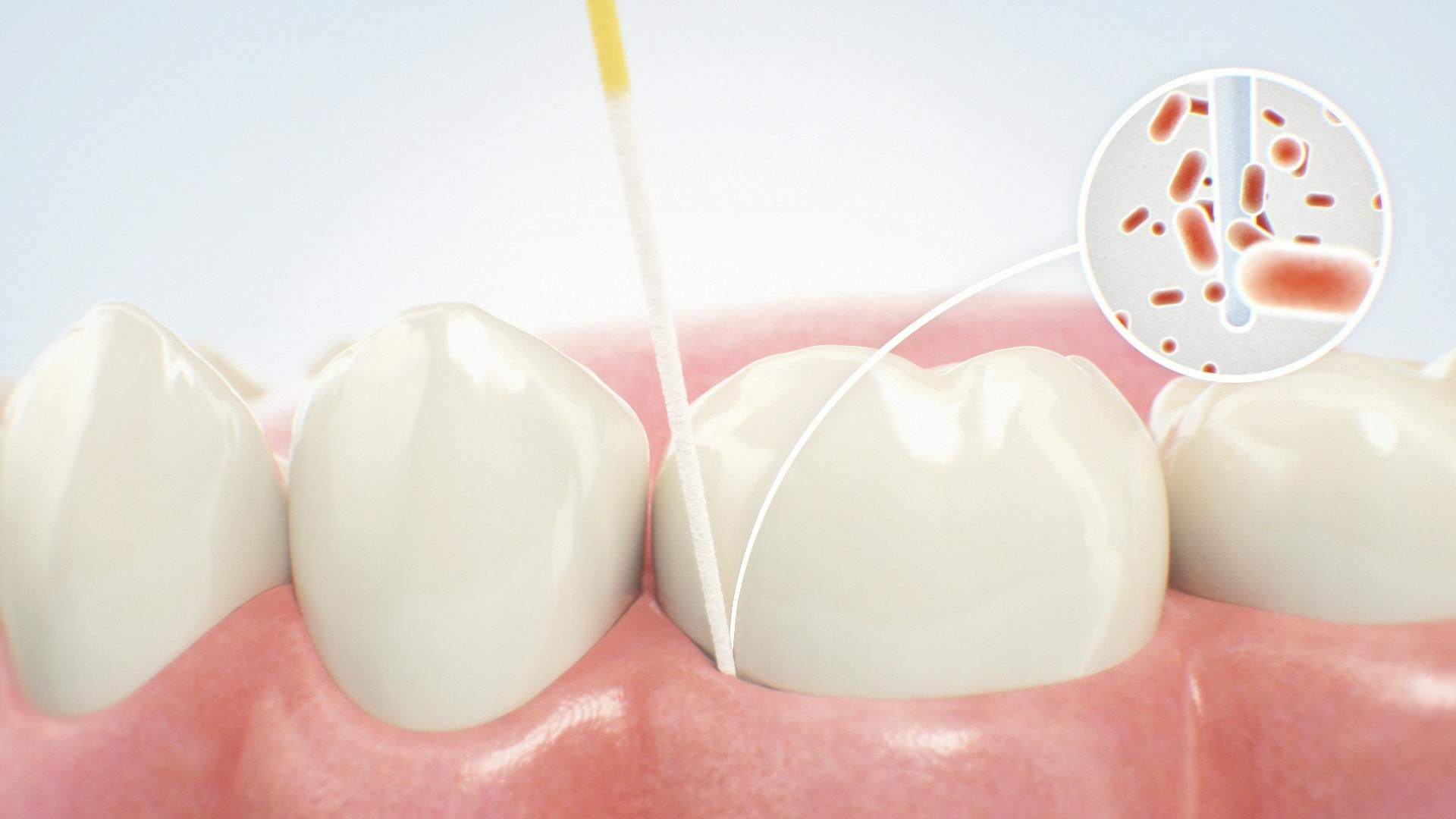
Using dental floss is crucial for cleaning the spaces between your teeth. These areas easily collect food residues and bacteria, which can encourage gum pockets to form.
Mouthwash and tongue scrapers: extra support
Mouthwash and a tongue scraper are good additions to your daily routine. They help to reduce anaerobic bacteria and keep your breath fresh.
Professional teeth cleaning at the dentist
A professional clean goes beyond daily care. At your dentist or dental hygienist, a deep clean (often called scale and polish) removes tartar and stubborn deposits that are hard to deal with at home. It is a good way to improve oral health and to help prevent gum disease and cavities. Between appointments, a consistent routine at home helps you keep the results.
How does tongue cleaning help against bad breath?
Tongue cleaning is an important part of a complete routine. Bacterial coating builds up on the tongue and can lead to bad breath. Cleaning it gently every day, from back to front with a tongue scraper or your toothbrush, removes this coating without harming the delicate papillae. A clean tongue means fresher breath and a healthier oral microbiome. Your dental hygienist can also show you the right technique.
Combine these daily habits with regular professional care and you can reach and maintain good oral health.
Bacteria analysis: a closer look at your oral microbiome
To tackle harmful and decay-causing bacteria even more effectively, a bacteria analysis can help. This technique gives a detailed picture of the bacteria in your mouth and identifies specific species, including those that cause decay. That makes it easier to understand the risk of conditions such as periodontitis or cavities and to target them more precisely. It reflects the fact that everyone's oral flora is different, so oral care works best when it is tailored to you.
If an increased risk of certain oral diseases is found, a dentist can suggest a care routine adapted to you. This kind of targeted analysis is a step towards more personal prevention that goes well beyond traditional dental care.
Conclusion: look after your whole mouth
Healthy oral care goes beyond brushing. It includes flossing, mouthwash, tongue cleaning and regular professional teeth cleaning. Together these steps help you fight tartar, gum inflammation and bad breath by keeping anaerobic bacteria under control. If you have persistent bad breath, bleeding gums or pain, see your dentist.

 Dental Health