Why the oral microbiome matters
Your mouth is far more than the place where eating begins. It is a busy, dynamic ecosystem home to hundreds of species of bacteria. Together they form your oral microbiome, sometimes called mouth flora, and they play a key role in everything from the first stage of digestion to supporting your immune defences.
A balanced oral microbiome helps break down carbohydrates in food and keeps the lining of your mouth healthy. It also acts as a first line of defence, helping to keep harmful germs that enter through the mouth in check.
This balance is easily upset, though. Poor oral hygiene, an unbalanced diet, smoking and certain medicines can all encourage harmful bacteria to grow. Plaque is one of the most visible signs of a disrupted microbiome. This sticky film on your teeth is a breeding ground for bacteria that can cause gum inflammation, cavities and, in the worst case, periodontitis.
What causes bacterial infections in the mouth and throat, and what are the symptoms?
Bacterial infections of the mouth and throat are a common health problem. Several factors can contribute to them, and the symptoms range from mild discomfort to severe pain.
One of the main causes is poor oral hygiene. Brushing too little and neglecting the spaces between your teeth lets plaque build up, which creates ideal conditions for harmful bacteria. These bacteria can infect the gums and lead to gingivitis. They can also affect the lining of the mouth and contribute to conditions such as oral thrush, a fungal infection caused by an overgrowth of Candida albicans yeast.
A weakened immune system is another risk factor. When your body is less able to fight off invading germs, you become more prone to infections, from a sore throat to mouth ulcers and sores on the lining of the mouth and cheeks.
Overusing mouthwash, especially products with strong chemicals such as chlorhexidine, can also cause problems. In the short term these rinses kill bacteria, but with prolonged use they can upset the balance of your oral microbiome and weaken the mouth's natural defences. They may also reduce saliva flow, which normally helps keep your mouth clean and supports the healing of minor wounds.
Typical symptoms include red, swollen gums (a common sign of gingivitis), white patches in the mouth (which may point to oral thrush), and difficulty swallowing or severe pain (which can indicate a throat infection). Mouth ulcers can be a sign of a viral infection or another underlying issue. Rashes and infected areas in the mouth may also appear and are often linked to general health conditions or allergic reactions. If you have pain, persistent symptoms or bleeding, see your dentist or doctor.
Across Europe, education about good oral hygiene and early treatment of bacterial infections is essential to prevent more serious health problems. Regular care of your gums, teeth and the lining of your mouth, together with a balanced diet and a healthy lifestyle, helps lower your risk of infection and supports a healthy oral microbiome.
Oral hygiene: the key to prevention
Careful, consistent oral hygiene is the best way to prevent bacterial infections and the problems that come with them, such as gum inflammation, cavities and periodontitis. Removing plaque every day by brushing thoroughly is the foundation of good oral care. Plaque is a sticky layer of food particles and bacteria that forms continuously on your teeth and is the main cause of gum disease and tooth decay. If it is not removed regularly, it can harden into tartar, which only a dental hygienist can remove through professional teeth cleaning (a scale and polish).
Complete oral hygiene covers more than cleaning your teeth and the spaces between them. It also means looking after your gums and the lining of your mouth. A balanced diet rich in vitamins and minerals supports gum health and helps prevent inflammation. Drinking enough water matters too, because healthy saliva flow naturally rinses bacteria and food particles from your mouth and keeps the lining moist.
For your daily routine, a sonic toothbrush and a fluoride whitening toothpaste help you remove plaque twice a day and keep your teeth clean and bright.
Dental floss
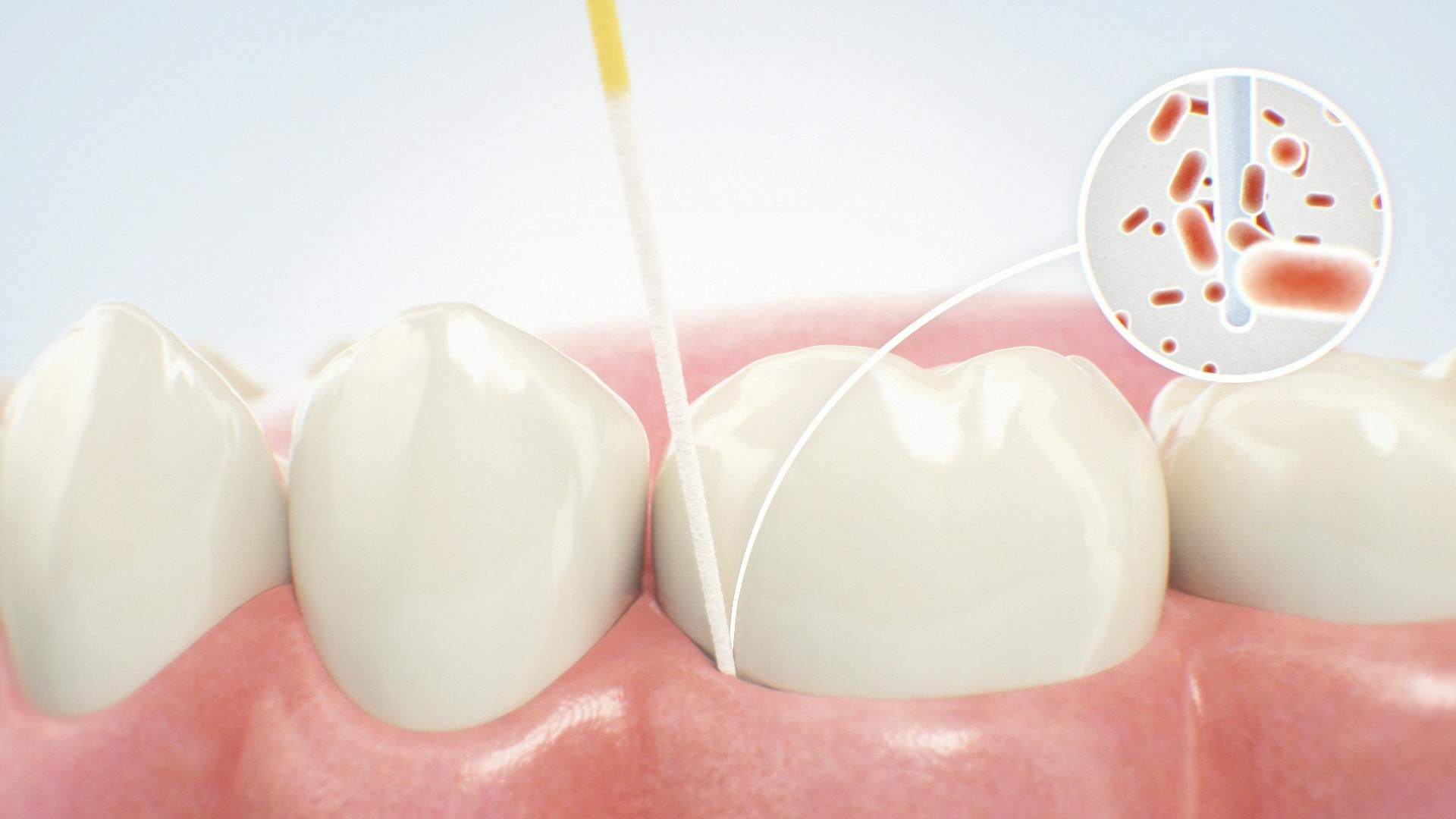
Flossing is just as important, because it reaches areas between the teeth that a toothbrush cannot clean on its own. These gaps are often breeding grounds for bacteria that form plaque and cause gum inflammation. Interdental brushes and other aids designed for hard-to-reach spaces are another valuable tool in your oral hygiene kit.
Mouthwash
Mouthwash can be a useful addition to your routine. It helps reduce bacteria throughout the mouth and freshens your breath. It is important, however, to choose products that support the natural balance of your oral microbiome rather than disrupt it. Some mouthwashes contain strong antiseptics such as chlorhexidine, which kill bacteria effectively but can upset the balance of mouth flora and stain teeth with long-term use. That is why you should use products like these only on the advice of your dentist or dental hygienist, and only for a limited time.
Natural helpers against infection
Alongside daily oral hygiene, natural remedies such as chamomile and sage can offer support by soothing irritation and encouraging healing. These home remedies have antiseptic properties and may help ease the symptoms of an infection.
Professional dental hygiene
Regular professional teeth cleaning at your dentist or dental hygienist is an essential part of effective oral hygiene. A professional can spot problems early, treat them before they cause serious damage, and give you tips for your individual routine at home. By following this guide to good oral hygiene, you can optimise your oral health and keep your smile bright and healthy.


 Oral Care