Why bacteria on your tongue matter
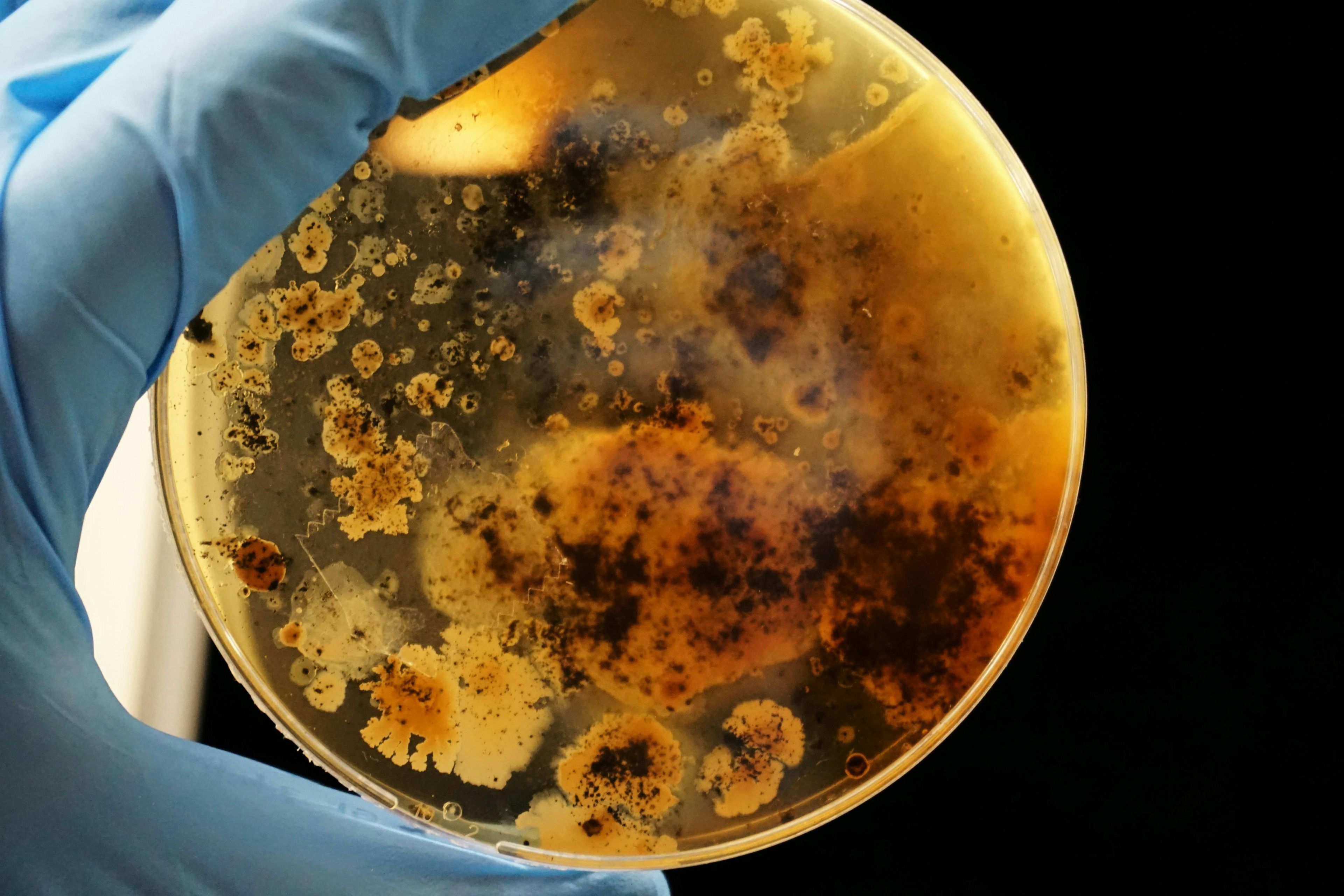
Bacteria on the tongue can lead to a range of oral health problems, from bad breath (halitosis) to gingivitis and fungal infections. The rough surface of the tongue makes it an ideal place for microorganisms to settle, especially if it is not cleaned properly. Poor oral hygiene allows these bacteria to multiply, which can cause unpleasant breath and raise the risk of gum problems and fungal overgrowth. Cleaning your tongue thoroughly and regularly, as part of a complete oral care routine, helps keep harmful bacteria in check and supports the health of your whole mouth.
Why is a clean tongue important?
A coated tongue is not only a cosmetic issue. Tongue coating can harbour bacteria that cause bad breath and other oral health problems. Cleaning your tongue regularly removes food debris and dead cells from its surface and helps reduce the sulphur compounds responsible for unpleasant breath.
Which tools help to clean your tongue?
Several simple aids can help you remove bacteria from your tongue:
- Tongue scrapers and tongue brushes: these tools are designed to lift the white coating and bacterial film from the surface of the tongue. Use gentle pressure and work from the back of the tongue towards the tip, which can also help to minimise gagging.
- Mouthwash: a mouthwash can complement mechanical cleaning by reducing bacteria and freshening your breath. Choose products that do not upset your natural oral flora.
Home remedies for a cleaner tongue
Alongside traditional tongue cleaning, home remedies such as oil pulling or gargling with herbal infusions, for example sage, can support your oral hygiene. These natural options may help reduce harmful bacteria and soothe irritation.
Professional tongue cleaning at the dentist
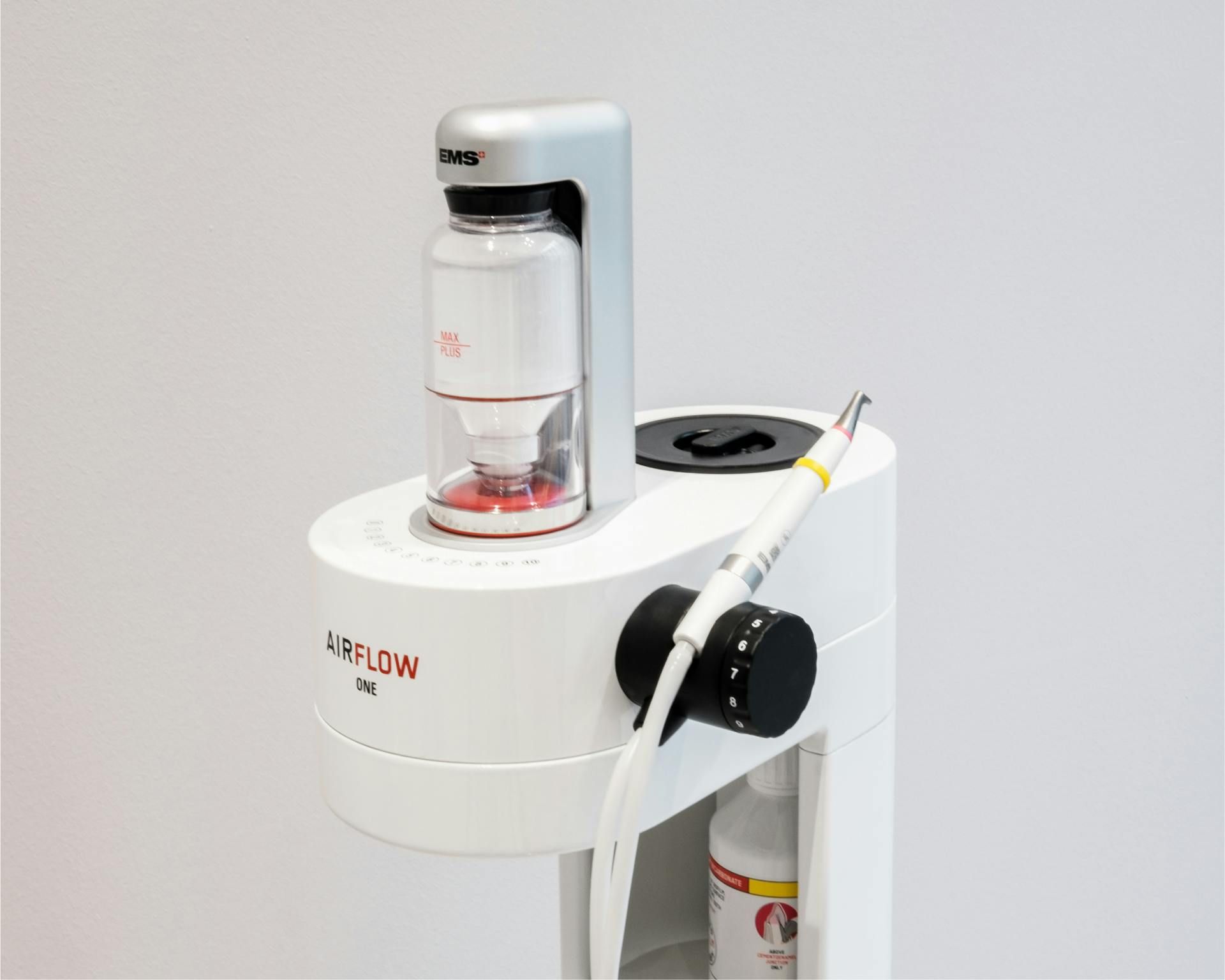
Besides caring for your teeth and gums, a clean tongue plays a key role in fresh breath. Bacteria and coating that build up on the tongue can lead to bad breath and other problems. If you struggle with a persistent coating, your dentist or dental hygienist can clean your tongue thoroughly and show you the right technique for home. Gentle, purpose-made instruments remove the white coating and bacterial film without triggering the gag reflex, and working from back to front cleans the whole surface.
Brushing and cleaning between your teeth
Brushing your teeth and cleaning between them with floss or interdental brushes is just as important. This daily routine removes plaque and food debris that bacteria feed on.
Support your oral care routine with Alpine White
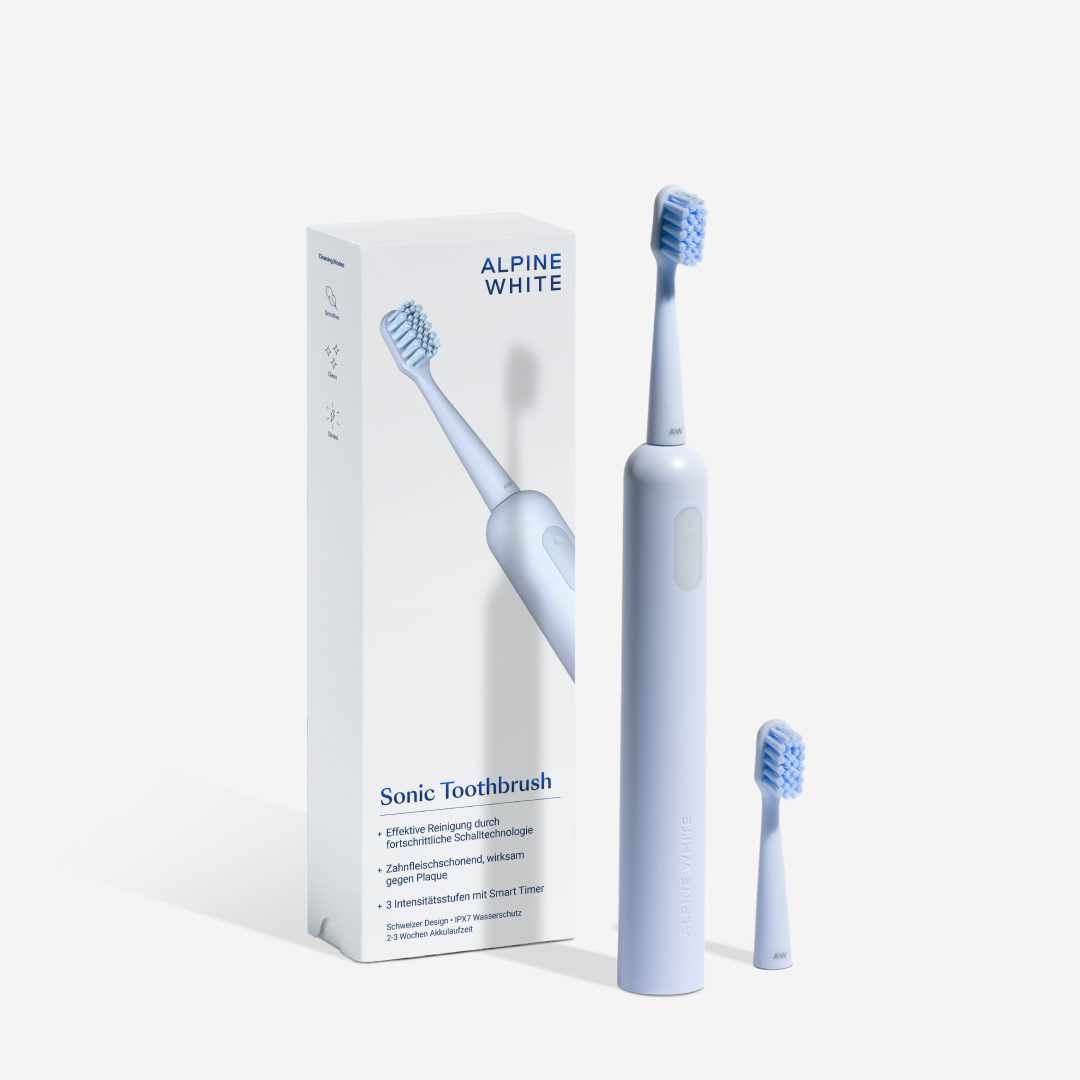
Effective oral hygiene and a bright smile go hand in hand. The Alpine White Whitening Toothpaste Extra White gently removes surface stains without damaging the enamel, while its carefully chosen ingredients support healthy gums. For a thorough yet gentle clean, the Alpine White Sonic Toothbrush helps you remove plaque every day. Together they make a simple daily routine that keeps your teeth, gums and breath in good shape.


 Dental Health