What are the symptoms of bacteria in the mouth?
Good oral hygiene matters for your well-being and your general health. Sometimes, without noticing, the bacteria in your mouth get out of balance. When that happens, they can lead to a range of unpleasant symptoms. Let's take a closer look.
Gum problems
Gum inflammation is one of the most common effects of mouth bacteria. It is known as gingivitis in its early stage and periodontitis when it advances. You may notice swollen, red or bleeding gums when brushing your teeth, and in severe cases even tooth loss. If you neglect your oral hygiene, bacteria can settle along the gum line and trigger inflammation.
Plaque and tartar
Bacterial plaque on your teeth can lead to cavities and tartar build-up. If plaque is not removed regularly, it can cause tooth decay and, over time, tooth loss. Thorough daily cleaning, together with regular visits to your dental hygienist, is the best way to prevent this.
Bad breath
Bacteria in your mouth produce sulphur compounds, which can cause bad breath. Regular brushing, flossing and mouthwash can help keep the bacteria in check and reduce bad breath caused by poor oral hygiene.
Mouth ulcers
These painful sores on the lining of the mouth can be linked to bacterial infections or inflammation. A balanced diet, good oral hygiene and managing stress can help lower the risk of mouth ulcers and support healing.
Fungal infections
A weakened immune system or certain medications can encourage yeasts such as Candida albicans to grow in the mouth. This can lead to fungal infections such as oral thrush.
Difficulty swallowing and sore throat
Inflammation in the mouth and throat can make swallowing uncomfortable and cause a sore throat. Good oral hygiene, avoiding irritants and, where needed, medical treatment can help ease these symptoms. Pay attention to them, and see your dentist or doctor if they persist, so that complications can be avoided.
Now that we have looked at the symptoms, let's see how you can keep your mouth healthy.
How can you improve your oral hygiene?
These simple habits will help you get more out of your daily routine:
- Brush regularly: brush thoroughly at least twice a day, for example with Alpine White Whitening Toothpaste Extra White and a sonic toothbrush.
- Clean between your teeth: use dental floss or interdental brushes daily to reach the spaces your toothbrush misses and keep your gums healthy.
- Use mouthwash wisely: antiseptic mouthwashes can help reduce bacteria, but they are not a substitute for brushing and flossing.
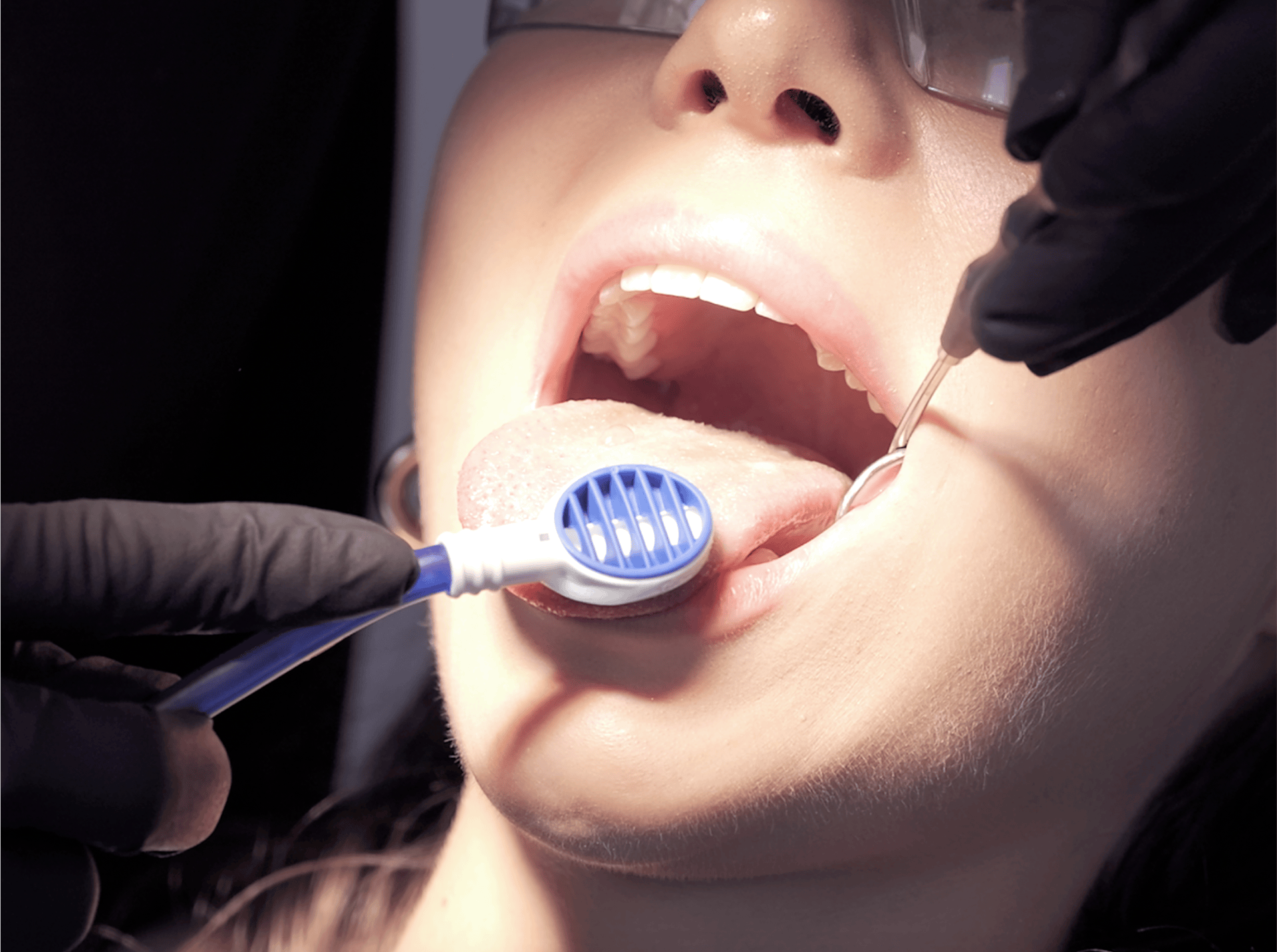
- Book a professional clean: regular professional teeth cleaning at your dentist or dental hygienist removes stubborn deposits and tartar that brushing cannot, and can include cleaning bacterial coating from the tongue.
- Eat a balanced diet: a diet rich in fruit, vegetables and wholegrains supports your immune system and your oral health.
Can a test show which bacteria live in your mouth?
If you want to go deeper into your oral microbiome, ask your dentist about a bacterial test. A saliva or gum-pocket sample can identify which bacteria are present, including harmful germs that cause inflammation. This helps to spot pathogens early and to assess your individual risk of periodontitis.
Such tests usually sort bacteria into three groups: good bacteria that support a healthy biofilm, opportunists that create a favourable environment for harmful germs, and strongly pathogenic bacteria that cause gum problems. Based on the results, your dental team can give you tailored advice on your routine and lifestyle, which can support your general well-being and help prevent dental and gum problems.
Conclusion: a healthy oral flora
Bacteria in the mouth can cause many problems, from gum inflammation to bad breath. Good oral hygiene is the key to avoiding them. Regular brushing, flossing, professional cleaning at your dentist or dental hygienist and a balanced diet all help. For your daily routine at home, explore the Alpine White range and enjoy a healthy, white smile.


 Dental Health