What causes toothache?
Toothache can have causes that range from harmless to serious. You may have a cold and notice that your teeth feel more sensitive. Or there may be a bigger problem that your dentist should check. Read on to learn the most common causes of toothache, so you know when home care is enough and when to book an appointment.
Cavities: the most common cause of toothache
A hole in the tooth, known as a cavity or tooth decay, is one of the most common reasons for toothache. Cavities develop through poor oral hygiene and a sugar-rich diet. You can get a cavity even if you brush your teeth regularly.
Cavities form when the spaces between your teeth are not cleaned thoroughly and plaque stays on the surface. Plaque contains bacteria that attack the enamel and cause pain.
If you have a cavity, you need to see your dentist. The decayed area is removed, and the tooth is then cleaned and sealed with a filling.
To help prevent cavities on and between your teeth, have plaque removed by a dental hygienist (a professional scale and polish) at least once a year. At home, a sonic toothbrush and a whitening toothpaste support your daily routine.
Can a cold cause toothache?
Yes. A cold can lead to toothache, especially when it comes with sinusitis. In sinusitis, the sinuses near the bridge of the nose and around the eyes become inflamed and fill with mucus. The swelling and pressure can spread to the nearby teeth and the upper jaw, which then ache.
The upper molars are often affected most, because their roots sit close to the sinuses. If you have a cold with sinusitis and suddenly feel toothache, the pressure from the sinuses may be the reason. Treat the cold and the sinusitis properly to relieve the pain and deal with the underlying cause.
Read this article to learn more about toothache with a cold.
Exposed tooth necks
Exposed tooth necks can cause toothache because the dentin-rich part of the tooth is no longer protected. Dentin is softer than enamel and contains tiny tubules connected to the nerves. When these tubules are exposed, the tooth can react to heat, cold or certain foods.
Gingivitis (gum inflammation)
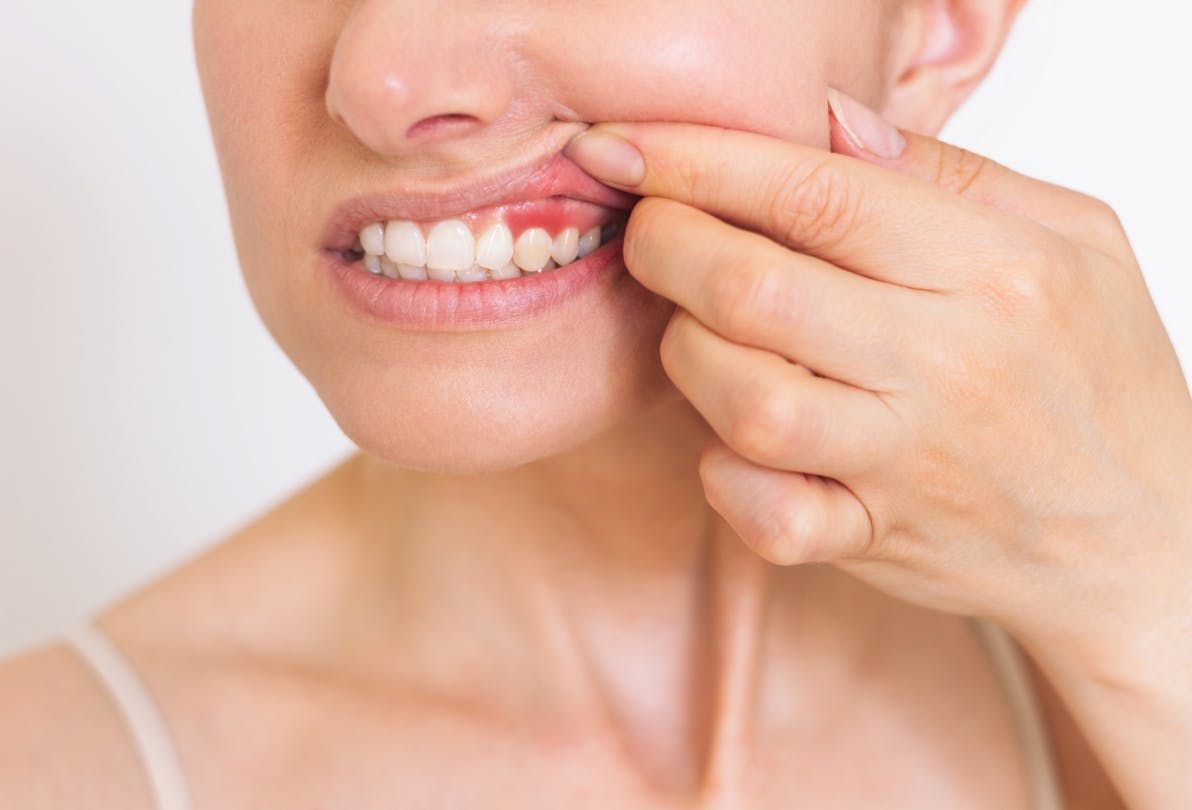
Gingivitis, or inflammation of the gums, can sometimes cause toothache. If plaque builds up around the teeth and is not removed thoroughly, the gums can become infected. Inflamed, swollen gums are tender and can hurt, especially under pressure, for example when chewing or brushing.
Gingivitis can also develop into periodontitis, where the inflammation spreads to the gum tissue and the bone around the teeth. This can loosen the teeth and cause pain. At the first signs of gum disease, such as redness, swelling or bleeding gums, see your dentist or dental hygienist so it can be treated and further pain avoided.
Tooth root inflammation
Tooth root inflammation occurs when the roots of a tooth become infected with bacteria. It can be caused by an untreated cavity or a gum disease, when bacteria penetrate deep into the soft tissue and the bone near the root.
The infection causes inflammation, which leads to tenderness and pain. Left untreated, it can spread to the adjacent tissue and even into the jawbone, with stronger pain, swelling and redness. An abscess can form in the gum near the root. This type of inflammation is particularly painful, and a root canal treatment is often needed to heal it.
Teeth grinding
Teeth grinding, also known as bruxism, means clenching or grinding the teeth during sleep or while awake, which puts pressure on the jaw joint. It wears down the enamel and can lead to increased sensitivity and toothache.
These are some possible causes of grinding at night:
- Stress and anxiety: stress and emotional strain can increase the activity of the chewing muscles, which can show up as grinding during sleep. People who are tense during the day or under chronic stress are more likely to be affected.
- Misaligned teeth and jaw: an abnormal tooth position, an incorrect bite or a misaligned jaw can raise the risk of grinding. If the teeth do not fit together properly, there is more pressure and friction.
- Sleep disorders: sleep apnoea or snoring can make grinding more likely. The increased muscle activity linked to these disorders is thought to raise the risk of bruxism.
- Alcohol and drugs: alcohol and certain drugs may contribute to grinding at night. They can affect the nervous system and increase muscle tension in the jaw and face.
- Genetic factors: in some cases, bruxism may run in families. If others in your family grind their teeth, your own risk may be higher.
Wisdom teeth
Wisdom teeth can cause toothache when they break through the gum or cannot fully erupt. The pressure of these growing molars can lead to swelling and inflammation, and sometimes to infection of the gum or jawbone.
Partly erupted wisdom teeth can also trap food particles and debris, which causes more discomfort. They sit so far back in the mouth that they are hard to clean, which raises the risk of plaque build-up and tooth decay.
Pulpitis (inflammation of the tooth pulp)
Pulpitis occurs when the pulp, which contains nerves, blood vessels and other cells, becomes inflamed through injury or infection. Often it is caused by a deep cavity or a knock to the tooth that damages the protective layers of enamel and dentin. Bacteria from plaque can then enter the tooth and reach the pulp. The inflamed pulp swells and presses on its surroundings, which hurts.
If the cause is inflamed pulp tissue, a root canal treatment may be necessary to remove the affected tissue and restore the health of the area.
How can you relieve toothache?
If you have toothache that lasts, get advice from your dentist so that any underlying cause is treated.
Home remedies for toothache
Simple measures, such as a balanced diet with plenty of vegetables and fruit, help strengthen enamel and support healthy teeth and gums. Over-the-counter painkillers such as ibuprofen or paracetamol can ease the discomfort. Always check with a dental professional or pharmacist before taking any medication.
Tips to relieve toothache at home
Rinse with warm salt water
Dissolve a teaspoon of salt in a glass of warm water and rinse your mouth for about 30 seconds. Salt water can reduce inflammation and relieve pain temporarily.
Use clove oil or a clove
Soak a cotton wool ball in clove oil and gently dab it on the sore spot. Clove oil contains eugenol, a substance with pain-relieving properties. Be careful, as too much clove oil can cause irritation. You can also bite on a clove.
Try garlic
Crush a garlic clove into a paste and apply it to the sore tooth. Garlic has anti-inflammatory and antibacterial properties. Leave it on for a few minutes, then rinse thoroughly with water.
Use a cold compress
If the area around your mouth is swollen or inflamed, apply a cold compress. Wrap an ice pack in a thin cloth and hold it gently against your cheek or the sore area.
Drink sage or chamomile tea
Sage and chamomile tea have anti-inflammatory properties and can help with toothache. If you do not like the taste, let the tea cool down and use it as a mouth rinse.
How can you prevent toothache?
You can prevent toothache with proper oral hygiene, regular professional teeth cleaning and a balanced diet. Brush twice a day with fluoride toothpaste, floss daily, rinse with an antiseptic mouthwash and avoid sugary snacks. This keeps the tissue that supports your teeth healthy and helps you avoid costly dental treatment.
It is also worth seeing your dentist or dental hygienist at least once a year for a scale and polish, so problems that can lead to toothache are spotted early. At home, a sonic toothbrush helps you remove plaque more thoroughly every day.
A balanced diet with lots of fruit and vegetables also helps protect your teeth from decay, because it provides the minerals needed for strong enamel and healthy gums.


 Dental Health