Dental anxiety: why do you feel uneasy about the dentist?
Fear of the dentist, also known as dental phobia or dental anxiety, affects many people and can seriously harm dental health when it leads to missed appointments. Here are some common reasons why you may dread going to the dentist.
Bad experiences in the past
An unpleasant or painful treatment in the past can leave deep-seated fears and make you avoid anything to do with dentistry. The memory alone can bring back a sense of insecurity and anxiety.
Fear of pain
Fear of pain is one of the main reasons for dental anxiety. The thought of drills, needles and other instruments can be extremely stressful, often causing a racing heart, sweating and a general feeling of restlessness at the very thought of the treatment chair.
Loss of control
Feeling that you cannot control what happens during treatment can also trigger dental anxiety. You may feel helpless and vulnerable, which makes the fear stronger.
The good news is that dental anxiety can be overcome. With the right support and care, you can manage your fears and still get the dental care you need. There are various techniques and treatment options to help.
How can you overcome your fear of the dentist?
Tell your dentist or dental hygienist openly that you are anxious. A good practice will take time to explain each step, agree a signal so you can pause at any time, and adapt the pace to you. For many people, a calm professional teeth cleaning with a dental hygienist is a gentle way back into regular dental care.
Prevention instead of invasive treatments
The best way to avoid drilling and other invasive treatments is prevention. Regular check-ups and professional teeth cleaning help to spot problems early, before they get worse. Combined with a good daily routine at home, described in our oral hygiene guide, this keeps your teeth and gums healthy and toothache a thing of the past.
Many practices now offer gentle cleaning methods such as AIRFLOW. This technology combines air, water and fine powder particles to remove plaque and tartar thoroughly and without pain. Ask your dentist or dental hygienist which methods they use.
Can cavities be treated without drilling?
Cavities do not always mean drilling. Dentistry has made great progress in recent years, and an early cavity can often be treated with gentle, minimally invasive methods. The earlier it is spotted, the more options you have, so regular check-ups matter. Your dentist can tell you whether treatment is needed in your case.
Whitening without discomfort
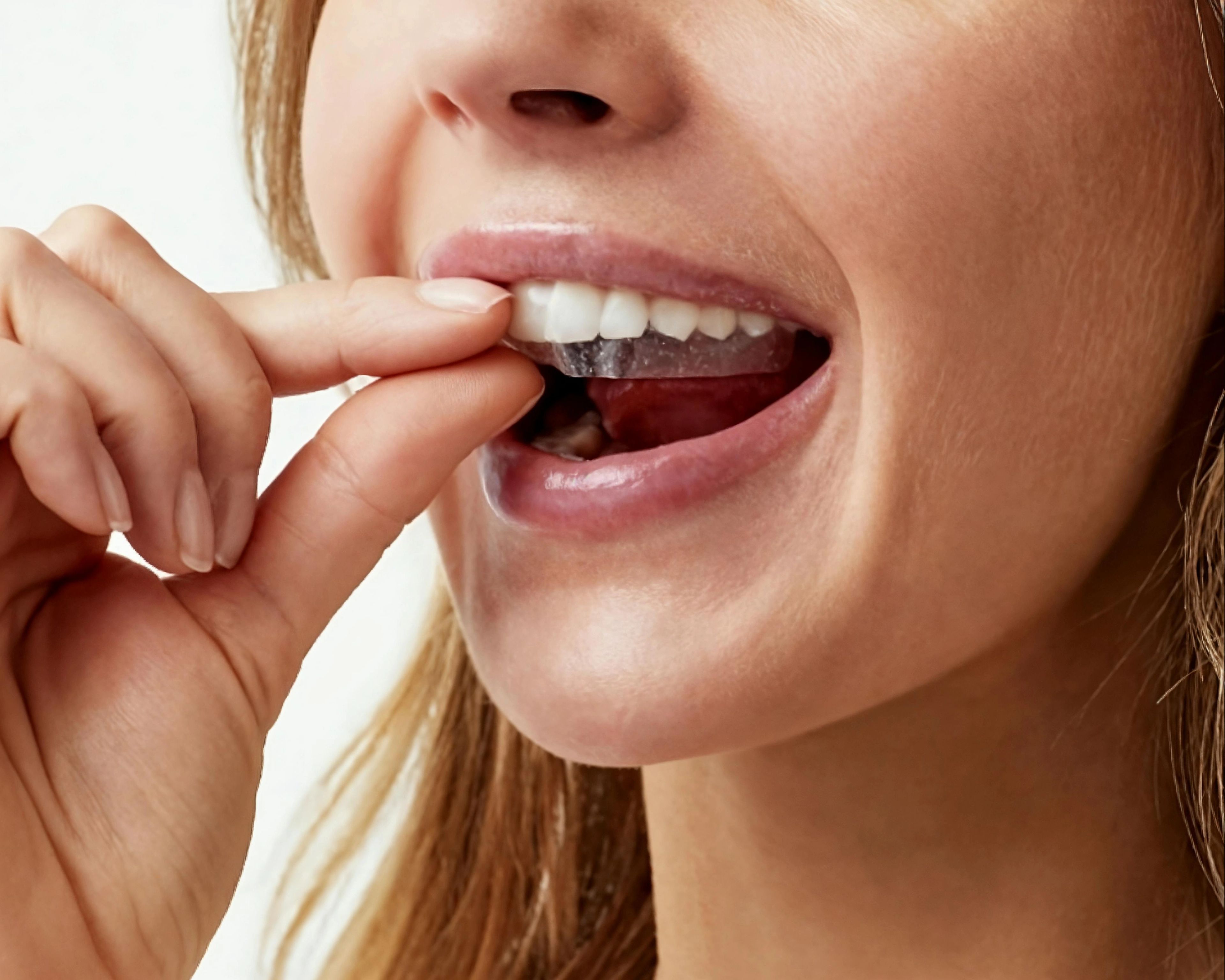
A bright smile boosts self-confidence, and whitening does not have to hurt. Professional bleaching is carried out at your dentist or a dental practice. At home, you can whiten gently with products based on phthalimido peroxy caproic acid (PAP), which work without hydrogen peroxide, so there is less risk of sensitive teeth.
How can you keep your teeth healthy and white at home?
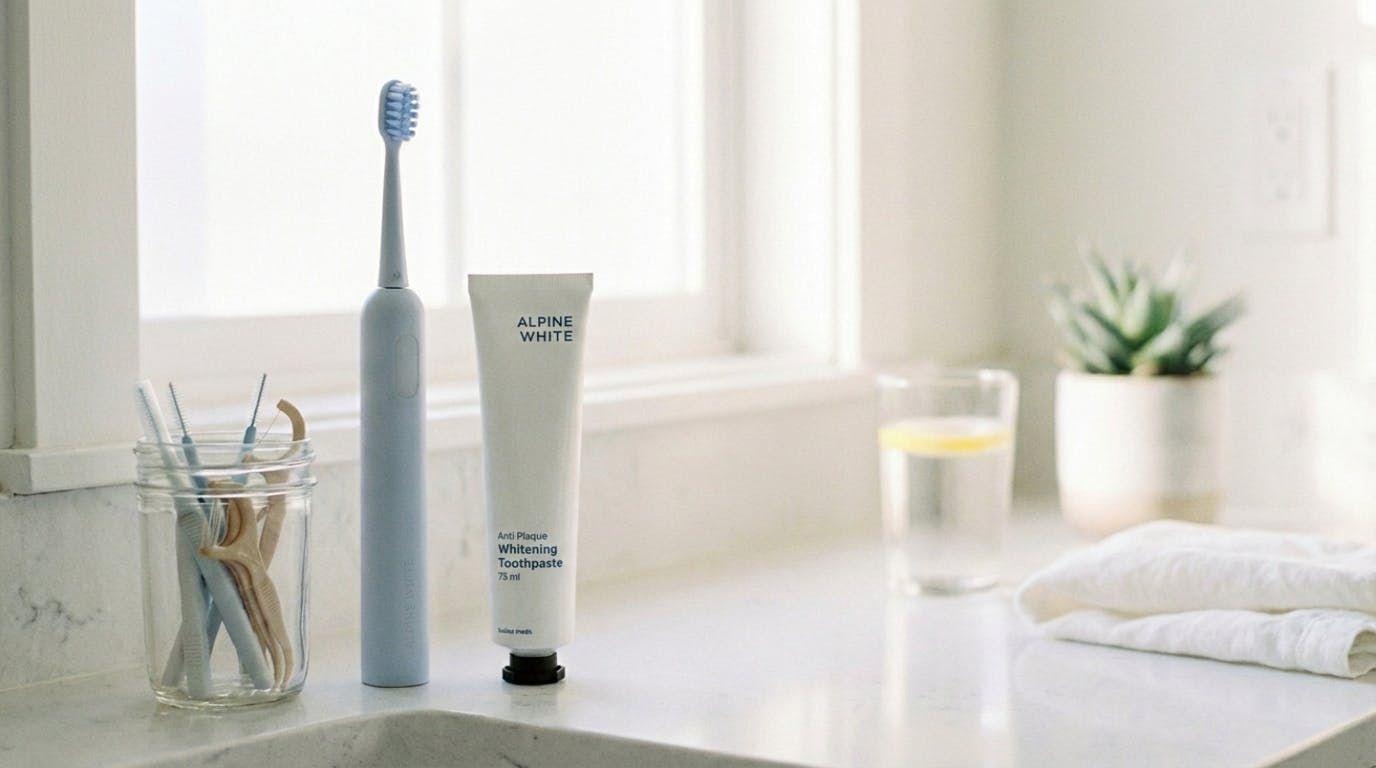
Between appointments, your daily routine makes the difference. We recommend ALPINE WHITE Whitening Toothpaste Extra White for everyday brushing. To maintain a whiter smile in the long term, our Whitening Strips are a handy addition. You can order both easily online and have them delivered to your door, with prices in euros.


 Teeth Whitening