What is hydrogen peroxide?
Hydrogen peroxide, chemically known as H₂O₂, is a clear, colourless liquid available in many concentrations. It is a compound of hydrogen and oxygen and occurs in nature in small amounts, for example in rainwater.
In higher concentrations, it is used as a bleaching agent, disinfectant and antiseptic. In medicine, it cleans and disinfects wounds: on contact with organic material it breaks down into water and oxygen, and the released oxygen can kill many types of bacteria and viruses.
In industry and at home, it bleaches textiles and paper, removes stains and disinfects surfaces. It is also an important ingredient in many hair dyes.
Why whiten teeth without hydrogen peroxide?
Hydrogen peroxide penetrates the enamel and breaks up the colour molecules that cause stains. That works, but it has downsides. Many people report sensitive teeth after a peroxide bleaching treatment. It can also irritate the gums and, in rare cases, cause chemical burns.
How does peroxide-free teeth whitening work?
Peroxide-free whitening uses a gentler formula that brightens teeth without putting your teeth or gums at risk. Visible results are possible without the harsh side effects of strong bleaching agents.
Benefits of whitening teeth without hydrogen peroxide
- No added sensitivity: One of the most common complaints after conventional bleaching is increased tooth sensitivity. With a peroxide-free formula, your teeth stay strong and healthy while they are whitened.
- Gentle on gums: No more worrying about irritated or burnt gums. A gentle formula is kinder to the whole mouth.
- Lasting results: You see the results, and they last. With the right care and regular touch-ups, you can enjoy a bright smile for years.
PAP: the tooth-friendly alternative
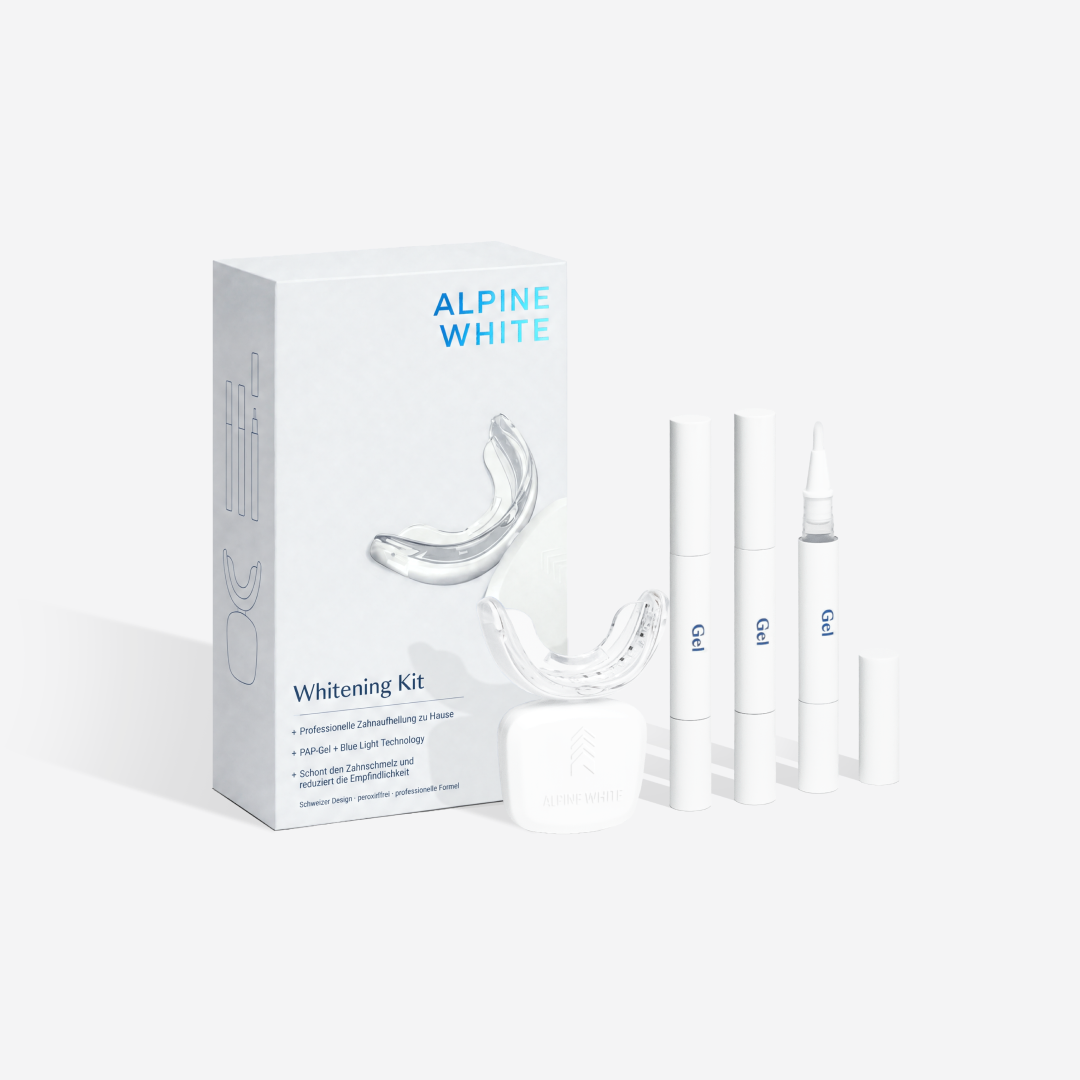
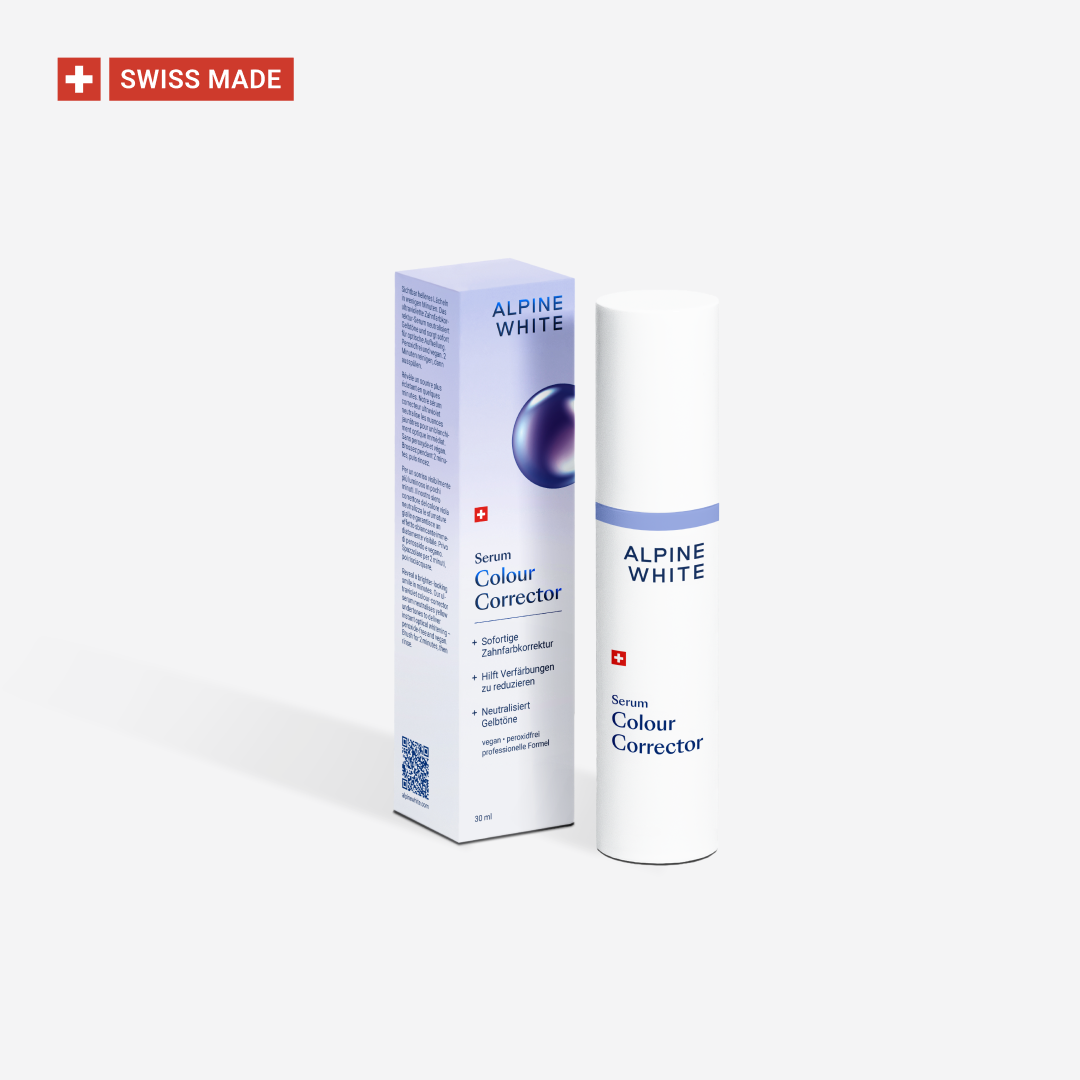
Phthalimidoperoxycaproic acid (PAP) is an innovative substance that is gaining importance in modern teeth whitening. Unlike conventional bleaching agents, PAP offers a gentler yet effective way to whiten teeth. It is also a key ingredient in Alpine White whitening products.
PAP targets stains on the tooth surface without damaging the enamel or gums, so there is less discomfort and fewer side effects. PAP is also stable and releases its active whitening agent continuously over a longer period, which gives more even, longer-lasting results. If you want a tooth-friendly way to whiten your teeth, PAP is an ideal choice.
Professional whitening: what to expect
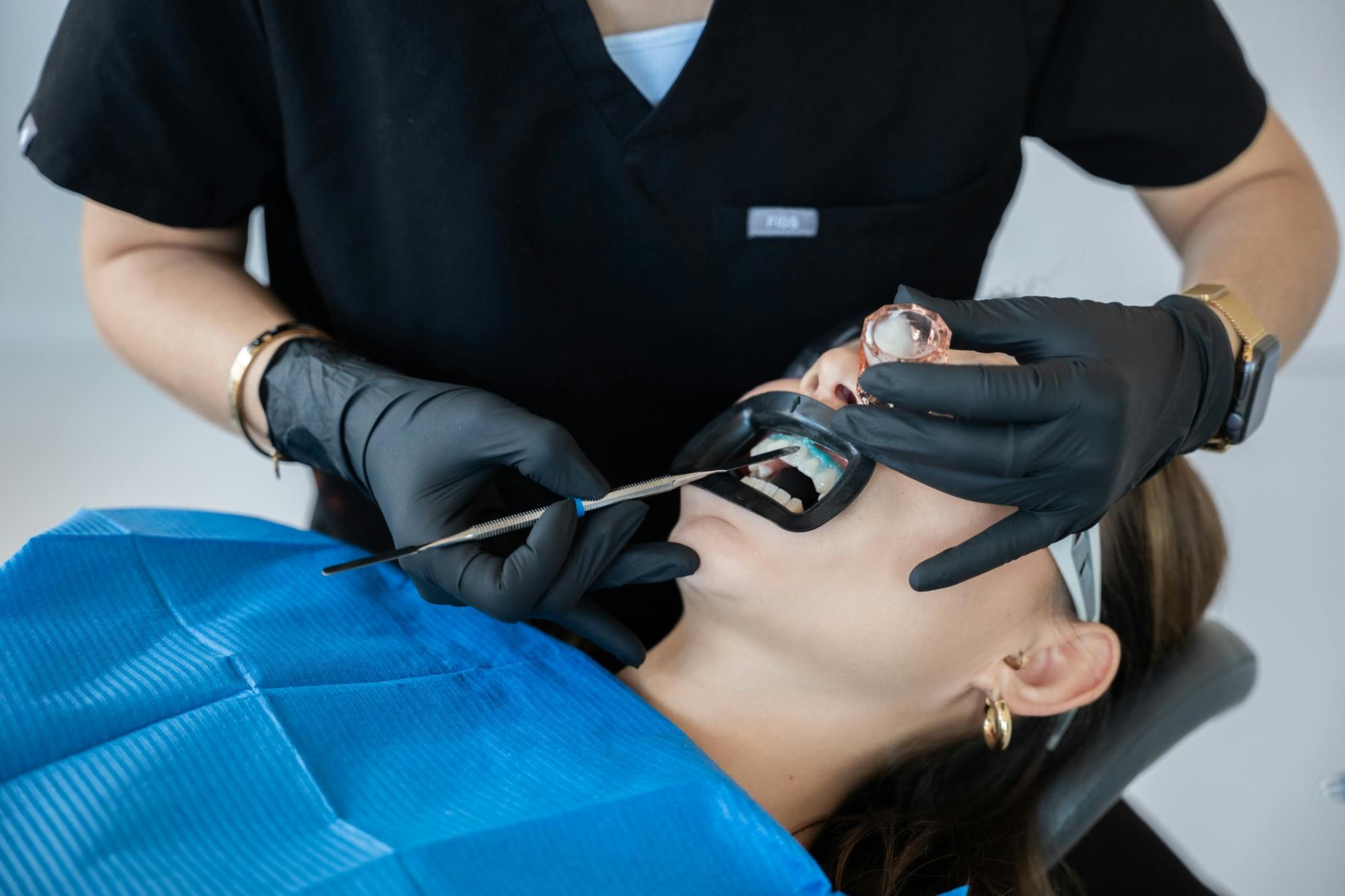
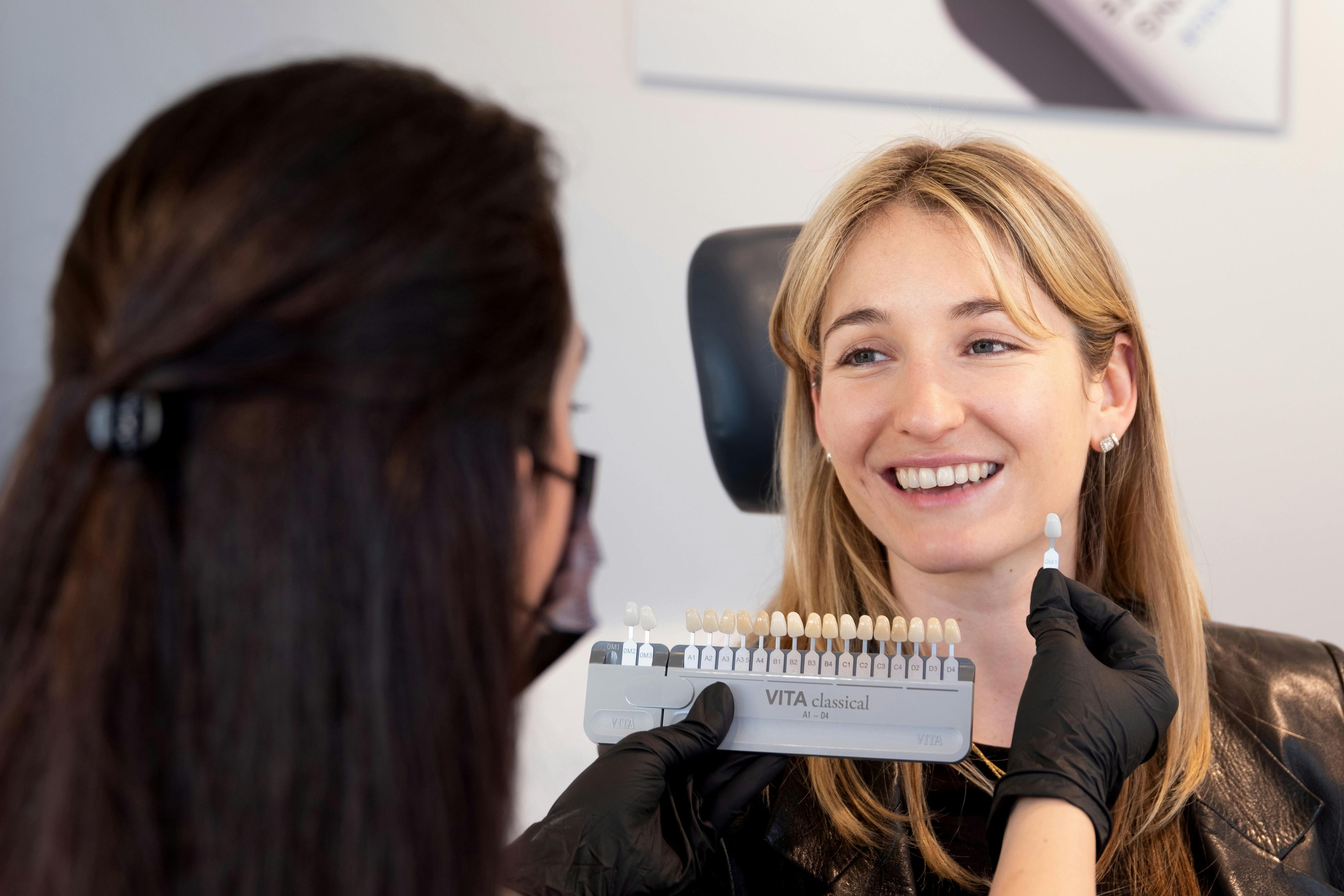
Professional whitening without peroxide is less intense than power bleaching at the dentist's. This means you may need several treatments to reach the shade you want. Heavily stained teeth or teeth with a dark core are harder to whiten. If you are unsure about your tooth colour, ask your dentist for advice.
For severely discoloured teeth or a dark tooth core, veneers can be another option.
Professional teeth cleaning before whitening
A professional teeth cleaning (scale and polish) at your dentist or dental hygienist can prepare your teeth well for whitening. It is not only a key step for good oral hygiene but also the ideal basis for effective whitening.
During the cleaning, a dental hygienist carefully removes tartar, plaque and stubborn stains from the tooth surfaces, including hard-to-reach areas. With plaque and surface stains gone, whitening products can work more evenly and effectively.
The teeth are then polished to smooth the surface and make it harder for new plaque to stick. This gives teeth a natural shine and helps your whitening results last longer.
Professional cleaning goes beyond looks. It is an essential part of oral health and helps prevent tooth decay and gum disease. Regular visits help your teeth stay not only bright but also healthy.

 Oral Care