Back to overview
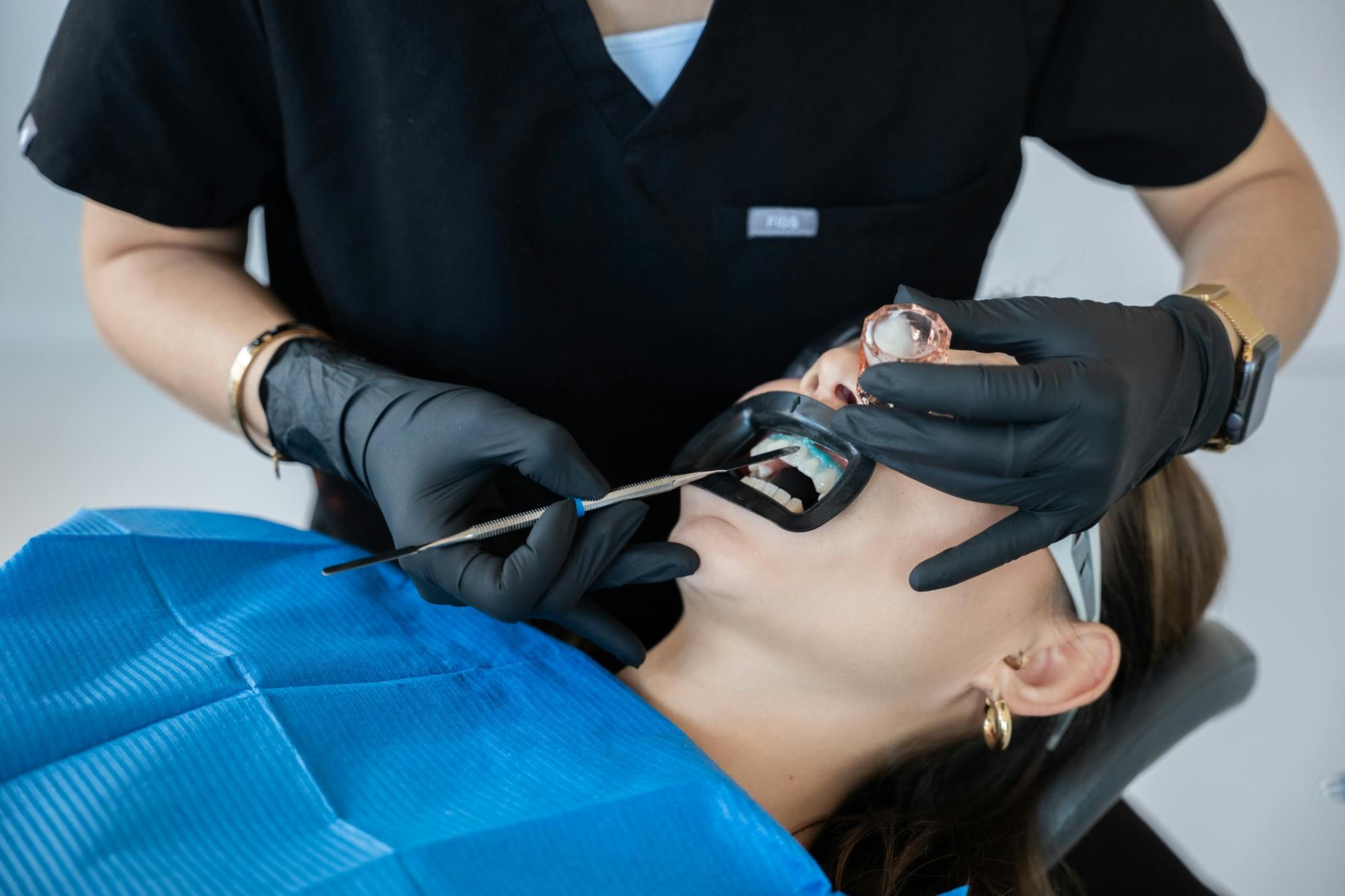
Female dentist with black gloves works with an instrument in the mouth of a reclining patient

Teeth whitening: your guide to brilliant white teeth

Teeth WhiteningJul 25, 20237 min read

Many of us want a brighter smile, yet coffee, tea, red wine and tobacco leave stains on our teeth. The good news is that there are plenty of ways to whiten teeth. One of the best known and most effective is teeth whitening, also called tooth bleaching. Here is how it works, what your options are and how to keep your teeth white afterwards.


Andrea Seraina

Andrea Seraina

Dental Content Specialist

Why do teeth become discoloured?

Teeth can become discoloured for many reasons. One of the most common is external staining, known as extrinsic discolouration. It builds up on the tooth surface from certain foods and drinks such as coffee, tea, red wine and cola, and from tobacco. Colour pigments from these substances settle on your teeth and, over time, can make the enamel look darker.

Sometimes teeth are stained from the inside, which is called intrinsic discolouration. Possible causes include certain medicines, too much fluoride in childhood, or injury and conditions such as tooth decay that change the inner part of the tooth (the dentin).

Natural ageing plays a part too. As the years go by, the dentin under the enamel becomes darker and the enamel gets thinner. The darker dentin shows through and your teeth look more yellow.

What is teeth whitening and how does it work?

Teeth whitening, also known as tooth bleaching, lightens your teeth to remove stains and give you a brighter smile. Traditional whitening products usually contain hydrogen peroxide or a similar bleaching agent. It enters the enamel and breaks down the colour pigments. Alpine White takes a gentler route, which we explain below.

There are three main ways to whiten teeth: in-office bleaching at the dentist, power bleaching and whitening teeth at home. Each has its own advantages and drawbacks.

Power bleaching

Power bleaching is a professional whitening method carried out at the dental practice. Its main advantage is speed. In a single session of about one hour, your teeth can become several shades lighter.

First, the gums and the soft tissue in your mouth are carefully covered to protect them from the bleaching agent. Then a highly concentrated whitening gel is applied to the teeth. Other methods need the gel to stay on the teeth for several hours or even overnight. Power bleaching instead uses a special light or a laser to activate the gel. This lets the whitening agent reach deeper into the enamel and tackle stronger stains.

Although power bleaching is fast and effective, it is not suitable for everyone. If you have sensitive gums, exposed tooth necks or enamel defects, it can be uncomfortable. Ask your dentist whether it is right for you.

In-office bleaching at your dentist

With in-office bleaching, a dentist or a trained dental professional whitens your teeth in the practice, tailored to your needs. Professional-grade gels are used to lighten stained teeth. Afterwards, good daily care at home helps your result last longer.

What is PAP and why is it a gentle alternative to hydrogen peroxide?

Alpine White whitening products do not use hydrogen peroxide. They use the ingredient phthalimido peroxy caproic acid, known as PAP. PAP is an innovative substance that has become a gentle and effective alternative to conventional hydrogen peroxide, and it has drawn attention in dentistry because of its particular properties.

PAP is mild. Hydrogen peroxide, the traditional whitening agent, can often cause sensitivity and gum irritation. PAP is considerably gentler, lowering the risk of side effects. That makes it a popular choice if you have sensitive teeth or gums.

PAP is also effective. It works deep within the enamel to break down stains and lighten teeth. Despite this strong whitening action, it is gentle on the tooth substance and does not change the structure of the tooth, so it can whiten without attacking or damaging the enamel.

Another benefit is that PAP does more than remove stains. It also has antibacterial properties, so it helps to reduce harmful bacteria while whitening, which supports good overall dental health.

How can you whiten teeth at home?

You may prefer the convenience of whitening your teeth at home. That is why Alpine White has developed a range of home whitening products to help you whiten and maintain your smile, while also supporting good oral hygiene. Here are a few of our favourites.

Our Whitening Toothpaste Extra White is formulated to remove surface stains and brighten your teeth while protecting your enamel and supporting dental health. It is a good daily choice if you want an extra bright smile.

For more intensive whitening, try our whitening strips. They are easy to use and contain a safe, effective whitening formula that can make your teeth several shades brighter.

Our Whitening Kit contains everything you need to whiten your teeth at home: a special whitening gel and a tray that spreads the gel evenly over your teeth.

Finally, there is our Colour Corrector Serum. It works against stubborn discolouration and evens out the tooth colour by balancing yellow tones. Its violet pigments neutralise the yellow.

All our whitening products are based on the same whitening gel, so they work well together for the best results.
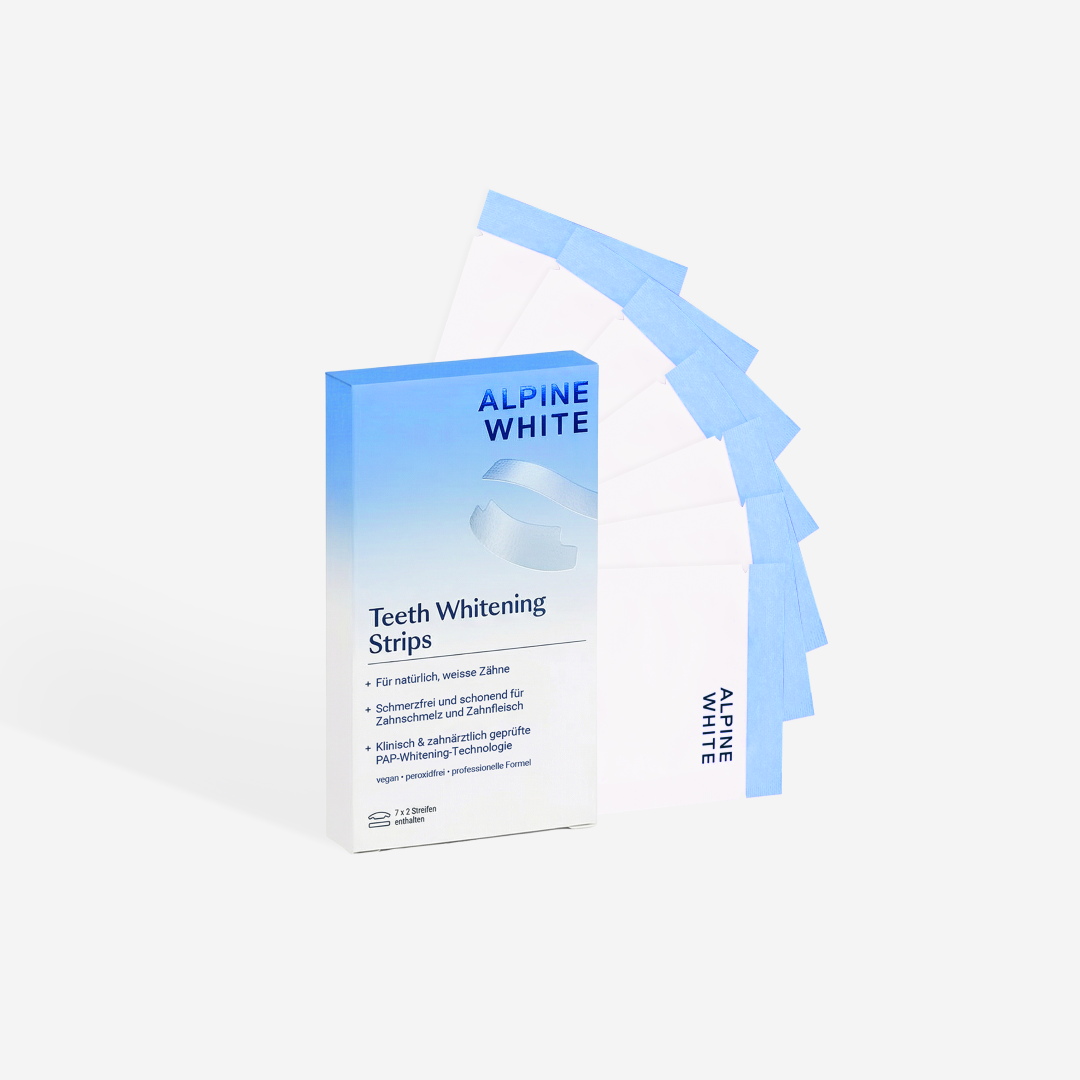
ALPINE WHITE Whitening Strips: pack with fanned-out pouches
4.4(128)

Whitening Strips

€ 29.90

14 pc • € 2.14

Learn more

How do you look after your teeth after whitening?

Whitening gives you a brighter smile quickly, but keeping the result takes a little effort. Careful, consistent dental care after whitening is the key to keeping your teeth bright and white.

Brush at least twice a day to remove plaque, stains and bacteria that can cause tooth decay and gum problems. When choosing your toothpaste, a whitening toothpaste can help. It is designed to polish teeth and lift surface stains, and Alpine White Whitening Toothpaste Extra White is made for exactly that.

Regular flossing matters too. It clears food debris and plaque from between your teeth, which are often missed when brushing. Flossing supports your overall dental health and helps to protect your whitening result by preventing stains in these hard-to-reach areas.

A mouthwash can add to your routine by reaching areas that brushing and flossing miss. It can help reduce bacteria and so lower the risk of gum disease such as gingivitis or periodontitis, as well as bad breath. Be careful, though: too much mouthwash can cause discolouration itself.

Activated charcoal is known for its strong absorbing properties and is often used to help lift surface stains and keep teeth looking white.

Which foods and drinks should you avoid after whitening?

For a few days after a whitening treatment, it is best to avoid staining foods and drinks. These include coffee, red wine, black tea and strongly coloured spices such as curry. They can leave stains on your teeth and weaken the result.

In short, thorough and consistent dental care after whitening gets the most from the treatment and keeps your smile bright for longer. Alpine White products are designed to support you at home, every day.

Professional teeth cleaning and whitening: why they go well together

A professional teeth cleaning (often called a scale and polish) at your dentist or dental hygienist is essential for healthy teeth and gums. It also plays a real part in whitening. Careful oral hygiene can noticeably improve the effect of a professional whitening treatment and make it last longer. Between appointments, your daily routine at home with whitening toothpaste, strips and the Sonic Toothbrush keeps your teeth clean and bright.

Careful, regular dental hygiene is the key to healthy teeth and a bright smile. These are some of the benefits of professional teeth cleaning:

  1. Helps prevent gum disease: removing plaque and tartar regularly lowers the risk of gum inflammation and gum disease such as gingivitis and periodontitis.
  2. Protects against tooth decay: cleaning removes harmful bacteria that turn sugar into acids, which attack the enamel and cause cavities.
  3. Keeps your teeth looking white: regular brushing and professional cleanings help remove stains caused by food, drink and tobacco.
  4. Fresher breath: good oral hygiene helps prevent bad breath by removing the bacteria and food particles that cause an unpleasant smell.
  5. Helps prevent tooth loss: by preventing gum disease and tooth decay, dental hygiene helps keep teeth healthy and strong.
  6. Supports your general health: there is growing evidence of a link between oral health and general health. Good oral hygiene may help reduce the risk of cardiovascular disease, diabetes and other conditions.
  7. Can save money: preventing dental problems can reduce the cost of dental treatment later on.

This might also interest you

Smiling woman brushes her teeth in front of the bathroom mirrorTeeth Whitening

PAP Teeth Whitening: How Gentle Whitening Supports Healthy, White Teeth

Most of us want whiter teeth, but worry about enamel and sensitivity. Classic bleaching is often linked with strong ingredients and unpleasant side effects. PAP teeth whitening offers a gentler alternative: it aims to reduce stains and support healthy, white teeth without putting unnecessary stress on your enamel. In this article, we explain in simple terms what PAP is, how it works and how ALPINE WHITE whitening strips and whitening toothpaste can fit into your daily oral care routine.

Light blue toothbrush next to an ALPINE WHITE toothpaste tube on a shelfOral Care

How a modern oral care routine helps you avoid costly, painful dental treatment

Most of us know we should look after our teeth better, but between work, family and everyday life there is rarely time for a clear plan. Dental treatment is not getting any cheaper, and every painful session in the dentist’s chair is a reminder of how valuable prevention is. This article shows you how a realistic, modern oral care routine can protect your teeth and gums, keep plaque and stains in check, and lower your risk of costly, painful treatment.

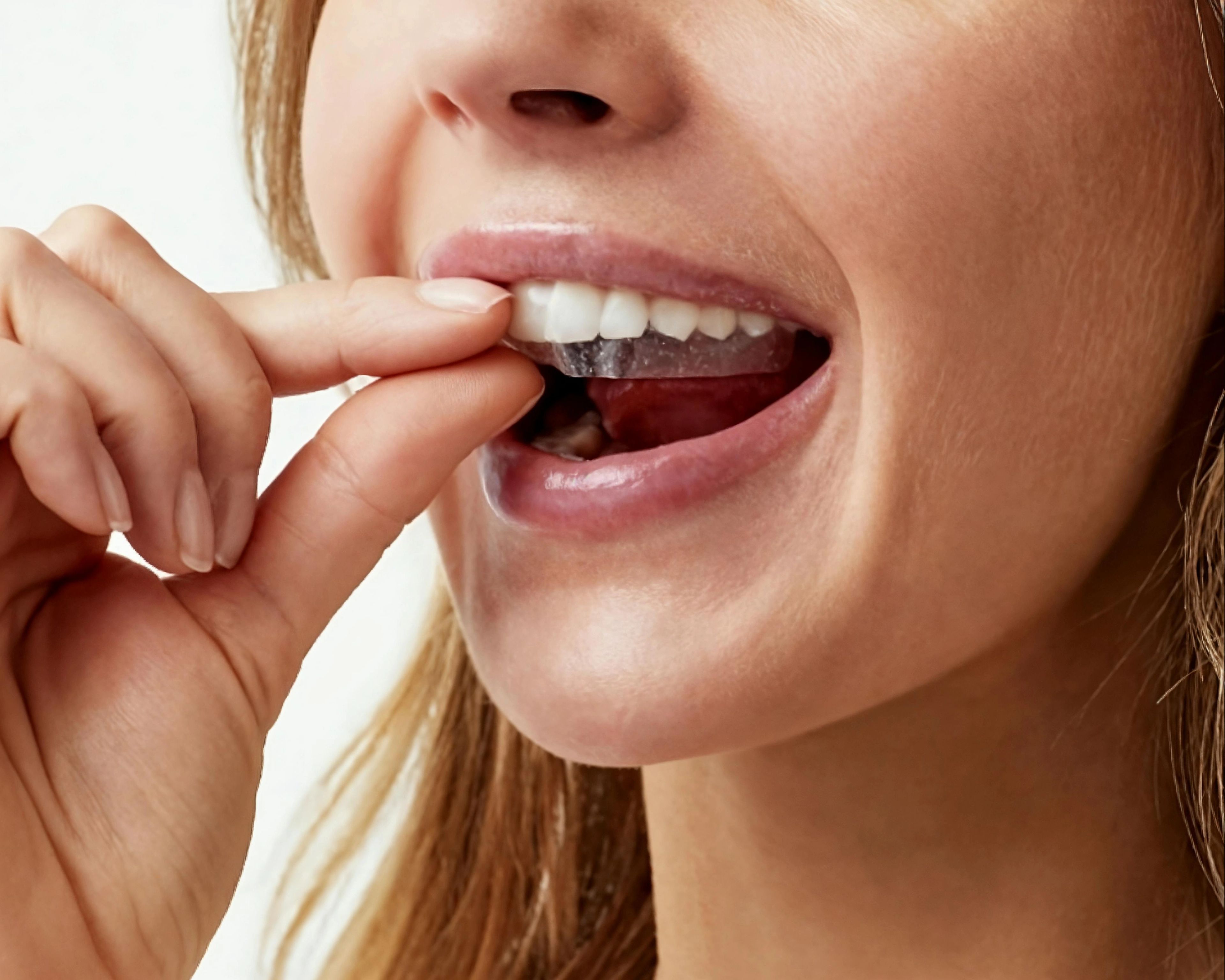
Woman places a Whitening Strip on the upper teethTeeth Whitening

Best teeth whitening strips in Europe: why Alpine White is the top choice

Looking for the best teeth whitening strips in Europe, without sensitivity or harsh chemicals? Find out why Alpine White's clinically validated, peroxide-free whitening strips are trusted in Germany, Austria and Poland. Developed in Switzerland and sold by leading European retailers, they deliver visible results in just 3 days – gently, effectively and with no fuss.