What are receding gums?
Receding gums, also called gum recession, often go hand in hand with serious gum disease such as periodontitis. Periodontitis is a severe inflammation of the gums that does not stop at the gum line: it can also attack the jawbone underneath. The result is often exposed tooth necks and tooth roots, which brings several problems.
Exposed roots are not just a cosmetic issue. They make teeth more sensitive, especially to hot and cold. They are also more prone to decay and erosion, because the root is not as hard and resistant as the enamel that covers the visible part of the tooth.
In some cases, gum recession goes along with bleeding and swollen gums. These symptoms are unpleasant, and they can further harm your dental health and raise the risk of other complications.
That is why it pays to spot the early signs of receding gums and act. If your gums bleed, look swollen or seem to be pulling back from your teeth, book a check-up with your dentist or dental hygienist.
What causes receding gums?
The most common cause is insufficient or poor oral hygiene. Bacteria collect along the gum line and can inflame the gums. Other factors play a role too, including teeth grinding, brushing too hard, crooked teeth and the condition of your jawbone. In the worst case, receding gums lead to tooth loss, and then to tooth replacement such as implants or a dental crown.
Poor oral hygiene
If your teeth are not cleaned regularly and thoroughly, bacteria build up in the gum pockets and around the tooth roots. These bacteria inflame the gums, and the inflammation speeds up gum recession.
Teeth grinding
Grinding your teeth, often triggered by stress or habit, puts extra pressure on the gums and can contribute to recession. It is an often overlooked factor, but its impact can be significant.
Brushing too hard
Scrubbing hard or using a hard toothbrush can damage the gums and make them recede. A soft or medium toothbrush cleans effectively and stays gentle on your gums.
Misaligned teeth
Crooked teeth can spread chewing pressure unevenly. That puts extra strain on the gums and can encourage recession.
Jawbone and tooth roots
Dentists also look at how the jawbone and tooth roots affect your gums. A weak or shrinking jawbone gives teeth and gums less support, which can speed up recession.
What are the effects of gum recession?
Gum recession has many effects, and they are often underestimated. Here are the most important ones.
In the worst case: tooth loss
In the worst case, receding gums lead to tooth loss, which then calls for replacements such as implants or a dental crown.
Periodontitis and gum recession
Periodontitis (also called periodontal disease) is advanced gum inflammation and a serious threat to your gums and teeth. Simple gingivitis is usually reversible. Periodontitis causes even more gum recession and is often irreversible.
One of its most serious consequences is damage to the jawbone. The bone can shrink, which weakens the hold of your teeth. The gums then pull back from the teeth and expose the roots.
Symptoms range from bad breath to swollen, bleeding gums. Bad breath is often one of the first signs. Do not ignore it, as it can point to an excess of bacteria in the mouth. Swollen and bleeding gums are further serious symptoms that need prompt attention.
Because periodontitis is often irreversible, early diagnosis and treatment are crucial. A dentist or dental hygienist can check your gums, spot serious gum problems early and draw up a personal treatment plan to slow the disease and protect your dental health.
How can you protect your gums?
Brush the right way
The right technique when brushing your teeth is the foundation of long-lasting dental health. An electric toothbrush is usually more effective than a manual one, and our Sonic Toothbrush cleans thoroughly without scrubbing. The toothpaste matters too: our Whitening Toothpaste Extra White supports bright, clean teeth as part of your daily routine.
Dental floss
Dental floss is an indispensable tool for removing plaque, bacteria and tartar build-up from between your teeth. It helps prevent tooth decay as well as gum inflammation and periodontitis.
Professional teeth cleaning
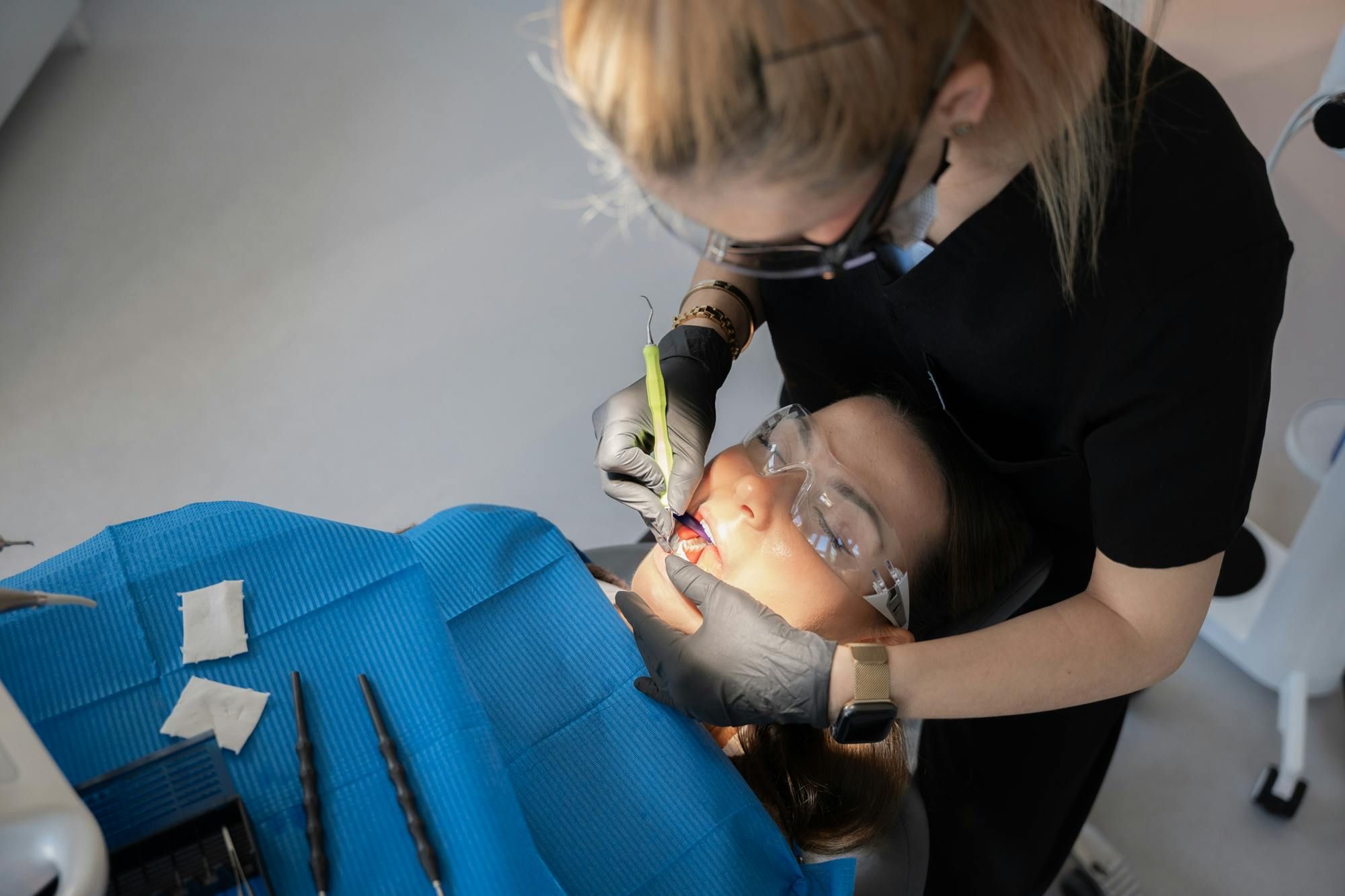
Regular professional teeth cleaning (a scale and polish with your dental hygienist) removes tartar and plaque in places that daily brushing at home cannot reach. It also lets a professional check your gums and catch problems at an early stage. Your daily routine at home then keeps the results going.
How are receding gums treated?
Gum reconstruction and gum grafts
With severe gum recession, surgery such as a gum graft may be necessary. Healthy gum tissue is taken from another place in the mouth and attached to the affected area. This helps rebuild the gum line and protects exposed roots from further damage. It is an effective way to restore both the look and the function of the gums. Your dentist can refer you to a specialist who offers this treatment.
Implants and dentures
If the periodontium (the system of gums, jawbone and tooth roots) is badly damaged, dental implants can be a good option. These artificial tooth roots are placed directly in the jawbone and give crowns, bridges or dentures a stable base. They are a lasting, natural-looking solution for tooth loss. A check-up shows the condition of your periodontium, and your dentist can refer you to an implant specialist if needed.
Home remedies
A few home remedies can help with mild gum problems. Oil pulling is an ancient Ayurvedic method: you swish a tablespoon of oil (usually coconut or sesame oil) around your mouth to bind and rinse out bacteria and toxins. Herbal teas such as chamomile or sage can also help ease inflammation and soothe the gums. These methods work as an addition to your daily brushing with Alpine White Whitening Toothpaste Extra White, not as a replacement for professional care.
Prevention is better than cure
Avoid hard toothbrushes
Choosing the right toothbrush matters for your gums and can even help prevent gum disease. Hard bristles can irritate the gums, which leads to inflammation and even recession. That in turn can mean exposed roots and swollen gums. We recommend a soft or medium toothbrush. A sonic toothbrush with gentle settings gives a thorough but kind clean.
Watch your diet
A balanced diet is important for your general health, and it is also key to preventing gum disease. Nutrients such as vitamin C, vitamin D and calcium help strengthen gums and teeth. Cut back on sugary food and drink, as sugar promotes plaque, which can lead to tooth decay and gum problems. If you wear braces, careful oral hygiene is especially important.
Get regular check-ups
Regular check-ups with your dentist or dental hygienist let a professional look closely at your gums and teeth. They are the best way to catch early signs of gum inflammation or exposed roots. See a dentist promptly if you have pain, bleeding gums or persistent bad breath.

 Dental Health