Why dental hygiene matters before you think about food
Before looking at what to eat, it helps to know the basics of dental hygiene. Regular, thorough teeth care is the best way to prevent cavities, gum disease and other problems. Brushing, flossing or using interdental brushes, and seeing your dentist or dental hygienist regularly, all help to remove plaque and stains.
Professional teeth cleaning
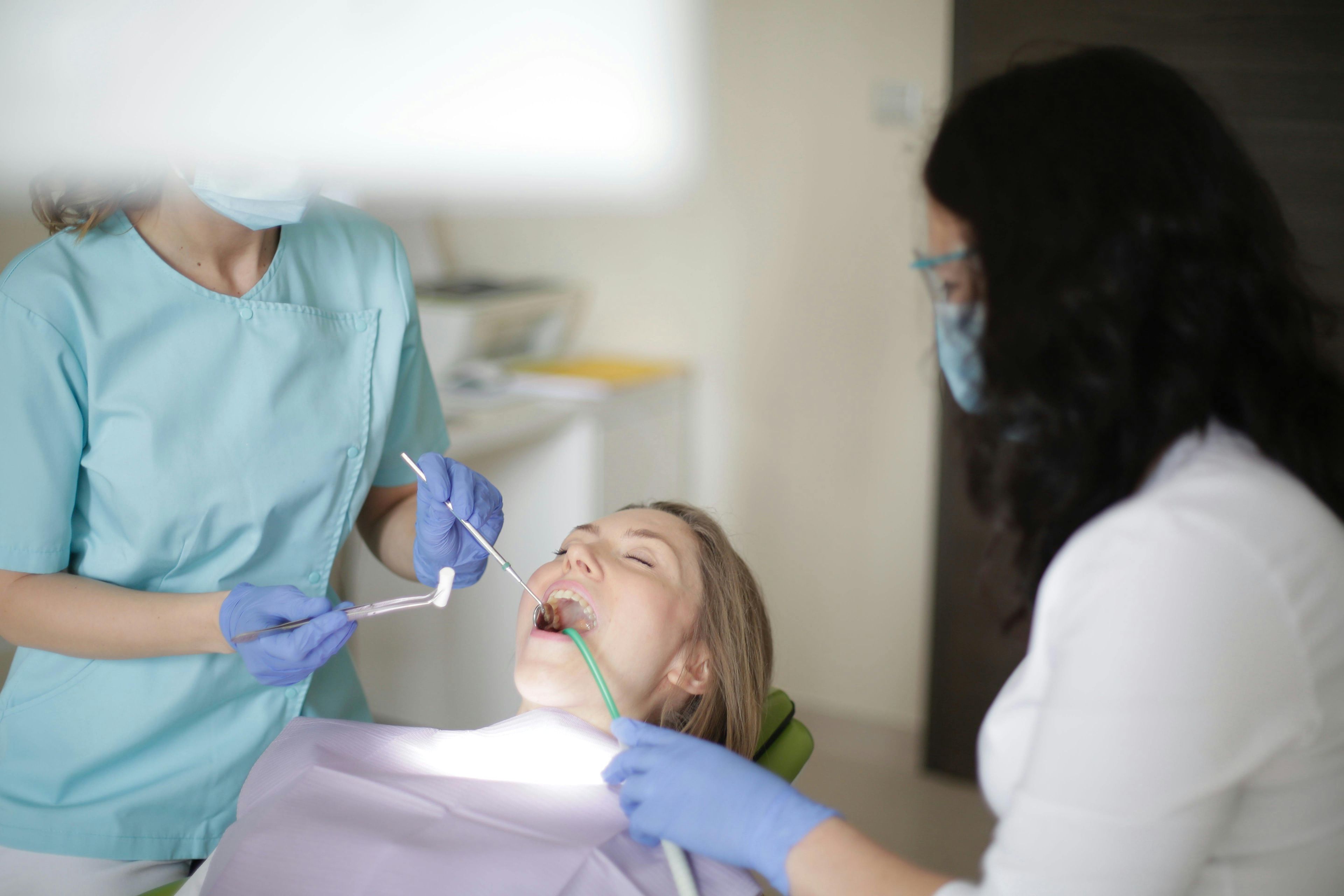
During a professional teeth cleaning (often called a scale and polish), your teeth are not only cleaned but also polished to remove surface stains. This helps bring back their natural whiteness. The polish also removes the pellicle, a thin film of saliva proteins. The pellicle forms a protective layer over your teeth within minutes of brushing, shielding them from abrasion and acids. It also gives bacteria something to feed on and is the starting point for plaque. After polishing, the pellicle rebuilds quickly and goes on protecting your teeth. Between appointments, a gentle daily routine at home helps you keep the result.
Gum care
Healthy gums are a key part of good oral hygiene. Inflamed or receding gums can be an early sign of gum disease, a serious condition that can lead to tooth loss. Cleaning your gums gently but thoroughly, especially along the gum line and between your teeth, is therefore essential.
Tartar removal
Tartar is hardened plaque, and it can only be removed with professional instruments by your dentist or dental hygienist. Having it removed regularly helps to prevent gum disease and gum inflammation.
Your daily oral hygiene routine
Good oral hygiene is about more than brushing your teeth. Cleaning between your teeth with floss or interdental brushes is crucial to remove plaque and food debris from hard-to-reach spaces.
Limit staining drinks
Coffee, tea and red wine are popular, but they can stain your teeth. To limit the build-up of pigments, rinse your mouth with water or use a mouthwash after these drinks. It is a simple habit that keeps your teeth cleaner and reduces staining.
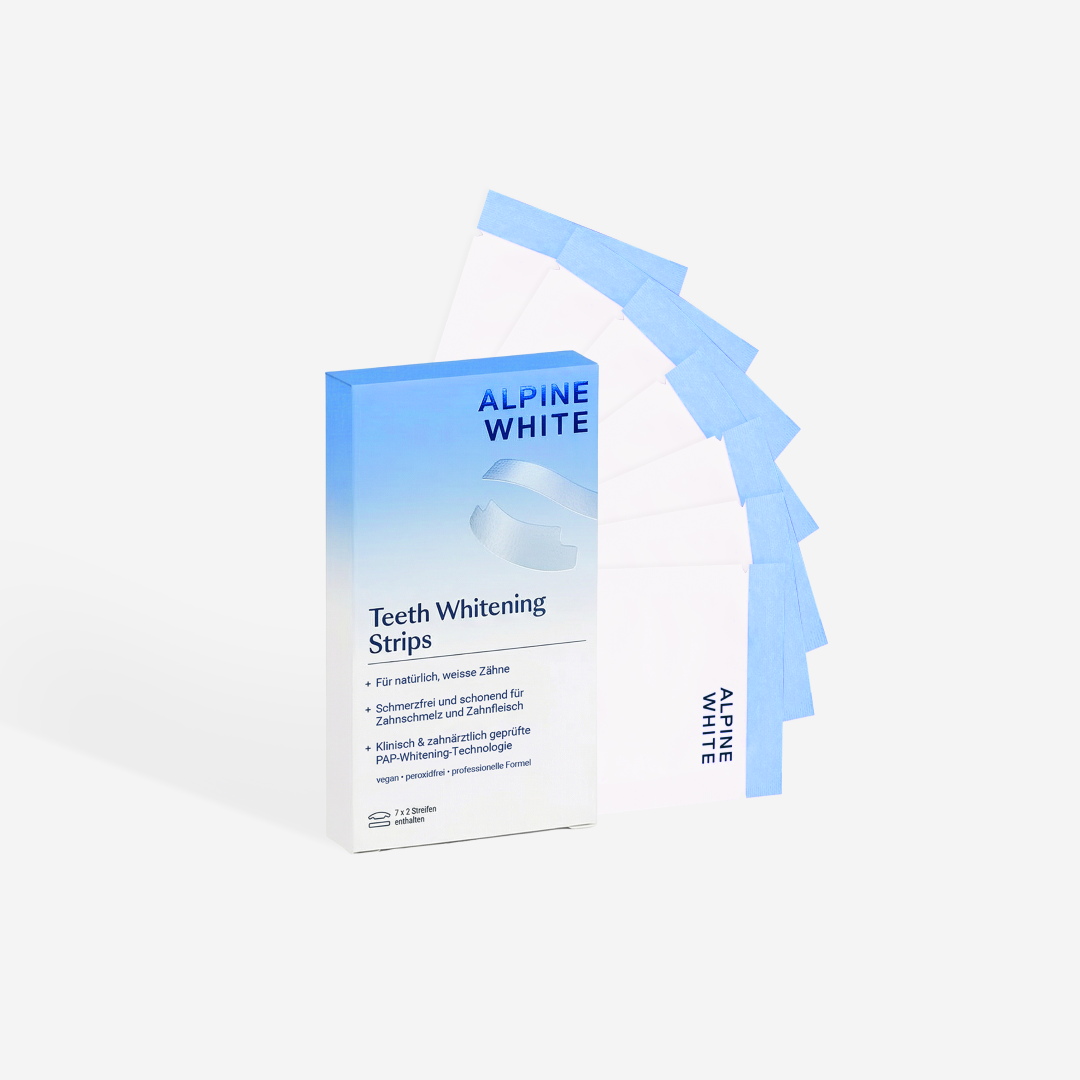
If you would like extra whitening at home, Alpine White whitening strips are a gentle option. They are peroxide-free and use PAP (phthalimido peroxy caproic acid) instead, a method that is kind to your enamel and suits anyone who wants effective whitening without the side effects of peroxide. That way you can brighten your smile and look after your dental health at the same time.
How to get rid of bad breath
Bad breath is often a sign of poor oral hygiene. Brushing regularly, cleaning between your teeth, cleaning your tongue at home and using a mouthwash can all help to keep your breath fresh. If it persists, talk to your dentist.
Crowns, bridges and implants
If you have crowns, bridges or implants, you need a routine adapted to them. Cleaning the restoration and the teeth around it carefully is crucial to prevent inflammation and stubborn deposits.


 Dental Hygiene