Why is professional teeth cleaning important?
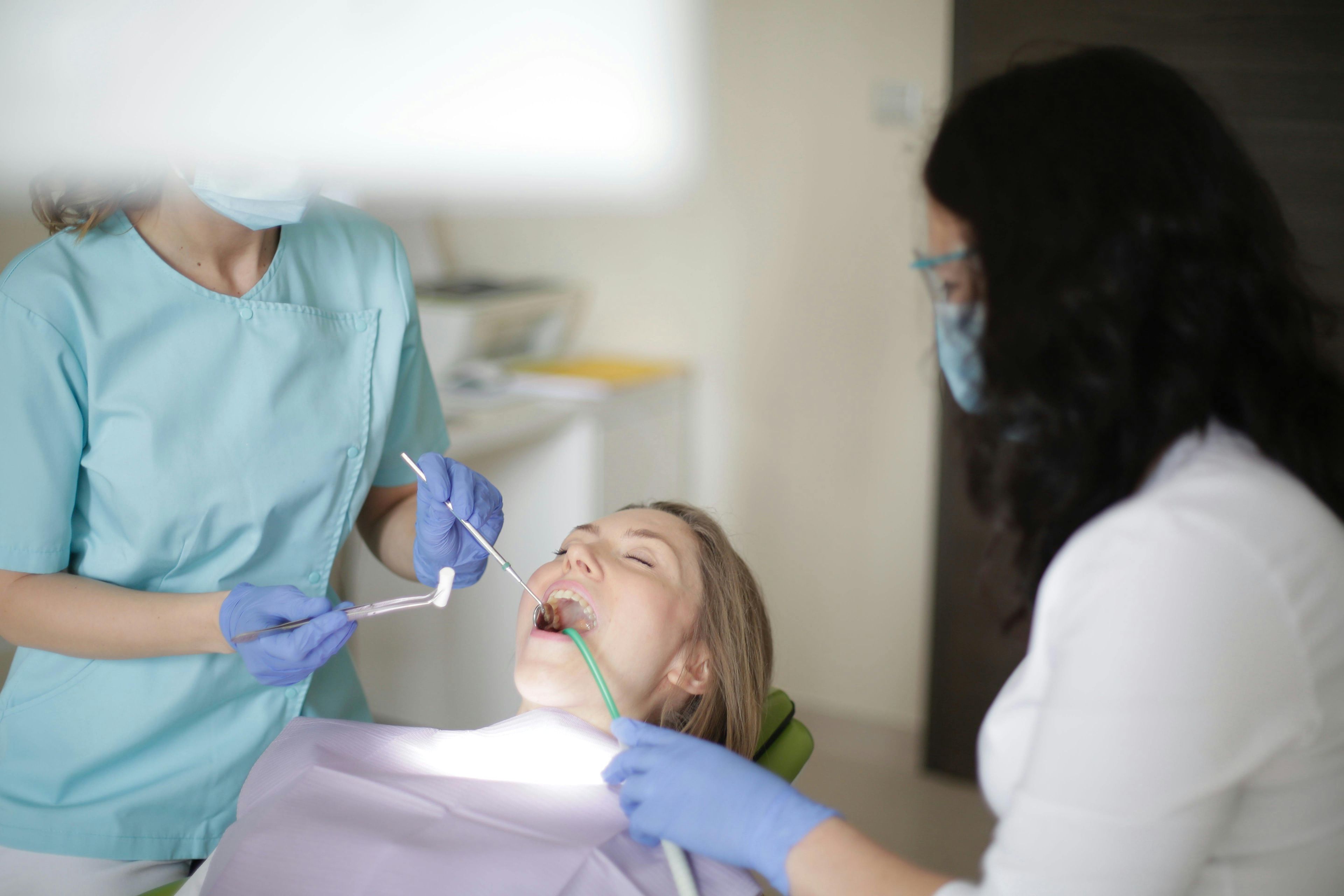
A regular professional clean from a dental hygienist is vital for good oral health for several reasons. First, it removes plaque and tartar that build up on the teeth despite careful daily brushing. These deposits are not only unsightly, they also feed the bacteria behind cavities, gum disease and bad breath.
Second, professional cleaning reaches places a normal toothbrush struggles with, especially the spaces between your teeth and the deeper gum pockets. This greatly lowers the risk of gum inflammation such as gingivitis. The appointment often includes a fluoride treatment, which strengthens enamel and helps protect against new deposits.
Third, removing surface stains left by food, drinks or smoking helps you keep the natural whiteness of your teeth. Last but not least, the visit lets your dental hygienist check the health of your mouth and spot problems early, so they can be treated in good time.
In short, regular professional teeth cleaning is an essential part of good dental hygiene. It keeps your teeth healthy and your smile bright.
How often should you see a dental hygienist?
Individual needs vary, but there is a general rule for most people: professionals usually advise a scale and polish twice a year. This is based on how quickly plaque and tartar typically form, and on the time needed to spot and treat early signs of gum disease or cavities.
Twice a year is a good starting point if your risk of dental problems is average. Regular check-ups at your dentist are still important to get a plan that suits you. Your dental hygienist may recommend more frequent or less frequent cleaning, depending on your dental health and history.
Oral hygiene at home: the foundation of healthy teeth
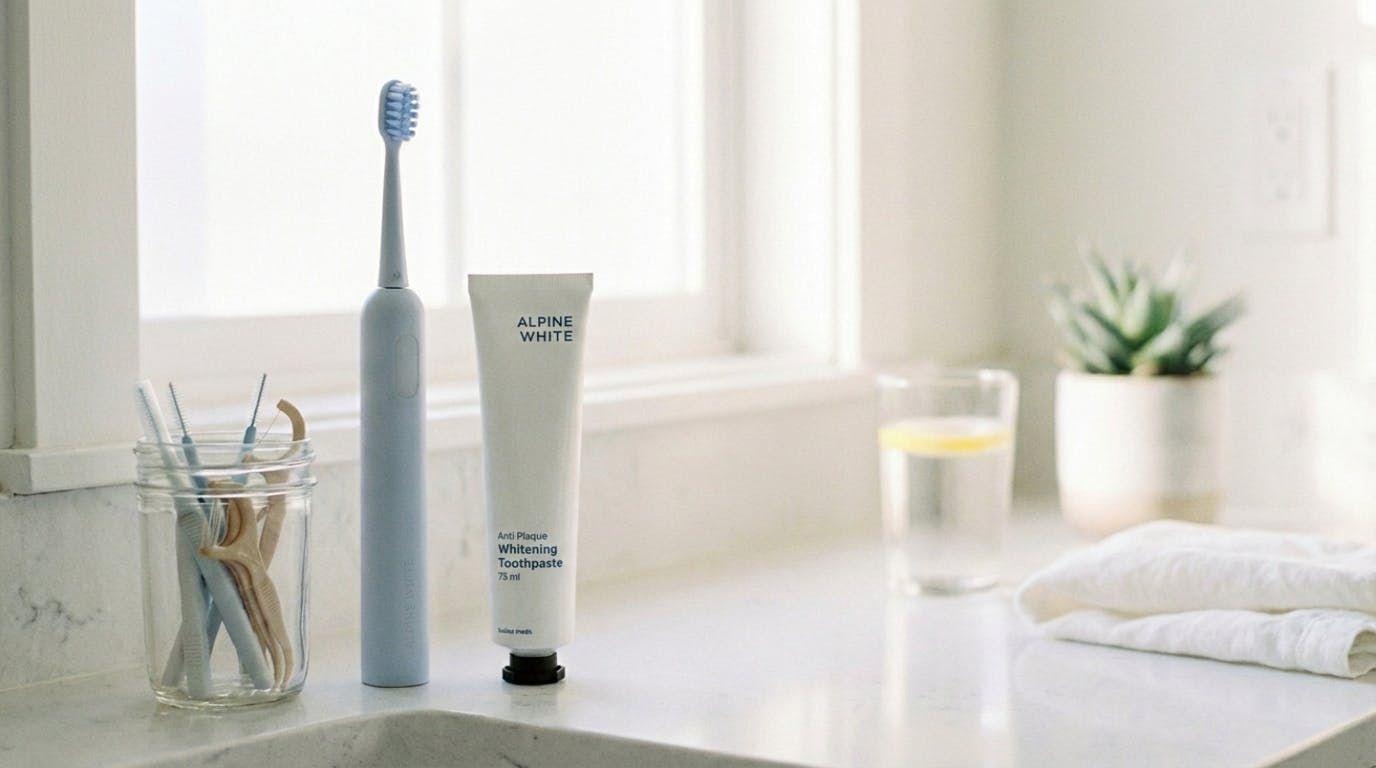
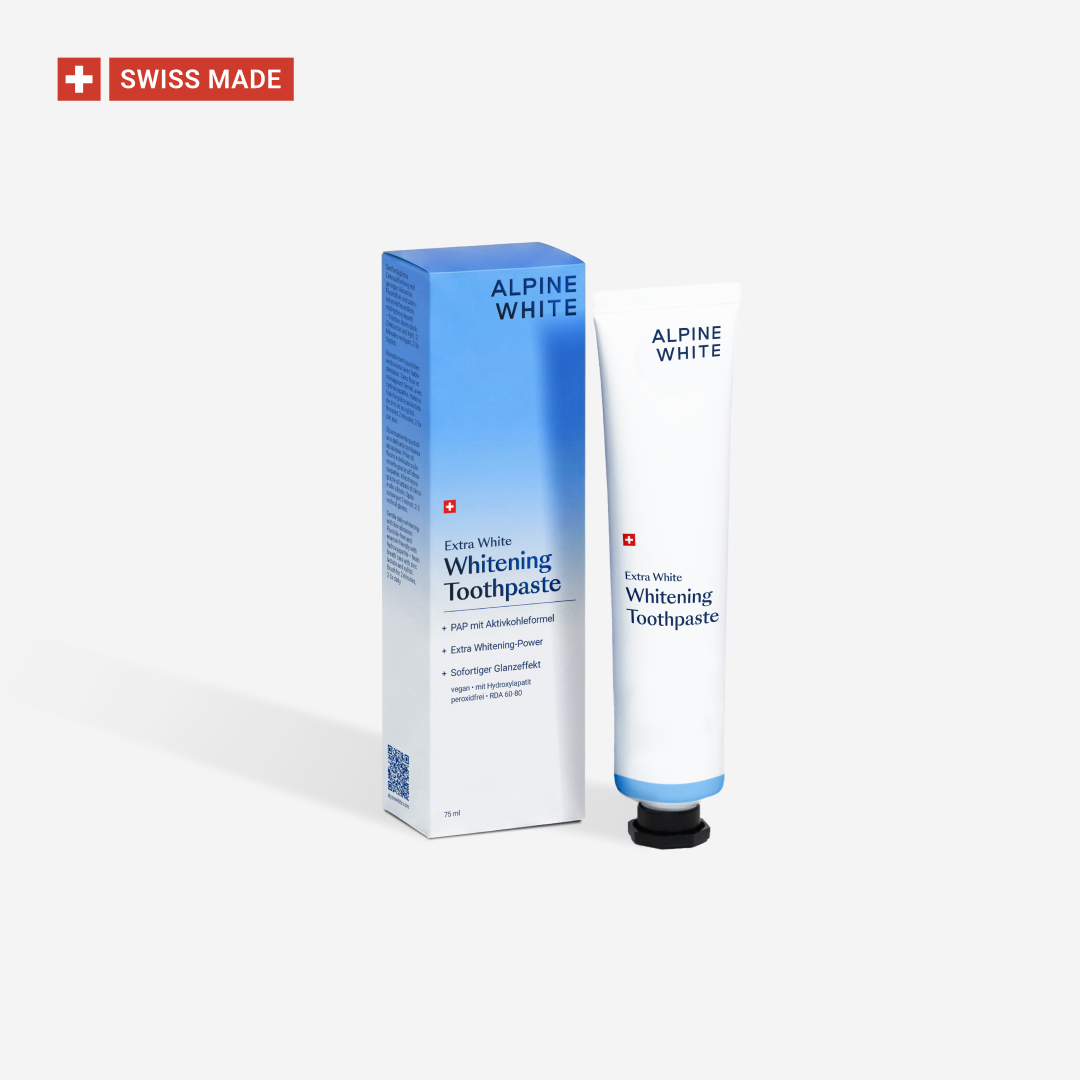
Professional cleaning complements your daily routine but never replaces it. Good care at home is key to the long-term health of your teeth. Brushing twice a day, ideally with a sonic or electric toothbrush and a fluoride toothpaste, removes plaque and helps prevent cavities. Our Alpine White Whitening Toothpaste Extra White is a good everyday choice. Technique matters too: gentle, circular movements protect your enamel and gums.
Using dental floss or interdental brushes is essential for removing plaque and food debris from between your teeth. Many people skip this step, yet it is crucial for preventing cavities and gum disease. A mouthwash can also help clear the mouth of bacteria.
Change your toothbrush or brush head every three to four months so it keeps cleaning effectively and bacteria do not build up. A low-sugar, nutrient-rich diet also supports your oral health. If you notice pain, bleeding gums or persistent bad breath, see your dentist.

 Teeth Whitening