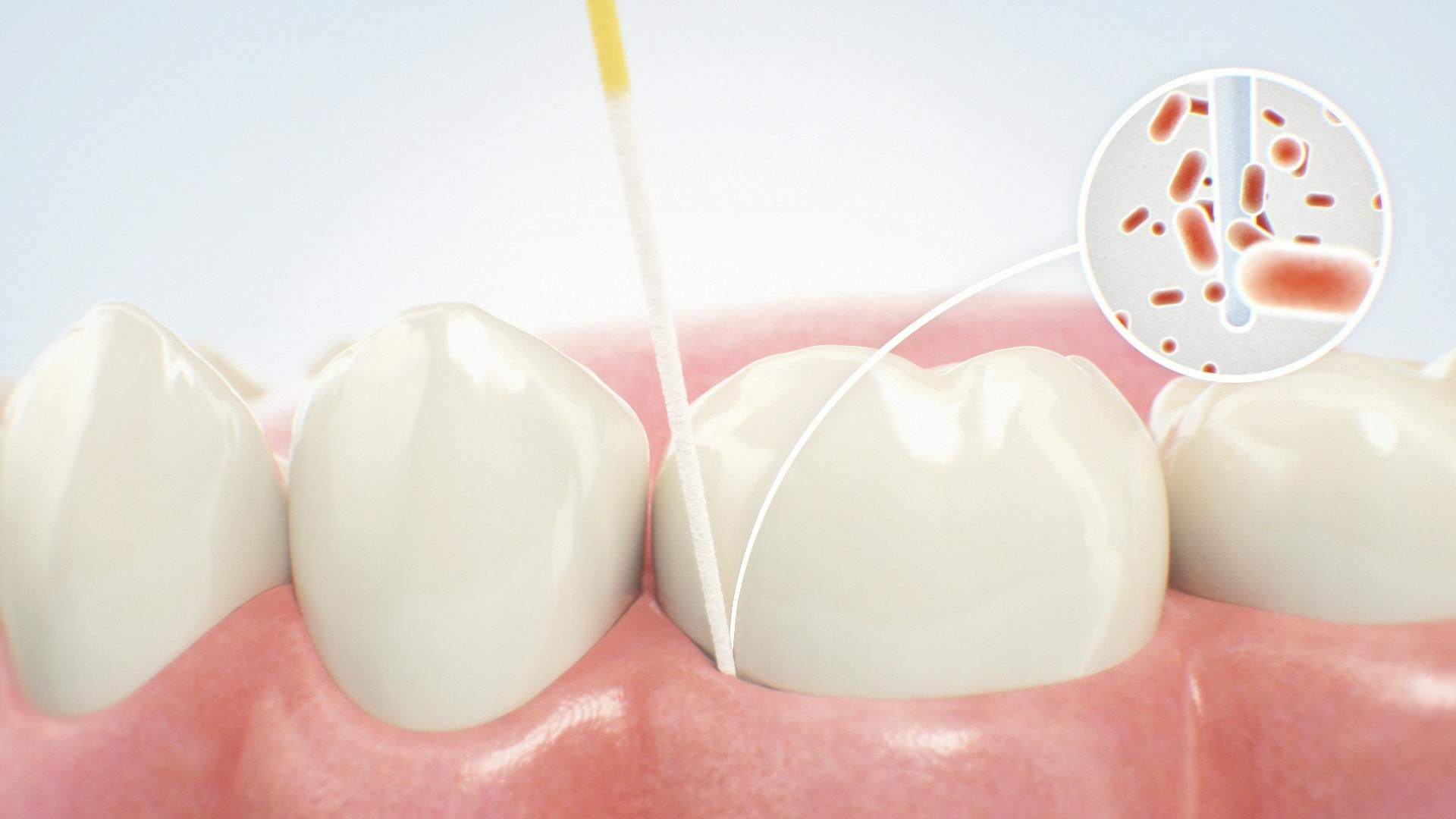
What role do bacteria play in your mouth?
The role of mouth bacteria in oral disease is a fascinating and increasingly important topic. The oral microbiome, the community of microorganisms living in your mouth, plays a key part in keeping your mouth healthy. Like the gut flora in your digestive system, these bacteria help maintain a balance and keep harmful germs in check.
Streptococcus salivarius: friend or enemy?
Among the many types of bacteria in your mouth, Streptococcus salivarius is an important one. It can support oral health by limiting the growth of harmful bacteria and strengthening the oral mucosa. A healthy population of Streptococcus salivarius may therefore help reduce the risk of gum inflammation and bleeding gums.
Streptococcus mutans and how cavities develop
Streptococcus mutans, by contrast, is closely linked to tooth decay. It feeds on sugar and produces acids that attack tooth enamel, which can lead to cavities. Too much Streptococcus mutans in the mouth can significantly raise your risk of cavities.
Other microbes and Candida albicans
Other microorganisms, such as Candida albicans, also affect oral health. An overgrowth of this yeast can cause oral thrush, a fungal infection that is most common in infants, older adults and people with a weakened immune system. Keeping it under control matters for a healthy mouth too.
What happens when your oral microbiome is out of balance?
When the balance of your oral microbiome is disrupted, for example by an unbalanced diet or poor oral hygiene, harmful bacteria can take over and cause problems. Gum inflammation is common and is caused by plaque and bacteria building up along the gum line. Left untreated, simple gingivitis can progress to periodontitis, where the inflammation affects the gums and even the jawbone.
Links with general health
Changes in the oral microbiome have also been associated with conditions elsewhere in the body. Studies have shown that an unhealthy oral flora may increase the risk of diabetes and cardiovascular disease. A balanced mouth flora matters not only for your mouth, but for your overall health.
How do you keep mouth bacteria under control?
Thorough oral hygiene is the foundation. Alongside regular brushing, clean between your teeth with dental floss or interdental brushes. This removes plaque and food debris, which would otherwise feed harmful bacteria and raise the risk of oral disease.
A good brush makes a difference: the Alpine White Sonic Toothbrush and the Whitening Toothpaste Extra White make a gentle, effective daily routine easy to stick to.
Brushing and tongue cleaning
Daily tooth brushing is essential. Brush at least twice a day, ideally in the morning and in the evening. A tongue scraper can also remove tongue coating, which can harbour bacteria and cause bad breath.
Mouth rinses can also help, as they reach areas that are hard to get to with a toothbrush and dental floss. They offer extra protection against cavities and gum inflammation and can help with bad breath caused by bacteria. Use them with care, though, as some products can disturb the natural oral flora.
Probiotics and herbs
Probiotics, such as certain strains of Streptococcus salivarius, may help maintain a balance in the mouth and limit the growth of harmful bacteria. Herbs like sage and chamomile may also have antimicrobial properties that support oral health.
Overall, a complete routine of regular brushing, cleaning between the teeth, mouth rinses and, where suitable, probiotics and herbs is the best way to keep your oral flora healthy and prevent oral disease.
Why is professional teeth cleaning important?
Besides your daily care, regular professional teeth cleaning at your dentist or dental hygienist (often called a scale and polish) is an essential part of oral health. It removes plaque and food debris as well as tartar, which gives harmful bacteria an ideal surface to grow on. It also gives your dentist the chance to examine your whole mouth and spot problems early.
Between appointments, browse the Alpine White oral care range and build the routine that suits you.
Conclusion
A healthy oral flora and good oral hygiene go hand in hand. Neglected hygiene opens the door to cavities, gum disease and bad breath, so stick to your daily routine. Regular brushing, cleaning between your teeth, mouth rinses and professional cleaning all help keep harmful bacteria in check. See your dentist if you notice pain, bleeding gums or persistent bad breath.


 Dental Health