What are mild cavities, and how do they differ from severe ones?
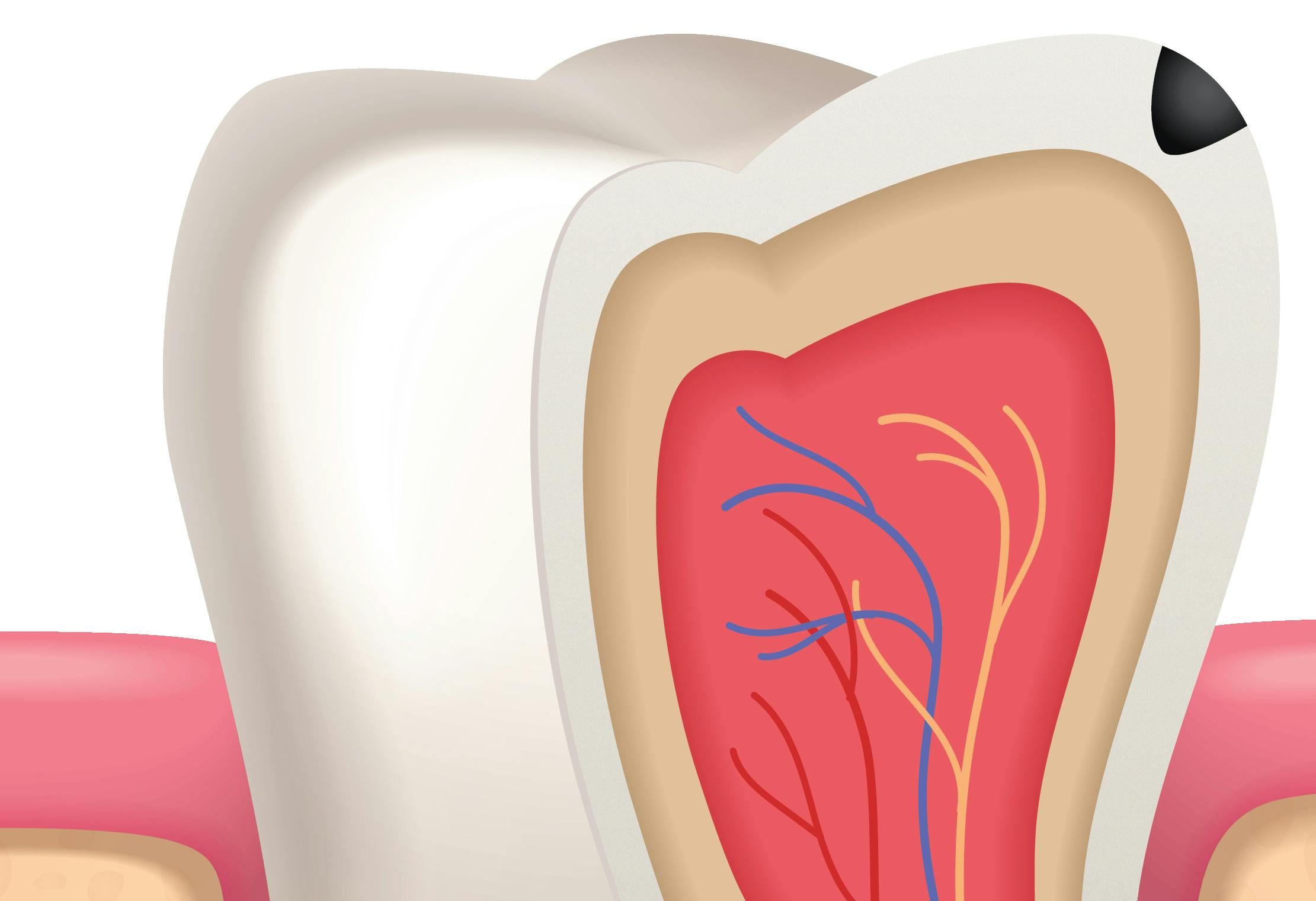
Mild cavities, also called early cavities, incipient caries or enamel lesions, are the first stage of tooth decay. They affect the enamel, the outermost layer of the tooth, which normally protects it. When plaque bacteria produce acids that attack the enamel, it starts to lose minerals. This often shows up as white spots on the teeth and is a clear sign that the enamel is weakened.
It is important to spot and treat mild cavities early, before they do more damage. At first they stay on the tooth surface. In a more advanced stage, however, they can reach the dentin underneath. This is the step towards a severe cavity, which affects not only the enamel but also the dentin and possibly the pulp. Left untreated, decay can go deeper and cause serious problems such as tooth loss or an inflamed pulp that needs root canal treatment. It can also put neighbouring teeth at risk. Note that there is no household remedy that replaces a dental check.
Severe cavities usually need more extensive treatment, such as a filling, a root canal treatment, an implant or a dental prosthesis. Dentists use materials such as amalgam or modern composite to restore the tooth and keep it working. Techniques such as cavity infiltration can also be used to stop decay on chewing surfaces and prevent further damage.
The earlier your dentist finds a cavity, the more gentle the options. A prompt check-up helps to treat the affected area and stop the decay from progressing.
What causes cavities?
Cavities usually result from a combination of factors, including:
- Poor oral hygiene: Inadequate brushing, no flossing and skipping interdental brushes let plaque build up on the teeth and attack the enamel. This gives cavity-causing bacteria the chance to thrive.
- Sugary and acidic food and drink: Sugar feeds the bacteria in your mouth, which then produce acids. Acidic food and drink adds to this. These acids can attack the enamel and eventually lead to cavities.
- Weak enamel: Some people naturally have weaker tooth enamel, which makes them more prone to cavities. Plaque can then attack the enamel more easily, which raises the risk of decay.
- Too little fluoride: Fluoride helps to remineralise enamel and protect it against decay. Getting too little of it can raise your risk of cavities.
What are the symptoms of an early cavity?
The signs of a mild cavity vary from person to person, but typical ones are:
- White or creamy spots on the teeth
- Sensitive teeth when you have hot, cold or sweet food and drink
- Mild toothache or discomfort when chewing
How does a dentist treat mild cavities?
With mild tooth decay, drilling and fillings are not always necessary. At this stage your dentist can often use gentle, minimally invasive options that aim to remineralise the enamel and strengthen the affected tooth without removing healthy tooth structure. You can read more about cavity repair without drilling in our guide.
The aim is to halt the decay before it goes deeper and to protect your natural tooth in the long term. Which option suits you depends on how far the decay has progressed, so only a dentist can decide. Treating a cavity early often means you can avoid a filling or a root canal treatment later.
How can you keep your teeth healthy and cavity-free?
A bright smile starts with a good care routine. These habits help to keep your teeth healthy and protect your dental health:
- Use a fluoride toothpaste: Fluoride strengthens enamel and protects against cavities. Brush thoroughly at least twice a day, and take extra care after sugary or acidic food and drink. Removing food debris, plaque and surface stains keeps your teeth clean and white and helps against bad breath. Our Alpine White Whitening Toothpaste Extra White supports your daily brushing routine.
- Book regular professional cleans: A scale and polish with your dental hygienist, plus regular check-ups, removes stubborn plaque and tartar and helps to prevent gum disease. It also supports healthy gums and teeth.
- Watch for warning signs: Tender gums, discolouration or pain around a tooth are reasons to see your dentist promptly.
- Consider a mouthwash: It can give extra protection alongside brushing and cleaning between your teeth.
Follow these tips and your teeth have the best chance of staying healthy.
Conclusion
Mild cavities should not be underestimated. Early detection and the right treatment are the best way to avoid bigger problems later. With regular oral hygiene, a balanced diet and regular check-ups, you can protect your teeth. If you notice signs of a cavity, make an appointment with your dentist to prevent further damage. Your smile is worth protecting.


 Dental Health