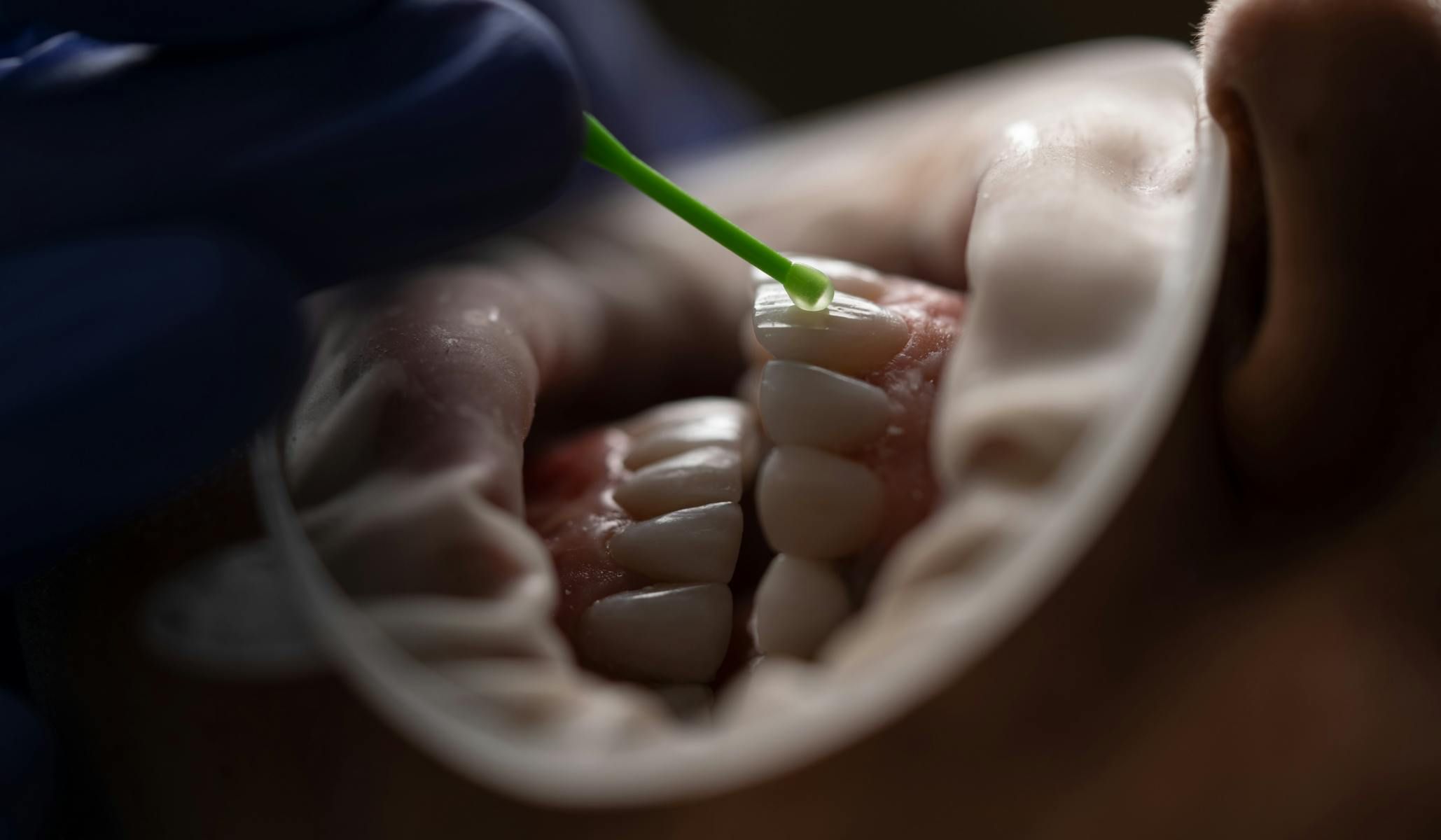
What is a dental crown?
A natural tooth crown is the visible part of the tooth above the gum line. It is covered in enamel, the hard layer that protects the tooth. If this part is damaged by tooth decay, an accident or other dental problems, your dentist may recommend an artificial dental crown that caps the tooth.
Crowns also anchor the replacement tooth in the case of a dental implant or a denture.
A dental laboratory makes the crown from impressions of the tooth being treated. It is then fitted over the tooth and fixed with dental adhesive or cement. A crown restores both function and appearance, giving the tooth protection, stability and a natural look.
What is the difference between a crown and a bridge?
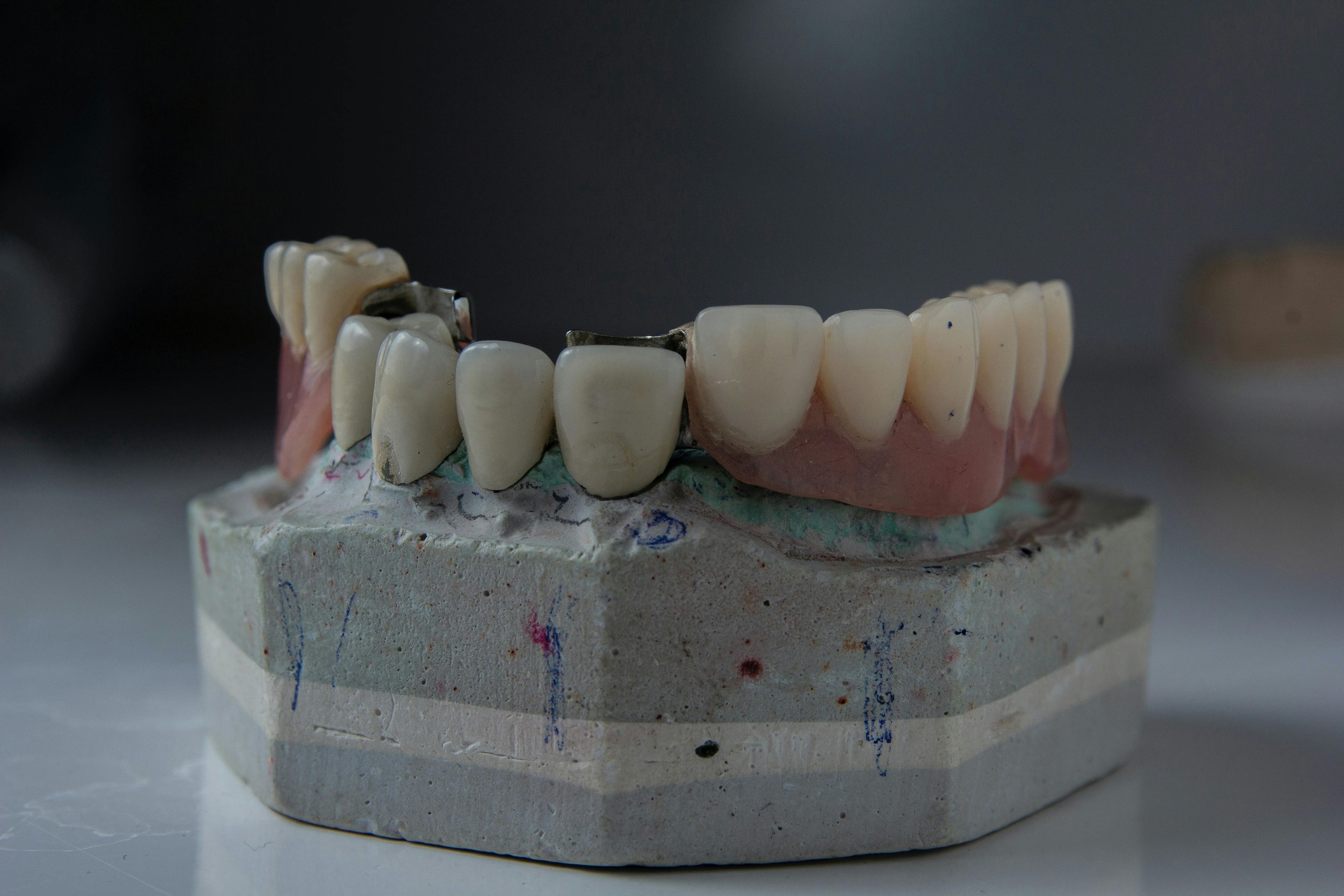
The main difference is how they are used. A crown covers the entire visible part of a single tooth. A bridge uses two or more crowns to span the gap left by missing teeth. In terms of materials, a bridge can only be made from porcelain-fused-to-metal (PFM), while crowns come in a variety of materials, including metal alloys, composite resin and ceramic.
Types of dental crowns
There are several types of dental crown, and the right one depends on your needs. Here is a closer look at each.
What are inlays and onlays?
An inlay is a restoration used to treat cavities or larger defects in the chewing surfaces of the molars. It is an indirect restoration, which means it is made outside the mouth and then fitted into the tooth. Inlays are usually made of ceramic, gold or tooth-coloured composite resin and offer a good fit and durability.
An onlay is similar, but it covers more than the chewing surface and extends over the cusps of the tooth. It is used to repair larger areas of damage. Onlays are also made outside the mouth and then fitted to the tooth.
What is the difference between a full crown and a partial crown?
The difference lies in how much of the natural tooth is prepared for the crown.
Full crown
A full crown covers the entire visible part of the tooth. The tooth is reduced to a conical shape to make room for the crown, which then encases it completely. Full crowns are used when a tooth is badly damaged, heavily worn or weakened by root canal treatment. They are stable and long-lasting.
Partial crown
A partial crown covers only part of the tooth, so less preparation is needed. Only the damaged or weak area is removed and healthy tooth structure is kept. This protects the affected area while preserving as much natural tooth as possible. Partial crowns are often used when a defect is too large to be treated with a filling or inlay alone.
The choice between the two depends on the condition of the tooth, the extent of the damage and your aesthetic goals.
Metal-ceramic crown
A metal-ceramic crown is made of a metal alloy covered with a ceramic veneer. It combines the strength and durability of metal with the natural look of ceramic. The metal framework provides strength, while the ceramic layer gives a natural tooth colour. These crowns are very strong and long-lasting, and are often used on back teeth, where stability matters most.
All-ceramic crown
An all-ceramic crown is made entirely of ceramic, without a metal framework. Its translucency is very close to natural enamel, which makes it a popular choice for front teeth, where appearance plays an important role. It can also be a good option when the gums are receding. For heavily discoloured teeth, it can cover the staining.
Veneered crown
A veneered crown has a metal framework covered with a tooth-coloured ceramic veneer. It is often chosen for aesthetic reasons and offers a good balance between strength and appearance. You will often see it on visible teeth such as the incisors.
Full-cast (gold) crown
Full-cast crowns are made of gold or other precious metal alloys, which is why they are also called gold crowns. They are very strong and durable, which makes them ideal for molars and premolars that bear heavy chewing forces. They are not the most attractive option, but their fit and function are excellent.
Which materials are dental crowns made of?
Crowns are made from a range of materials, each with different benefits.
- Porcelain: a natural-looking restoration that blends in with the colour and texture of the surrounding teeth.
- Metal alloys: crowns made of gold, silver or palladium are extremely durable and resistant to wear.
- Composite resin: the most flexible in terms of shape, so the dental technician can adapt the restoration to your individual needs.
Whichever material is chosen, a crown has to be made with precision to give the best possible result.
How is a dental crown fitted?
The procedure is called crowning. At the dental practice, the crown is placed over the entire visible part of the tooth.
First, your dentist removes a small amount of enamel to make room for the crown and shapes the tooth to the ideal size and form. An impression of the prepared tooth is taken so the custom crown can be made in the dental laboratory. Until the permanent crown is ready, a temporary crown, usually made of plastic, protects the tooth.
Once the custom crown is ready, it is cemented or bonded to the prepared tooth with a special adhesive. It is then adjusted so it does not interfere with your bite when chewing.


 Nutrition & Lifestyle