What are the typical dental injuries in sport?
Sports accidents can damage your teeth in several ways. Injuries range from cracks in the tooth crown and fractured roots to teeth pushed into the jaw, lost teeth and completely knocked-out front teeth. The gums can be cut, and the upper jaw can be injured too. The incisors are hit most often. They sit at the very front of the mouth, so they usually take the impact directly.
In professional sport, a dental injury can even end a career. Amateurs are not spared either. A damaged tooth can mean high costs for implants or other dental treatment, and the pain and change in appearance can seriously affect your quality of life.
Which sports put your teeth most at risk?
The risk of a dental injury differs from sport to sport. Contact sports such as rugby, American football, ice hockey and handball carry a particularly high risk, because collisions and direct blows are part of the game. Players in these sports regularly face rough physical contact, and hits to the head and mouth are common. It is no surprise that these sports, played professionally or for leisure, record many dental injuries.
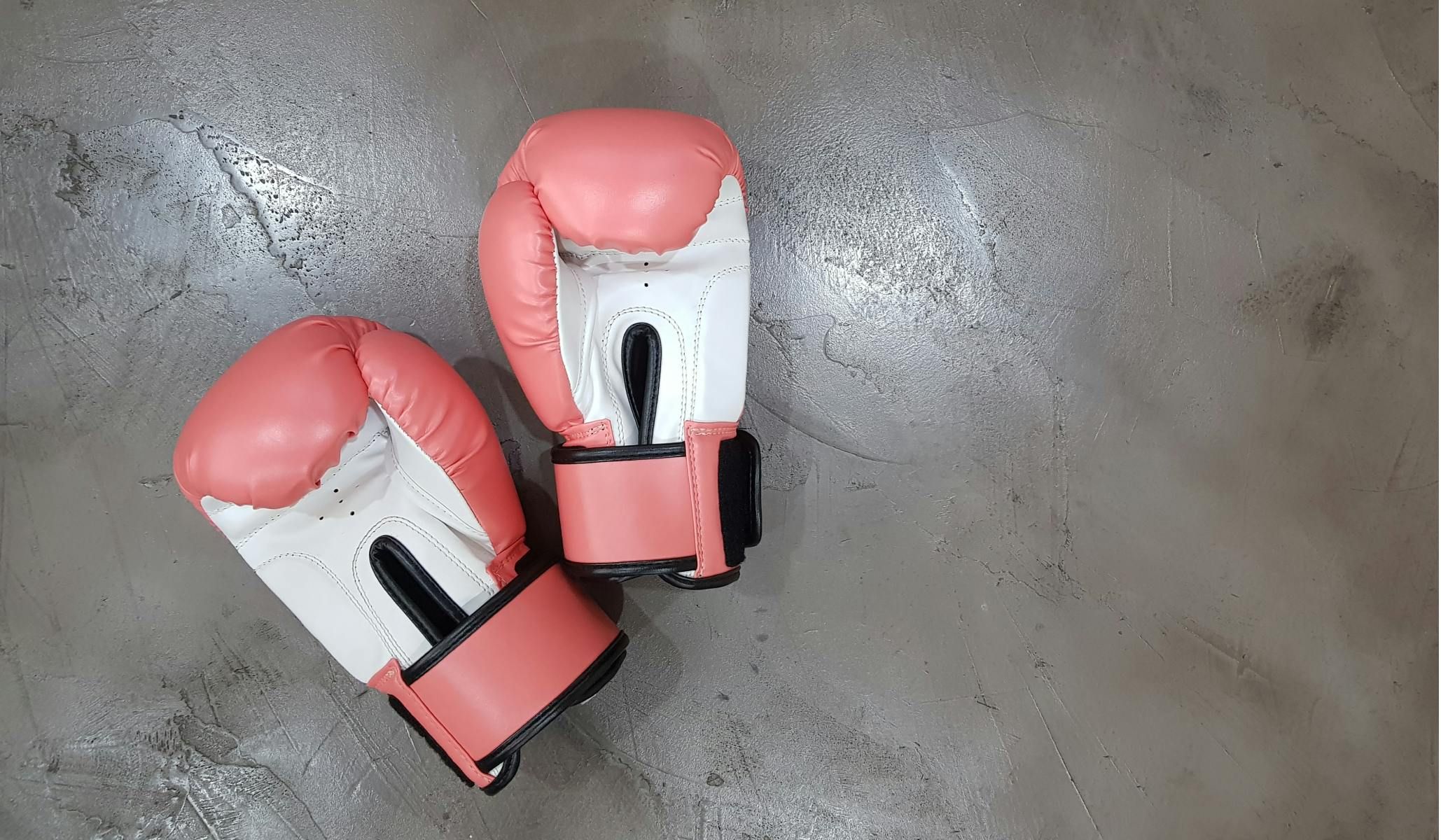
Martial arts such as karate, boxing and mixed martial arts are also high-risk disciplines. The face is often the main target, and a well-placed punch can cause serious damage to the mouth.
Direct contact is not the only danger. Inline skating, skateboarding and mountain biking also carry a high risk of injury. Falls and collisions can lead to serious facial and dental injuries, especially without suitable protection.
Even sports seen as safer, such as swimming or running, have their own hazards. Slipping on a wet pool deck or colliding with another runner can also cause a dental injury. Whatever you play, it pays to know the risks and take sensible precautions.
How does a mouthguard protect your teeth?
The good news is that there is a simple and effective way to lower your risk of dental injuries in sport: a mouthguard. This small device fits over your teeth and gives strong protection, which can greatly reduce the chance of injuries such as chipped, fractured or lost teeth.
Mouthguards come in different types. Basic models are sold in sports shops and can be moulded to your teeth at home. They offer some basic protection, but they are often uncomfortable and can affect your breathing and speech.
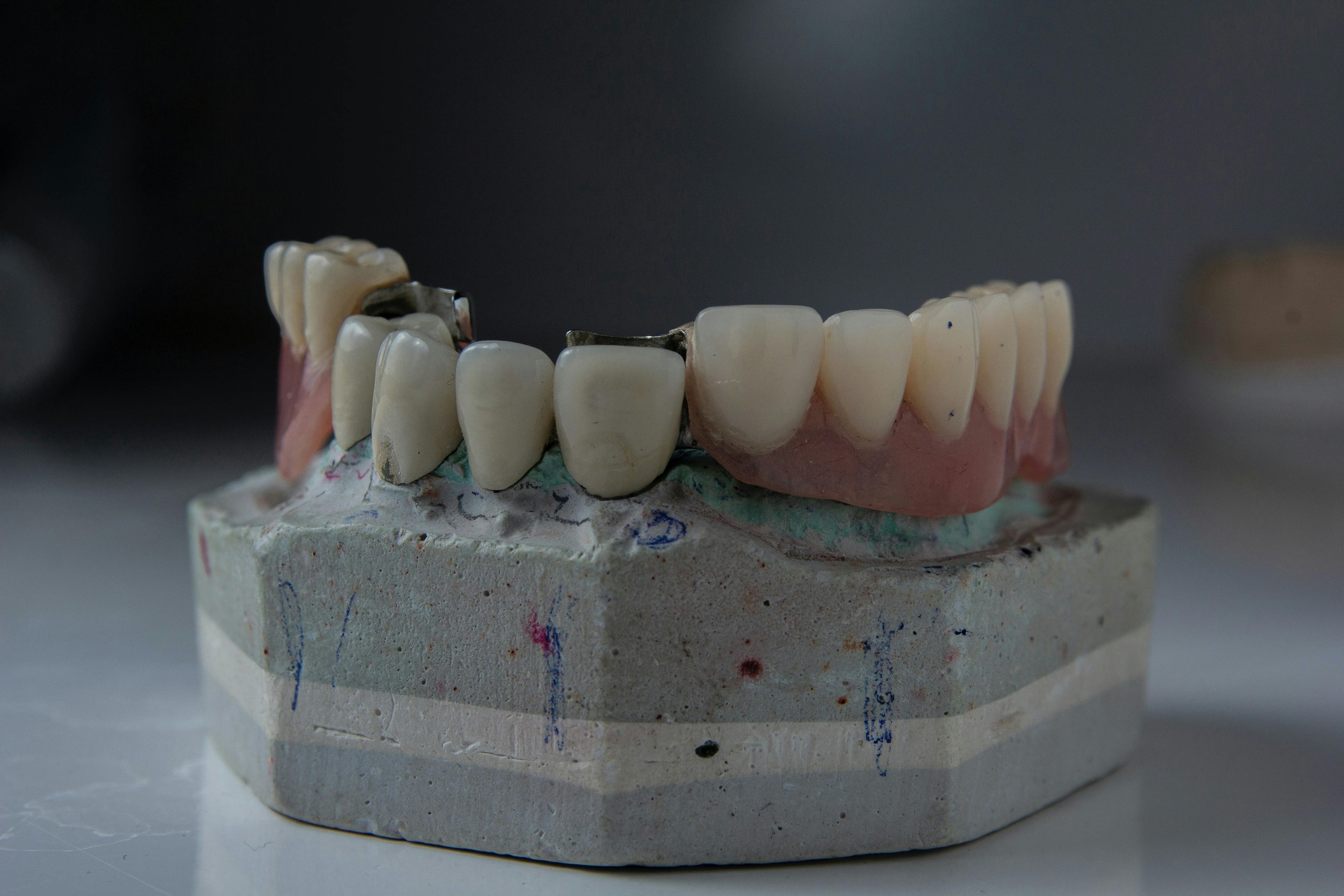
A custom-made mouthguard from your dentist offers the highest level of protection. It is fitted exactly to your teeth, so it is comfortable to wear and does not get in the way of breathing or speaking. It also usually lasts longer than a standard model. Custom guards cost more, but given the possible cost and suffering of a dental injury, the investment is well justified.
What should you do if a tooth is knocked out?
Even with every precaution, an accident can still happen. Then fast, correct action is crucial, and a tooth rescue box is an invaluable helper.
A tooth rescue box is a first aid kit for knocked-out teeth. It contains a special nutrient solution in which the tooth can be kept until your dentist reinserts it. The solution keeps the cells on the root surface alive, so the dentist can successfully replant the tooth later.
Touch a knocked-out tooth only by the crown, never by the root, so you do not damage the delicate cells on the root surface. If you do not have a tooth rescue box to hand, you can keep the tooth in UHT milk or physiological saline solution until you can get to a dentist.

 Dental Health