What happens during professional teeth cleaning?
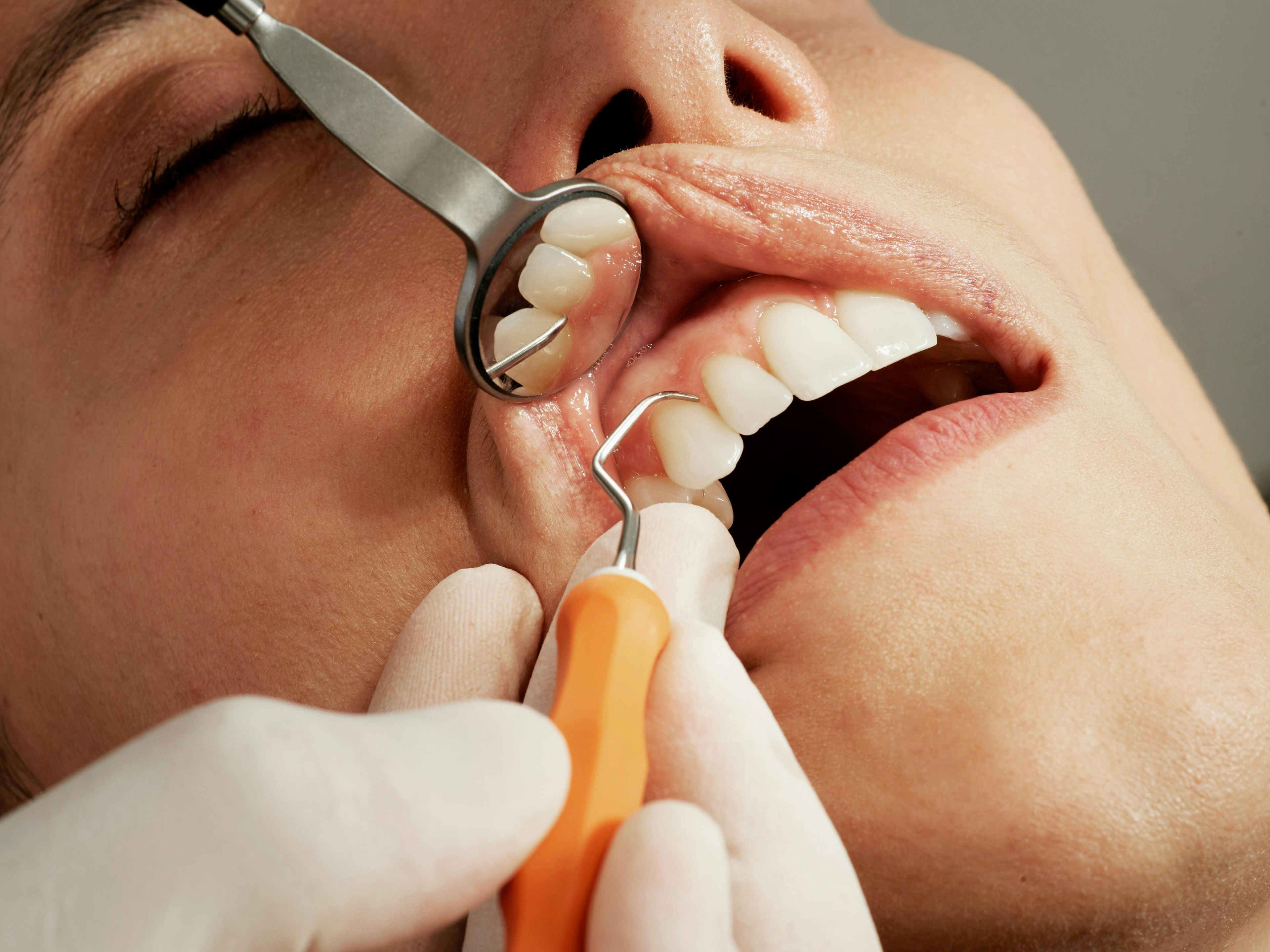
During a professional teeth cleaning, your dentist or dental hygienist removes plaque and tartar from your teeth and along the gum line. If these deposits are not removed regularly, they can lead to gum inflammation, cavities and periodontitis. The clean also focuses on the spaces between your teeth and the necks of the teeth, areas that are often missed when brushing.
Once the hard deposits are gone, your teeth are polished. This step removes surface stains and smooths the tooth surface, which makes it harder for new plaque to stick. Polishing also gives extra protection against future staining.
Careful plaque removal followed by polishing keeps your teeth healthy and your smile bright. It is a solid foundation for long-term oral hygiene and helps prevent tooth and gum disease.
Does a dental cleaning hurt?
Many people worry about pain at the dental hygienist. The answer depends on how sensitive your teeth are and how healthy your gums are. Modern practices use advanced techniques and instruments to make a scale and polish as comfortable as possible.
Two key tools are AIRFLOW devices and ultrasonic scalers, designed for gentle and effective tartar removal. They put less pressure on your teeth and gums, which significantly reduces the risk of discomfort.
Sensitive areas such as exposed tooth necks and gum pockets are treated with extra care, because exposed tooth necks are often particularly sensitive. Fluoride treatments and special polishing pastes also help protect the tooth surface and strengthen the enamel, which makes the visit more pleasant.
If you feel nervous or your teeth are very sensitive, tell your dental hygienist before you start. They can adjust their technique and take breaks whenever you need.
Preventing gum disease and periodontitis
Regular professional cleans are crucial for preventing gingivitis and periodontitis. Removing plaque and tartar significantly lowers the risk of these conditions. The gums are also gently massaged during the clean, which promotes blood circulation and supports gum health.
Professional cleaning is also an important step in maintaining your overall dental health. It helps prevent problems such as bad breath, and it can help avoid toothache caused by cavities or hidden dental problems. It removes stubborn plaque and tartar that can build up even with a good routine at home, and it gives your dental team the chance to spot early warning signs and act before they turn into serious toothache or other complications.
How to look after your teeth at home
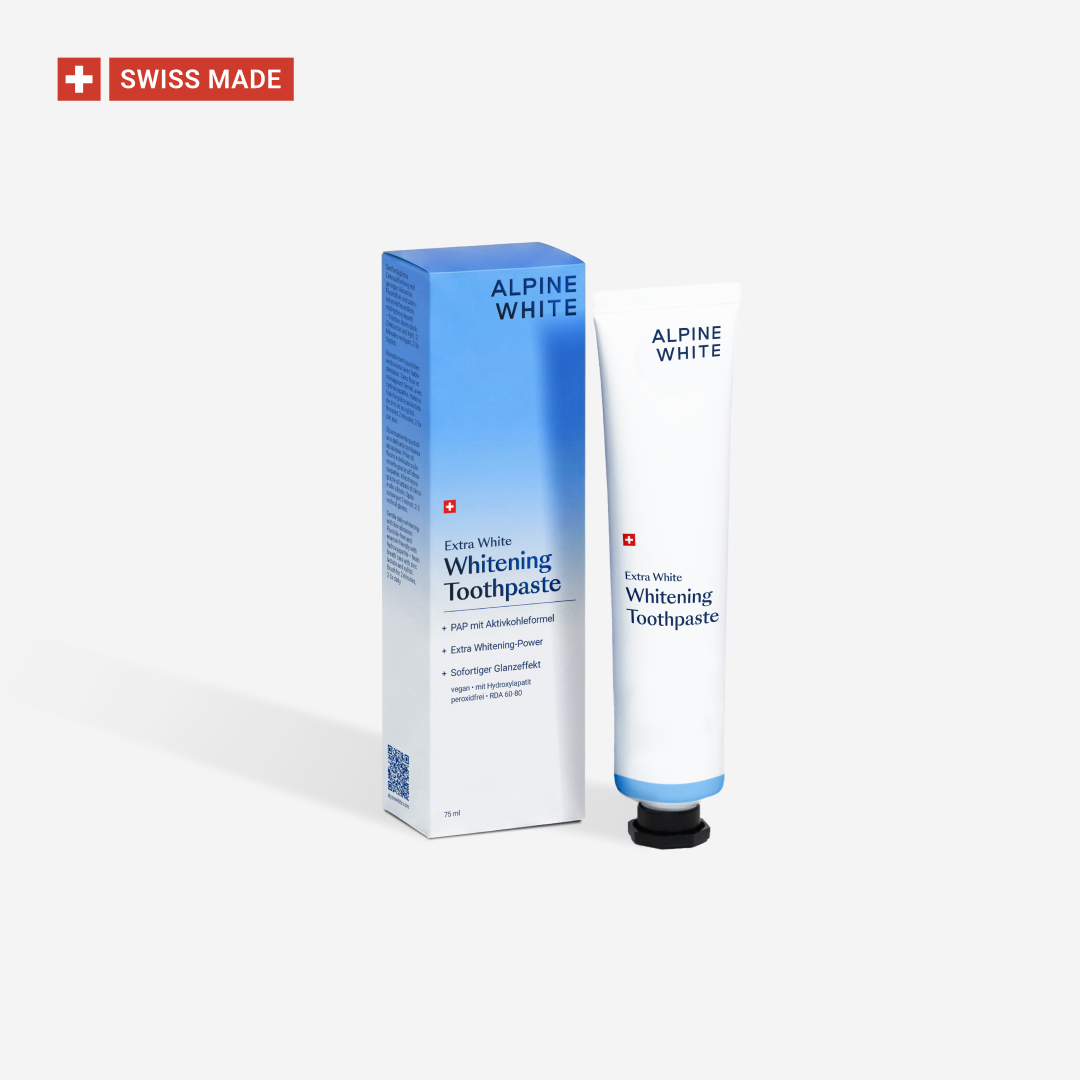
Good care at home matters just as much as regular professional cleans. For daily brushing, use a high-quality toothpaste containing fluoride. Our Alpine White Whitening Toothpaste Extra White is a good fit: it helps protect against plaque, reduces stains and gently whitens your teeth. Add dental floss and mouthwash to remove the soft plaque that builds up during the day. If your teeth are sensitive, the right brushing technique and gentle, well-suited products make all the difference.

 Dental Health