Back to overview
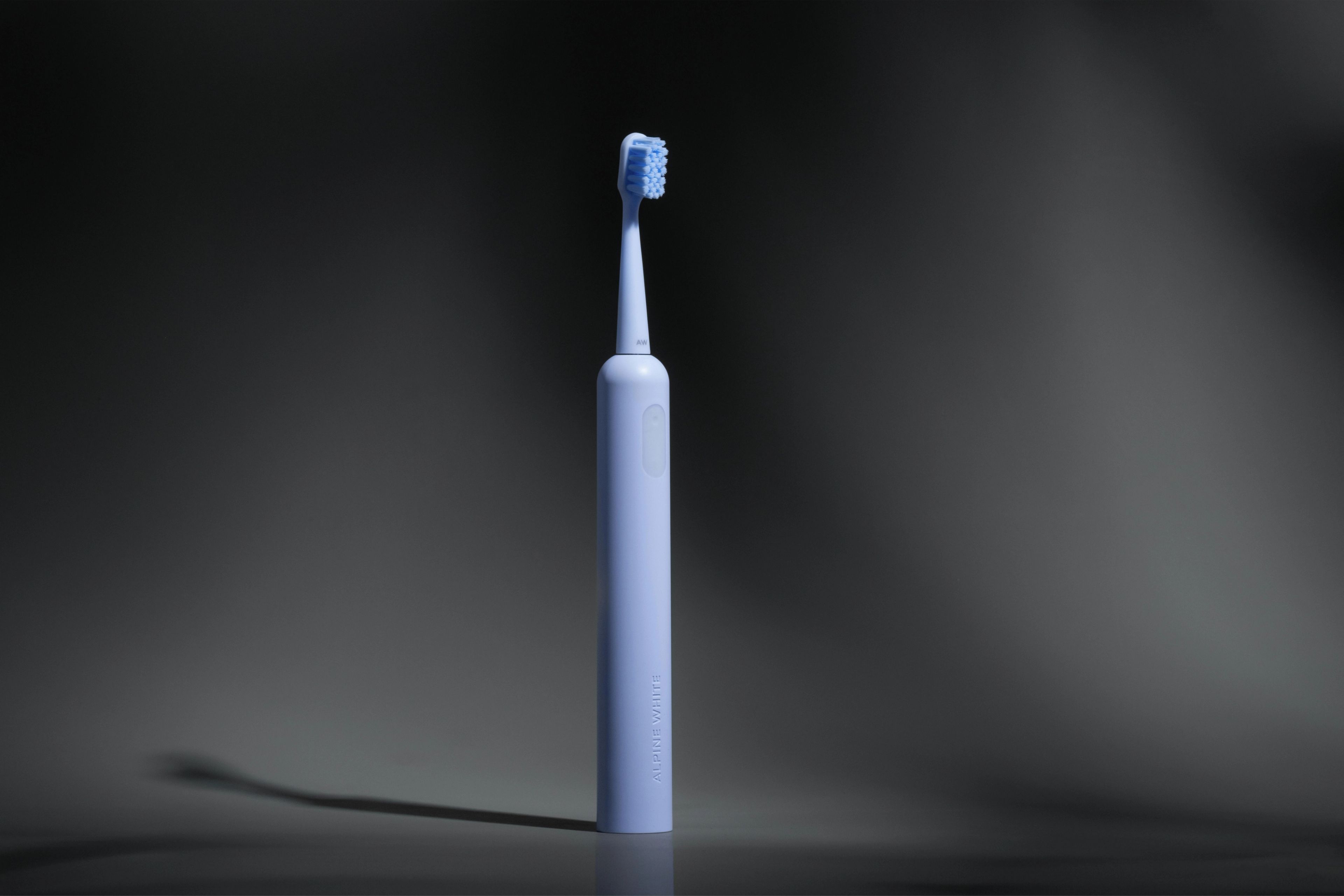
Light blue toothbrush against a dark background

How Often Should You Change Your Toothbrush?

Oral Care18 Nov 20248 min read

Brushing your teeth is part of your daily routine and crucial for your dental health and oral hygiene. A question that often comes up is: how often should you actually change your toothbrush? The answer matters, because an old or worn toothbrush loses its effectiveness and can even harm your dental health.


Andrea Seraina

Andrea Seraina

Dental Content Specialist

Why is changing your toothbrush so important?

Over time, the bristles of every toothbrush wear out, whether it is a classic manual toothbrush or an electric toothbrush. With daily use, the bristles lose their firmness and start to bend, which means they can no longer remove plaque as effectively. Food debris and plaque can then build up, especially in hard-to-reach places such as the interdental spaces. These areas often remain insufficiently cleaned when the bristles are worn and no longer keep their original shape.

A worn brush head is less effective and can increase the risk of dental health problems. Without the cleaning power of an intact toothbrush, bacteria have a better chance of settling on the teeth and along the gum line. This can lead to plaque and, in the worst case, caries and gum inflammation. Without treatment, gum inflammation, also known as gingivitis, can progress to periodontitis, a more serious inflammation of the tissues supporting the teeth that can cause bone loss around the teeth.

To maintain dental health, dental experts recommend replacing the toothbrush head regularly. For a manual toothbrush, this means replacing the whole brush. Users of an electric toothbrush, on the other hand, should change the brush head regularly, as the handle can often be reused. A fresh brush head helps keep cleaning the teeth thoroughly and efficiently while protecting against dental disease.

How often should you change your toothbrush?

The rule of thumb is to replace your toothbrush or brush head every three to four months. This applies to all types, from the classic manual toothbrush to the sonic toothbrush and the electric toothbrush. Studies have shown that after about three months the bristles lose cleaning power and bend, which reduces their effectiveness.

There are also situations that call for an even more frequent change, for example:

  • After a cold or an illness: Bacteria and viruses can survive on the toothbrush and affect your health.
  • If the bristles are badly bent: If the bristles bend after a short time, this may be due to brushing too hard, or your toothbrush may be particularly delicate and should be replaced sooner.
  • With sensitive gums or gum inflammation: A soft toothbrush is gentle on the gums but may need changing more often, as soft bristles wear out faster.

Electric toothbrush

With an electric toothbrush, it is particularly important to replace the brush head regularly to ensure optimal dental hygiene. As the bristles lose cleaning power over time and can bend, it is advisable to fit a new brush head every three months. A fresh brush head removes plaque more thoroughly and protects against problems such as periodontitis. Modern electric toothbrushes often remind you to change the brush head by analysing usage data, but without storing any personal data. This makes for a simple, efficient dental hygiene routine and helps promote the health of teeth and gums over the long term.

Using and caring for your toothbrush properly

The right brushing technique and careful handling of your toothbrush are crucial for good dental care and oral health. Here are some tips:

  • Rinse under running water: Rinse your toothbrush thoroughly after each use to remove food debris and toothpaste residue.
  • Let it air-dry: Store your toothbrush upright in a toothbrush holder and let it dry in the air.
  • Protection against bacteria: Do not cover toothbrushes, to avoid bacterial growth. In damp conditions in particular, microorganisms can settle on the toothbrush.
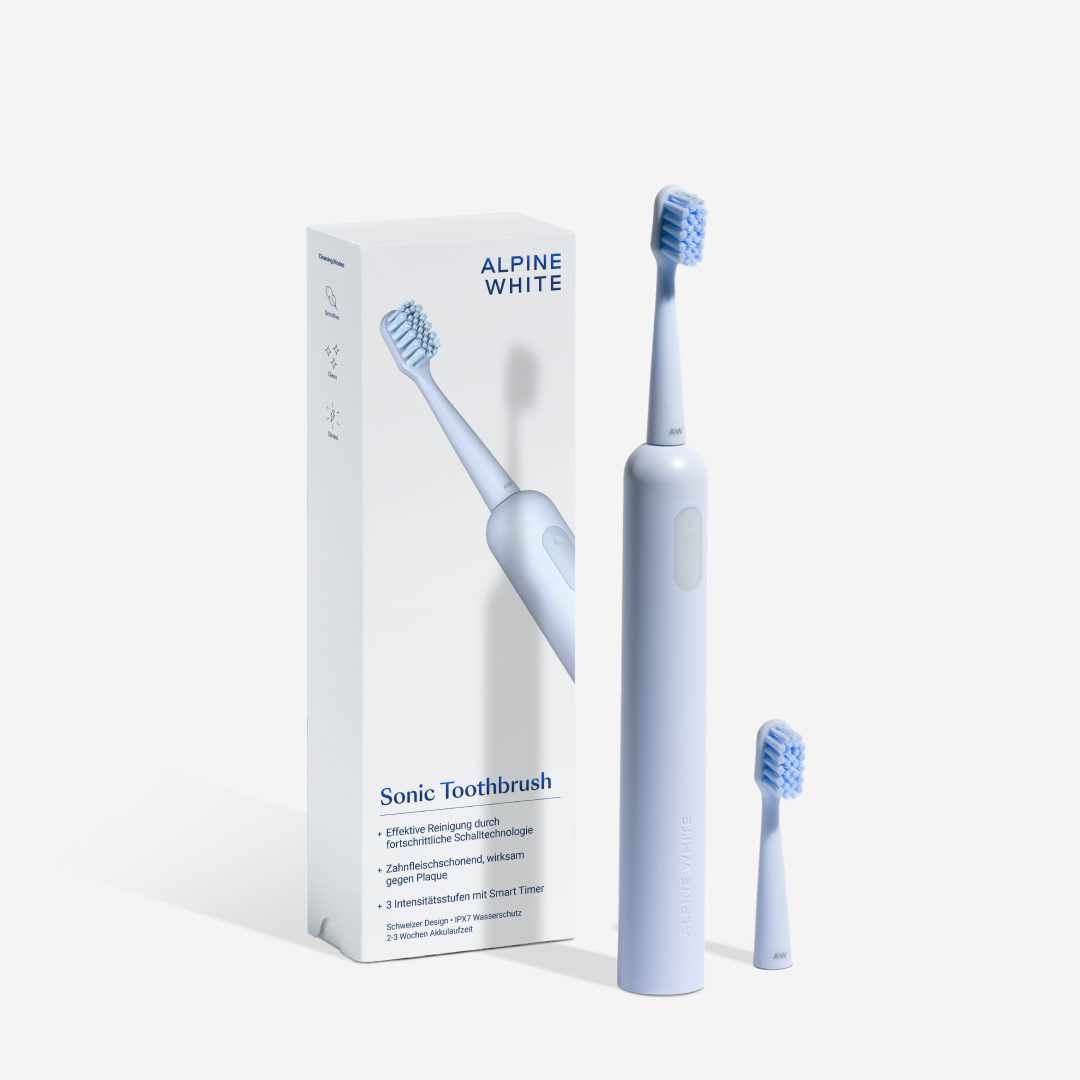
Sonic Toothbrush next to its packaging and a replacement brush head against a light background
4.7(36)

Sonic Toothbrush

CHF 99.90

1 pc • CHF 99.90

Learn more

Manual, electric or sonic toothbrush?

The choice of toothbrush depends on your personal needs and preferences. Each type of toothbrush has its advantages, and here too the brush head should be replaced regularly.

  • Manual toothbrush: A dental care classic and inexpensive. If you use the right technique, it can be just as effective as electric models.
  • Electric toothbrush: The rotating and oscillating movements clean thoroughly, and many models, such as those from Oral-B, have an interchangeable brush head that you should replace regularly.
  • Sonic toothbrush: Gentle but thorough. The rapid vibrations of the sonic toothbrush clean effectively and are gentle on the gums.

A focus on sustainability: bamboo toothbrushes and the ALPINE WHITE Toothbrush

For environmentally conscious users, toothbrushes made from sustainable materials such as bamboo are now available. These toothbrushes are often made from compostable materials and are an eco-friendly alternative to conventional plastic toothbrushes. With a biodegradable handle and bristles made from natural materials, plastic waste can be reduced considerably. Even so, a bamboo toothbrush should be replaced regularly too, as the bristles wear and can bend over time, which reduces cleaning effectiveness.

Alongside bamboo, the innovative ALPINE WHITE Toothbrush is a great step towards sustainability. Developed in Switzerland, this toothbrush combines a simple, elegant design with eco-friendly materials and ergonomic functionality. One third of it is made from wheat starch, a by-product of the wheat industry. This sustainable approach reduces the proportion of plastic and supports the environment through upcycling, by reusing waste materials and returning them to the production cycle.

The ALPINE WHITE Toothbrush is known for its soft bristles, which are gentle on the gums yet still clean thoroughly. Regularly replacing your toothbrush or brush head is crucial for effective dental hygiene. ALPINE WHITE recommends using a new toothbrush every three months, as the bristles wear over time and become less effective. The ergonomic design of the ALPINE WHITE toothbrush also enables gentle, thorough cleaning that removes plaque effectively and can reduce the risk of caries and periodontitis.

In addition to its sustainable production, the ALPINE WHITE toothbrush is PETA-certified and vegan, making it an eco-friendly choice for users who value animal welfare and ethical standards. It is also climate-neutral, as ALPINE WHITE has its products certified in cooperation with ClimatePartner.

The ALPINE WHITE Toothbrush has been extensively tested and received extremely positive feedback in a community study: over 91% of testers were impressed by the soft bristle quality and 92% were satisfied with the cleaning power. A product like this meets the requirements not only of effective oral care but also of sustainability, highlighting ALPINE WHITE's responsible approach as a company.

To ensure comprehensive oral hygiene, it is recommended to clean the toothbrush thoroughly under running water after use and store it dry. This keeps it hygienic and ready for next time.

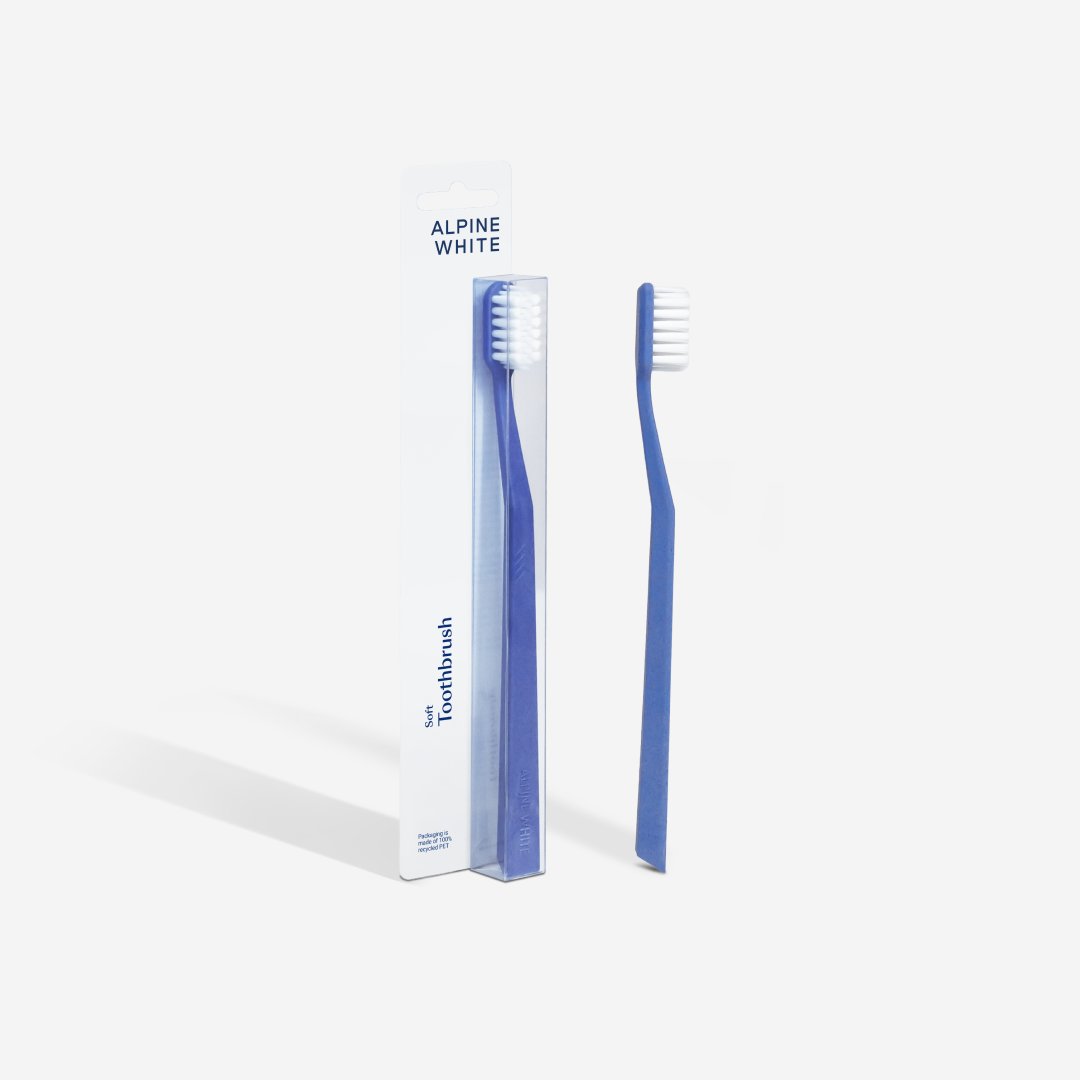
ALPINE WHITE Soft Toothbrush in blue next to its packaging
4.6(43)

Toothbrush

CHF 4.90

1 pc • CHF 4.90

Learn more

The right dental care for all-round oral health

Alongside a regular toothbrush change, comprehensive and consistent dental care is crucial for long-term dental health. It involves much more than just brushing every day: caring for the interdental spaces, using fluoride and supporting oral hygiene with suitable products also play a central role. Here are the most important aspects of thorough dental care in detail:

Cleaning between the teeth: dental floss and interdental brushes

The interdental spaces are among the hardest places to reach in the mouth. Food debris often gets stuck here and is not completely removed by normal brushing. Without thorough cleaning, bacteria can multiply and cause plaque as well as caries. Over time, this can also lead to gum inflammation, which increases the risk of periodontitis.

  • Dental floss is ideal for tight interdental spaces. It slides gently between the teeth and removes food debris and plaque there.
  • Interdental brushes are particularly effective for larger gaps and clean them thoroughly without injuring the gums. For best use, it is important to choose the right brush size.

Experts recommend cleaning the interdental spaces at least once a day, ideally in the evening. This prevents plaque from building up and makes a decisive contribution to healthy oral hygiene.

Support from mouthwash: oral hygiene and fresh breath

An antibacterial mouthwash is an effective addition to daily dental care. It reaches areas that even thorough brushing and flossing cannot clean completely. Mouthwash reduces the number of harmful bacteria in the mouth and helps prevent infections.

Mouthwash also freshens breath and reduces unpleasant bad breath. For best results, it should be used after brushing. Especially with sensitive gums or after dental procedures, a specially formulated mouthwash can provide additional care and protection.

Fluoride toothpaste: protection against caries and stronger enamel

Choosing the right toothpaste plays a decisive role in daily dental care. A high-quality toothpaste with fluoride is essential to strengthen the enamel and protect against caries. Fluoride helps make the enamel more resistant to acid attacks from bacteria and can even repair small, early damage to the enamel.

  • Toothpaste for special needs: Some toothpastes are designed for specific requirements, e.g. for sensitive teeth, to reduce plaque or to support the treatment of gum inflammation. Like our Whitening Toothpaste Sensitivity Relief.
  • Use: A pea-sized amount of toothpaste is enough. It is important to spread and massage the toothpaste thoroughly over the teeth for at least two minutes.

Additional measures: a personalised dental care routine

Besides the measures mentioned, additional care routines can promote oral health. These include:

  • Tongue cleaning: Special tongue cleaners remove bacteria and help prevent bad breath.
  • Fluoride rinses: For additional protection against caries, especially in areas where drinking water is low in fluoride.
  • Professional dental cleaning: Regular visits to the dentist or dental hygienist to remove tartar and stubborn deposits.

Consistent, comprehensive dental care protects not only the teeth but also the gums and ensures a healthy, well-cared-for smile. Combined with a regular toothbrush change, it ensures optimal dental health that lasts into old age.

Conclusion

By switching to a new toothbrush regularly, you ensure thorough yet gentle cleaning. Whether you use a manual toothbrush or an electric toothbrush with an interchangeable brush head, regular replacement keeps your teeth healthy and clean. Remember to round off your dental care with dental floss and mouthwash to give your dental health the best possible support.

This might also interest you

Hand holds a white toothbrush with light blue bristles, next to an ALPINE WHITE tubeOral Care

What is better, sonic toothbrush or round brush head?

When it comes to your dental health, you might be wondering: which toothbrush should you choose? The modern sonic toothbrush or the classic round brush head? Both have their advantages, but what is really better for your teeth and gums? In this blog post, we clarify this and give you valuable tips on how to get the most out of your dental care.

Hand passes a light blue electric toothbrush, a second hand points at it, grey backgroundOral Care

Why you need an electric toothbrush

In a world where technology plays a role in almost every aspect of our lives, why should we compromise on dental care? The electric toothbrush isn't just another gadget, it's a powerful tool for your oral health. In this article, we'll show you why switching to electric is a good decision you can make for sparkling white teeth.

Smiling man with bleached hair places his hand on his cheekDental Health

Why oral health affects your overall well-being

Oral health is a window to your general health. In Switzerland, as in Germany, it is increasingly recognised how important good oral hygiene is not only for healthy teeth, but also for the whole body. At ALPINE WHITE, we understand the importance of a healthy mouth and would like to show you how to optimise your oral care in this comprehensive blog post.