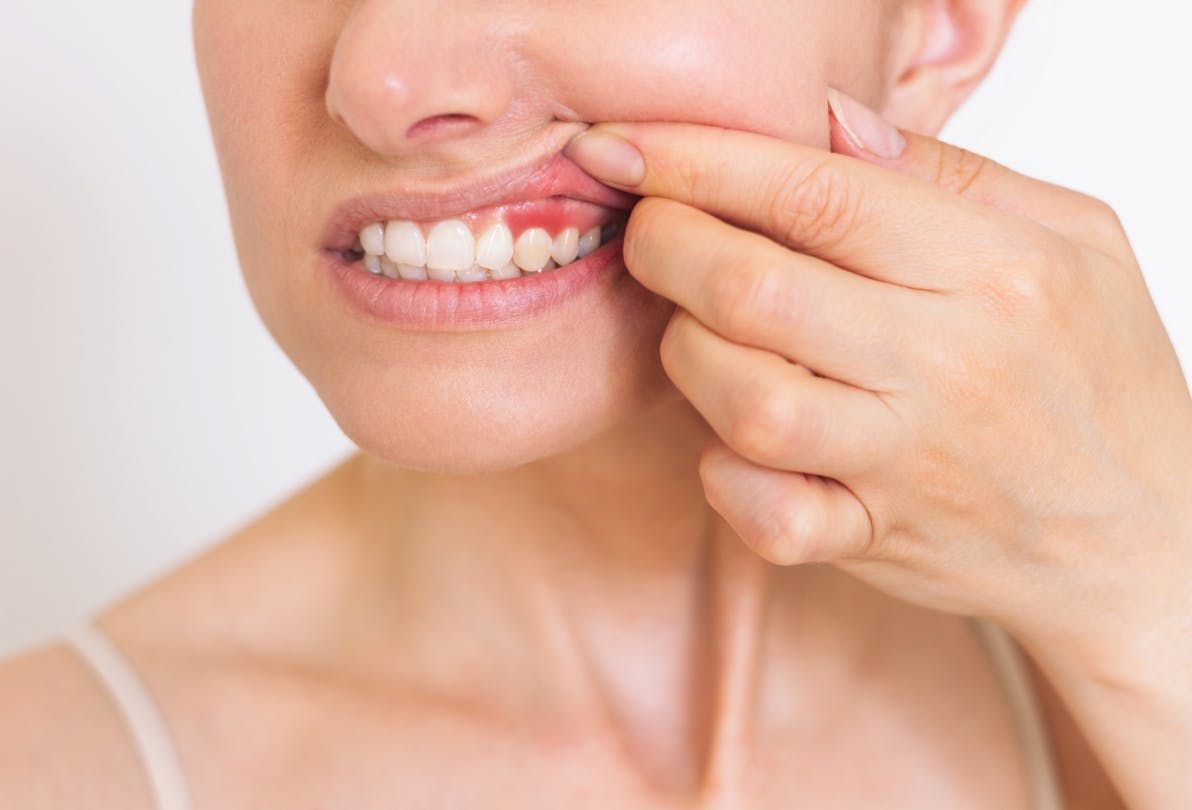
Consequences of tooth loss
Missing teeth do not only affect your appearance. They also have profound impacts on dental health and the functionality of the bite. A tooth loss can lead to misload of the adjacent teeth, resulting in these teeth being overburdened and weakened. The jaw joints are also affected as balance in the mouth is disrupted, often leading to long-term consequences for the entire jaw apparatus.
Another problem associated with tooth loss is the loss of bone substance in the jaw. When the tooth is no longer anchored in the jawbone, this area of the jaw is no longer stimulated by chewing movements. This leads to the so-called bone resorption, which affects not only dental health but also your external appearance. Over time, a visible sinking of the facial profile may occur.
Dentures: What to do in case of tooth loss?
Fortunately, there are numerous ways available today to replace missing teeth. The most common forms of tooth replacement are:
- Dental implants: One of the best solutions for missing teeth are implants. These are anchored directly in the jawbone and provide stable support for the tooth replacement. They act like one's own teeth and prevent bone loss.
- Bridges: A bridge is attached to the adjacent teeth to close the gap. However, healthy teeth often need to be ground down for this, which can impair their stability in the long run.
- Dentures: In the case of loss of multiple teeth or total loss, dentures can provide relief. Modern dentures are often removable and can be attached to the existing teeth or the jawbone.
How to prevent tooth loss
The loss of teeth is an issue that affects many people, and the best treatment is to prevent it from occurring in the first place. Through consistent oral hygiene and regular dental check-ups, you can effectively prevent the most common cause of tooth loss, such as tooth decay and periodontitis. Here's what measures are crucial to prevent tooth loss and maintain your oral health in the long term.
Regular teeth brushing
Teeth brushing forms the foundation for healthy teeth. To effectively remove dental plaque, you should brush your teeth thoroughly at least twice a day. It is crucial to use a technique that is gentle on the enamel as well as reaches all areas of the mouth. Use a toothbrush with soft bristles to avoid irritating the gums, and use a fluoride toothpaste. Fluoride strengthens the enamel and protects against tooth decay. Use our Whitening Toothpastes for this purpose.
Cleaning of interdental spaces
Apart from teeth brushing, cleaning the interdental spaces is an essential part of daily dental care. Often food residues and plaque accumulate in these narrow areas, which are difficult to reach with a toothbrush. This is where floss and interdental brushes come into play.
Professional teeth cleaning
Even with thorough oral hygiene at home, stubborn deposits of tartar can build up over time, which can only be removed through a professional dental cleaning at the ALPINE WHITE Studio or in the dental practice. Therefore, it is advisable to have such a cleaning done at least once a year.
Healthy Nutrition
In addition to daily dental care, a balanced diet also plays a crucial role in oral health. Sugary foods, like sweets or soft drinks, are a well-known risk factor for tooth decay. Sugar promotes the growth of bacteria that produce acids and attack the enamel. To prevent this, you should limit your sugar intake and instead focus on a diet rich in vitamins and minerals.
Particularly important are foods that contain calcium and vitamin D, as these strengthen the bone substance, providing not only the stability of your teeth but also maintaining the jawbone. Dairy products like cheese and yoghurt are ideal, as they neutralise the pH value in the mouth and protect the enamel.
Regular ALPINE WHITE Visits
Another indispensable measure to prevent tooth loss is regular oral health checks with us. These appointments are not only important to treat existing problems but also to identify and prevent future issues early on.
Studio visits also provide the opportunity to check the condition of the periodontium and the jawbone. Early diagnosis of problems such as periodontitis or bruxism can help avoid serious consequences such as tooth loss. Your dental hygienist can also advise you on specialised dental care techniques that are best suited to your situation.
Tooth Loss in Milk Teeth
Proper care of milk teeth is also crucial in children to avoid later tooth problems. Milk teeth serve as placeholders for permanent teeth and help maintain the jaw in the correct position. If milk teeth are lost prematurely due to tooth decay or other problems, it can lead to misalignments of the permanent teeth. Make sure that your child's milk teeth are also carefully maintained to prevent later complications.




 Dental Health