What role does abrasion (RDA) play?
The Relative Dentin Abrasion (RDA) value is an important figure that indicates how abrasive a toothpaste is on the tooth enamel. This value is particularly relevant for whitening toothpastes, as they are meant to remove discolouration and whiten the teeth. The right RDA value determines whether a toothpaste cleans effectively without attacking the enamel.
What does the RDA value mean?
The RDA value measures how strongly the abrasives in a toothpaste wear down the tooth surface. While low abrasion is gentle on the enamel, very low values may not clean well enough to remove stubborn plaque and discolouration. A value that is too high, on the other hand, can damage the enamel and lead to dental damage over time.
- Low RDA value (0-70): Particularly gentle, ideal for sensitive teeth and daily dental care.
- Moderate RDA value (70-100): Effective at removing discolouration and plaque without putting unnecessary strain on the enamel.
- High RDA value (over 100): Can be too abrasive and cause enamel loss over time.
ALPINE WHITE: low to moderate RDA value
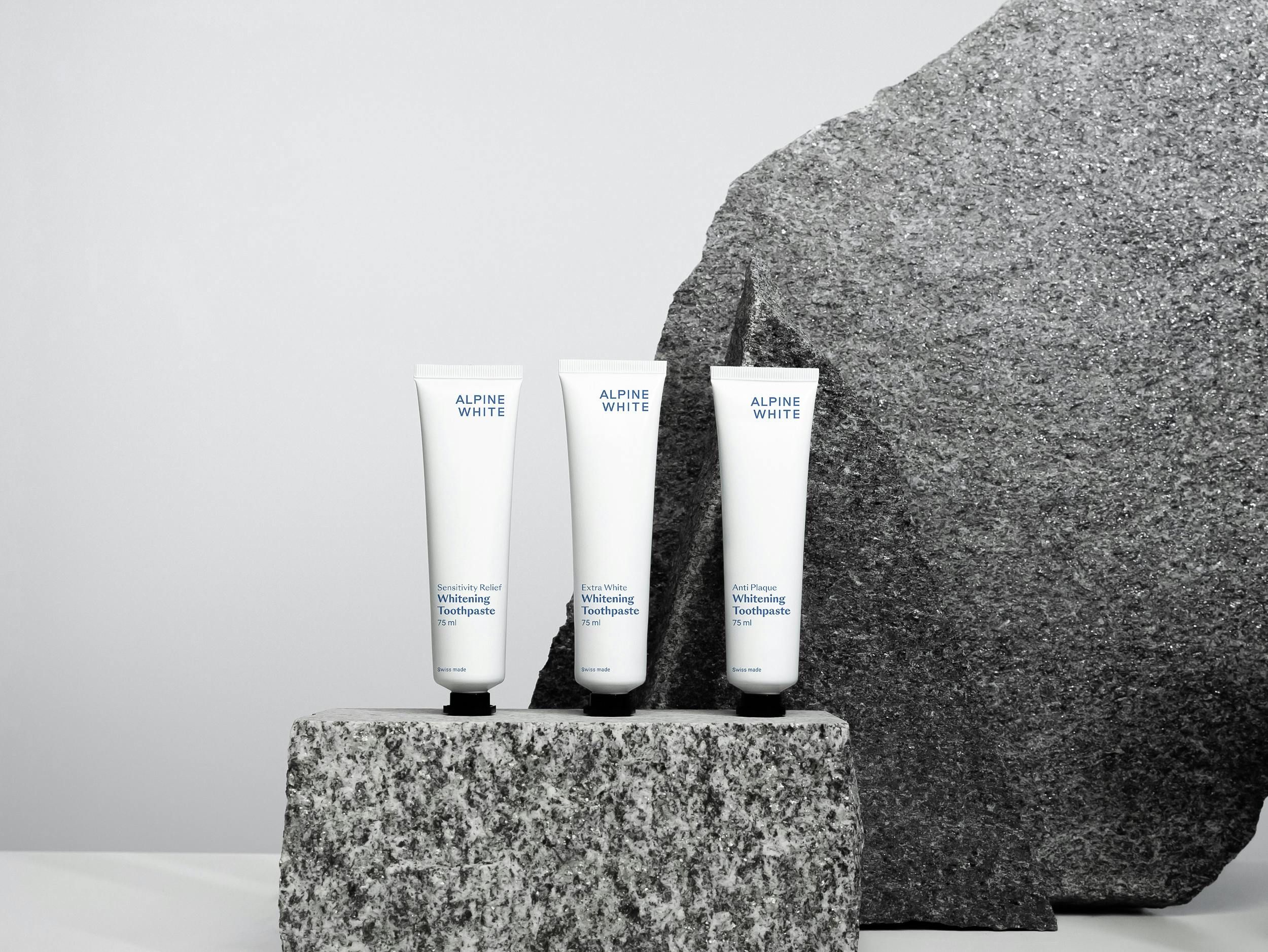
The whitening toothpastes from ALPINE WHITE have been specially developed to offer the optimal balance between cleaning power and enamel protection. With a low to moderate RDA value, they are ideal for daily use. They remove surface discolouration without damaging the enamel. This makes them an excellent choice for people who value effective yet gentle teeth whitening.
Risks of an RDA value that is too high
If you use a highly abrasive toothpaste, the following problems can occur:
- Enamel erosion: The enamel is the protective layer of your teeth. If it is worn away by overly abrasive toothpastes, the underlying dentine is exposed, making the teeth more susceptible to caries and other damage.
- Hypersensitivity: Exposed dentine is far more sensitive to external stimuli such as hot or cold food, which can lead to unpleasant toothache.
- Gum damage: Abrasive toothpastes can irritate the gums and cause them to recede over time. This increases the risk of sensitive tooth necks and inflammation.
Why is a low RDA value important?
A low RDA value ensures that the toothpaste removes discolouration effectively while protecting the enamel. With long-term use in particular, this is crucial for oral health. ALPINE WHITE toothpastes are not only gentle but also contain additional nourishing ingredients such as hydroxyapatite, which remineralises the enamel, and sodium fluoride, which protects against caries.
Tips for using abrasive toothpastes
- Use toothpastes with a low to moderate RDA value, especially if you have sensitive teeth or gums.
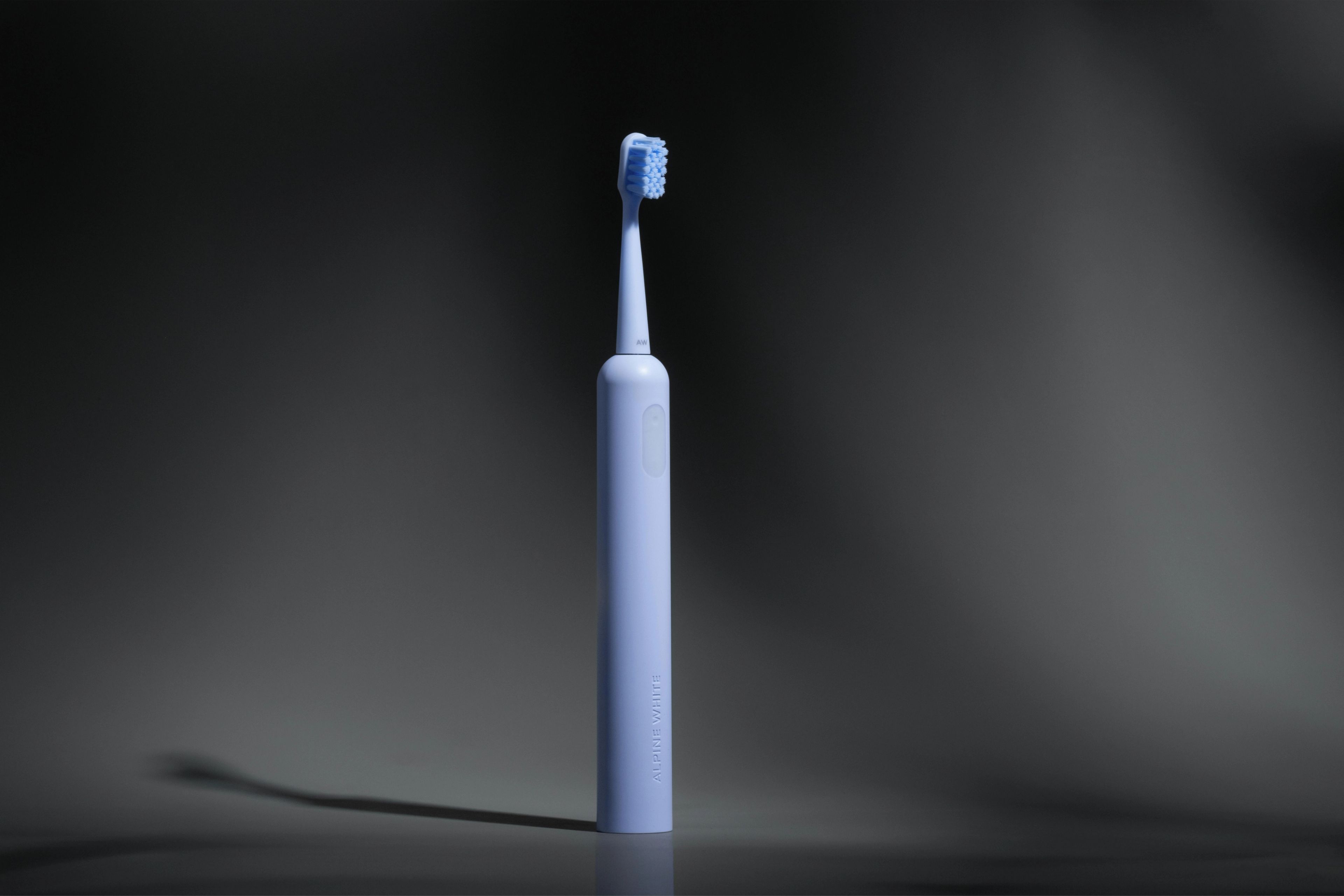
- Complement your dental care with an electric toothbrush or a sonic toothbrush to remove plaque effectively without applying extra pressure.
- Take care not to brush too hard, to minimise mechanical abrasion.
- Combine toothpastes with a fluoride mouthwash to strengthen the enamel further.
What does science say about whitening toothpaste?
Clinical studies show that gentle whitening toothpastes are safe for daily use as long as they:
- Contain fluoride to prevent caries.
- Use gentle ingredients such as hydroxyapatite that strengthen the enamel.
- Do not use aggressive bleaching agents such as highly concentrated hydrogen peroxide.
ALPINE WHITE Whitening Toothpaste combines exactly these elements to whiten your teeth effectively and safely.
What are the benefits of whitening toothpaste?
- Teeth whitening: Effectively removes discolouration caused by coffee, tea or red wine.
- Better dental health: Thanks to fluoride and xylitol, it protects against caries and remineralises the enamel.
- Gentle care: Ideal for sensitive teeth and daily oral hygiene.
- Pleasant taste: Thanks to ingredients such as sodium saccharin, your breath stays fresh.
With the whitening toothpaste from ALPINE WHITE, you also get an antioxidant herbal blend that keeps your gums healthy and gives discoloured teeth a new shine.
Are there any risks?
Even though whitening toothpastes such as those from ALPINE WHITE are safe for daily use, there are a few things you should bear in mind:
- Not all whitening toothpastes are the same: Products from the chemist's often contain harsh abrasives or chemical bleaching agents.
- Consider sensitivity: If your teeth are already sensitive, opt for a variant such as Sensitivity Relief.
- Support your cleaning: Combine your toothpaste with a sonic toothbrush to remove plaque thoroughly.
How does ALPINE WHITE differ from other brands?
The Whitening Toothpastes from ALPINE WHITE do more than whiten; they also focus on:
- Sustainability: Climate-neutral production and PETA certification.
- Swiss quality: Developed and made in Switzerland.
- Extra care: Enamel strengthening with hydroxyapatite and protection against bacteria.
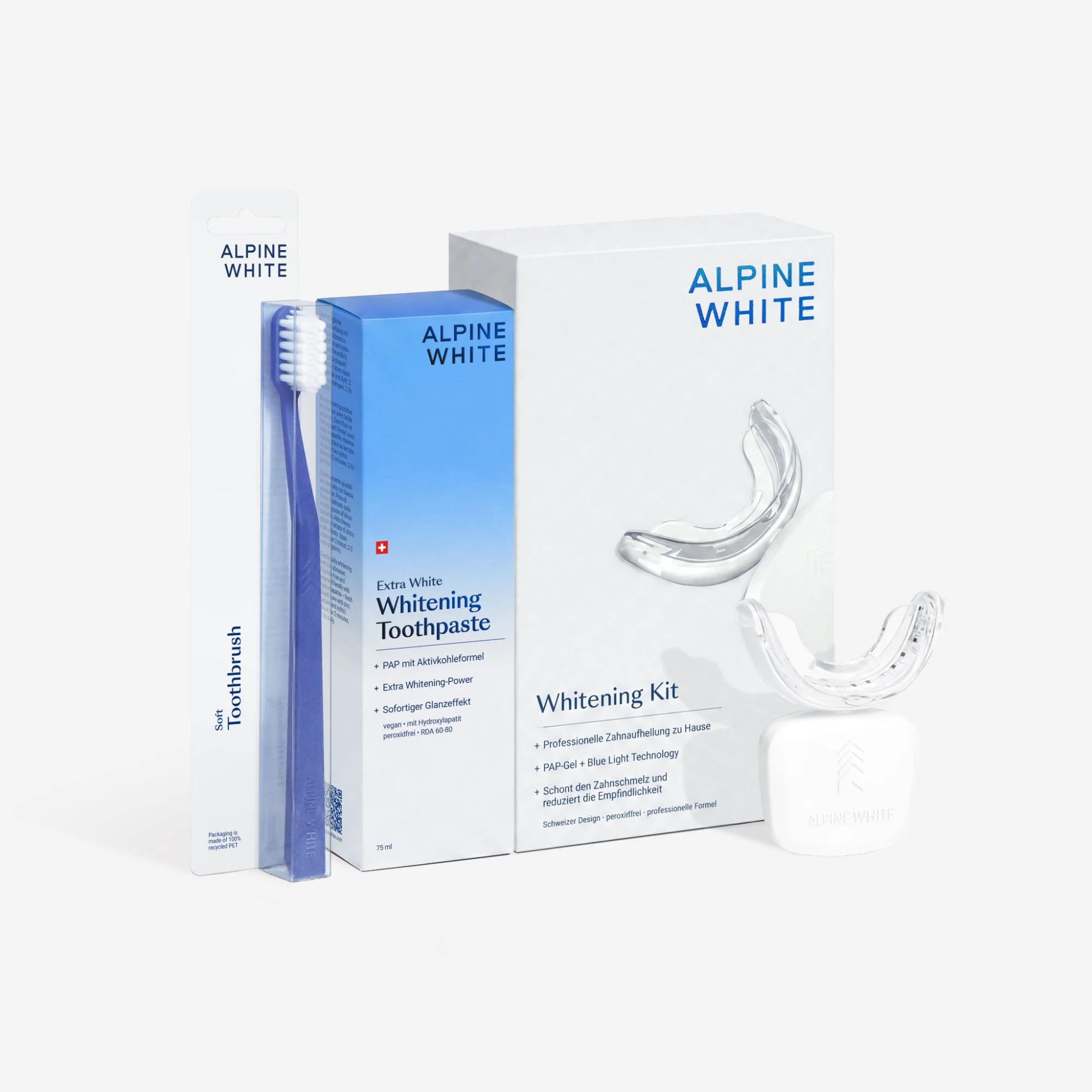
ALPINE WHITE also offers a wide range of products for your dental care routine, including Whitening Strips and a Whitening Kit.
Recommended use
To get the most out of your whitening toothpaste:
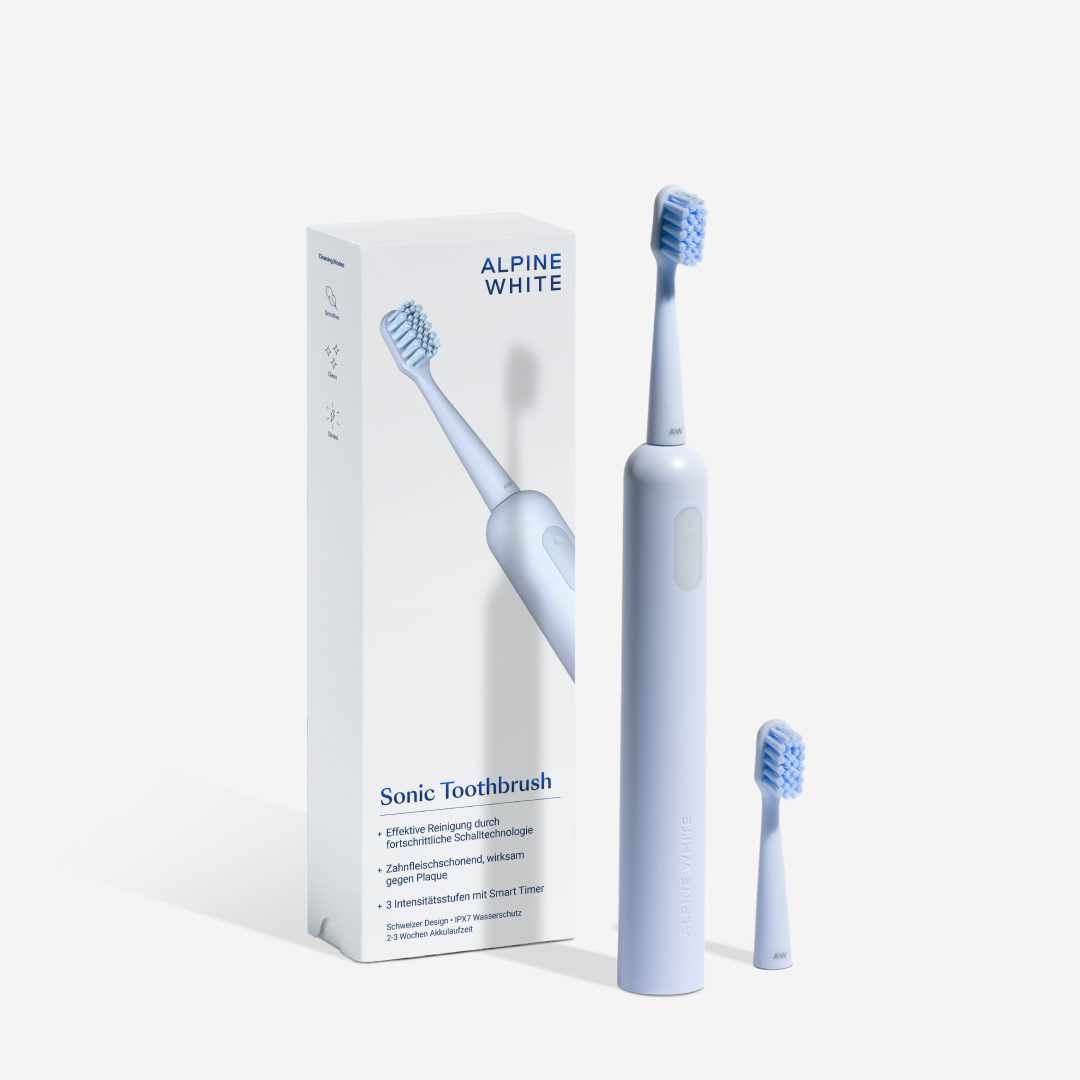
- Brush with a sonic toothbrush: Gentle and effective for your tooth surface. Use our ALPINE WHITE Sonic Toothbrush.
- Daily use: Use the toothpaste twice a day, morning and evening.
- Floss and mouthwash: Round off your routine to prevent plaque and tooth discolouration.

 Teeth Whitening