Professional teeth whitening at your dentist or dental hygienist
A bright smile can boost your confidence, and professional teeth whitening is one way to get there. It is carried out by a dentist or a trained dental hygienist, and the method should be chosen with your enamel and gums in mind. A gentle approach is especially valuable if you have exposed tooth necks or have had gum inflammation before.
The aim is whiter teeth without the risks that come with aggressive power whitening. Conventional in-office bleaching with strong agents such as hydrogen peroxide can sometimes cause hypersensitivity. These substances can reach the dentine beneath the enamel, which may lead to pain.
A gentle alternative protects the natural defences of your teeth while still tackling stains from coffee, tea or red wine. It can deliver a brighter smile without invasive options such as veneers or extensive dental work.
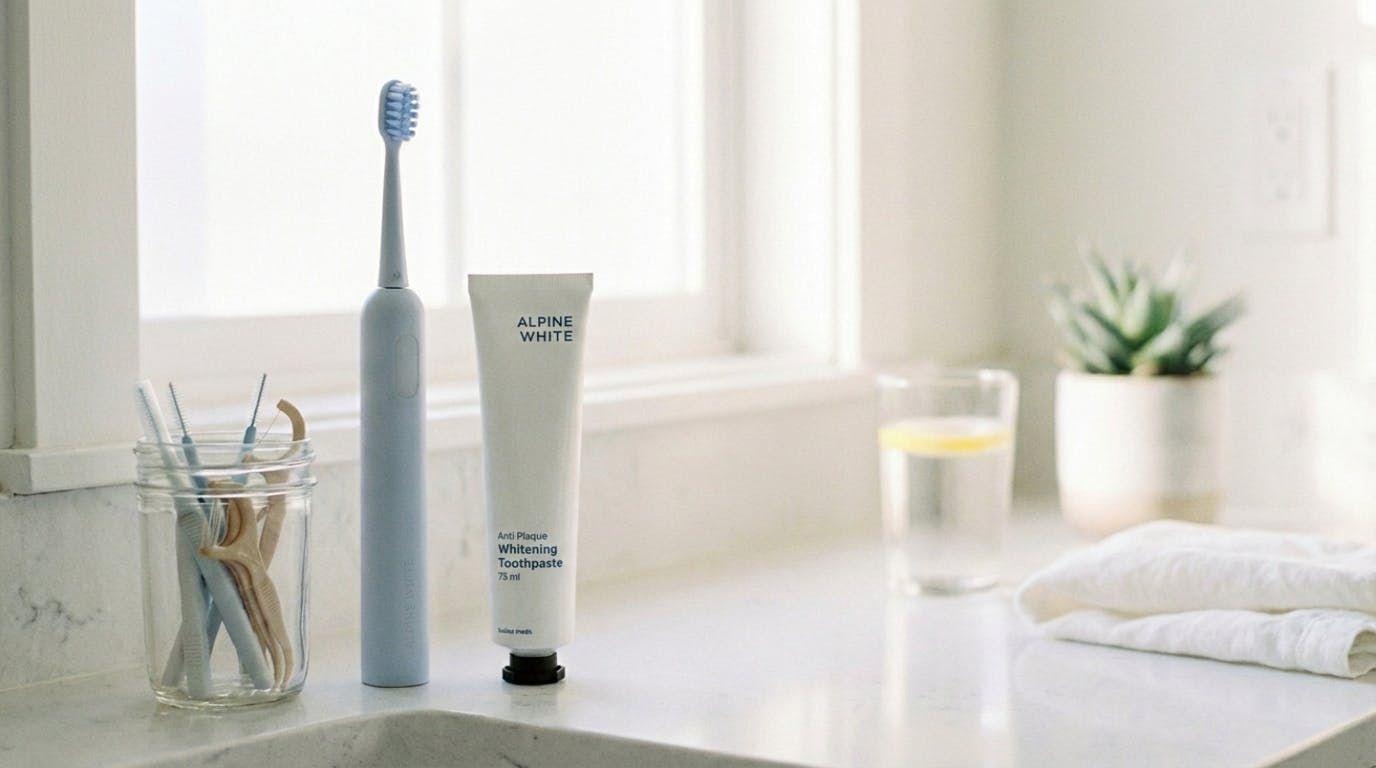
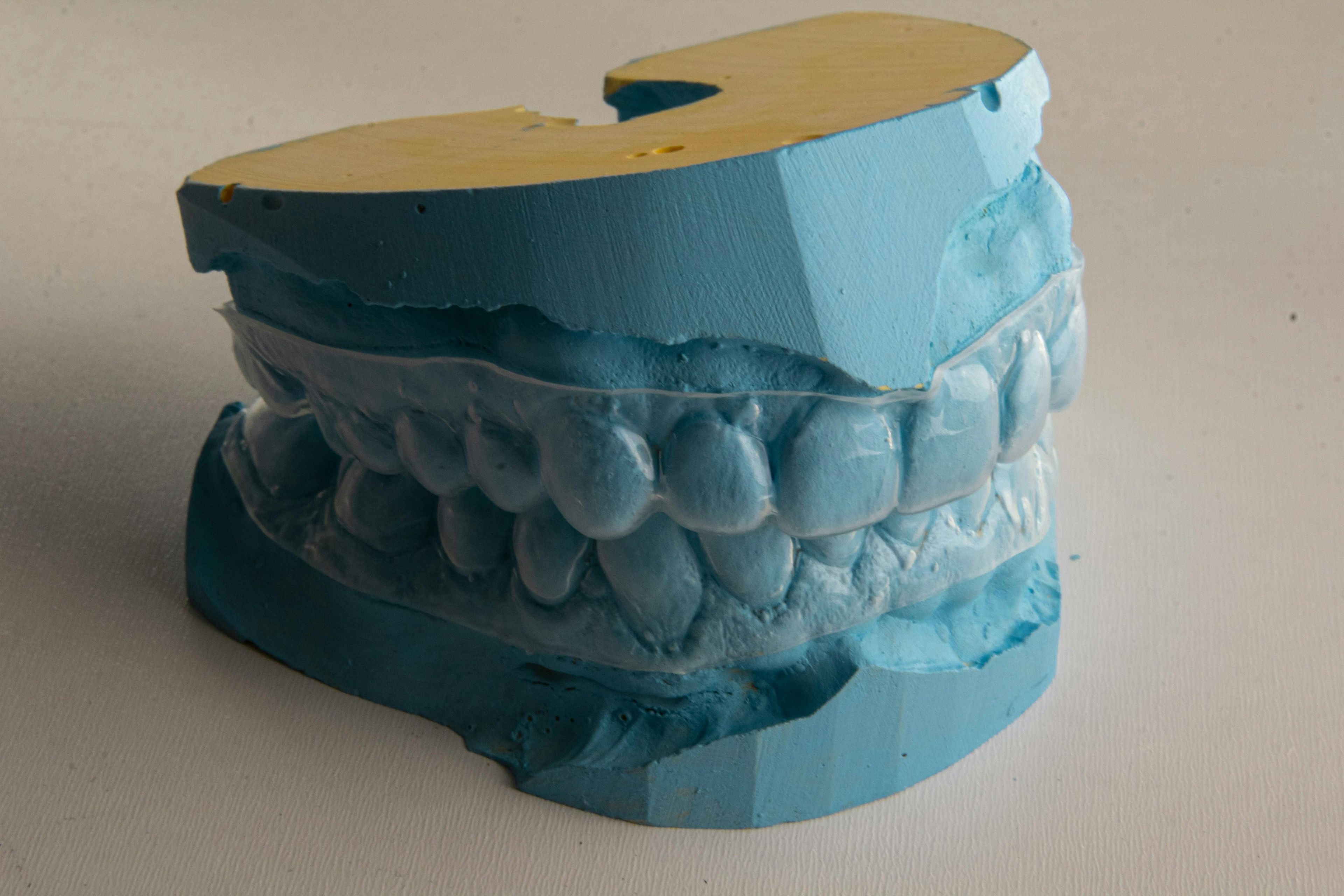
Good everyday care matters just as much as the treatment itself. Whitening toothpaste can help maintain results and limit new staining, and custom-fitted trays from a dental professional are often more comfortable than the bulky ones sold in drugstores.
What to consider before whitening your teeth
Before you start any whitening, have a thorough dental check-up. Your dentist should look for cavities and check whether root canal treatment is needed, because these must be treated before whitening.
It is also worth checking your existing fillings. Fillings, especially older or discoloured ones, do not respond to whitening gel and can stand out against the whitened tooth afterwards. If you have a lot of dental work, talk through your options and expectations first.
Finally, the type of discolouration matters. Not every stain can be improved by whitening. Deep-seated discolouration, for example from medication or certain illnesses, can be more resistant. A professional assessment will show which method suits you best, or whether cosmetic options such as veneers might be a better solution.
Professional teeth cleaning before whitening
A professional teeth clean (scale and polish) is a sensible first step before whitening. A dental hygienist removes plaque, tartar and surface pigments, which helps the whitening gel work more evenly and improves your overall oral hygiene.
Peroxide-free whitening in a professional setting
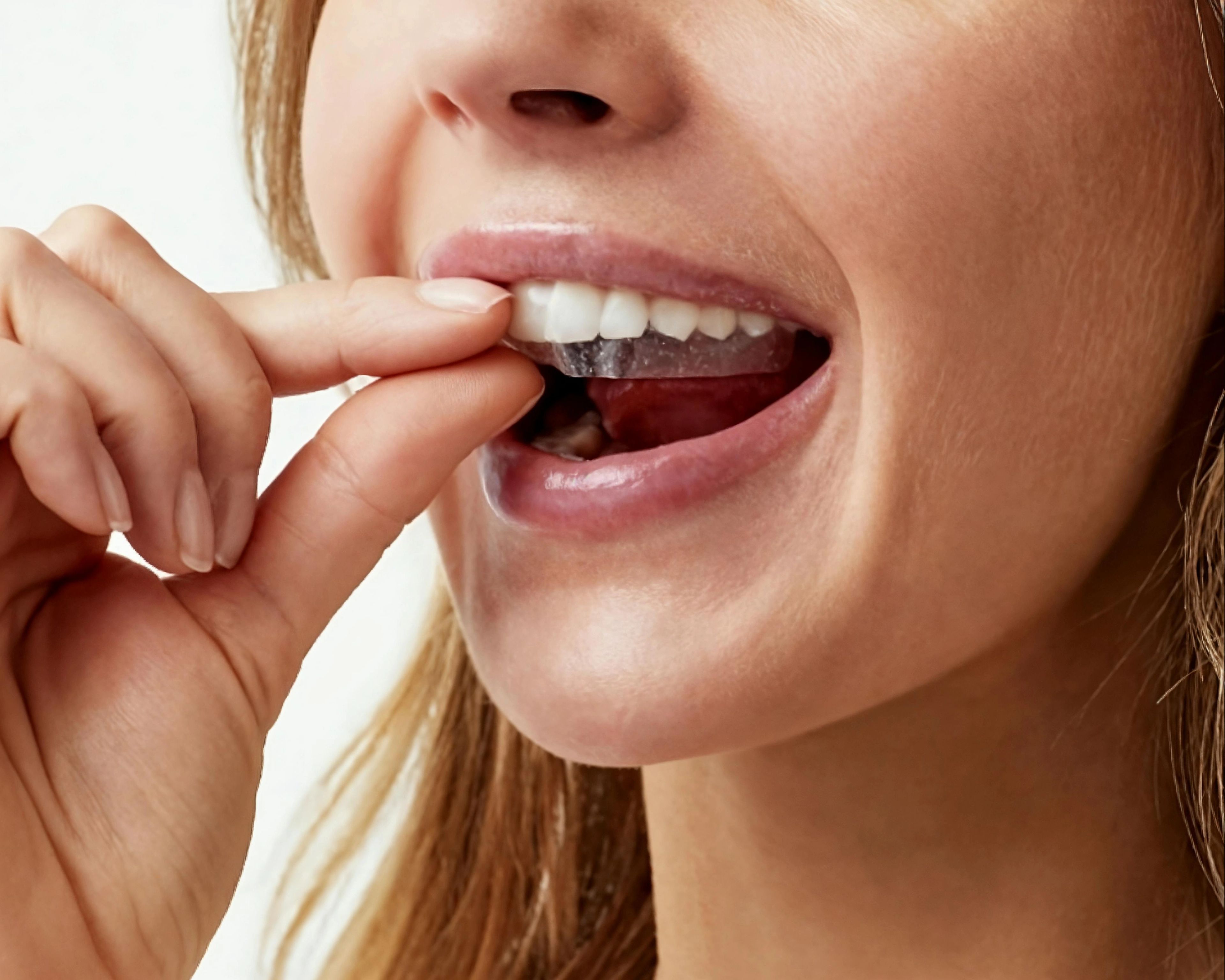
Professional whitening does not have to rely on aggressive peroxides. Special whitening gels can tackle discolouration without harming the enamel, which lowers the risk of gum irritation and hypersensitivity, a common problem with conventional bleaching.


 Teeth Whitening