Back to overview
Dark roasted coffee beans lying close together

Coffee and teeth: how to prevent coffee stains

Nutrition & LifestyleOct 16, 20234 min read

Does your daily coffee leave your teeth yellow or stained? Here is how coffee affects your enamel, and what you can do to keep your teeth white, from brushing habits to whitening toothpaste.


Andrea Seraina

Andrea Seraina

Dental Content Specialist

Does coffee stain your teeth?

Coffee is more than a morning pick-me-up. For many people it is a companion through the whole day, from breakfast to the afternoon break to a catch-up with friends. But have you ever wondered what all that coffee does to your teeth? The short answer: it can leave coffee stains on teeth, and over time it can make them look yellow.

Let's start with the basics. Coffee contains tannins, plant compounds responsible for its bitter taste. Tannins are also colour pigments that cling to surfaces, including your tooth enamel. Enamel is the outer layer of your teeth and protects them against decay, but it is prone to staining.

If you drink coffee regularly, these tannins gradually build up on the enamel. The result is discolouration that ranges from a light yellow tint to clearly visible brown stains. Dentists call this extrinsic staining, because it affects the outer surface of the tooth.

Coffee is also acidic, and acid can weaken enamel further. Weaker enamel is less resistant to stains and more exposed to problems such as cavities and tartar.

Other habits make things worse: sugary or acidic food and drink, poor oral hygiene and smoking. So while coffee may feel essential, it should not come at the expense of your dental health.

Why do coffee stains get stubborn?

Coffee is loved all over the world, but that love has a price. It is one of the main causes of extrinsic stains, which can range from light yellow to noticeable brown patches. The problem is that these stains can become more stubborn over time if you do not deal with them properly.

How to remove coffee stains: start with oral hygiene

The good news is that there is a lot you can do yourself to prevent tooth discolouration. The first and most important step is regular brushing. It removes food particles and plaque, as well as the pigments that coffee leaves on your teeth.

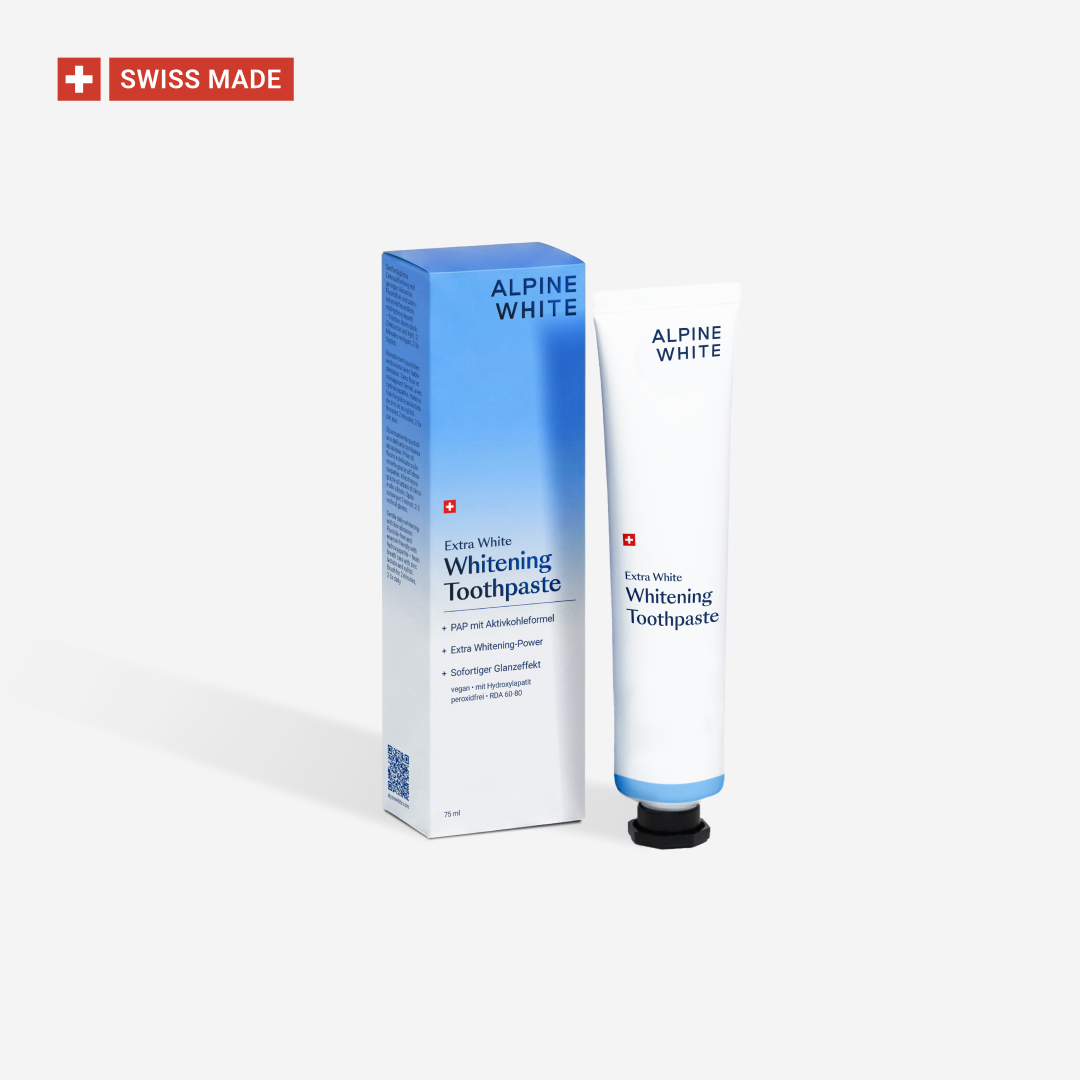
A whitening toothpaste is a good choice for yellow teeth and dark stains. These toothpastes are formulated to loosen and lift the pigments that settle on the enamel. For best results, try our Whitening Toothpaste Extra White, which is designed for long-term daily use. If your teeth are sensitive, choose a gentle toothpaste and brush softly.

But be careful: brushing too hard can wear down the enamel and expose the dentine underneath. Dentine is naturally less resistant to staining, so pigments settle more easily and the problem can get worse.

The key is balance: brush effectively but gently. A soft toothbrush and a light technique keep your teeth clean without damaging the enamel.

With these tips you can take on tooth discolouration and keep your smile bright, even if you are a devoted coffee drinker.

Folding box and tube ALPINE WHITE Extra White Whitening Toothpaste, “Swiss Made” note
4.7(69)

Whitening Toothpaste Extra White

€ 19.90

75 ml • € 26.53

Learn more

Professional teeth cleaning and whitening at the dentist

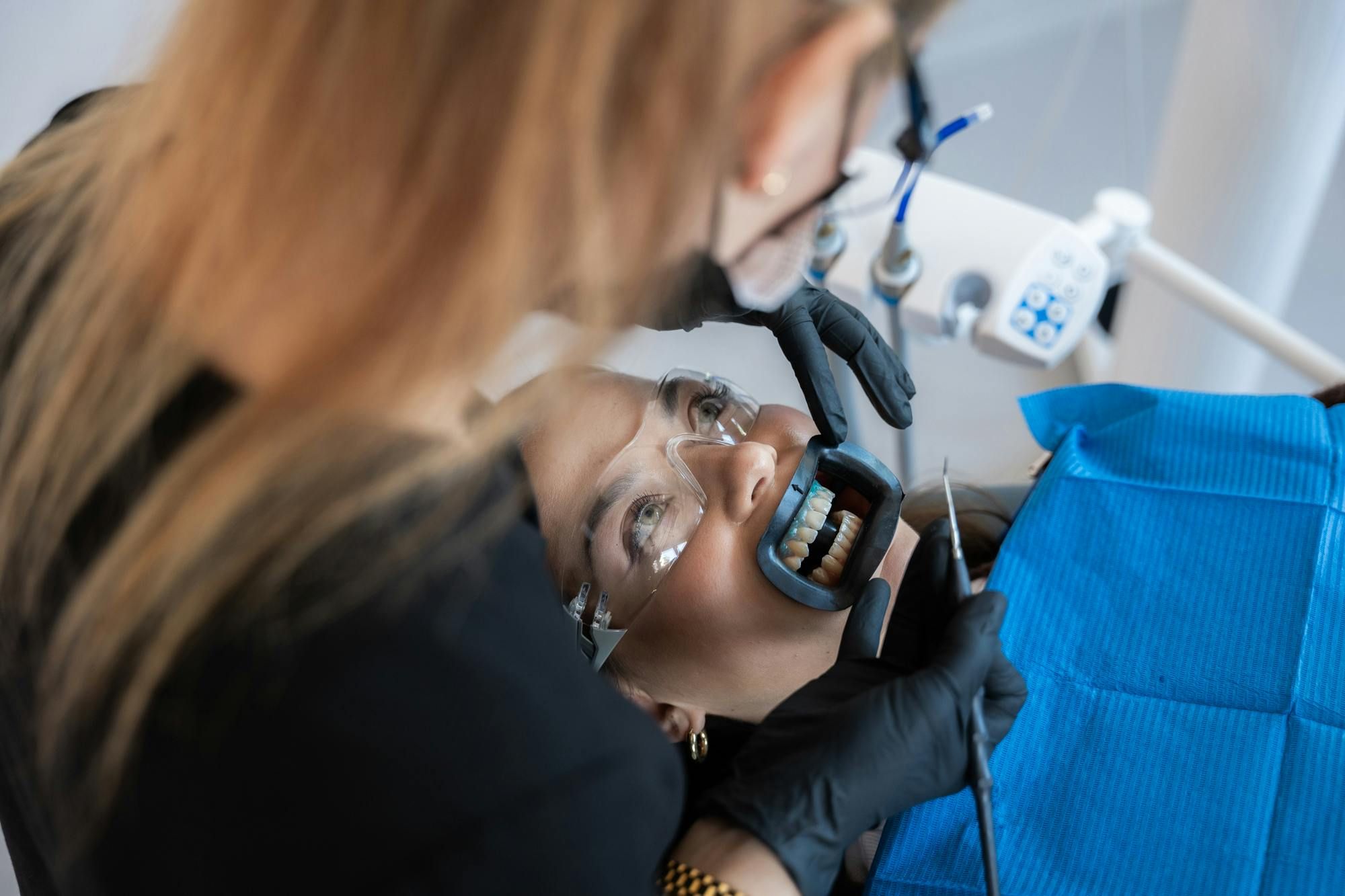
If the stains do not go away despite good oral hygiene, professional teeth cleaning could be the answer. A dentist or dental hygienist uses special instruments and techniques to remove stains and deposits that brushing at home cannot reach. For even whiter teeth, your dentist can also advise on professional whitening. Between appointments, whitening toothpaste and gentle daily care help you maintain the result.

Cavities, tartar and gums

Coffee does not only cause stains. It can also contribute to cavities and tartar. Sugary coffee drinks such as a latte macchiato or cappuccino are particularly hard on your teeth and the dentine beneath the enamel. The acidity of coffee can also irritate your gums.

Even how you drink your coffee matters. Sipping over a long period keeps your teeth in contact with acid and sugar for longer, which raises the risk of tooth decay and tartar. That is why thorough oral hygiene, including regular flossing, is essential.

Do home remedies and mouthwash help?

Several home remedies can support your fight against tooth discolouration. One of the best known is oil pulling with coconut oil, a traditional method with roots in Ayurvedic medicine. You swish a tablespoon of coconut oil around your mouth for about 15 to 20 minutes. The oil is said to draw bacteria and discolouration from the teeth and to improve the overall freshness of your mouth.

Antibacterial mouthwash is another useful addition to your daily routine. It can help against discolouration and reduce the risk of cavities and gum problems. A rinse is especially helpful after drinks that stain, such as coffee or black tea.

Keep in mind that these methods often take time to show their full effect. If you have only been drinking coffee for a short while, you may not have noticed any yellowing yet. Over time it can develop, so it pays to build habits like oil pulling and rinsing into your routine early.

With these home remedies and the right oral hygiene, you can do a lot to keep your teeth white even with regular coffee. If you notice pain, bleeding gums or persistent bad breath, see your dentist.

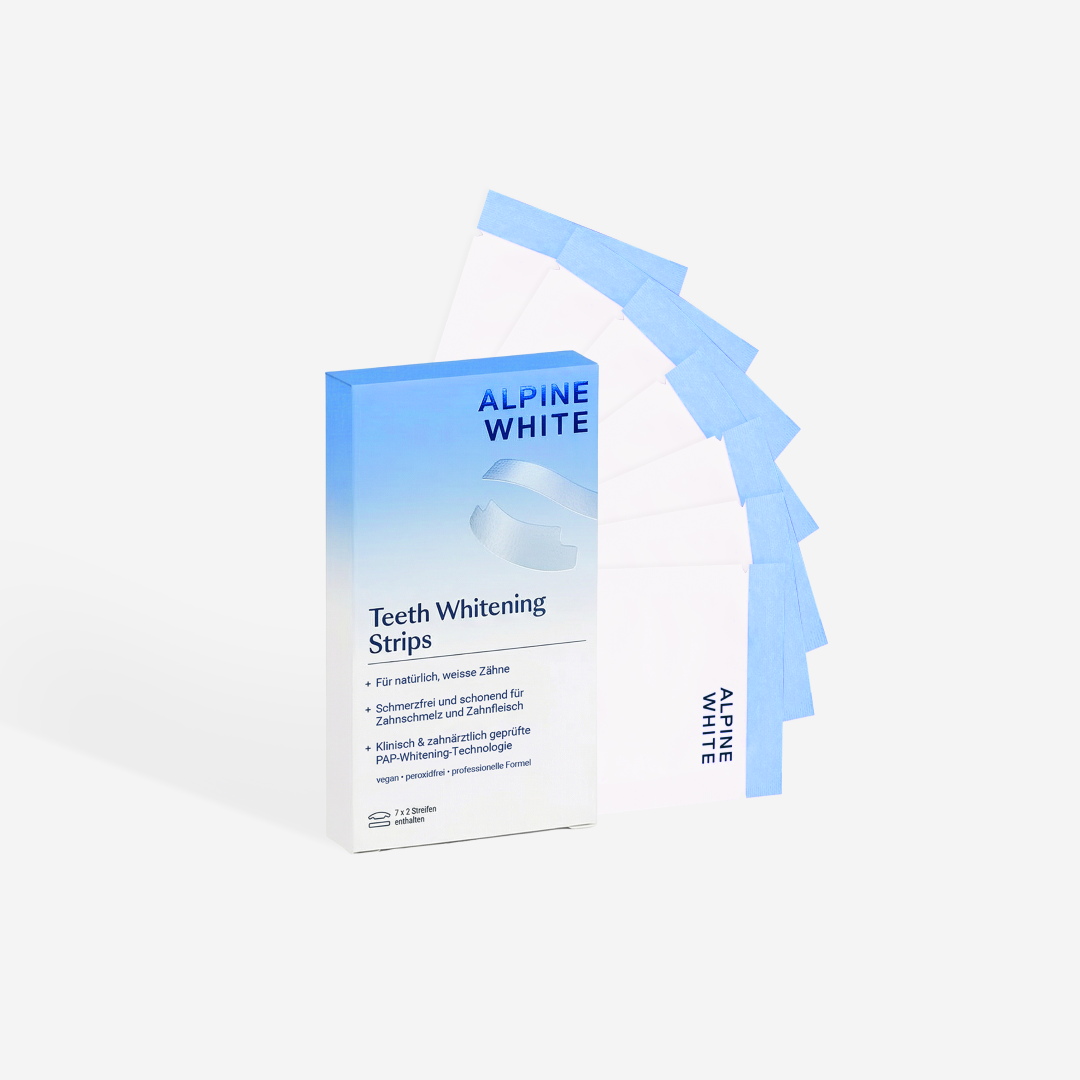
ALPINE WHITE Whitening Strips: pack with fanned-out pouches
4.4(128)

Whitening Strips

€ 29.90

14 pc • € 2.14

Learn more

Conclusion

Drinking coffee is a popular habit, but it comes with some risks for your teeth, from stains to cavities. Fortunately, there are plenty of ways to keep your teeth healthy and white. Gentle brushing, a whitening toothpaste and regular dental check-ups are a good place to start.

This might also interest you