Back to overview
Woman with wavy hair holds a blue toothbrush in her mouth and looks to the side

Yellow teeth: causes, solutions and ways to whiten them

Teeth WhiteningSep 28, 20236 min read

Yellow teeth are very common, and they are rarely a sign of poor hygiene alone. This guide explains what causes yellow teeth, how to whiten teeth safely and which alternatives to traditional bleaching are worth knowing.


Andrea Seraina

Andrea Seraina

Dental Content Specialist

What causes yellow teeth?

Before you look for the best way to whiten your teeth, it helps to understand where the stains come from. The causes of yellow teeth range from natural factors, such as ageing and the structure of your teeth, to outside influences, such as diet and medication. Here is what lies behind the colour of your smile.

Enamel and dentine: why do teeth look yellow?

Your enamel is the hardest substance in your body and protects your teeth like armour. It is usually white or slightly translucent. Directly underneath lies the dentine, a yellowish material. As you get older, or if your teeth are exposed to strong acids, the enamel can become thinner. The dentine then shows through and gives your teeth a yellowish tinge. Unfortunately, enamel cannot regenerate itself, so it is worth looking after it.

Coffee, tea, red wine and smoking: the colour culprits

Do you love coffee, tea or red wine? These drinks, along with spices such as curry, can change the colour of your teeth. They contain pigments that settle on the tooth surface and stain it over time. If you smoke, that is another reason your teeth may not be bright white. If you do not want to give these up completely, try to brush thoroughly afterwards and cut back a little. You can also read more about foods that are good for your teeth and for keeping white teeth.

Medication: unintended colour changes

Do you take medication regularly? Some medicines, such as the antibiotic tetracycline, can discolour teeth. Certain antihistamines and antipsychotic medicines can also cause yellowing. If you notice your teeth changing colour while you take medication, it is best to speak to your dentist or doctor.

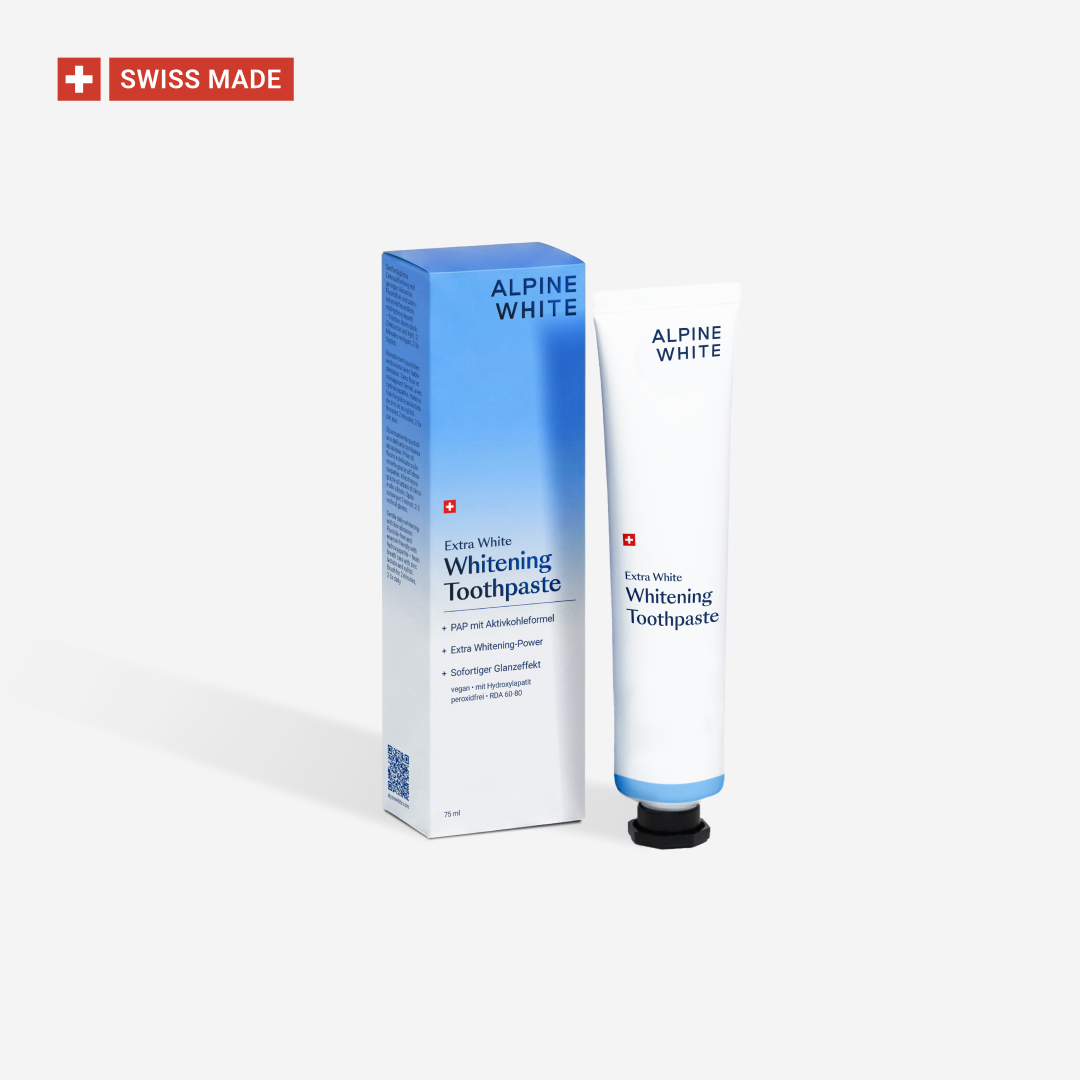
Folding box and tube ALPINE WHITE Extra White Whitening Toothpaste, “Swiss Made” note
4.7(69)

Whitening Toothpaste Extra White

€ 19.90

75 ml • € 26.53

Learn more

Oral hygiene and dental care for whiter teeth

Discolouration can be extrinsic (on the surface) or intrinsic (deeper, in the dentine). Whether you want to whiten your teeth or simply improve your overall oral health, effective oral hygiene and good dental care are key.

Choosing the right products also plays a crucial role. Mouthwashes with chlorhexidine, for example, can help inhibit the growth of harmful bacteria, while whitening toothpastes are designed to make your teeth look whiter and reduce staining.

Brushing and whitening toothpaste: your daily routine

Regular brushing is essential for the health of your teeth and gums, and the right toothpaste can make a big difference.

Alpine White Whitening Toothpaste Extra White is ideal if you want an extra bright smile. This whitening toothpaste contains whitening agents, such as Charcoal Powder, which effectively remove stains and bring back the natural shine of your teeth.

It has an appropriate RDA value, so you can use it for daily dental care without hesitation.

Dental floss and mouthwash: for hard-to-reach places

Using dental floss is another important step in your routine. It removes food debris and plaque from between your teeth, where a toothbrush alone cannot reach. Mouthwashes containing chlorhexidine can complement this by supporting dental health and lowering the risk of gingivitis.

Fluoride: extra protection for your enamel

Fluoride toothpastes and mouthwashes can form an extra protective layer on the enamel, which helps prevent future staining. Alpine White Whitening Toothpastes also contain fluoride, so you look after both the appearance and the health of your teeth.

Professional teeth cleaning at the dental hygienist

Dental hygiene is a crucial factor in keeping your teeth healthy and free of stains. At your dentist or dental hygienist, professional teeth cleaning (often called scale and polish) can help detect early signs of cavities and prevent them. Modern methods include AIRFLOW technology, which gently removes microbial plaque, and ultrasonic scaling, which tackles tartar and stubborn stains. Finally, your teeth are polished and, if you wish, a fluoride varnish is applied to delay the build-up of plaque and cavities.

Why is professional teeth cleaning so effective against yellow teeth? It thoroughly removes plaque and tartar, which are often the main cause of discolouration, and goes far beyond what daily care at home can achieve. Between appointments, regular brushing with a whitening toothpaste helps you keep the result.
How to whiten yellow teeth: bleaching and alternatives

For many people, a bright white smile is a sign of health, confidence and attractiveness. But our teeth are not always as white as we would like. Fortunately, there are plenty of ways to treat discolouration, from professional bleaching at the dentist to home whitening kits and peroxide-free alternatives. Alpine White offers effective, gentle at-home solutions to support your individual needs. Below, you can read about the main options and how they differ.

Professional bleaching at the dentist

At the dentist, professional bleaching with hydrogen peroxide is common, often known as power bleaching. An innovative, painless alternative is in-office bleaching with PAP (phthalimido peroxy caproic acid). PAP is a peroxide-free substance that effectively removes stains without damaging the enamel or gums. The treatment is carried out by dental professionals, and the final tooth shade is measured. A whitening strip can then be applied to optimise the result.

Whitening teeth at home: simple and convenient

If you prefer to whiten your teeth in the comfort of your own home, Alpine White offers dedicated home whitening products. These include the Whitening Strips and the Whitening Kit, both of which are peroxide-free and allow effective teeth whitening.

Why PAP?

PAP is an excellent alternative to traditional bleaching agents such as hydrogen peroxide. It is gentler on enamel and gums, yet still delivers effective results. That makes it a good fit if you want gentle but effective teeth whitening.

Hydrogen peroxide in whitening products: how rules differ

Rules for teeth whitening products differ from country to country. In Switzerland, for example, products containing hydrogen peroxide may only be used by professionals such as dentists or dental hygienists, and products with more than 6% hydrogen peroxide are not allowed.

In the USA, the situation is quite different. There, you can easily buy whitening products with hydrogen peroxide in shops, and the concentrations are often much higher than Switzerland allows.

This shows how differently the safety of hydrogen peroxide is judged. Stricter rules aim to avoid possible health risks, while looser rules offer more choice but can also bring more risks.

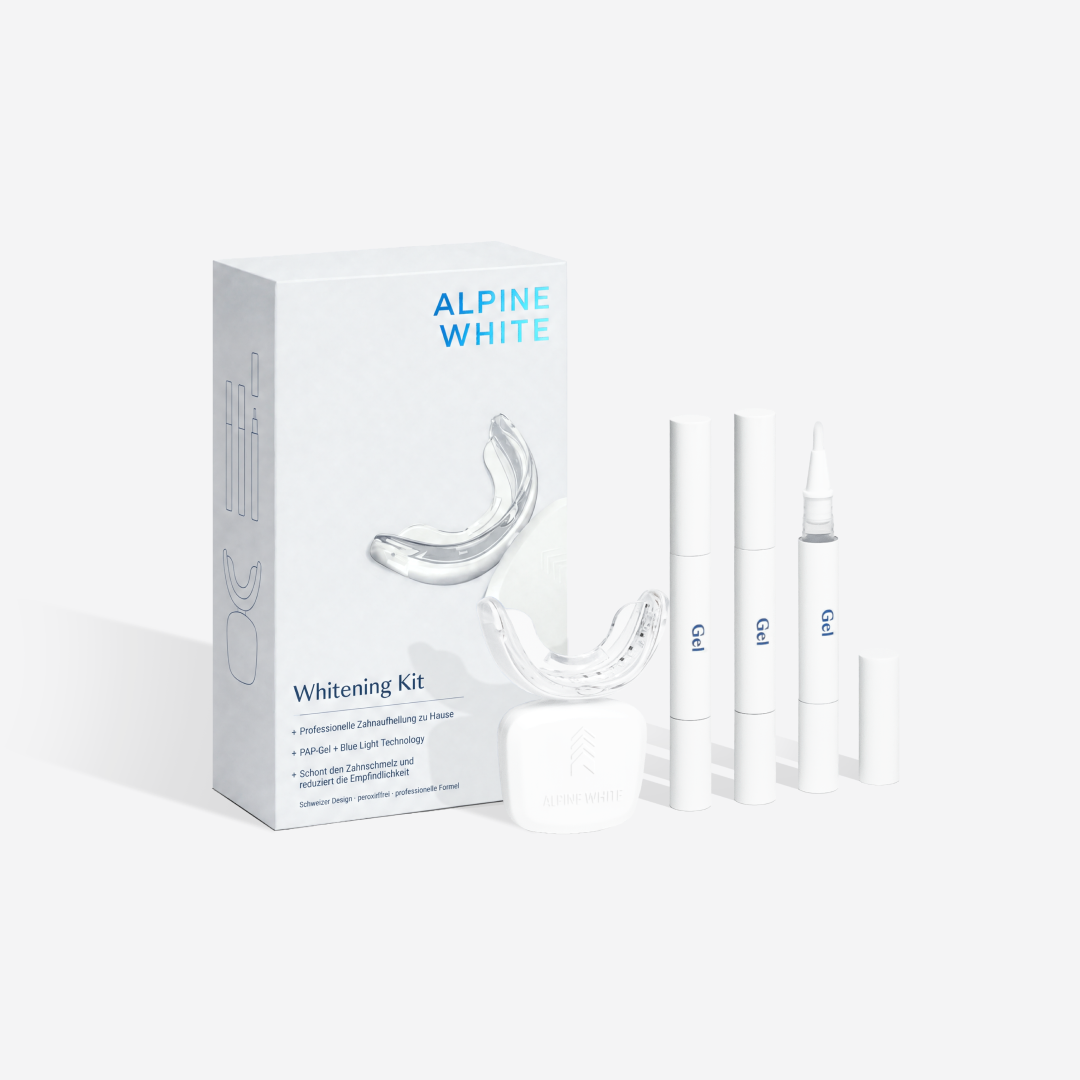
Pack of ALPINE WHITE Whitening Kit with tray, charging case and three gel pens
4.6(82)

Whitening Kit

€ 79.90

1 pc • € 79.90

Learn more

Home remedies for yellow teeth: activated charcoal and turmeric

Some people swear by home remedies such as activated charcoal or turmeric to whiten their teeth. Although the effectiveness of these methods is debated, many people look for natural ways to whiten teeth.

Does baking soda whiten teeth? A controversial remedy

Baking soda is often promoted as a natural way to whiten teeth. However, it should not be used as a bleaching agent in the classic sense. It is abrasive, so it can remove surface stains, but it can also wear down delicate enamel, which may lead to dental problems in the long term. It is therefore advisable not to use baking soda for whitening and to choose professional, tested methods instead.

Other options: veneers and dentures

In severe cases of discoloured teeth, veneers or dentures can also be considered. They offer a permanent solution if you want a bright white smile.

With this guide to the different ways to whiten teeth, both professionally and at home, you have the tools you need to achieve or restore a radiant white smile.

Conclusion

Yellow teeth can have many causes, from natural tooth colour to tooth decay. Good oral hygiene and regular visits to your dentist and dental hygienist are the best prevention. There are many ways to a whiter smile, from professional teeth cleaning to home remedies and at-home whitening products. Whichever you choose, always keep the health of your teeth and gums in mind.

This might also interest you

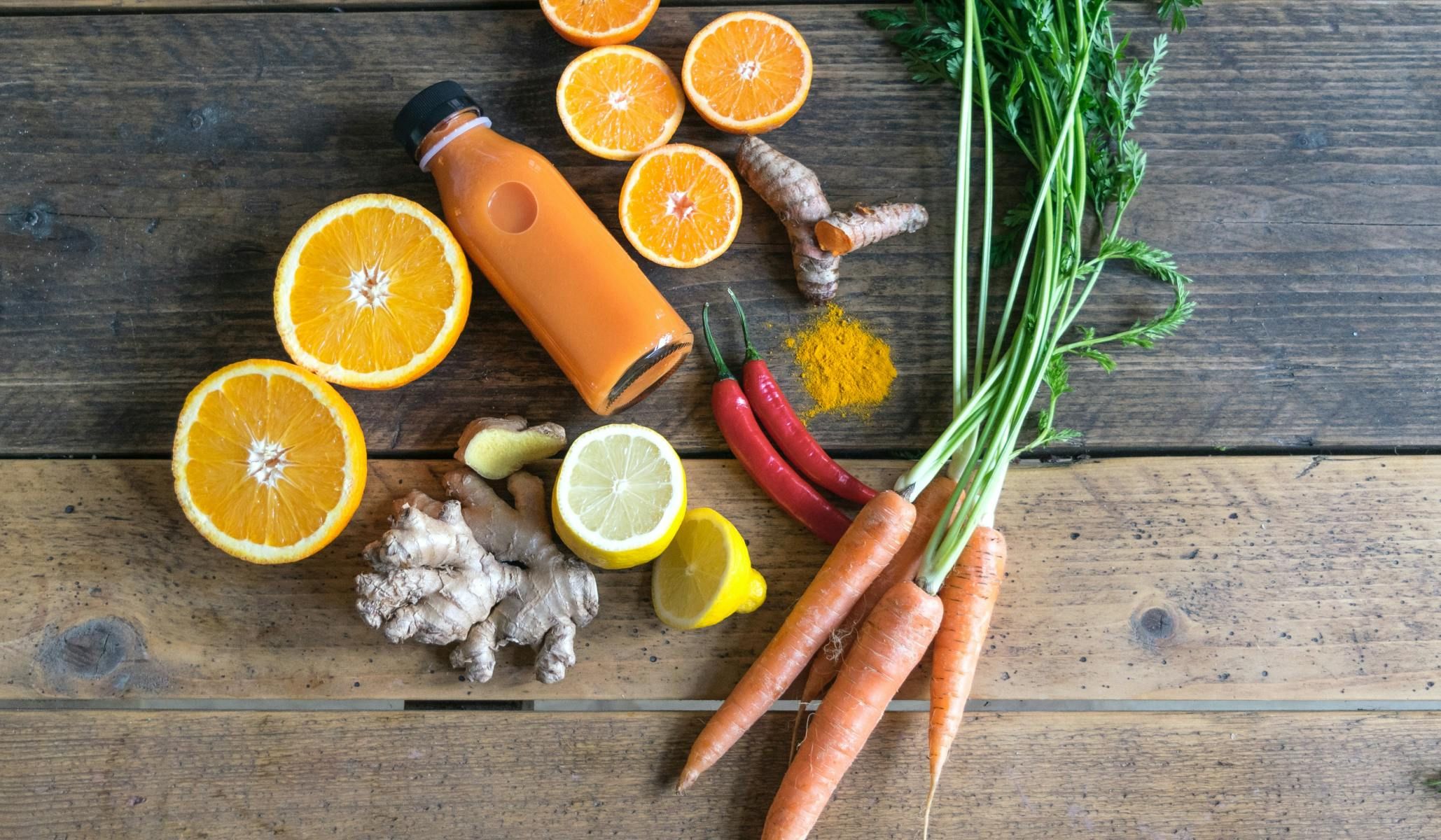
Carrots, oranges, ginger, lemon and chilli beside a bottle of juice on woodNutrition & Lifestyle

Foods for healthy teeth: what to eat and what to avoid

You brush twice a day and clean between your teeth, but are you doing everything you can for a healthy mouth? What you eat and drink affects your teeth and gums, both in the short and the long term. In this guide we show you the best foods for healthy teeth, and the foods and drinks that are better kept to a minimum.