Back to overview
Laughing young man with curly hair and beige shirt against a light background

Interdental papilla: the small gum tissue that protects your smile

Dental HealthOct 30, 20234 min read

The interdental papilla is the small triangle of gum between your teeth. It keeps bacteria out, stops dark gaps (black triangles) from forming and supports healthy gums. Find out what it does, what harms it and how to look after it every day.


Andrea Seraina

Andrea Seraina

Dental Content Specialist

What is the interdental papilla?

The interdental papilla is the small, triangular piece of gum that fills the space between two neighbouring teeth. It is a key part of healthy gums, and dentists and periodontists pay close attention to it. It matters most at the front of the mouth, where it affects both how your smile looks and how your teeth work. The papilla also helps neighbouring teeth stay in stable contact and share chewing forces.

Its height varies. It can sit closer to the root tip (apical) or closer to the crown (coronal), depending on where the enamel meets the root cement on the neighbouring teeth. This meeting point is called the cemento-enamel junction.

Papillae are also found between teeth on the cheek side of the mouth. Here they help hold teeth firmly in place, especially the canines. Canines tear and crush food, so they need very stable support from the jawbone and surrounding gum. Papillae also matter when dentists restore teeth with crowns or bridges, because the aim is a natural look and good function. Dentists use a range of techniques to care for and rebuild this small but essential tissue.

Why is the interdental papilla important for healthy gums?

Protection against gum disease

The papilla acts as a natural barrier. It stops bacteria and food debris from settling in the space between your teeth, where plaque and gingivitis can otherwise take hold. It does this job so well that a missing or damaged papilla can be an early warning sign of gum problems.

A role in how your smile looks

A healthy papilla fills the gap between your front teeth and stops dark "black triangles" from appearing. These gaps can make a smile look less even and are often hard to fix with cosmetic dentistry. Dentists can use papilla reconstruction techniques to restore a natural-looking smile.

Stable contact points between teeth

The papilla also supports the contact points between neighbouring teeth. These contacts spread chewing forces and prevent too much pressure falling on a single tooth. This is especially useful for the canines, which play a key role in sharing those forces.

With advances in technology and research, more preventive and restorative options are now available to keep this tissue healthy.

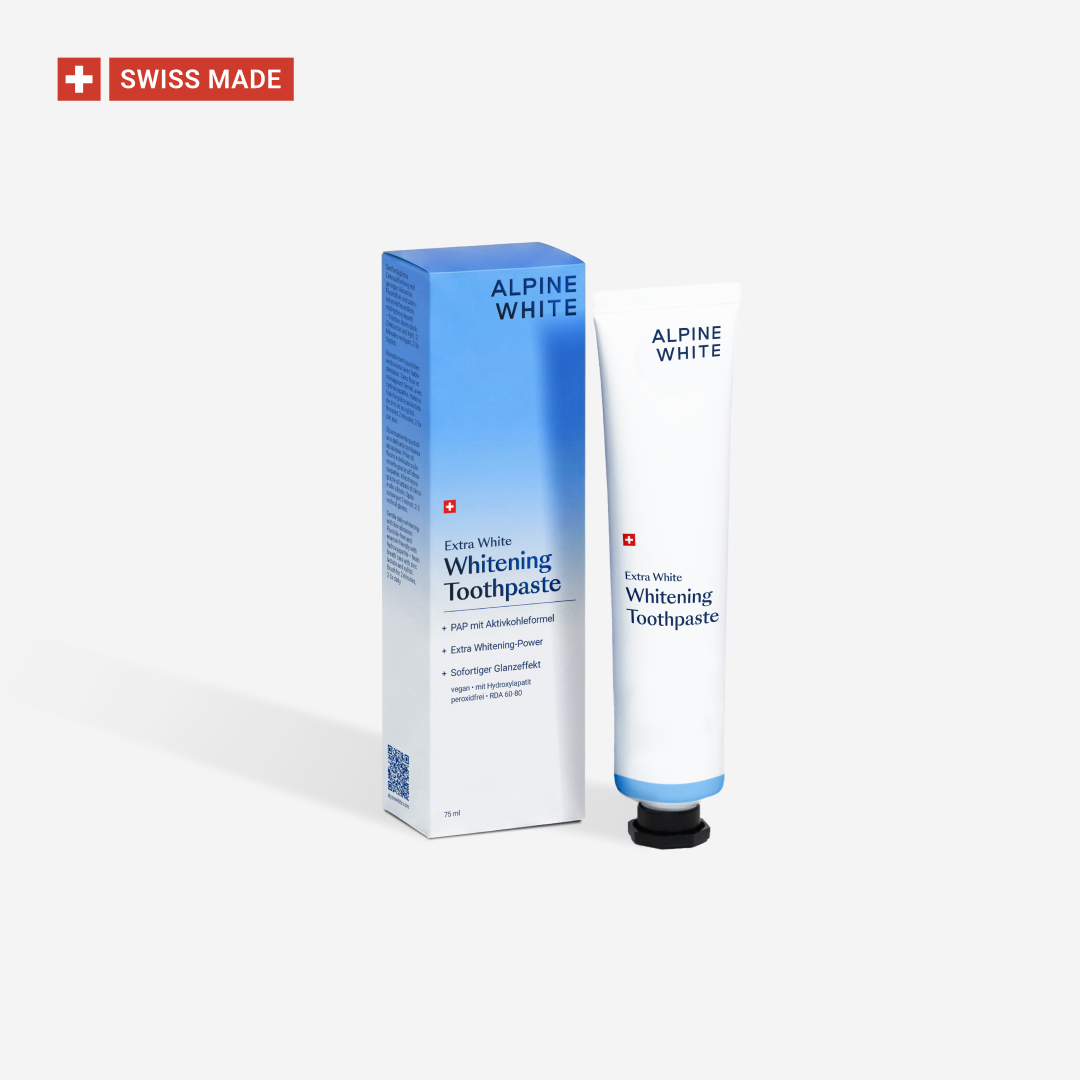
Folding box and tube ALPINE WHITE Extra White Whitening Toothpaste, “Swiss Made” note
4.7(69)

Whitening Toothpaste Extra White

€ 19.90

75 ml • € 26.53

Learn more

What can damage the interdental papilla?

Gingivitis

A major risk to the papilla is gingivitis, or inflamed gums. It is often the first stage of more serious gum disease, so treat it as a warning sign. Gingivitis is usually caused by poor oral hygiene. Plaque and food debris build up between the teeth and quickly lead to inflammation, which spreads to the papilla. If it is not treated in time, it can progress to periodontitis. Regular professional cleaning and good daily oral hygiene are therefore essential to keep your papillae healthy. See a dentist if your gums bleed, swell or hurt.

Periodontitis

Periodontitis is an inflammatory gum disease that can seriously harm the papilla. It affects all the soft tissue around the teeth, and the inflammation can lower the height of the papilla. This can cause cosmetic problems at the front of the mouth, affect how your teeth work and change the stability of the contact points between neighbouring teeth, which may lead to further dental problems. Treating periodontitis usually takes a team approach, from professional cleaning to surgery in more advanced cases, to restore the health of the papilla.

How can you protect your interdental papilla?

Daily oral hygiene

Daily oral hygiene is the foundation for healthy papillae and gums. A gentle toothpaste such as the Alpine White Whitening Toothpaste Extra White fits easily into your routine and helps keep your teeth clean and bright. Brush gently twice a day, and remember to clean between your teeth too, with interdental brushes or floss, to keep your papillae in top condition.

Professional teeth cleaning

Even the best daily routine has its limits. A professional clean (scale and polish) at your dentist or dental hygienist removes plaque and tartar from places a toothbrush cannot reach. They can also check the condition of your gums and give you tips for your daily oral care. Your Alpine White products then support the results at home.

Restorative and prosthetic procedures

In some cases, the papilla has to be rebuilt with restorative or prosthetic procedures. Dental implants, for example, offer modern solutions. Your dentist can advise you on what suits your situation.

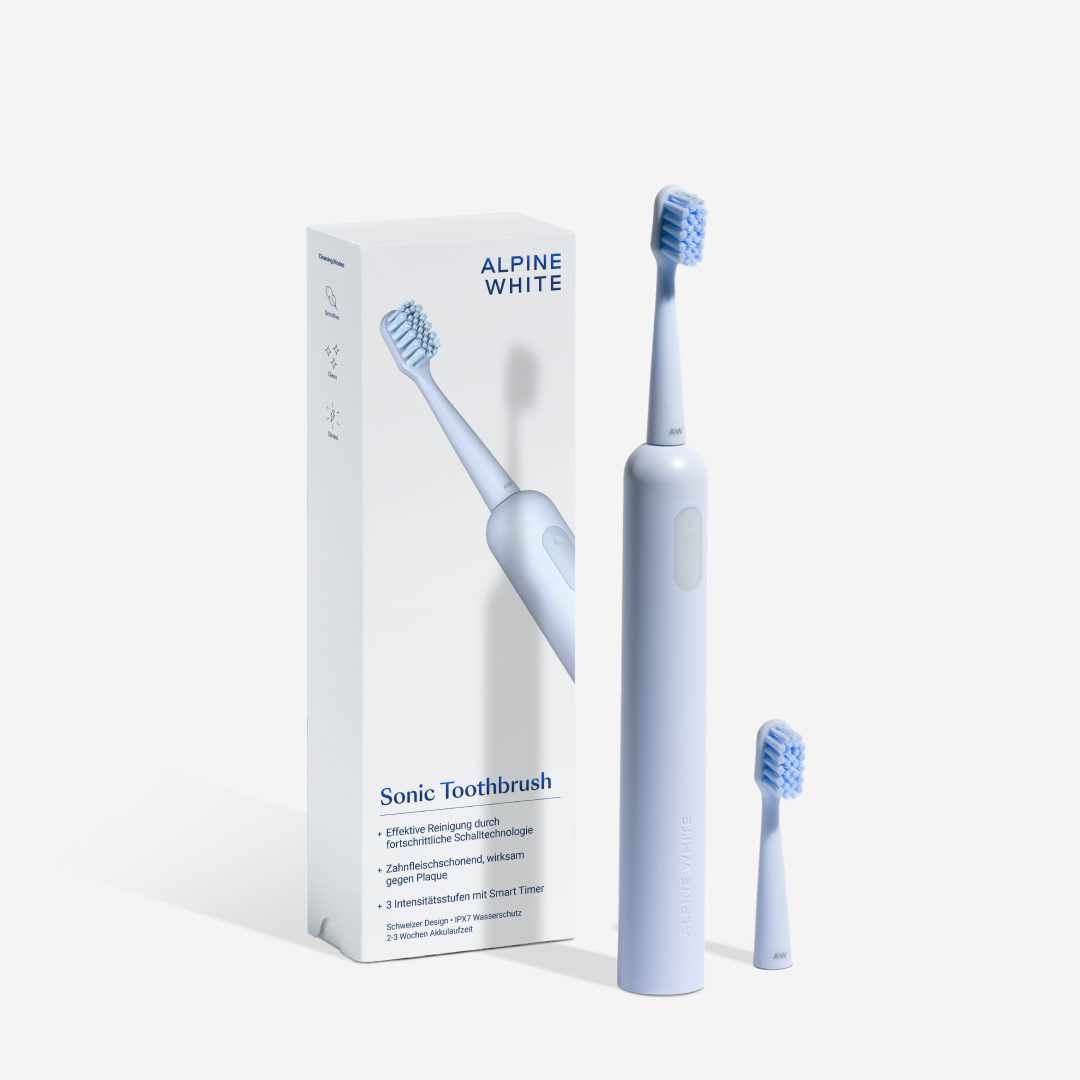
Sonic Toothbrush next to its packaging and a replacement brush head against a light background
5.0(3)

Sonic Toothbrush

€ 99.90

1 pc • € 99.90

Learn more

Final thoughts

The interdental papilla may be a small piece of tissue, but it plays a big role in both the function and the look of your smile. With the right care and attention, it can last a lifetime. At Alpine White, we make products that help you look after your teeth and gums at home.

This might also interest you

Close-up of a laughing mouth with white teeth, surrounded by dark curlsDental Health

Why cavities are more than just a hole in your tooth

Most of us have heard of cavities, usually in the context of an unpleasant trip to the dentist. Many people simply picture a small hole in a tooth that needs filling. But is it really that simple? In this article we explain what tooth decay is, how it starts, which early signs to look out for and how you can prevent it, from the hidden causes to the long-term effects on your oral health.

Smiling woman with blonde hair sticks out her tongue and winksDental Health

What is gingivitis?

Gingivitis is the earliest and most common form of gum disease. Left untreated, it can lead to periodontitis and even tooth loss. The good news is that gingivitis is reversible with good oral hygiene. Here is how to spot the signs, what causes it and how to keep your gums healthy.

Woman with wavy hair smilingly brushes her teeth with a blue toothbrushDental Health

Discoloured teeth or cavities? How to tell the difference

Are your teeth simply stained, or could it be tooth decay? Surface stains and cavities can look alike, but they need very different care. In this guide you will learn what causes discoloured teeth, how to recognise the early signs of cavities and how to prevent both, so you can keep a healthy, bright smile.