Back to overview
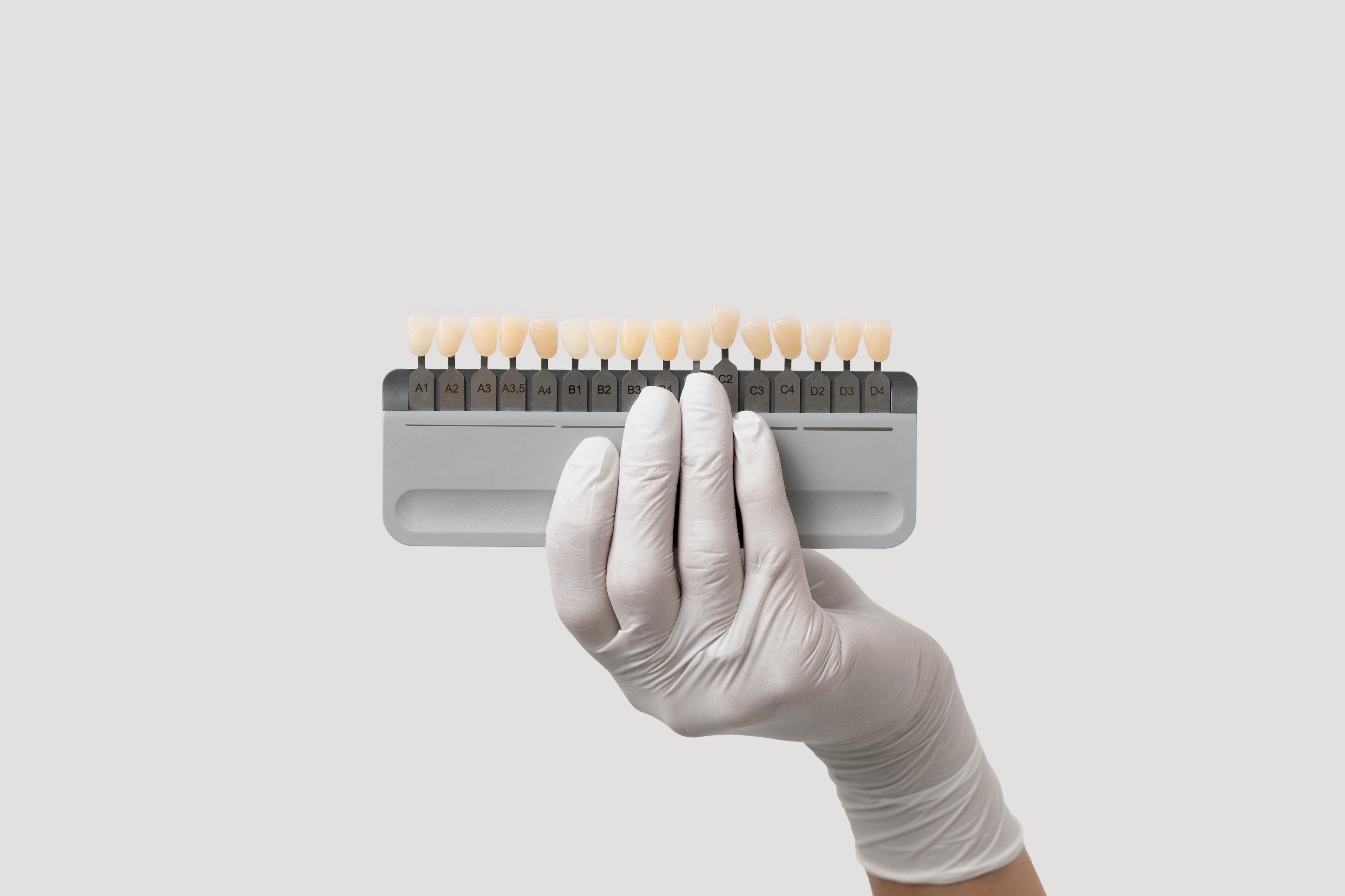
Gloved hand holding a shade guide with tooth samples against a grey background

The truth about tooth discolouration and teeth whitening options

Teeth WhiteningAug 16, 20245 min read

Tooth discolouration is a common cosmetic concern at every age. Yellow or stained teeth have many causes, and teeth whitening can brighten your smile and boost your confidence. Here are the most common causes of tooth discolouration and how well whitening works, based on current statistics and research.


Andrea Seraina

Andrea Seraina

Dental Content Specialist

What causes tooth discolouration?

Tooth discolouration can be caused by a variety of factors, both internal and external. According to a study by the American Dental Association (ADA), there are several main reasons why teeth turn yellow or look stained:

Food and drink

Certain foods and drinks are among the most common causes of stained teeth. Coffee, tea, red wine and dark fruits such as berries contain chromogens, substances that attach to tooth enamel and discolour it. According to a 2023 survey by Statista, 85% of respondents said they drink coffee or tea, which means regular exposure to these staining substances.

Smoking and tobacco

Smoking and chewing tobacco are other major causes of tooth discolouration. The tar and nicotine in tobacco leave yellowish or brown stains on the teeth. A study by the World Health Organization (WHO) shows that smokers have a three times higher risk of tooth discolouration than non-smokers.

Medication

Certain medications, such as tetracycline antibiotics, can cause permanent discolouration, especially if taken at a young age. A study by the Mayo Clinic indicates that about 10% of people who took tetracyclines in childhood have visible tooth discolouration.

Age

As we get older, tooth enamel naturally wears thinner, making the yellowish dentin underneath more visible. According to a 2022 study in the Journal of Dentistry, the prevalence of tooth discolouration rises by around 25% in people over 50.

Genetics

Some people are genetically predisposed to thinner or less resistant enamel, which makes them more prone to discolouration. According to a study in Nature, genetic predisposition can explain around 15% of cases of tooth discolouration.

Does teeth whitening work?

Teeth whitening is one of the most effective ways to treat tooth discolouration. How well it works depends on the type and cause of the discolouration and on the method used. Here are some key statistics and findings:

Professional whitening at the dentist

According to a study by the American Academy of Cosmetic Dentistry (AACD), 95% of patients who have professional teeth whitening see visible results after just one session. Whitening is particularly effective for extrinsic stains caused by food, drink and tobacco.

Whitening at home

Home whitening kits used under the supervision of a dentist also give good results. A 2023 review on PubMed shows that 80% of users notice an improvement of several shades after two weeks.

How long do whitening results last?

A 2022 study in the Journal of Esthetic and Restorative Dentistry shows that the results of professional whitening can last up to three years with proper care, such as avoiding staining substances. Regular top-up treatments can extend the results further.

Peroxide-free whitening: does it work?

Peroxide-free whitening products have also gained attention in recent years. According to a study by Harvard Health, these products can lighten mild to moderate discolouration by 1-2 shades, making them a popular alternative for people with sensitive teeth. Our ALPINE WHITE whitening strips are peroxide-free too.

How satisfied are people with whitening?

According to a 2023 survey by Statista, 87% of respondents who have whitened their teeth are happy with the results and would recommend it to others.
How can teeth whitening help?

Teeth whitening can noticeably lighten most types of discolouration, especially extrinsic stains on the surface of the enamel. Here are the main benefits:

A more confident smile

A brighter smile is often associated with health and youthfulness. Many people say they feel more confident after whitening their teeth, and a bright smile can have a positive effect on personal and professional life.

Fast results

Natural ways to whiten teeth can take weeks or months, while professional whitening delivers results within a few hours. It is a quick option if you want to improve your smile fast.

Adjustable to your needs

Whitening can be adapted to the shade you want and to how sensitive your teeth are. Gentle, peroxide-free options are designed for people with sensitive teeth or anyone who wants to avoid the possible side effects of peroxide-based products. They are milder, yet still give visible results.

With ALPINE WHITE products, your smile is not only brighter but also cared for in a gentle, healthy way. They are a good choice if you value natural, lasting results.

How do you keep your teeth white after whitening?

Whitening removes stains effectively, but prevention and consistent aftercare are just as important for long-term results. According to a study by the American Dental Association (ADA), teeth that are not properly cared for after whitening lose up to 50% of their brightness within six months.

Prevention and daily care

One of the most important steps is to cut down on staining foods and drinks such as coffee, tea, red wine and cola. A drinking straw can help limit contact between these drinks and your teeth. It is also advisable to brush at least twice a day and use dental floss to prevent plaque and stains.

Top-up treatments and at-home support

Many dentists recommend regular top-up treatments to keep teeth bright. These can be done every six months to two years, depending on your needs and habits. A study in the Journal of Clinical Dentistry shows that top-up treatments can extend the effectiveness of the original whitening by up to five years. Your dentist or dental hygienist can advise you on what suits your teeth.

Which whitening toothpaste helps maintain results?

After whitening, it is especially important to use a mild toothpaste that suits sensitive teeth. ALPINE WHITE offers a whitening toothpaste made for brighter teeth. It helps protect the enamel and keep your results for longer, with gentle ingredients that help prevent further staining while strengthening the teeth.

Combining gentle, peroxide-free whitening with regular use of a whitening toothpaste helps your smile stay bright for longer. It can reduce the need for frequent touch-ups and supports your overall dental health, in a natural and gentle way.

Conclusion

Tooth discolouration is a common problem with many causes, from diet and lifestyle habits to age and genetics. Teeth whitening is an effective way to treat stained teeth and restore a bright smile. The statistics show that whitening works for most people and can clearly improve the look of your teeth.

This might also interest you

Female dentist treats a patient in a bright practice with large windowsTeeth Whitening

Teeth whitening for a confident smile

Do you dream of whiter teeth and a smile you feel confident about? Interest in teeth whitening has grown fast, and there are more ways than ever to whiten teeth. This guide explains how teeth whitening works, which methods exist, what to check first and how to keep your results.