Teeth whitening methods: which one suits you?
There are several ways to whiten teeth. They differ in how well they work and how they are used.
Whitening teeth at home
Home whitening is popular with people who want to whiten their teeth in comfort. Products such as whitening gels, whitening toothpastes or trays can lighten your teeth by a few shades. Choose products that are gentle on your enamel and do not cause excessive sensitivity. Alpine White offers the Whitening Kit and whitening strips for exactly this.
Professional teeth whitening at the dentist
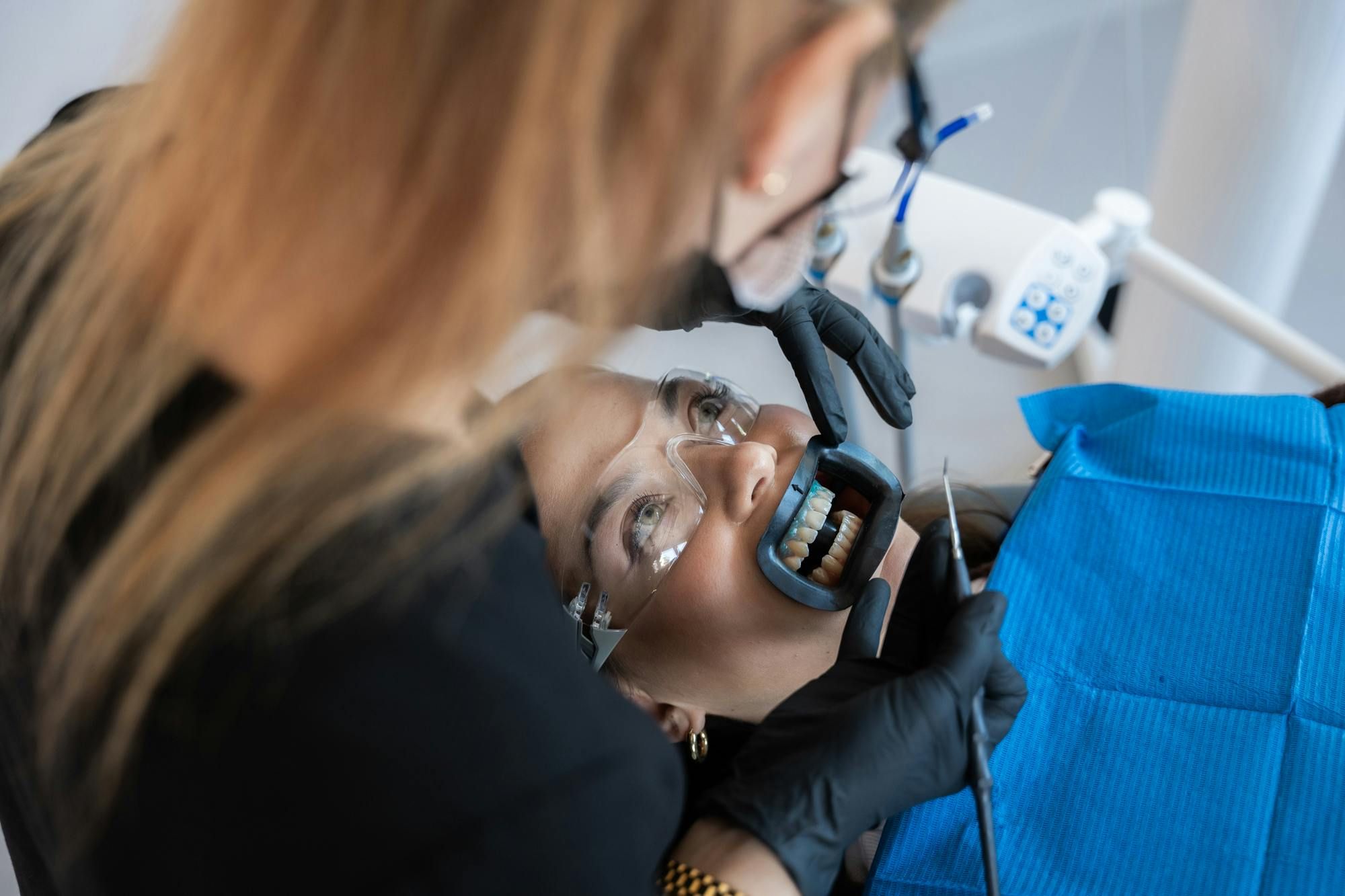
Your dentist can offer professional whitening. Methods such as power bleaching or in-office bleaching often give faster, more intensive results. A qualified dentist should always carry them out to protect the health of your teeth and gums.
Professional treatment plus whitening at home
A professional whitening treatment lifts stains effectively and gently when it is done by trained dental staff. Some treatments use a peroxide-free gel to remove the pigments behind discoloured teeth, which is kind to the tooth necks and the rest of the tooth structure.
Afterwards, you can support the result at home with a whitening toothpaste and other whitening products, so you enjoy a bright smile for longer.
Veneers
Veneers are an option for severe discolouration, for example after root canal treatment. These stains are often so deep that conventional whitening is not enough. Veneers are thin shells of ceramic or composite that your dentist fits onto the affected teeth to improve not only the colour but also the shape and overall look of the tooth.
They imitate the natural tooth colour well and last a long time, which makes them popular with people who want a more comprehensive aesthetic change than simple whitening can offer.
What are the benefits of teeth whitening?
Teeth whitening has several advantages:
- Improved appearance: brighter teeth can noticeably improve how you look and add to a radiant smile.
- More self-confidence: a whiter smile can boost your confidence and help in your social and professional life.
- Fast, visible results: professional whitening in particular can deliver visible results in a short time.
What should you check before whitening your teeth?
Your dental health plays a crucial role in whitening and in the overall look of your smile. Keep these points in mind before you start:
Professional teeth cleaning
A professional teeth cleaning with a dental hygienist (a scale and polish) is often a sensible first step before whitening. It removes deposits such as tartar and plaque and helps clear surface stains that could affect the result. Ideally, your last professional cleaning should be no more than two months ago, so conditions for whitening are optimal.
Condition of your enamel
The state of your enamel matters too. Healthy, intact enamel is important for successful whitening. If your enamel is already damaged or your teeth are very sensitive, speak to your dentist first. They can assess your enamel and tell you whether whitening is suitable or whether another method would be better for your smile.

 Teeth Whitening