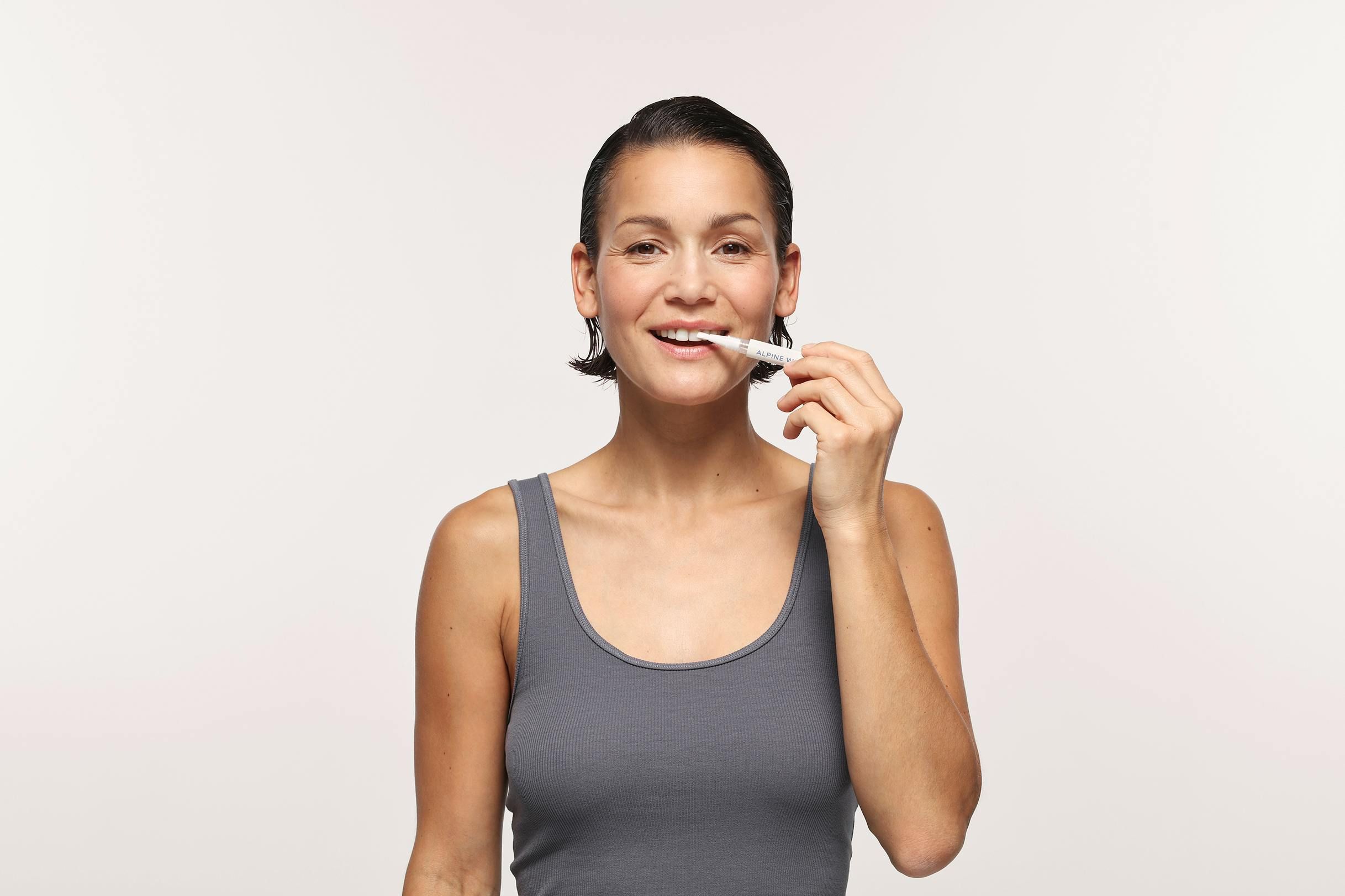
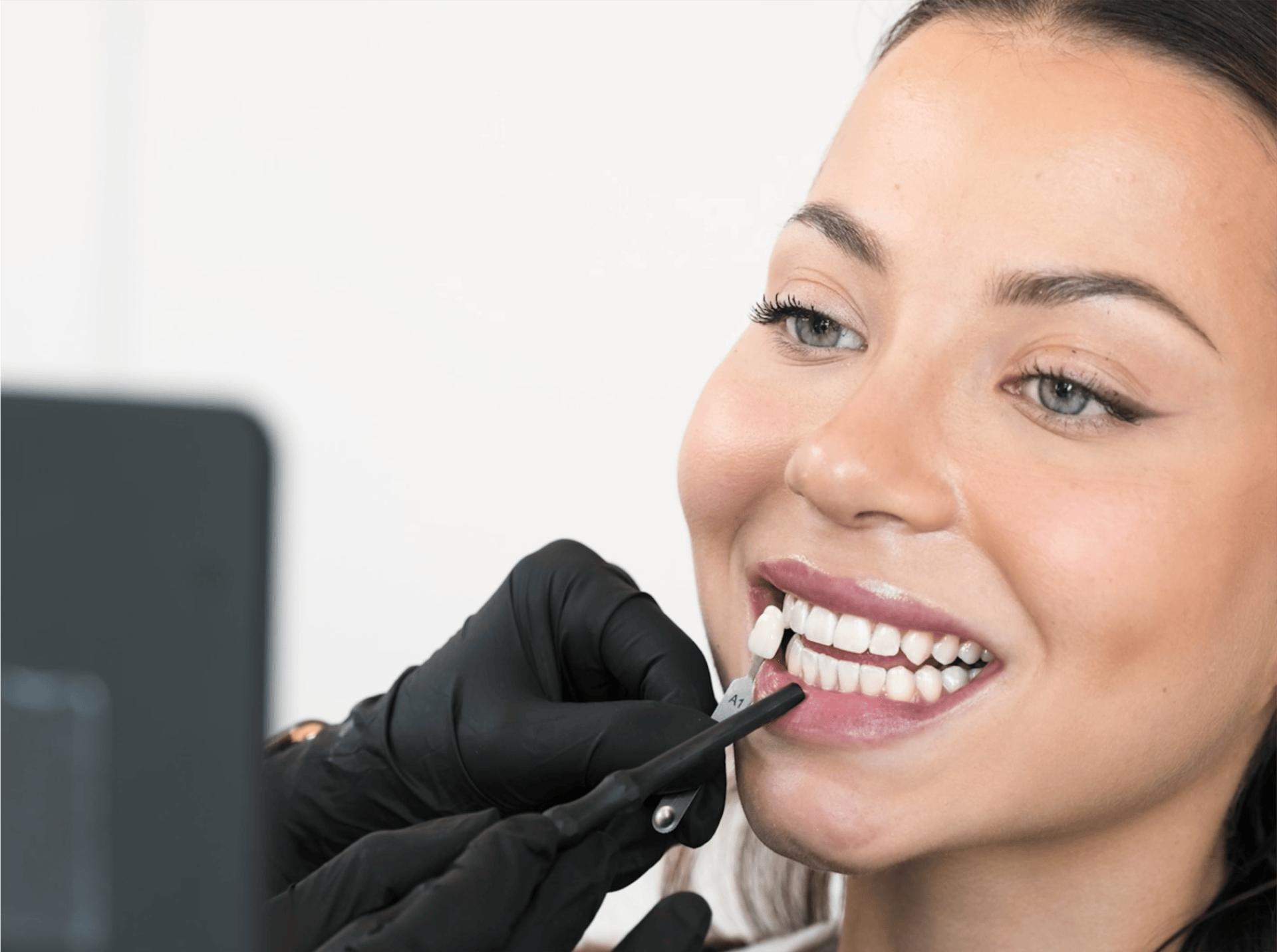
What is teeth bleaching and how does it work?
Bleaching or teeth whitening is a cosmetic process that treats stains on the tooth surface so that teeth look brighter. Over time, coffee, tea, red wine and tobacco can discolour your teeth. Professional bleaching at the dentist is designed to lift these stains and give you a brighter smile.
What is a bleaching lounge?
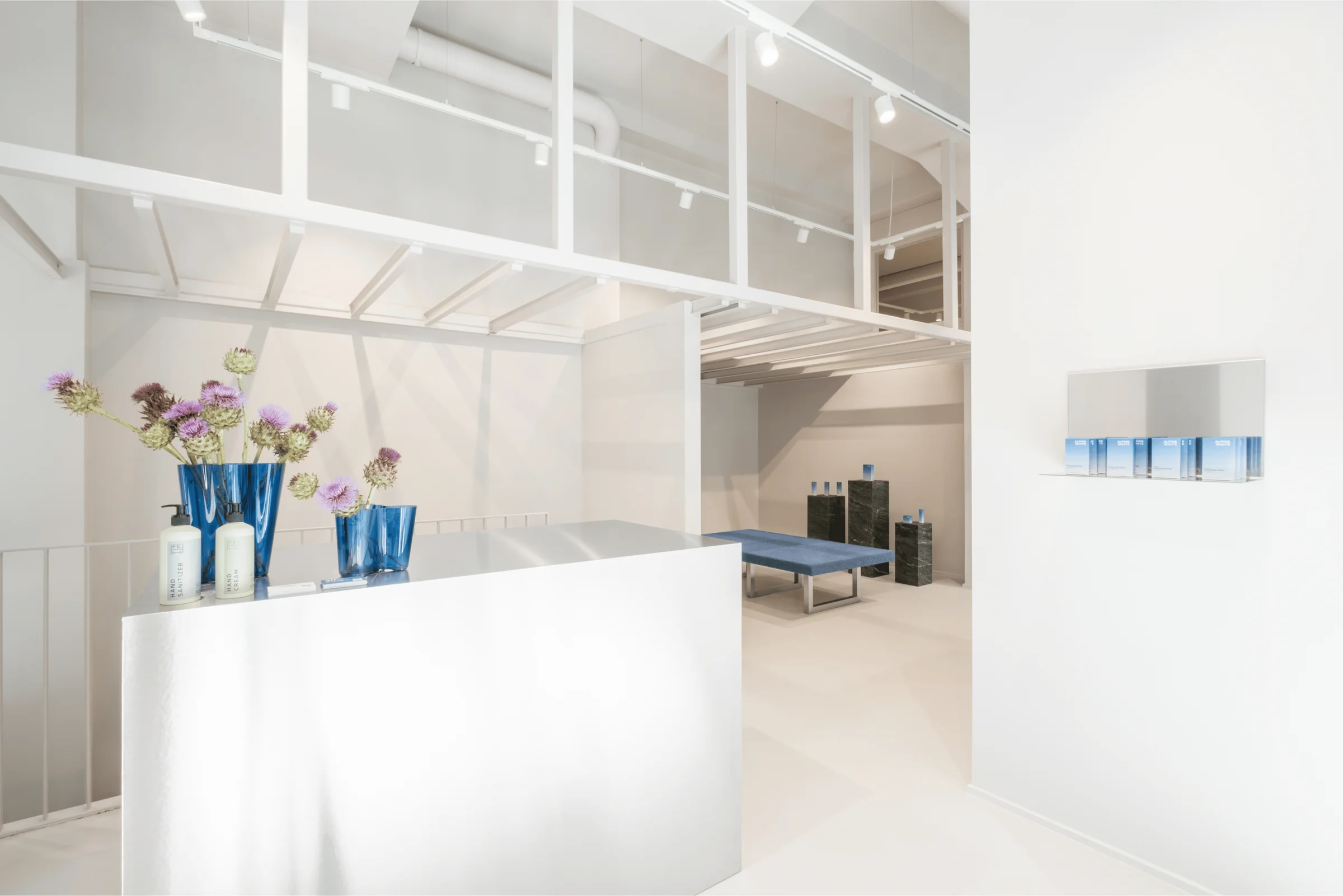
A bleaching lounge is a specialised space dedicated to cosmetic teeth whitening. These relaxed, often stylishly furnished rooms aim to turn a trip to the dentist from a necessity into something soothing, almost like a spa visit.
The concept grew out of the trend for aesthetic dentistry that became popular in cities such as Los Angeles and New York over recent decades. It reflects people's growing interest in cosmetic treatments that are not only effective but also pleasant. Inspired by wellness and beauty salons, bleaching lounges combine professional dental care with a high level of hospitality, and use modern technology and quality materials to keep whitening effective and gentle.
Power bleaching: fast and intensive
Power bleaching is an advanced form of professional teeth whitening designed to deliver clear results in a short time. It uses highly concentrated bleaching agents activated by a special light source, such as halogen, LED or laser light. The activation speeds up the process, so stains can be treated faster than with conventional methods.
Power bleaching is popular with people who want a quickly visible result, for example before an important event or a photo shoot.
What are the possible disadvantages of power bleaching?
Power bleaching is quick and effective, but a few points are worth considering. The concentrated bleaching agents and intense light can cause temporary tooth sensitivity, especially if your teeth are already sensitive. The good news is that this usually passes after a few days.
Cost is another factor. As a specialised and fast method, power bleaching can be more expensive than slower approaches, particularly if several sessions are needed to reach the result you want.
It is also worth knowing that power bleaching does not work on every type of discolouration. Internal staining caused by medication or fluorosis can be more resistant to bleaching agents. In such cases, other cosmetic treatments such as veneers may be a better option.
In summary, power bleaching offers fast, visible results, but it should always be chosen with your dental health, the type of staining and your budget in mind. A consultation with a qualified dentist is essential to find the best method for you.
What happens during in-office bleaching?
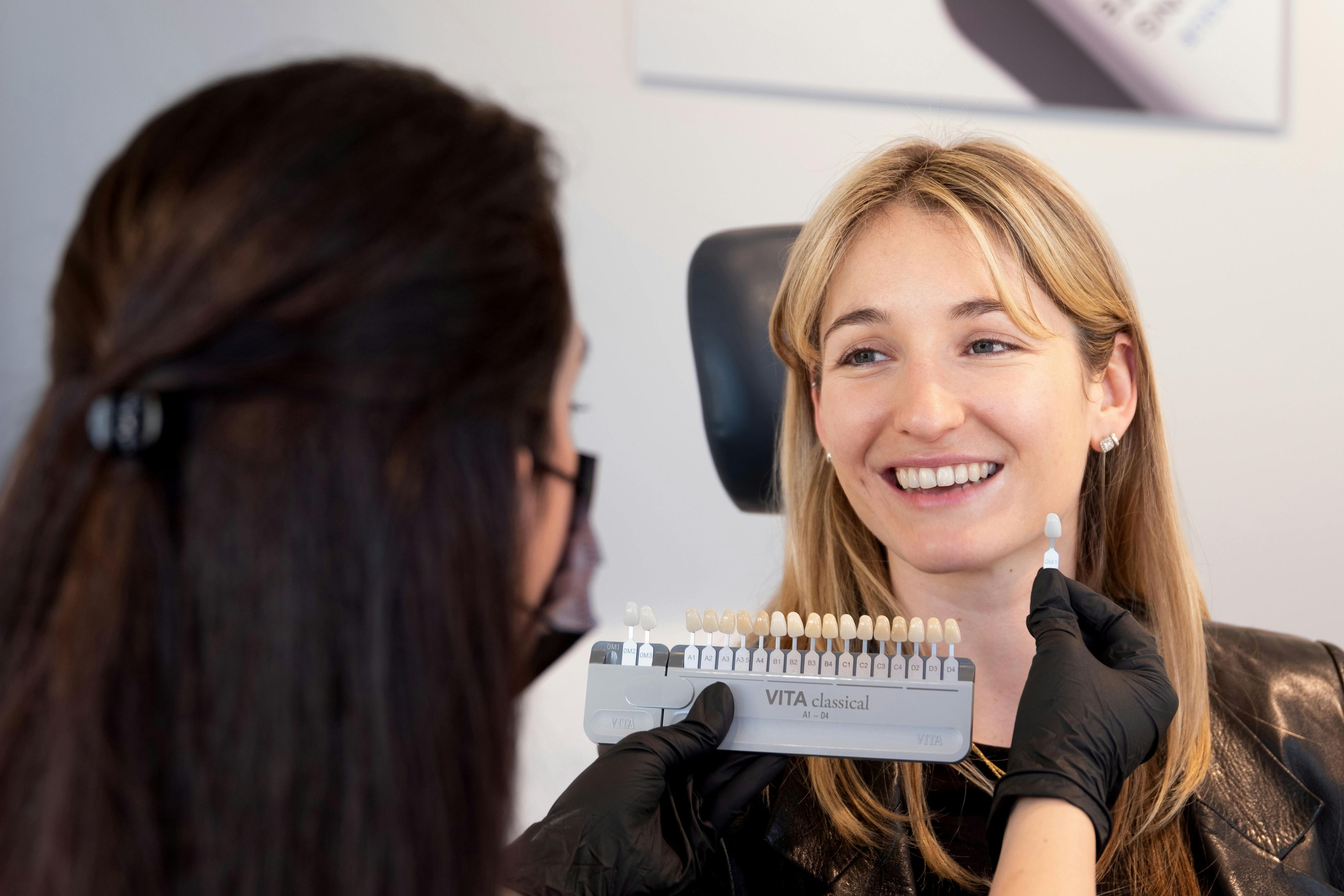
In-office bleaching is carried out by a dentist or dental hygienist in a professional practice, under strict hygiene standards. The practitioner checks your teeth first, applies the bleaching gel carefully and monitors the process so that the result looks natural.
If you have sensitive teeth, tell your practitioner beforehand so the treatment can be adapted to you.
To take your oral hygiene to the next level, many dentists combine bleaching with a professional clean (scale and polish). Removing tartar and plaque first lets the bleaching gel work evenly. Regular top-up appointments can then help you maintain the whiteness of your teeth.
What should you look for in a teeth whitening treatment?
Comfort and gentleness
Choose methods and products that suit sensitive teeth and that your dentist is happy to adjust to your needs. A good treatment should be comfortable and stress-free.
A natural-looking white
The aim is an authentic white that does not look artificial. A healthy, natural-looking result improves your smile and protects the health of your teeth.
A clear plan for aftercare
Professional bleaching works best when it is followed by good daily habits: thorough brushing, a whitening toothpaste and occasional top-ups at home to keep stains from coming back.

 Teeth Whitening