What is teeth bleaching?
Teeth bleaching, also known as teeth whitening, is a widespread cosmetic treatment in dentistry. Its aim is to make your teeth lighter and remove stubborn stains. Stains can come from coffee, tea and red wine, and smoking makes them worse. Natural ageing and certain medications can also change the colour of your teeth.
How do bleaching agents work?
Professional bleaching uses special gels that often contain hydrogen peroxide or carbamide peroxide. These substances penetrate the tooth surface and break down the organic molecules that cause discolouration. The result is a visibly brighter, more even smile.
Why dental hygiene matters
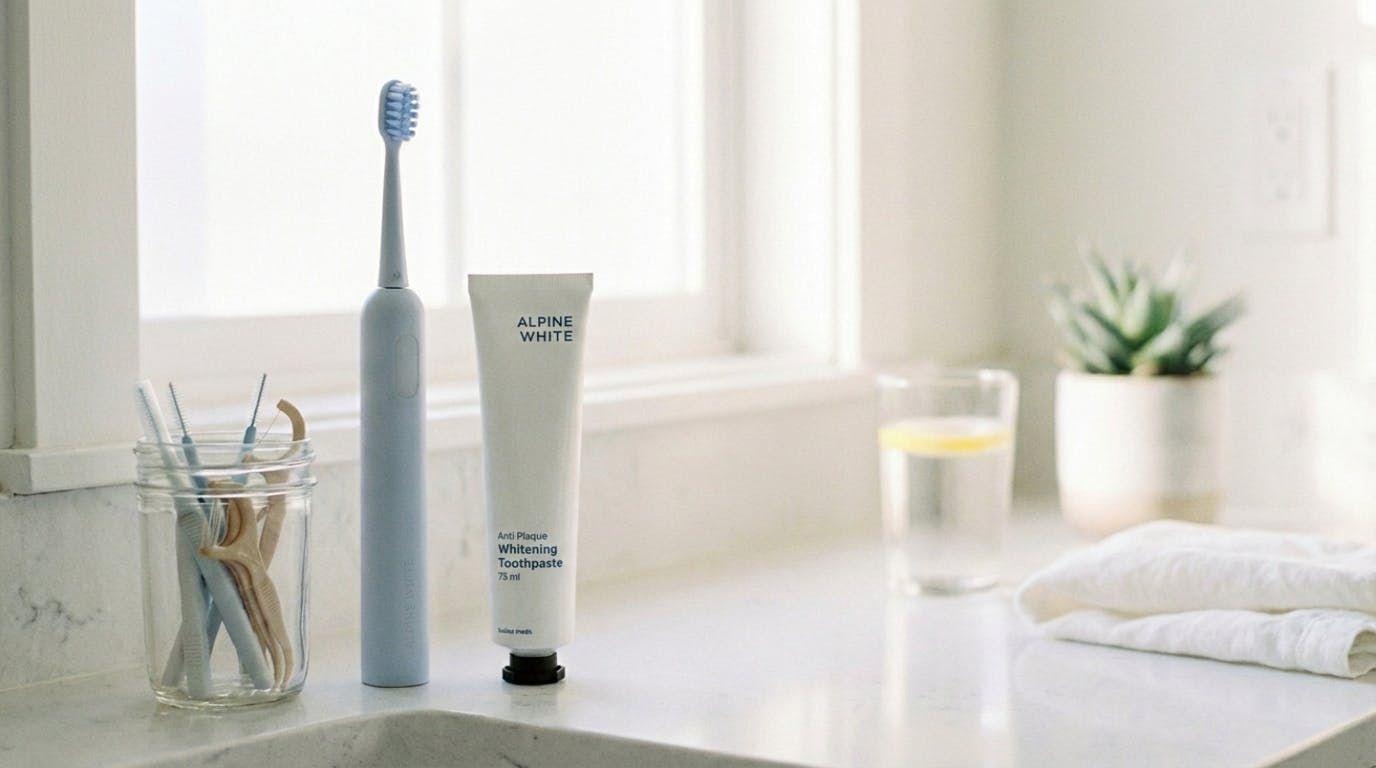
Good oral hygiene is a key part of any whitening plan. A scale and polish with your dental hygienist, together with consistent daily brushing, helps you keep your results for longer and protects against new stains and other dental problems. At home, a Sonic Toothbrush and a whitening toothpaste make everyday care easier.
Challenges and special conditions
Some teeth, especially those affected by tooth decay, root canal treatment or other trauma, can respond poorly to conventional bleaching agents. They often need extra dental treatment to restore their colour or at least stabilise the tooth structure. Exposed tooth necks or worn enamel can also cause increased sensitivity, which makes bleaching these areas harder.
What about sensitive teeth after whitening?
Some people notice sensitive teeth after a bleaching treatment. That is why such treatments should always be supervised by a dental professional, who can take steps to protect your gums and tooth structure and keep discomfort to a minimum.
In-office bleaching at the dentist
At a dental practice you can have in-office bleaching, a fast method often called power bleaching. A strong bleaching agent, usually containing hydrogen peroxide or carbamide peroxide, is applied to the teeth. A special light is often used to activate the gel. The treatment takes about an hour and can whiten your teeth noticeably. Because the gel is very strong, however, power bleaching is often accompanied by pain.
Home bleaching: the do-it-yourself alternative
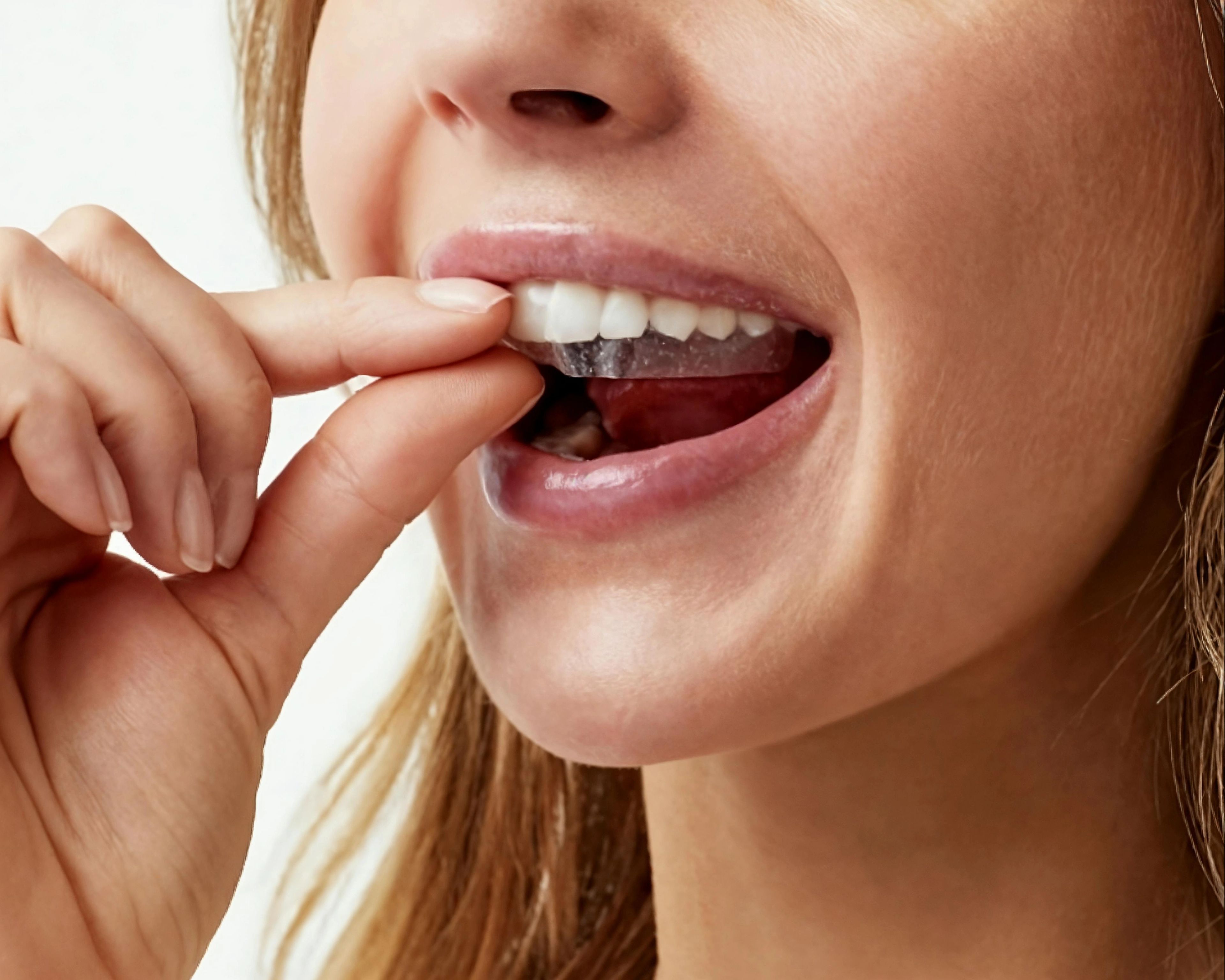
Besides in-office bleaching, there is home bleaching. Your dentist makes custom-fitted trays that you fill with a bleaching gel, which is usually less concentrated than the one used in the practice. You wear the trays at home every day for a set period. It takes longer, but whitening is gentler and you can do it in your own time. You can also whiten your teeth at home with products such as our whitening strips or Whitening Kit. They lift pigments and take you to brighter teeth in a few simple steps.
What should you look out for?
Before any bleaching, it is advisable to have a professional teeth cleaning to remove plaque and surface stains. Remember too that fillings, veneers and implants cannot be whitened, so it is best to match their colour to your teeth after whitening, not before.
Bleaching is a process
Bleaching is rarely a one-off treatment. It is a process that often takes several sessions to reach the result you want. How many you need depends on the starting colour of your teeth, how deep the stains are and your own whitening goals. Some people see clear improvement after one session, but several appointments are often needed for even, lasting results.
This step-by-step approach also lets the dentist watch how your teeth react to the bleaching agent and adjust where needed to limit sensitivity and other side effects. It also gives you the chance to judge your progress and decide when you are happy with the shade. Professionally guided bleaching is therefore a tailored solution built around your needs.
Risks and side effects
Bleaching is considered safe when carried out by professionals, but there can be side effects, especially with substances such as hydrogen peroxide. These include sensitive teeth and gum irritation. The effect is also not permanent, and certain foods and drinks can stain your teeth again.
A gentle at-home alternative to bleaching
If you want to avoid the strong gels used in practice, whitening at home is a gentler way to go. Peroxides are effective, but they can cause sensitivity, so a mild routine is a good option for sensitive teeth and gums.
How to keep your results
After professional bleaching, keep up your daily brushing, limit coffee, tea and red wine, and see your dental hygienist regularly. Our whitening strips help you freshen up your shade gradually between appointments.
Final thoughts
Choosing the right whitening method is key to getting the result you want while keeping your teeth healthy. Dental practices offer effective solutions for quick results, while gentle home whitening suits anyone who prefers a slower, milder approach. If you have pain, bleeding gums or persistent sensitivity, speak to your dentist.


 Teeth Whitening