What is mouth cancer?
Mouth cancer, also called oral cancer, is a group of cancers that can develop in different parts of the mouth. These include the lips, tongue, floor of the mouth, cheeks, hard palate, salivary glands and the throat. It can affect people of any age and gender, and it is much easier to treat when it is found early.
The most common type: squamous cell carcinoma
Squamous cell carcinoma is by far the most common form of mouth cancer. It starts in the flat cells that line the inside of the mouth. It is often found late, because early symptoms are easily mistaken for minor oral problems. The tumour can begin on the surface of the lining and grow deep into the surrounding tissue, which makes treatment more complex.
Which areas of the mouth can be affected?
- Lips: changes in the colour or texture of the lip skin. Cancer here can spread to nearby muscle and bone.
- Tongue: often aggressive, and it can make speaking, swallowing or breathing difficult. Early signs include a sore that does not heal or a hardened area.
- Floor of the mouth: tumours here often go unnoticed and can spread quickly to the neck and other head and neck areas.
- Cheeks: tumours can grow on the inner or outer layer. Look out for swelling, discolouration or lumps.
- Hard palate: less common, but it can damage the roof of the mouth and cause problems with eating and speaking.
- Salivary glands: can disrupt saliva production and lead to a dry mouth, which in turn causes other oral health problems.
- Throat: part of the wider group of head and neck cancers, and it often affects swallowing and breathing.
What are the early signs of mouth cancer?
Symptoms vary. Common signs include swelling, mouth ulcers that do not heal, red or white patches, numbness, sore spots and other changes in the lining of the mouth. Persistent bad breath, difficulty swallowing and a change in your voice can also be warning signs. Finding mouth cancer early matters, because the chances of successful treatment are much higher in the early stages.
How is mouth cancer diagnosed?
Imaging methods such as magnetic resonance imaging (MRI) and computed tomography (CT) are used to work out the size of a tumour and whether it has spread to the lymph nodes or surrounding areas.
Why oral hygiene matters for your mouth health
Good oral hygiene protects your teeth and gums, and it also makes it easier to notice changes in your mouth early. Thorough, regular care is part of a healthy routine and goes hand in hand with regular check-ups.
Brush properly, twice a day
Brush at least twice a day with a fluoride toothpaste to remove plaque. Plaque is a sticky film of food residue, bacteria and saliva. If it is not removed, it can lead to gum inflammation (gingivitis) and later to more serious gum disease (periodontitis). Chronic inflammation in the mouth is not good for your overall health.
Floss and rinse
Clean between your teeth at least once a day with floss or interdental brushes, because your toothbrush cannot reach everywhere. A mouthwash can add to brushing and flossing by reducing the bacteria that remain afterwards.
Add Alpine White to your daily routine
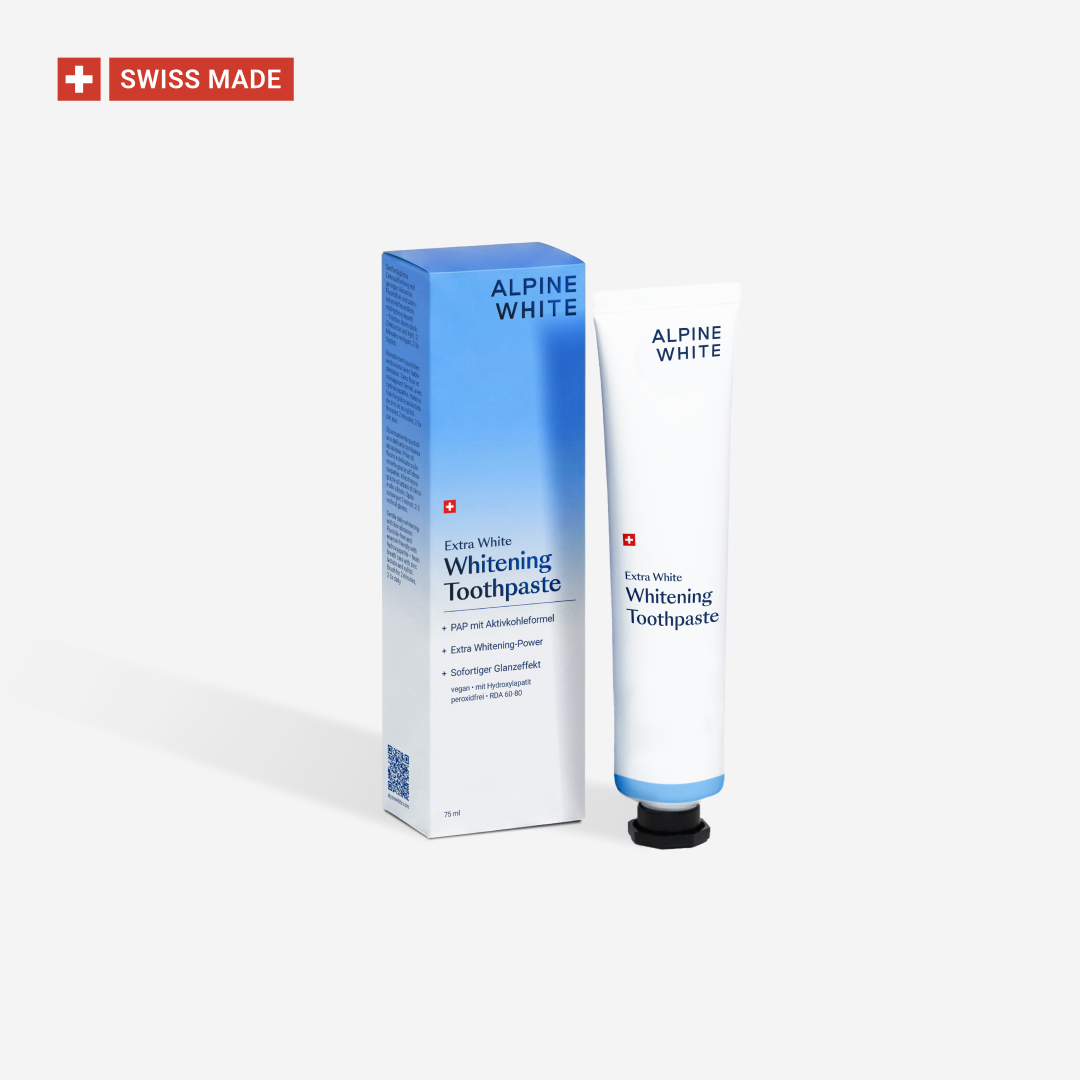
Alpine White offers products designed to care for your teeth gently and effectively. Our peroxide-free whitening products brighten your smile without the irritation that some conventional whitening products can cause. They support your daily routine, but they do not replace regular check-ups.
Why professional teeth cleaning is worth it
Good daily care is essential, but a professional clean (a scale and polish) is a valuable addition. It keeps your mouth healthy and gives a trained professional the chance to spot unusual changes early.
Early detection at the dentist or dental hygienist
During a check-up or professional clean, your dentist or dental hygienist looks closely at your mouth for ulcers, patches and changes in the texture of the lining. They are trained to recognise these signs and can recommend the next steps. Having a professional clean at least twice a year helps keep your smile looking good and supports early detection.


 Teeth Whitening