Why do teeth stain? Causes of yellow and stained teeth
Tooth discolouration is not only a cosmetic issue. It can also say something about the overall health of your mouth. Stains often build up through everyday habits such as drinking coffee, tea, red wine or dark juices. These drinks contain strong colour pigments that settle on the tooth surface and gradually leave visible stains. Smoking and other tobacco products add significantly to the problem. Certain medications, such as some antibiotics, and the natural ageing process can also change the colour of your teeth.
What are the risks of traditional peroxide whitening?
Traditional whitening, whether at the dentist or at home, often relies on bleaching agents such as hydrogen peroxide or carbamide peroxide to lift deep-seated pigments. These chemicals can attack the tooth surface and open the pores of your tooth enamel, which can lead to increased tooth sensitivity. In the long term, this may weaken the tooth structure and raise the risk of cavities and tartar.
Professional and at-home options for whitening teeth
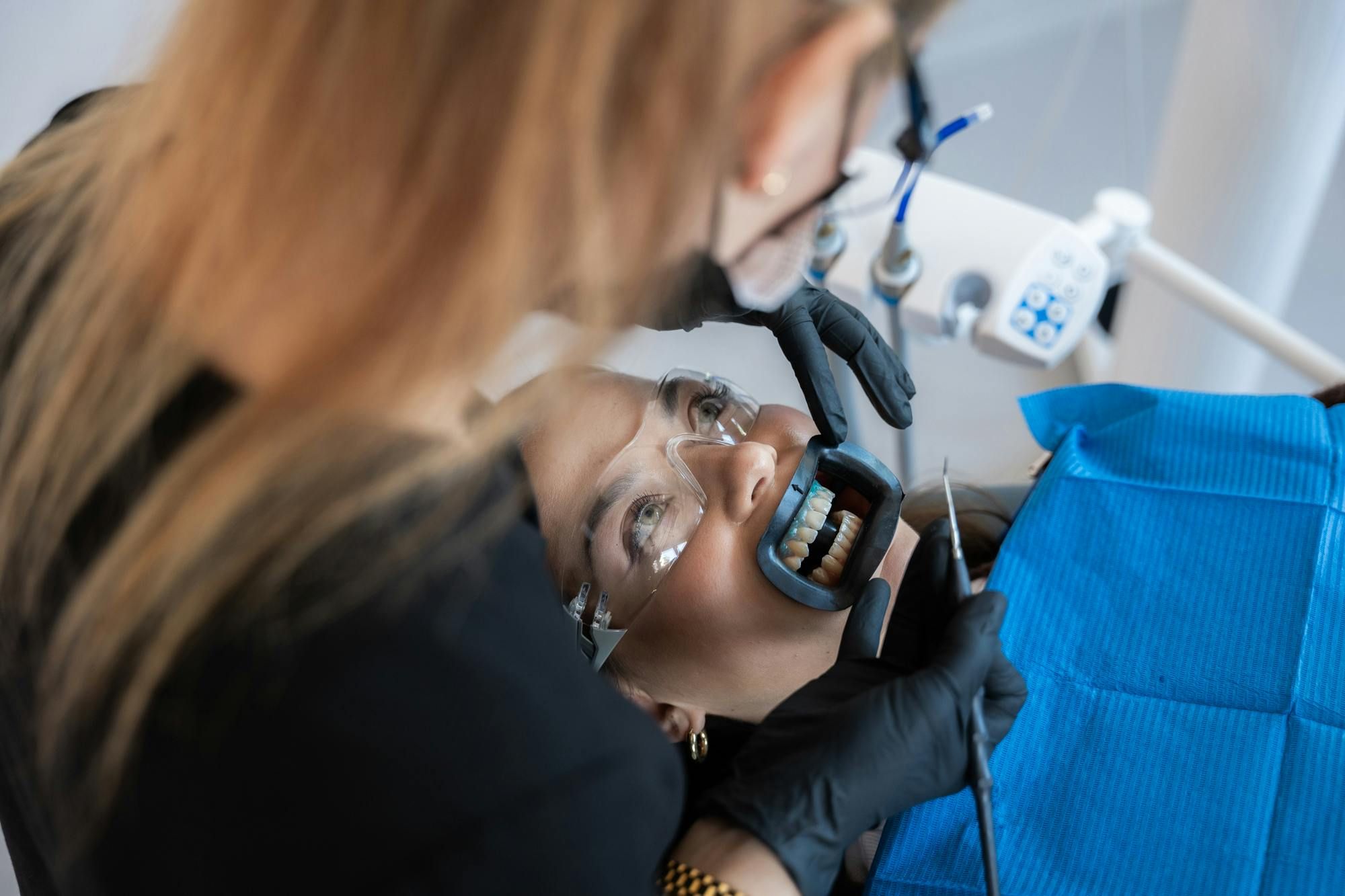
Among the professional whitening methods, dental practices often offer treatments such as power bleaching, which deliver intensive whitening under expert supervision. They are carried out by experienced professionals and suit people who want visible results quickly. Modern approaches also include whitening with activated charcoal or special whitening toothpastes, which help to remove surface stains effectively.
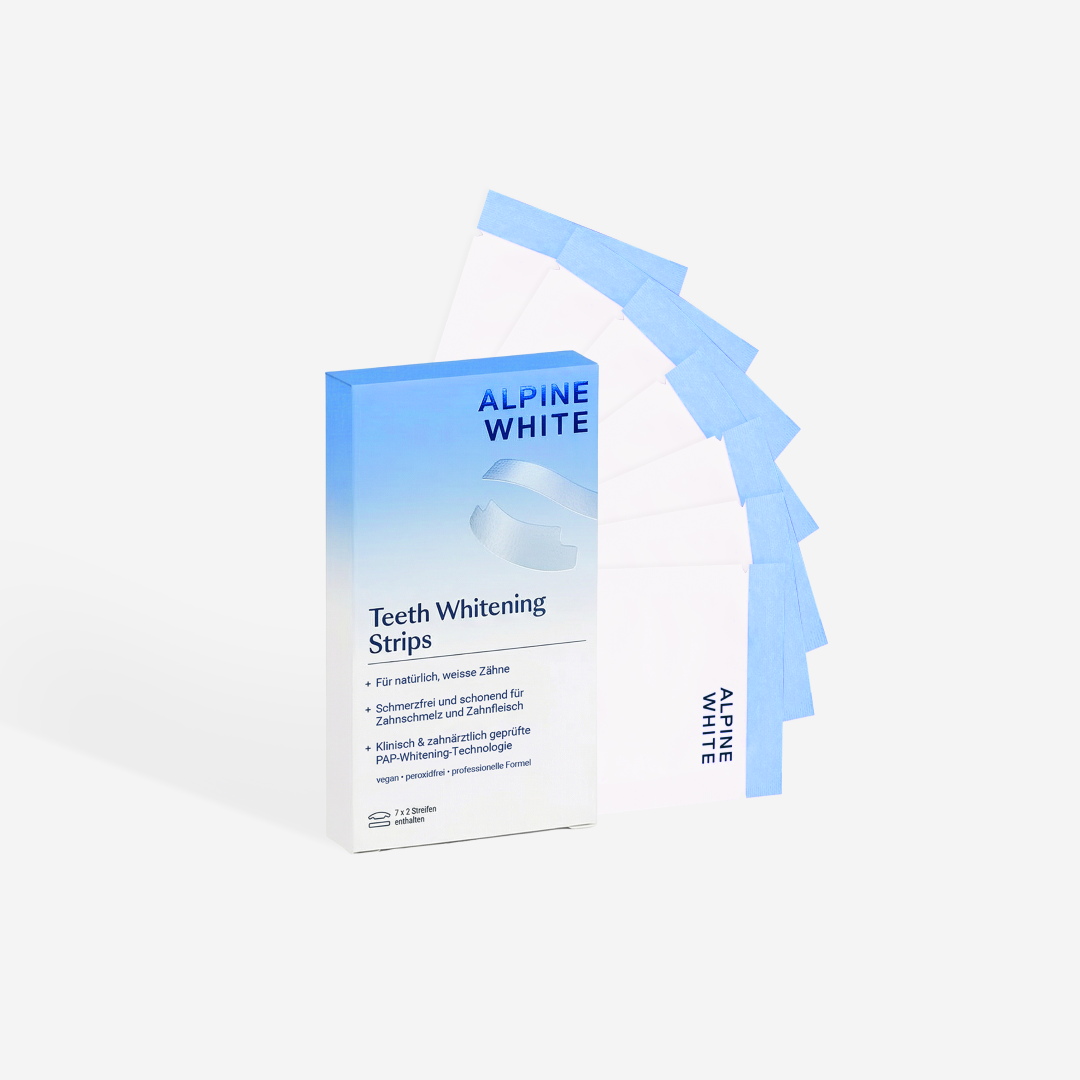
If you prefer a less invasive method, a home whitening kit is a practical solution. These kits are easy to use and formulated not to irritate your gums. Products such as whitening strips brighten your smile at home without damaging the tooth surface.


 Teeth Whitening