What is teeth bleaching?
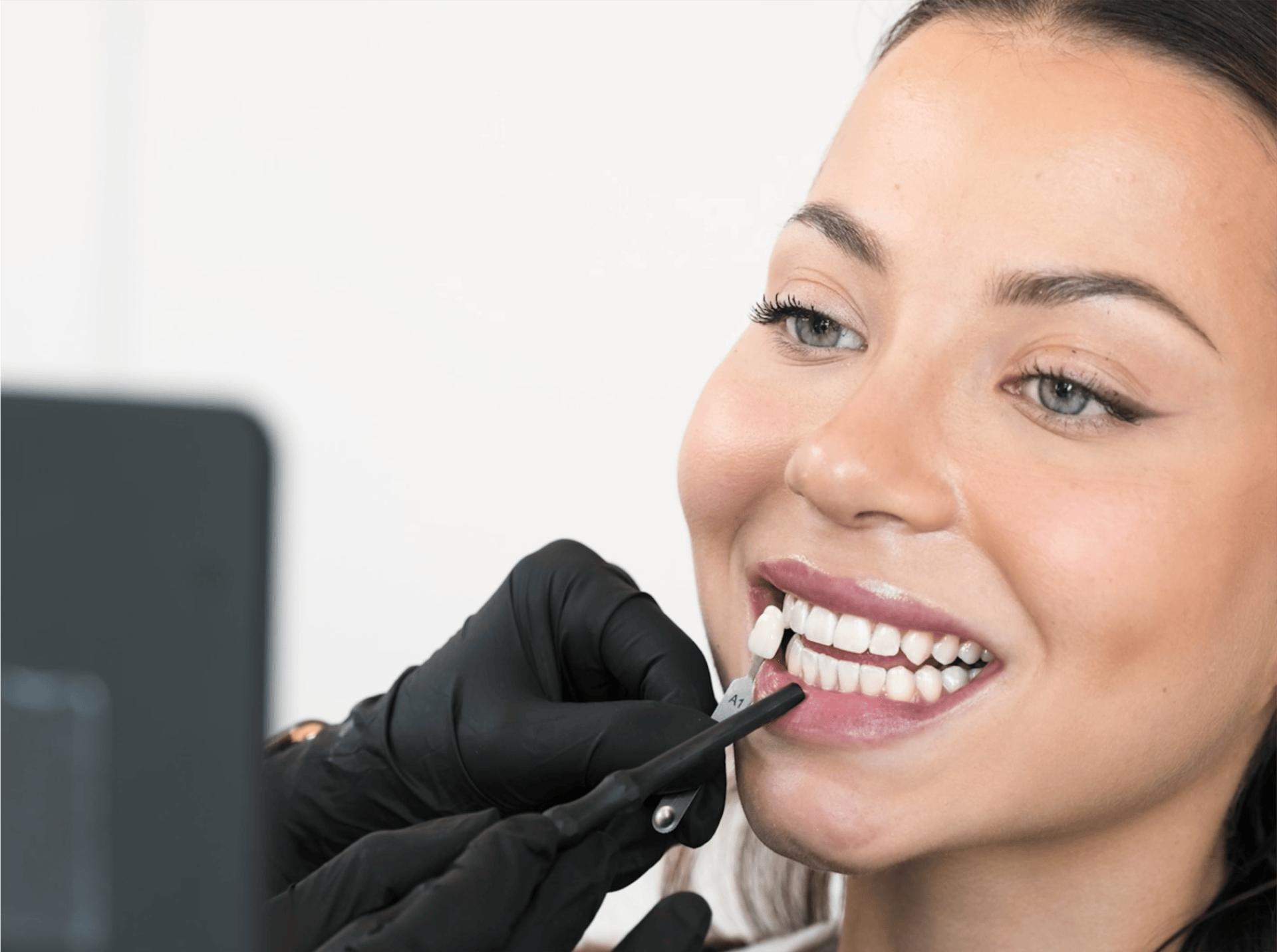
Teeth bleaching, also known as teeth whitening, is a popular cosmetic treatment that lightens the colour of your teeth and removes stains. White teeth are often linked with health and beauty, which is why so many people want to whiten their teeth. You can do it at a dental practice or at home with products from drugstores, pharmacies and online shops. These can lighten deep-seated stains caused by food, drink or tobacco.
What are the risks of teeth bleaching?
Whitening can improve the look of your smile, but there are fair questions about safety. The risks come mainly from the bleaching agent. Hydrogen peroxide, a common ingredient, can be harsh on tooth enamel and irritate your gums at higher concentrations. Used incorrectly, especially in home bleaching products, it can cause sensitive teeth, irritated tooth necks and even damage to the dentin. Also, fillings, crowns and veneers do not respond to bleaching, so your teeth may end up with an uneven colour.
There is a gentler route. Peroxide-free formulas can whiten without the same risks, and you will find out more about them below.
Does teeth whitening damage enamel?
Tooth enamel is the hardest substance in the human body. It protects the more sensitive layers beneath, such as the dentin, from decay and other damage. Aggressive whitening products can erode enamel, which makes teeth more prone to discolouration and wear. This is why the choice of product matters.
Professional teeth cleaning as an alternative
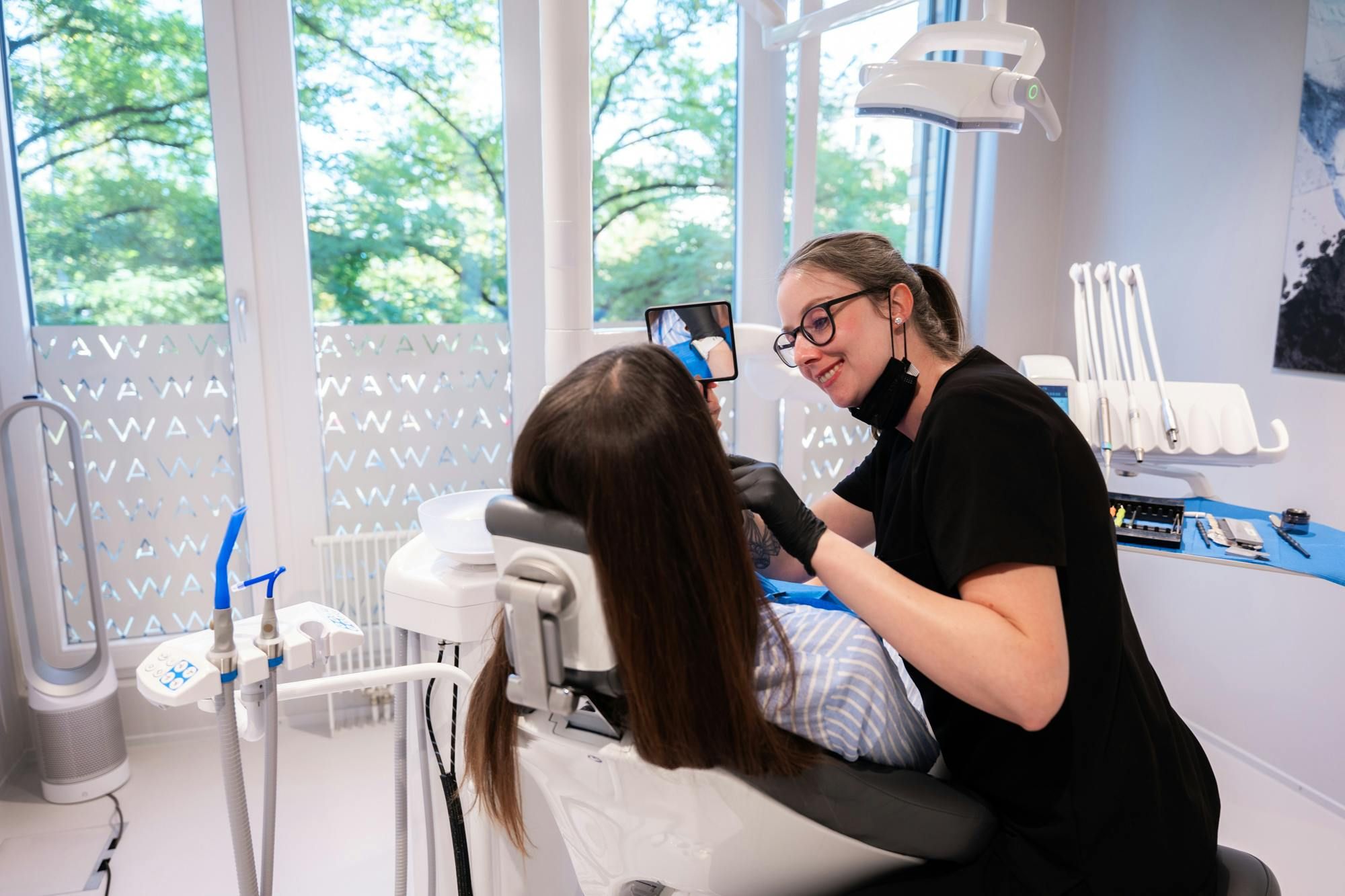
Many people want a brighter smile first and think about the risks later. Before you choose a bleaching gel or another whitening method, consider professional teeth cleaning (often called scale and polish) with a dental hygienist at your dentist's practice. It cleans thoroughly and can also make your teeth look visibly whiter without harming the tooth structure.
Removing plaque and tartar
A professional clean removes plaque and tartar thoroughly, especially between the teeth and in other hard-to-reach spots that daily brushing often misses. Tartar is hardened plaque. You cannot remove it by brushing alone, and it needs the special instruments used in a dental practice. Taking these deposits away matters, because they not only stain your teeth but also raise the risk of gum disease such as periodontitis.
Whiter teeth without harming tooth structure
Unlike some bleaching methods that rely on harsh chemicals, a professional clean is a gentle option. It can bring back the natural colour of your teeth without attacking the enamel. By removing surface stains from coffee, tea, red wine or tobacco, it can already make a visible difference.
Helping to prevent gum disease
Regular professional cleaning plays an important part in preventing gum disease. By removing plaque and tartar that can inflame and infect the gums, it helps lower the risk of periodontitis. Healthy gums matter for your general oral health and for an attractive smile.
A professional clean is also a chance to have your oral health checked as a whole. Your dentist or dental hygienist can spot early signs of tooth decay or gum disease and recommend treatment or preventive steps. See a dentist if you have pain, bleeding gums or sensitivity that does not go away.


 Teeth Whitening