Which teeth whitening methods are there?
Teeth whitening is a popular way to get a brighter smile. You can whiten teeth at your dentist's practice or at home. Professional teeth bleaching is especially effective because it is carried out by a dental professional, often with stronger whitening agents. Home methods are easier to access and fit around your day, but they take more care and consistency.
Power bleaching at the dentist
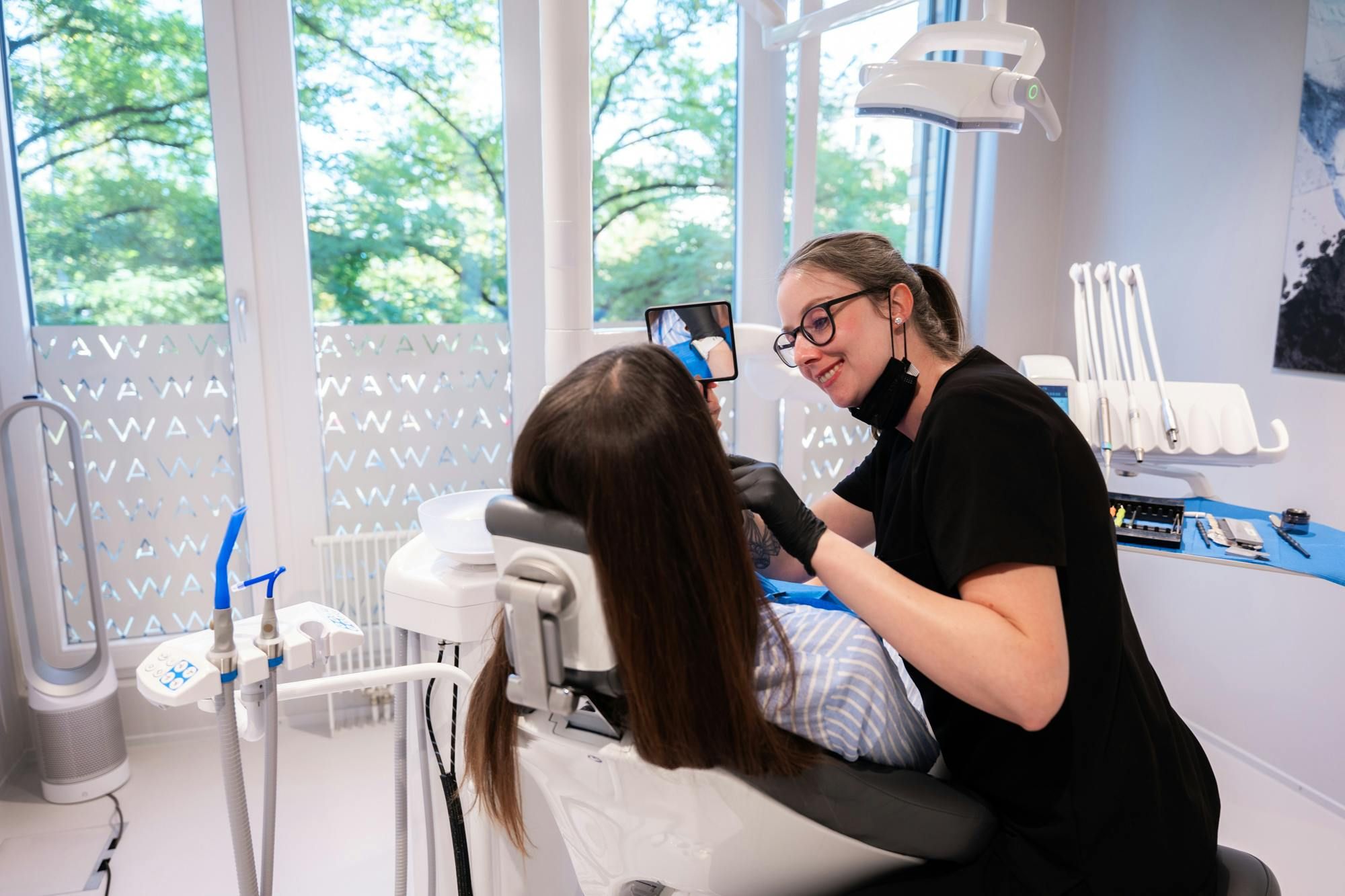
Power bleaching is one of the fastest ways to whiten teeth. Dental practices often use a high-concentration hydrogen peroxide gel applied directly to the tooth surface. Special lights, such as lasers or lamps, are sometimes used to activate the gel. Results are often visible after a single session, as the treatment lifts stains caused by food and drinks such as curry, coffee or red wine.
Peroxide-free professional bleaching
Some dental professionals offer in-office bleaching that is free from hydrogen peroxide. Because it avoids the strong agents used in traditional treatments, it is often better tolerated by people with sensitive teeth. The result is a natural-looking white. To keep it, your dental professional may suggest occasional top-up sessions. For more on gentler options, read our guide to bleaching without peroxides.
Home bleaching with custom-made trays
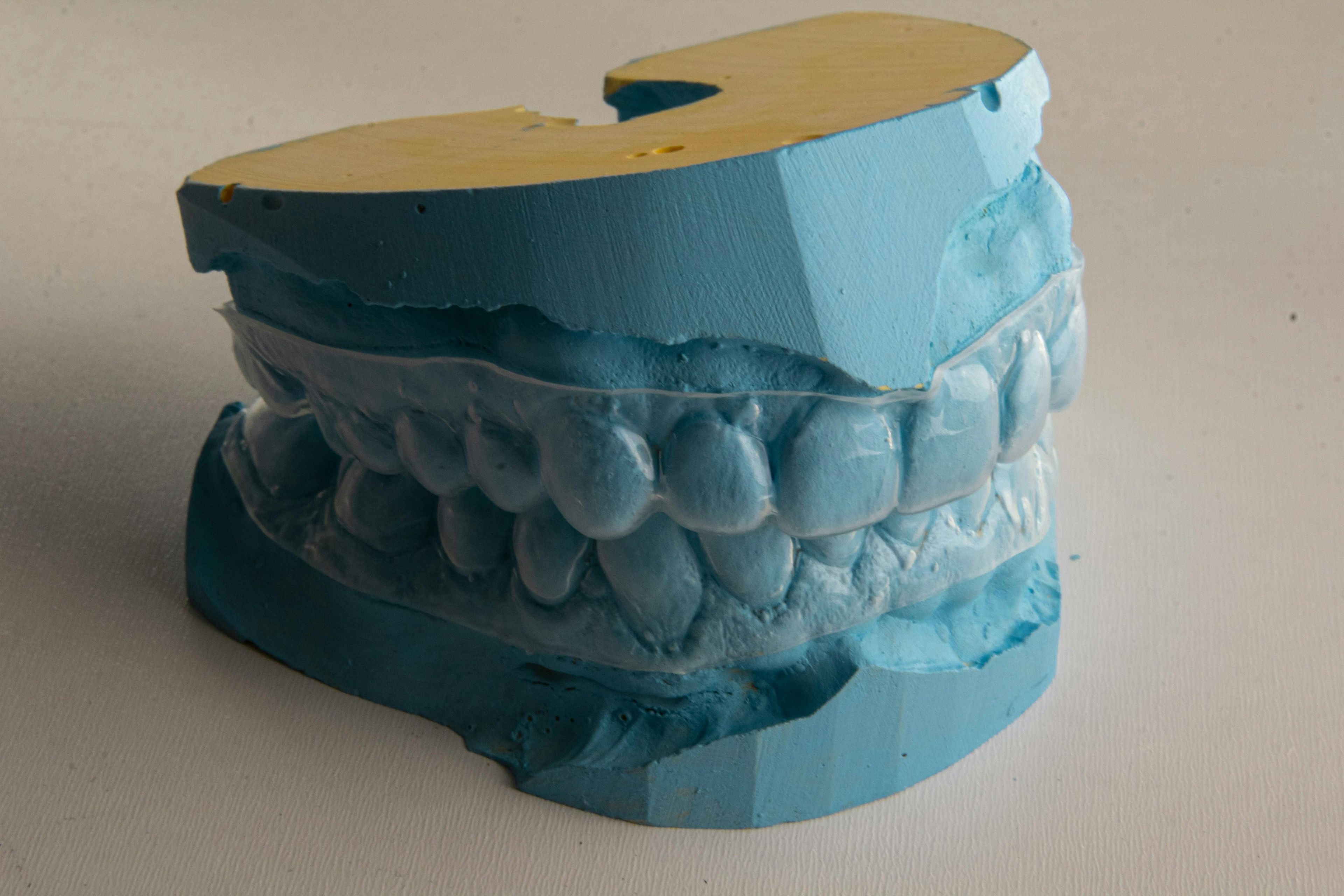
Another popular option is home bleaching with a tray made to fit your teeth by your dentist. You wear a lower-concentration gel, usually based on hydrogen peroxide or carbamide peroxide, for several hours or overnight. Your teeth lighten gradually under your dentist's supervision, which makes this method a controlled one. It is slower than power bleaching, but the results are even and long-lasting.
Over-the-counter whitening products
For an affordable alternative, you can buy whitening products online or at pharmacies and drugstores. These include whitening strips, whitening pens and whitening toothpaste. They are simple to use and ideal for treating light staining at home. Application time and frequency depend on the product, and results are usually more subtle than a professional treatment. Alpine White offers whitening strips, the Whitening Kit and Whitening Toothpaste Extra White to brighten your smile while supporting your daily oral care.
Natural whitening methods
Some people prefer natural alternatives. Activated charcoal is popular because it binds to stains on the tooth surface. Dentistry has not fully confirmed how well charcoal whitens teeth, but some people choose it because it contains no peroxide. Natural methods may have a mild whitening effect without exposing your teeth to strong chemicals.
With this range of options, you can find the whitening method that suits your needs and preferences. Before you choose one, it is wise to ask your dentist for advice and to find out about the possible risks and results.
How much does teeth whitening cost?
Teeth whitening costs vary widely depending on the type of treatment, the clinic and the country. Professional bleaching at the dentist is usually the most expensive route, and the price depends on the technique and the number of sessions you need. Home whitening kits and over-the-counter products are generally much cheaper. Weigh up the long-term cost and benefit of each method before you decide.
What are the risks of teeth whitening?
Whitening often involves strong bleaching agents, which can cause side effects. The most common are tooth sensitivity and irritation of the gums and mouth lining. These happen because bleaching agents do not only act on stains but can also affect the surrounding tissue. Knowing these risks helps you choose the right method.
Does teeth whitening damage enamel? Used too often, it can. Long-term risks include:
- Weakened enamel: frequent bleaching can weaken enamel, which makes teeth more prone to cavities.
- Changes to tooth structure: in rare cases, the tooth substance can change, which may affect the health of your teeth.
What are the disadvantages of whitening methods?
Despite their popularity, whitening methods have some drawbacks. The main one is tooth sensitivity, which can follow some procedures, especially those using high concentrations of bleaching agent. You may also get irritated gums if the product touches them. These side effects are unpleasant and, if ignored, can cause lasting problems.
In the long run, frequent treatments can weaken enamel, making teeth more vulnerable to cavities and other problems. Aggressive methods can also change tooth structure. So read up before you start, follow the instructions, and only repeat a treatment at the recommended intervals.
What causes yellow and stained teeth, and how can you prevent them?
Tooth stains have different causes, some external and some internal. External stains usually come from food such as curry and drinks such as coffee, tea and red wine, or from smoking. These contain pigments that settle on the enamel and dull your smile. Some medicines and mouthwashes can also stain teeth. To prevent this, brush regularly and thoroughly, and cut back on strongly staining foods and drinks where you can.
Internal stains come from within the tooth, for example through age-related changes to tooth structure or certain illnesses. Good oral hygiene helps here too. Regular check-ups and professional teeth cleaning with your dentist or dental hygienist can keep your teeth healthy and help prevent stains. These habits are especially effective:
- Brushing regularly with a fluoride toothpaste
- Using dental floss and mouthwash
- Cutting down on staining foods and drinks
Together, these habits help you keep your teeth both white and healthy.
Do home remedies for yellow teeth work?
Many people try home remedies to whiten their teeth because they seem cheap and simple. The most popular are baking soda, coconut oil and lemon juice. They are easy to get hold of, but how well they work and how safe they are varies:
- Baking soda is mildly abrasive and can help remove surface stains. It is better not to use it regularly, and to choose proven whitening products instead.
- Coconut oil is used for oil pulling, which may reduce bacteria in the mouth but has little effect on stains.
- Lemon juice is very acidic and can attack enamel, so in the long run it may do more harm than good.
Be careful with home remedies. Long-term or incorrect use can cause damage that is hard to repair. Keep these points in mind:
- Use acidic products such as lemon juice only sparingly and diluted, to protect your enamel.
- Talk to your dentist before you use home remedies regularly, especially if your teeth are already sensitive or damaged.
- Be realistic: home remedies can soften surface stains, but deeper or older stains may need professional methods to give you whiter teeth.
How long do teeth whitening results last?
How long the effect lasts varies and depends on several factors. As a rule, the results of a professional treatment can last from a few months to several years. Your lifestyle and oral hygiene play a big part. Smoking and regularly drinking coffee, tea or red wine can undo the results faster.
To make your results last as long as possible, you can:
- Keep up good oral hygiene: brush regularly, ideally after meals, and use floss and mouthwash to prevent new stains. A sonic toothbrush can make daily cleaning easier.
- Limit staining foods and drinks: cut back on those known to discolour teeth.
- Consider occasional top-ups: depending on how easily your teeth stain, a gentle at-home touch-up can help maintain your results.
These habits can help extend the effect of your whitening and keep your smile brighter for longer.
Discover whitening support from Alpine White
Alpine White offers a range of at-home products designed to give you a brighter smile while looking after your teeth. They support your daily routine, help maintain the results of a professional treatment and offer a gentle way to lift everyday stains. Try the Whitening Kit to remove surface stains and brighten your teeth in a short time. If you want to prepare your smile for the best result, a professional clean with your dental hygienist is a good first step.
Is teeth whitening good for your teeth?
Teeth whitening can be safe for your teeth when it is done properly. Gentle, peroxide-free products for home use, and professional treatments that avoid aggressive chemicals, can lower the risk of tooth sensitivity and gum irritation that often come with traditional bleaching.
If you have pain, bleeding gums or lasting sensitivity, see your dentist before whitening your teeth.
Can fillings, crowns, bridges or veneers be whitened?
No. Fillings, crowns, bridges and veneers cannot be whitened. These dental materials do not react to bleaching agents the way natural teeth do. If you whiten your teeth, your natural teeth may become lighter while restorations keep their original colour. This can leave your smile looking uneven.


 Teeth Whitening