What is xylitol?
Xylitol, also called birch sugar, is a natural sweetener made from the bark of birch trees. In a xylitol toothpaste it does much more than sweeten. Ordinary sugar is turned into acid by bacteria in your mouth, and that acid attacks tooth enamel. Xylitol cannot be used by these bacteria in the same way, so it does not fuel the process. Instead, it helps neutralise the pH in your mouth and supports the remineralisation of enamel.
Can xylitol help prevent cavities?
A bright smile is a sign of good health, and preventing tooth decay is a big part of that. Cavities are among the most common dental problems and can lead to pain, discomfort and even tooth loss. The good news is that decay is not inevitable. With the right care and the right products, you can protect your teeth for the long term. Xylitol plays a useful role here, especially when it is part of your daily cavity prevention routine.
A natural ally against tooth decay
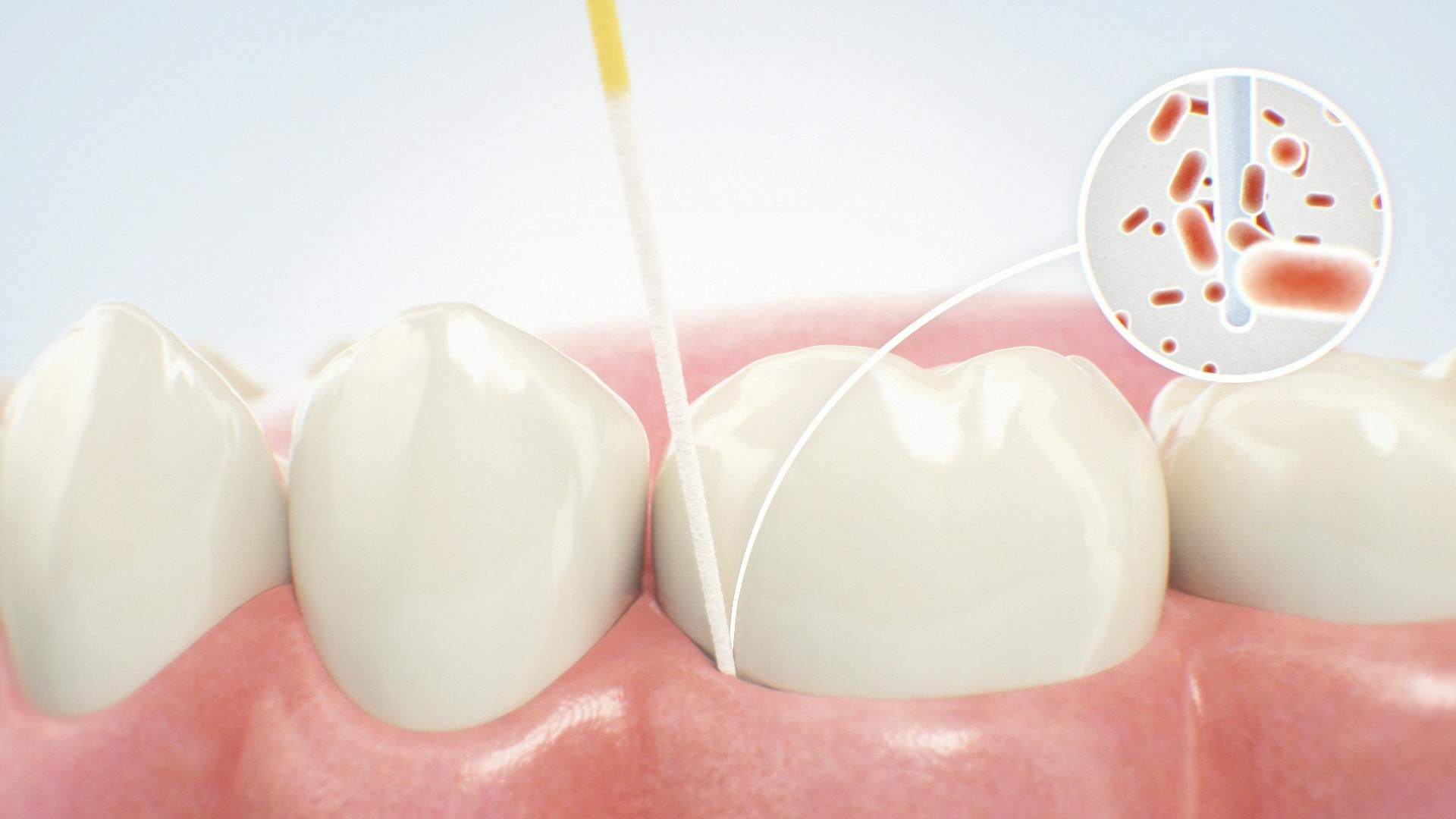
Sugar is processed by decay-causing bacteria into acids that attack enamel. Xylitol offers these bacteria no food source. It also helps stabilise the pH in your mouth and reduce acid production, which lowers the risk of tooth decay.
How does xylitol support cavity prevention?
Using xylitol products regularly, such as toothpaste and mouthwash, can be an effective strategy. Xylitol works on several levels:
- Fewer decay-causing bacteria: xylitol can reduce the amount of Streptococcus mutans, the main bacterium behind tooth decay. This supports a healthier oral microbiome and lowers the risk of cavities.
- Neutralising acids: by raising the pH in your mouth, xylitol helps counter the acid attacks that would otherwise wear down enamel.
- Supporting remineralisation: xylitol supports the natural processes that restore minerals to enamel, helping teeth become stronger and more resilient.
What is in a xylitol toothpaste?
Xylitol is now used in many toothpastes and tooth gels. Some are fluoride-free and offer gentle care for teeth and gums. Alongside xylitol they often contain myrrh, known for its anti-inflammatory properties, and water as the base of the formula.
Calcium carbonate is often used as a mild abrasive that cleans thoroughly without harming sensitive enamel. Strawberry flavours are popular with children, and coconut oil is valued for its moisturising properties and its role in a balanced oral flora.
Peppermint (Mentha piperita) and menthol provide a fresh, invigorating feel and help with fresh breath. Xanthan gum gives the paste its consistency, while titanium dioxide gives it a bright white colour.
The benefits of xylitol toothpaste
Using xylitol in your toothpaste offers several benefits for your oral hygiene:
- Cavity prevention: xylitol inhibits the growth of decay-causing bacteria and so reduces the risk of tooth decay.
- Remineralisation: it supports the restoration of minerals in enamel for stronger, healthier teeth.
- Natural sweetness: xylitol gives toothpaste a pleasantly sweet taste without harming your teeth.
- Moisture retention: xylitol helps keep your mouth moist, which is especially helpful if you suffer from a dry mouth.
Alpine White and xylitol: a good combination
At Alpine White we combine xylitol with other ingredients such as fluoride and glycerine for complete care of your teeth and gums. Our Whitening Toothpaste Extra White is formulated to look after your teeth gently while giving you a brighter smile.
How do you add xylitol toothpaste to your daily routine?
It could hardly be easier: simply swap your usual toothpaste for a xylitol one. For the best results, brush at least twice a day and pay extra attention to the spaces between your teeth. Replace your toothbrush regularly and add dental floss and mouthwash for complete oral hygiene. Regular check-ups and professional teeth cleaning with your dentist or dental hygienist (a scale and polish) complete the picture, and your daily care at home keeps the results going in between.

 Oral Care