What is xylitol?
Xylitol is a sugar alcohol found in many fruits and vegetables, as well as in birch wood and corn cobs. It is intensely sweet, which makes it a popular sugar substitute. Unlike ordinary table sugar, though, xylitol is kind to your teeth.
One of its main advantages is a low glycaemic index. It affects blood sugar levels less than sugar does, which makes it a useful option if you need to watch your sugar intake. It also contains fewer calories than table sugar.
Xylitol is made by extracting xylose from plant material and processing it further. The result is very similar to sugar in structure and sweetness, but without the harmful effect on your teeth.
Across Europe, xylitol is valued for its natural origin and its benefits. It shows how natural ingredients can offer healthier alternatives to conventional products.
A natural sugar substitute
Unlike ordinary sugar and artificial sweeteners such as aspartame, xylitol is a natural sugar substitute that is good for your teeth as well as being a sensible choice for your diet.
How does xylitol help your teeth?
Xylitol has earned a firm place in dental care because of its positive effect on your gums and overall oral health. It helps prevent tooth decay by limiting the growth of harmful bacteria in the mouth and keeping the pH level in the mouth more stable. That is why xylitol turns up in toothpastes, chewing gum and mouthwashes.
Some dental care products also combine xylitol with fluoride to strengthen tooth enamel further. Together they give double protection against cavities and support thorough oral hygiene.
Xylitol and cavities
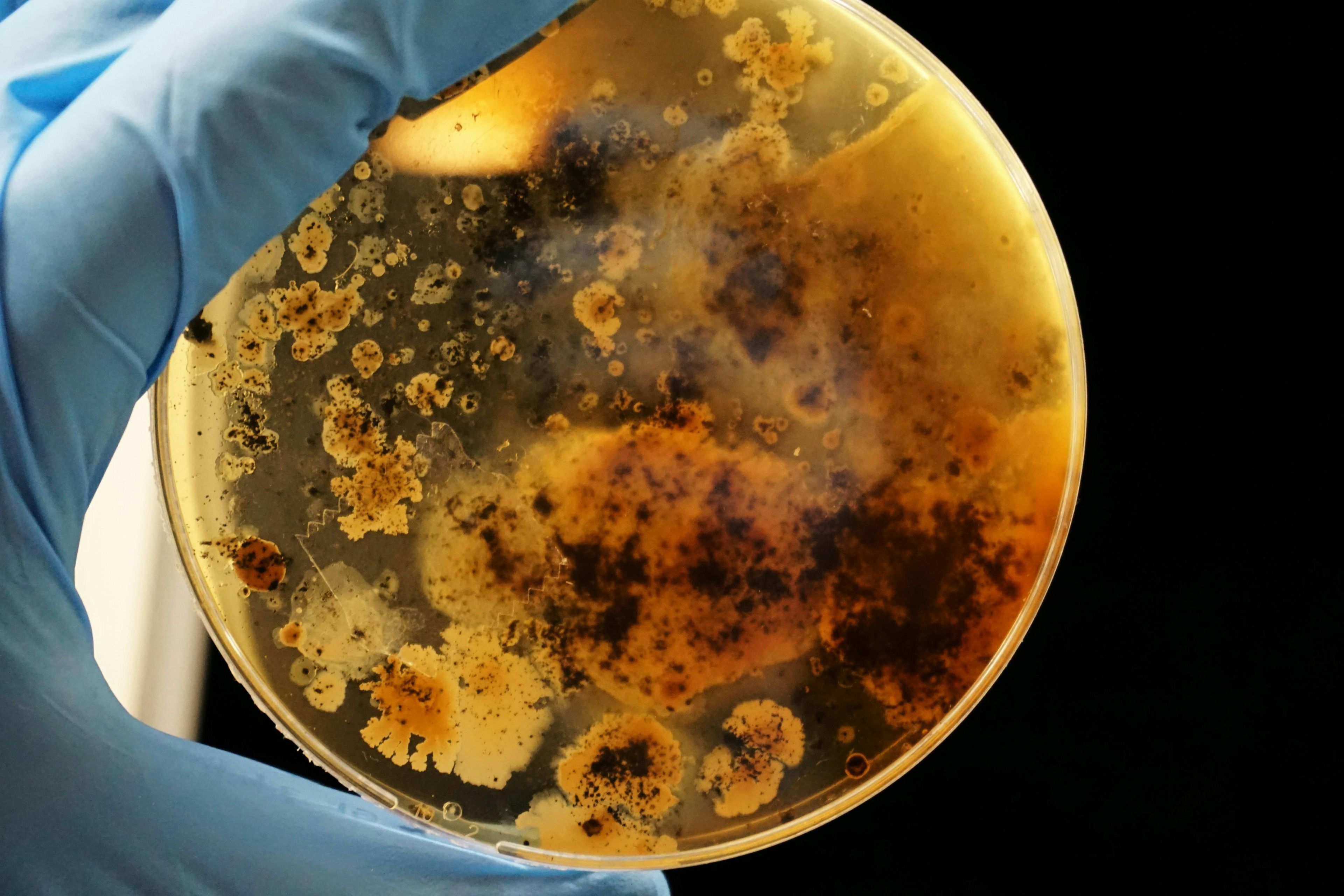
One of the most impressive benefits of xylitol is its ability to fight tooth decay. Cavities develop when bacteria, particularly Streptococcus mutans, break down sugar from your food and produce acids that attack tooth enamel. Xylitol can interrupt this process: these bacteria do not recognise it as food, so less acid is produced and the risk of decay falls.
Xylitol and tooth enamel
Enamel is the hard outer layer that protects your teeth from daily wear and tear. Xylitol helps to strengthen and remineralise tooth enamel by neutralising the pH level in the mouth, which improves the conditions for enamel repair.
Xylitol and saliva flow
A dry mouth is a paradise for cavity-causing bacteria. Xylitol stimulates saliva flow, which helps to cleanse your mouth and supplies the minerals needed to repair tooth enamel.
Can xylitol reduce plaque?
Plaque is a sticky film of bacteria that forms on your teeth and can lead to dental plaque build-up, gum inflammation and cavities. Xylitol can reduce how well these bacteria stick to your teeth, which helps to limit plaque.
How to use xylitol in your daily dental care
Xylitol chewing gum
A simple way to add xylitol to your routine is to chew sugar-free xylitol gum. It freshens your mouth, stimulates saliva flow and helps to neutralise harmful bacteria.
Xylitol mouthwash
A mouthwash containing xylitol adds another layer of protection by helping to reduce bacteria throughout your mouth and to neutralise bad breath.
Xylitol toothpaste
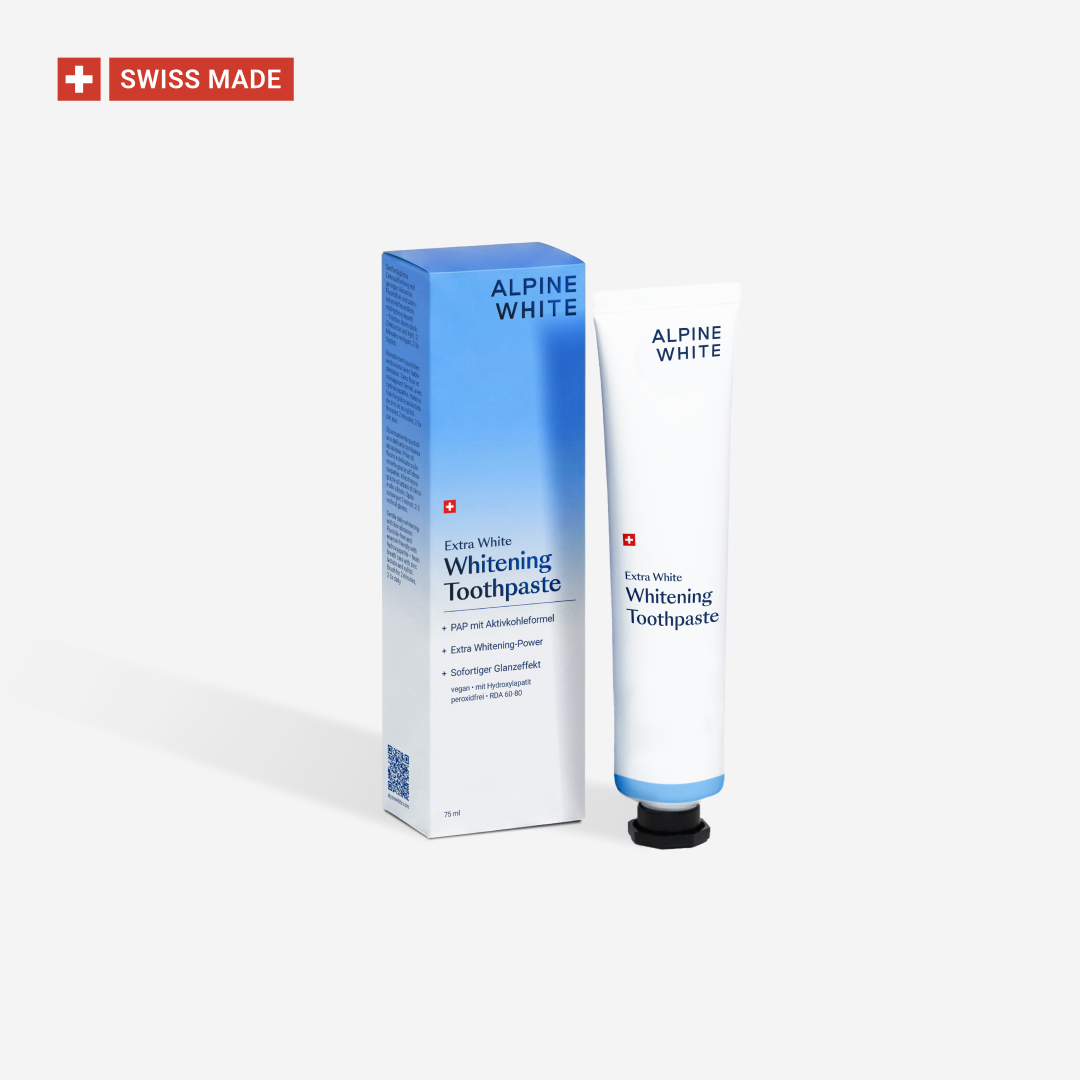
Using a xylitol toothpaste is another excellent way to bring the benefits of this natural sweetener into your daily routine. It cleans thoroughly, supports healthy gums and helps to strengthen tooth enamel. Used regularly, it can reduce the growth of cavity-causing bacteria while keeping your breath fresh. It is a simple but effective addition that helps you keep your smile healthy and bright.

 Dental Health