How often should you see a dental hygienist?
Even with a great home routine, some plaque hardens into tartar, which a toothbrush cannot remove. That is where professional teeth cleaning (often called a scale and polish) comes in. How often you need it depends on your personal risk of gum disease and tooth decay, so your dentist or dental hygienist will recommend an interval for you.
What happens during a professional teeth cleaning?
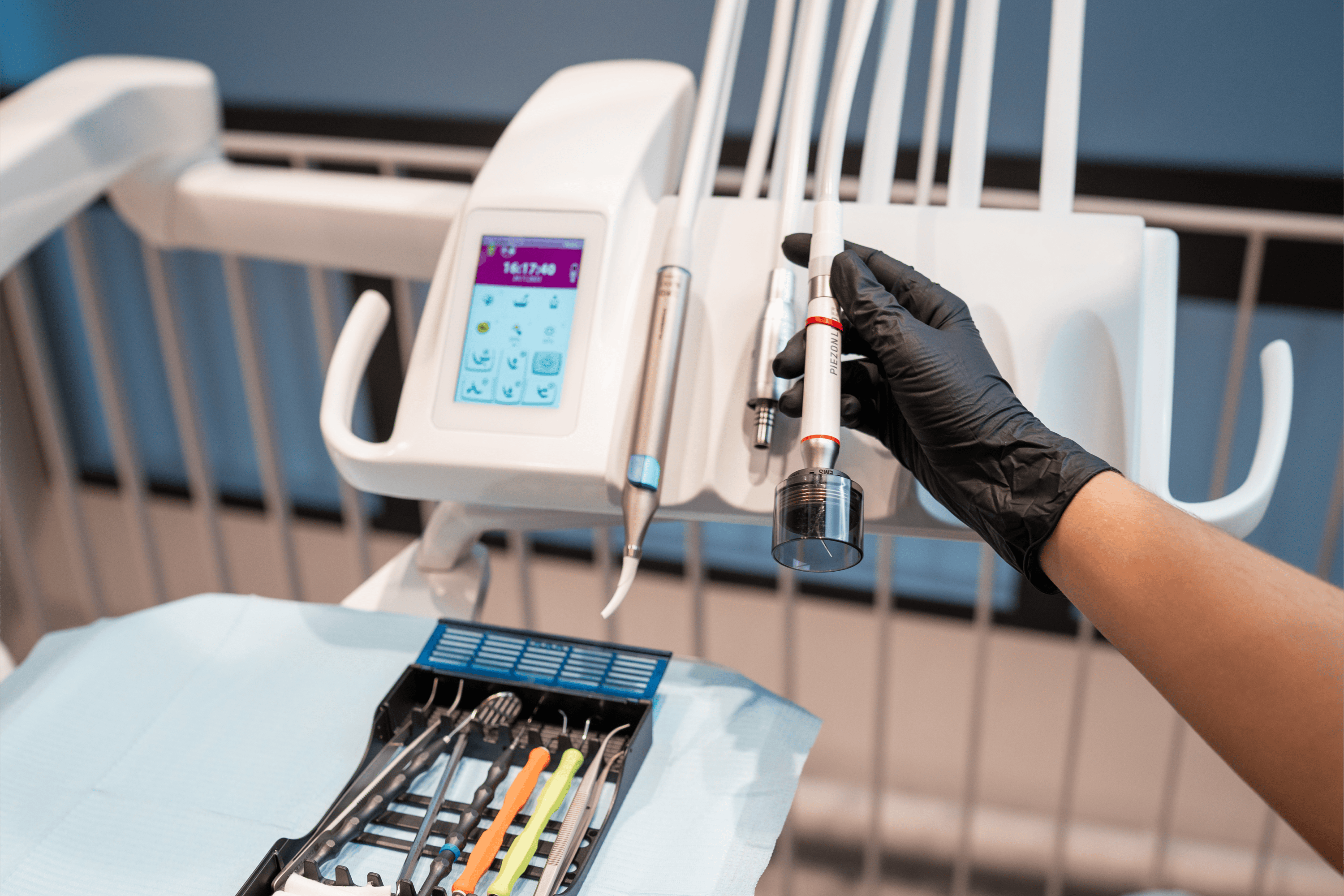
A dental hygienist removes tartar and plaque from the tooth surfaces and the gum line, often with ultrasonic instruments, and polishes the teeth. Many practices also offer AIRFLOW, a gentle powder-jet method that lifts away soft deposits and surface stains. It is a good way to clean deeply and keep your mouth healthy between check-ups.
Fluoride and cavity prevention
Fluoride strengthens tooth enamel and helps protect against tooth decay. Your dentist can apply concentrated fluoride if you are at higher risk, and a fluoride toothpaste does the daily work at home. Prevention is almost always simpler than treatment.
When to see a dentist
A hygienist cleans and advises, but some problems need a dentist, for example a painful tooth, a filling, or replacing a missing tooth. If you notice bleeding gums that do not settle, lasting bad breath or tooth pain, book a dental appointment rather than waiting for your next clean.
How Alpine White supports your routine at home
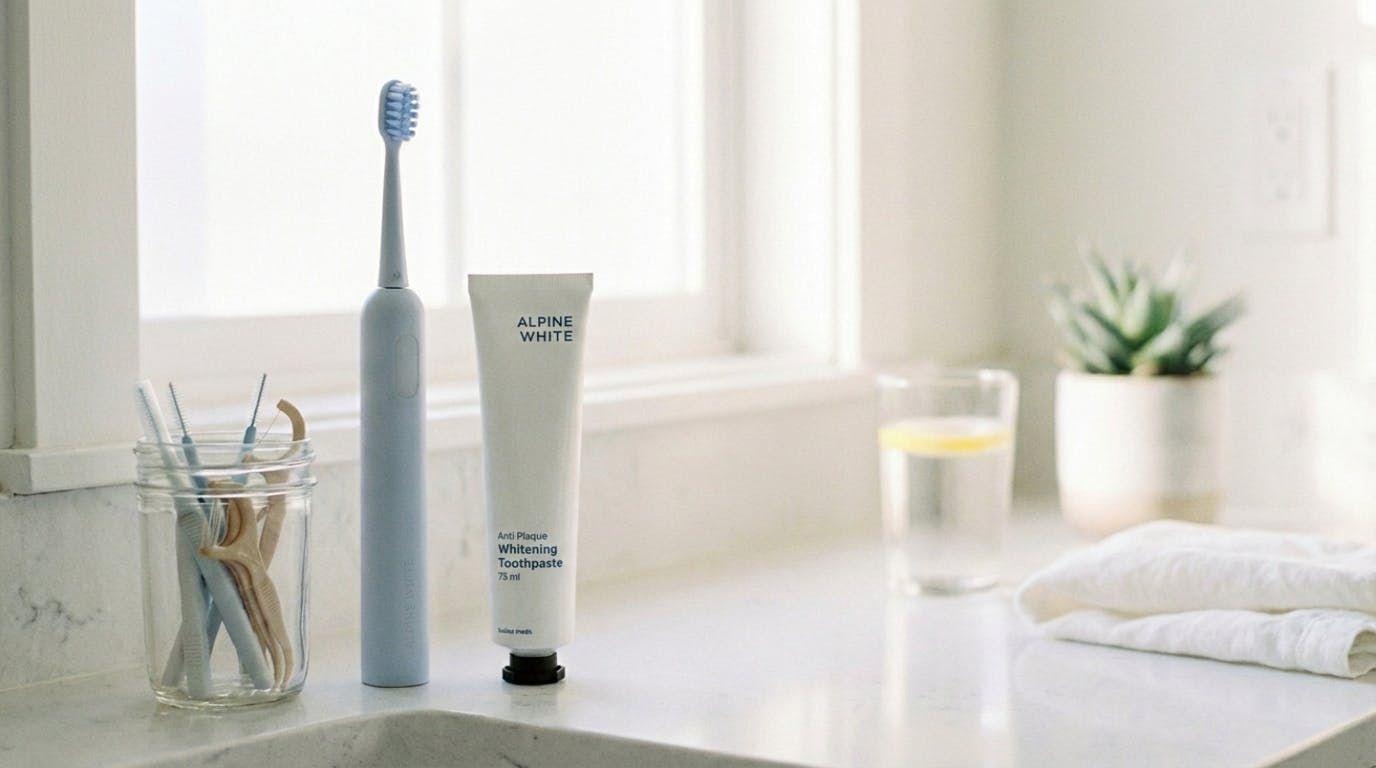
Professional cleaning works best when your daily routine backs it up. Brush gently twice a day, clean between your teeth, and choose products that look after your enamel. A whitening toothpaste such as our Whitening Toothpaste Extra White helps you keep teeth looking bright between visits. For more everyday tips, read our guide to good oral care.
How often should you brush your teeth?
Brushing is the foundation of every dental hygiene routine. The general recommendation is to brush for two minutes, twice a day, in the morning and before bed. How you brush matters as much as how often: use a fluoride toothpaste and a soft-bristled toothbrush to protect your enamel and gums, and see our guide to tooth brushing technique for step-by-step advice.
The role of dental floss and interdental brushes
Cleaning between your teeth should be part of your daily routine. Dental floss and interdental brushes remove plaque and food debris from areas your toothbrush cannot reach. This matters because plaque left between the teeth can harden into tartar and cause gum inflammation.
Special care for braces and implants
Do you wear braces or have dental implants? They need extra attention. Use small interdental brushes or special floss so that hard-to-reach areas get clean. This helps prevent gum inflammation and bad breath.
Nutrition and oral health
What you eat and drink plays a big role in your dental health. Sugar is the main driver of plaque and tooth decay, so limit sugary snacks and drinks, especially between meals. Choose nutrient-rich foods instead, and drink plenty of water. It keeps your mouth moist and supports saliva, which naturally helps protect against bacteria.
New technology in dental care
Dental care has moved on a lot in recent years. Modern electric toothbrushes, powder-jet polishing and specially formulated toothpastes make it easier than ever to clean thoroughly and keep your smile bright. Your dentist or dental hygienist can help you choose the tools that suit your teeth and gums best.
The Alpine White Sonic Toothbrush
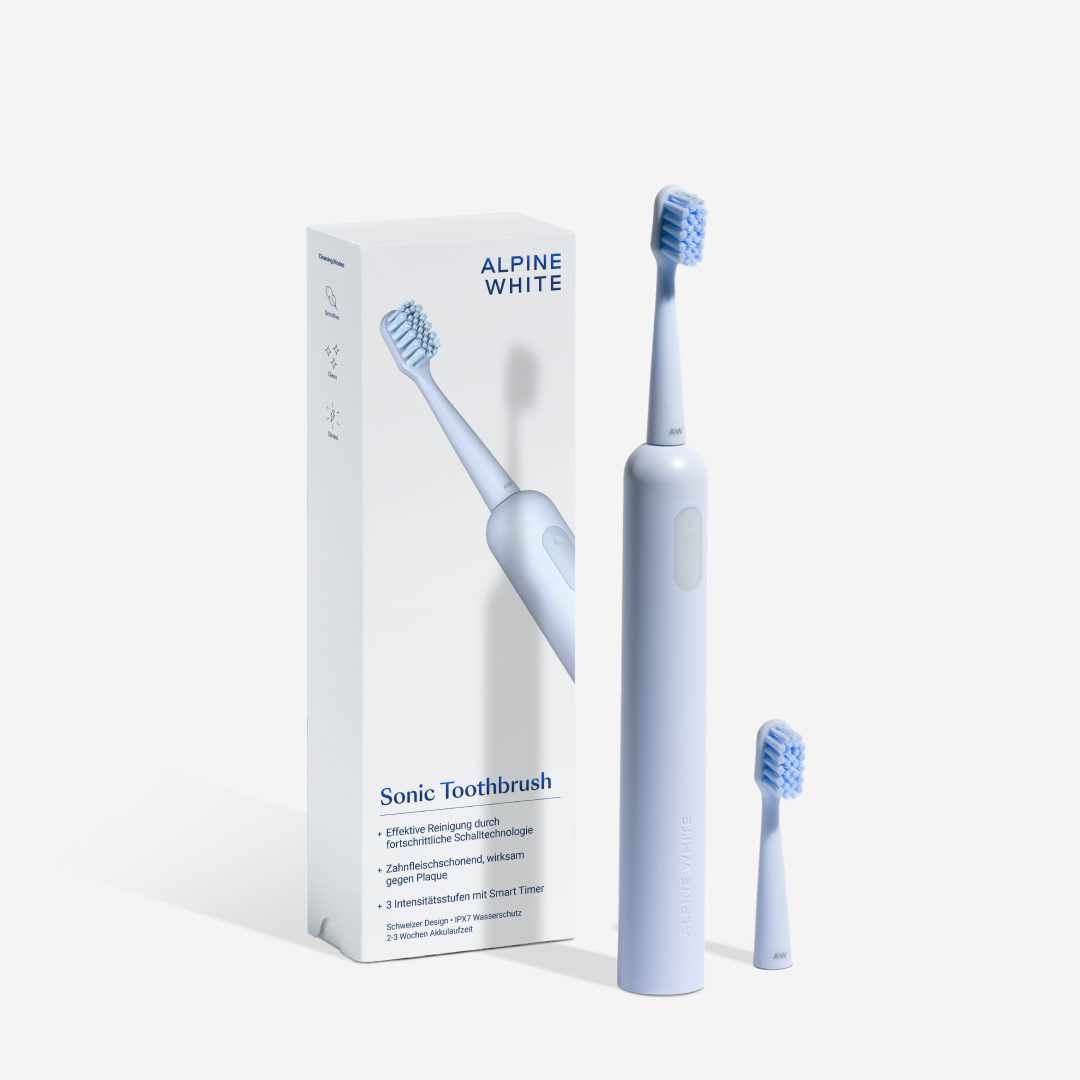
Our latest innovation is the Sonic Toothbrush. It pairs a sleek, minimalist design with sonic cleaning technology. Its shape transfers energy efficiently from the ergonomic handle right to the bristle tips for a thorough clean.
The Sonic Toothbrush delivers 80,000 cleaning movements per minute, which supports effective plaque removal and gentle polishing of the tooth surfaces. The antibacterial bristles are extra soft to protect your gums, while still reaching the hard-to-reach spaces between your teeth.
Developed in Switzerland, it combines efficiency and aesthetics in one device, designed to meet a wide range of everyday needs.
Invest in your dental health with the Alpine White Sonic Toothbrush, because a healthy smile starts with the right daily care.

 Teeth Whitening