Why are the first 48 hours so important?
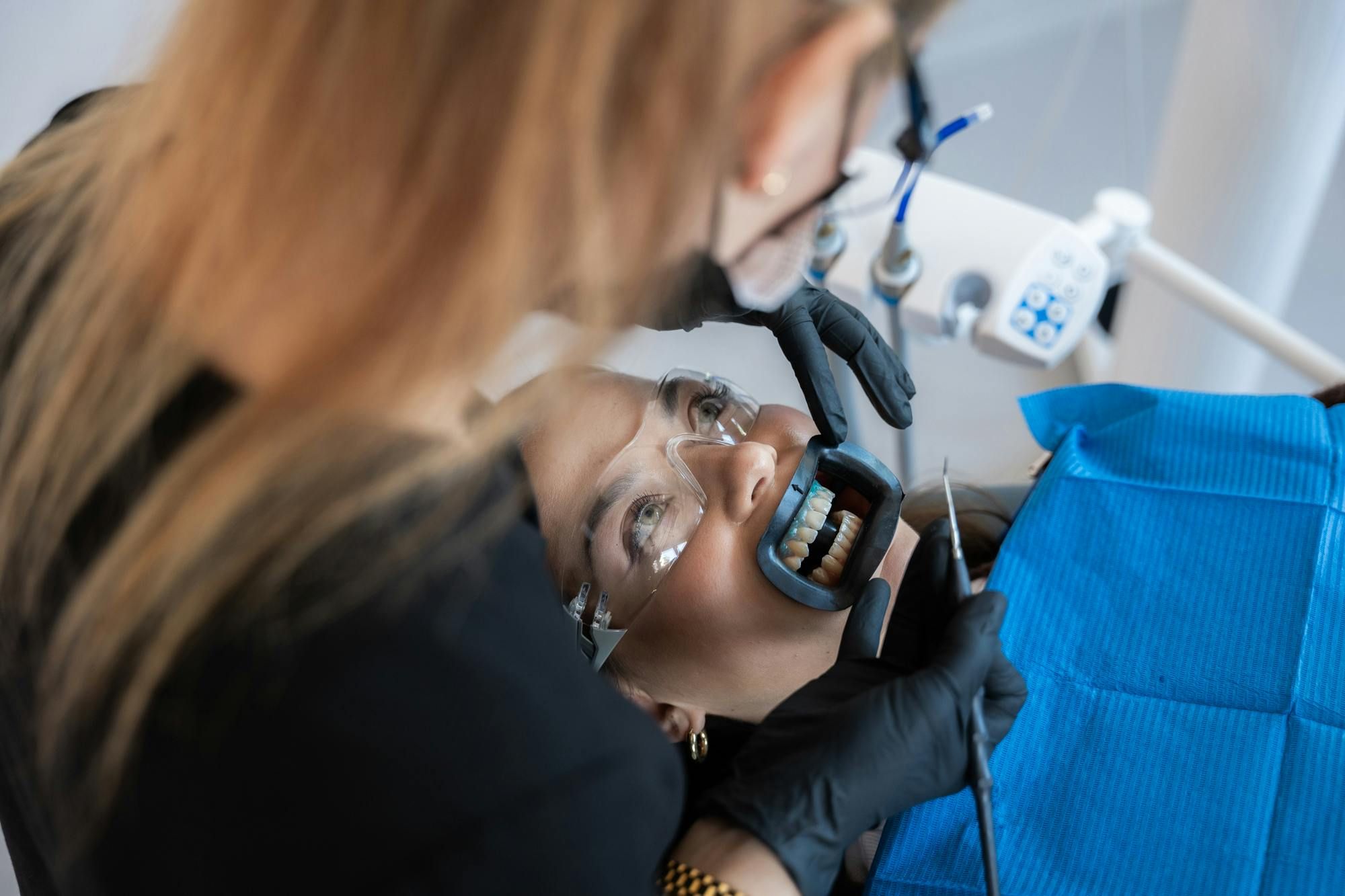
Whether whitening is done at a dental practice or at home, tooth enamel stays sensitive afterwards. The whitening agents can temporarily roughen the enamel, and during this phase colour pigments from food and drink can enter the tooth structure more easily. That is why it pays to be careful for the first couple of days, and why we recommend a so-called white diet to protect your newly whitened teeth from fresh staining.
What is the white diet?
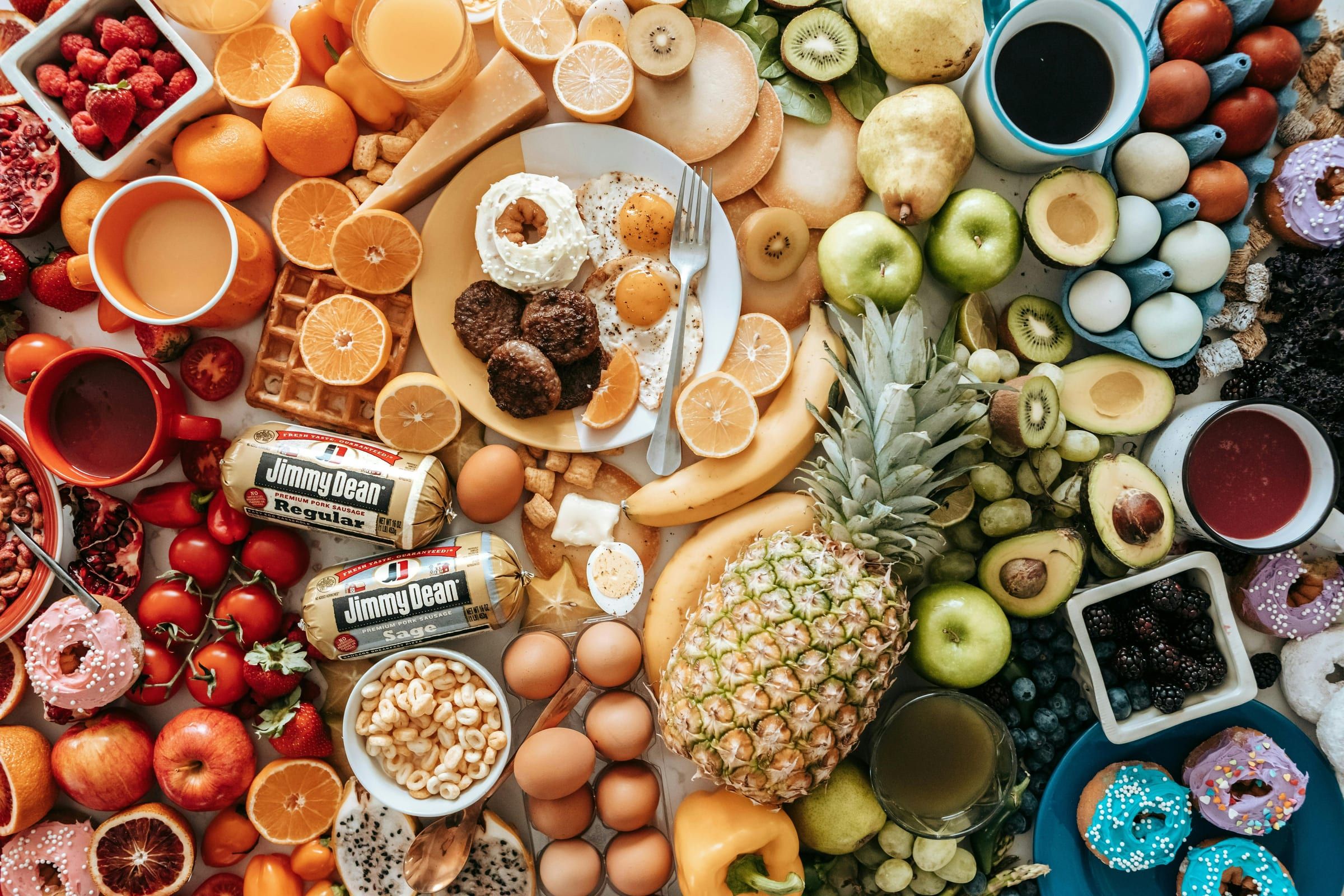
The white diet means eating and drinking only light-coloured things for the first 48 hours after whitening. These foods are less likely to cause stains and help preserve your result. Good choices include white dairy products, light meat such as turkey, white bread, light pasta, semolina, rice, and clear or white drinks such as water and certain clear teas. Avoiding coffee, tea, red wine, dark juices and strongly pigmented foods such as berries and dark vegetables is the best way to lower the risk of staining.
If you follow these guidelines straight after whitening, your teeth can show the full effect and stay bright. A little care with your diet in those first days supports the long-term success of your smile.
What can you eat after teeth whitening? A quick overview
The white diet is made up of light-coloured foods and drinks that will not stain your teeth. These include:
- Dairy products such as milk, yoghurt and white cheese
- Light meat such as chicken and turkey
- Fish, tofu and peeled apples
- White bread, rice and light pasta
- Water and other clear drinks
Which foods should you avoid after whitening? Steer clear of anything with strong colour pigments during this time:
- Coffee, tea and red wine
- Cola and other dark soft drinks
- Soy sauce and other dark sauces
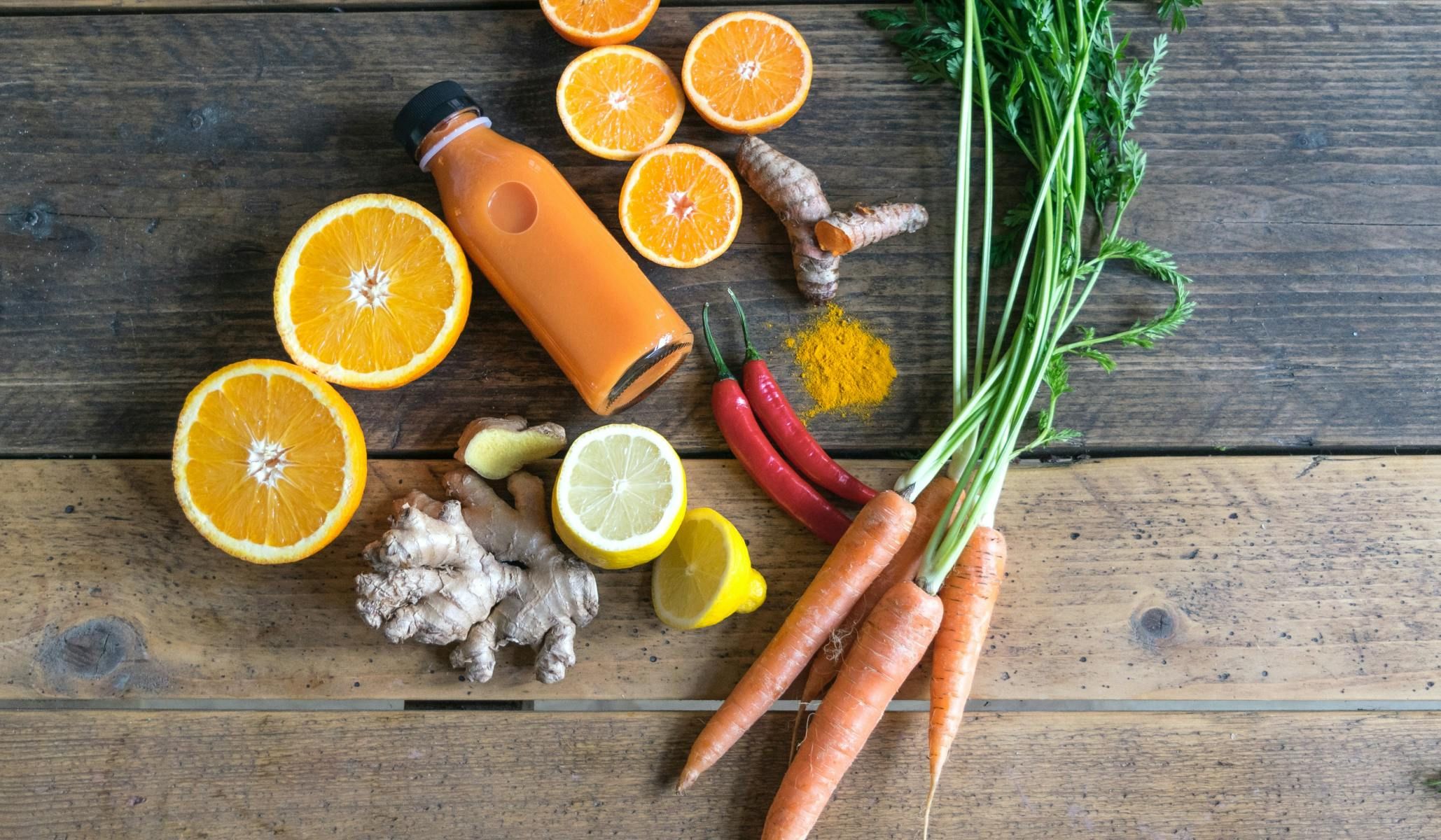
- Beetroot, blueberries and other dark fruit and vegetables
- Mouthwashes that can stain teeth
Long-term diet tips for white teeth
Here is how the right diet can support your teeth in the long run.
Choose light-coloured foods
Keep favouring light-coloured foods. They are less likely to leave visible stains on your newly whitened smile. Cauliflower, peeled apples and white beans are not only healthy but also safe for your teeth.
Limit foods and drinks that stain
Some foods and drinks are known to stain tooth enamel. Besides the usual suspects such as coffee and red wine, there are less obvious ones such as turmeric and ketchup. Avoid them or enjoy them in moderation, and brush your teeth afterwards.
Watch out for acidic foods
Citrus fruits and other acidic foods can attack tooth enamel and make teeth more sensitive. To protect your teeth, limit these foods and rinse your mouth with water afterwards to neutralise the acids.
Drink enough water
Staying hydrated matters for your general health and for your teeth. Water helps rinse food debris and bacteria out of your mouth and supports the saliva that naturally cleans your teeth.
More aftercare tips to keep your teeth white
Alongside the right diet, regular tooth brushing and the right dental care products are key to keeping your teeth white and protecting them from new stains. Alpine White offers products designed to help you maintain that bright result at home.
Which toothpaste should you use after whitening?
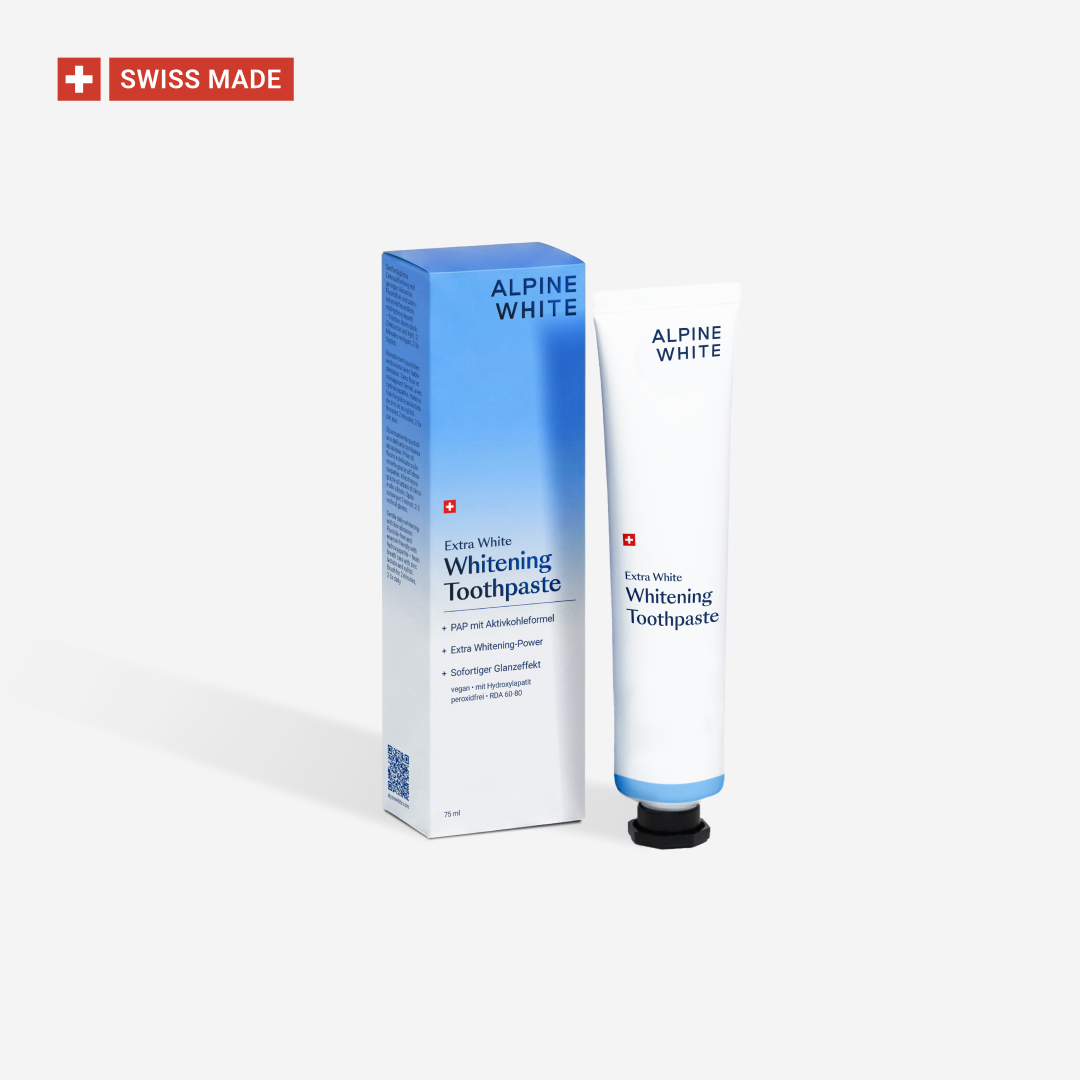
A toothpaste made for whitened teeth should be a fixed part of your daily routine. Our Alpine White Whitening Toothpaste Extra White is free from peroxides and contains ingredients that help prevent stains while maintaining the whiteness of your teeth. It is ideal for daily use after whitening and also cares for your gums.

 Dental Hygiene