Back to overview
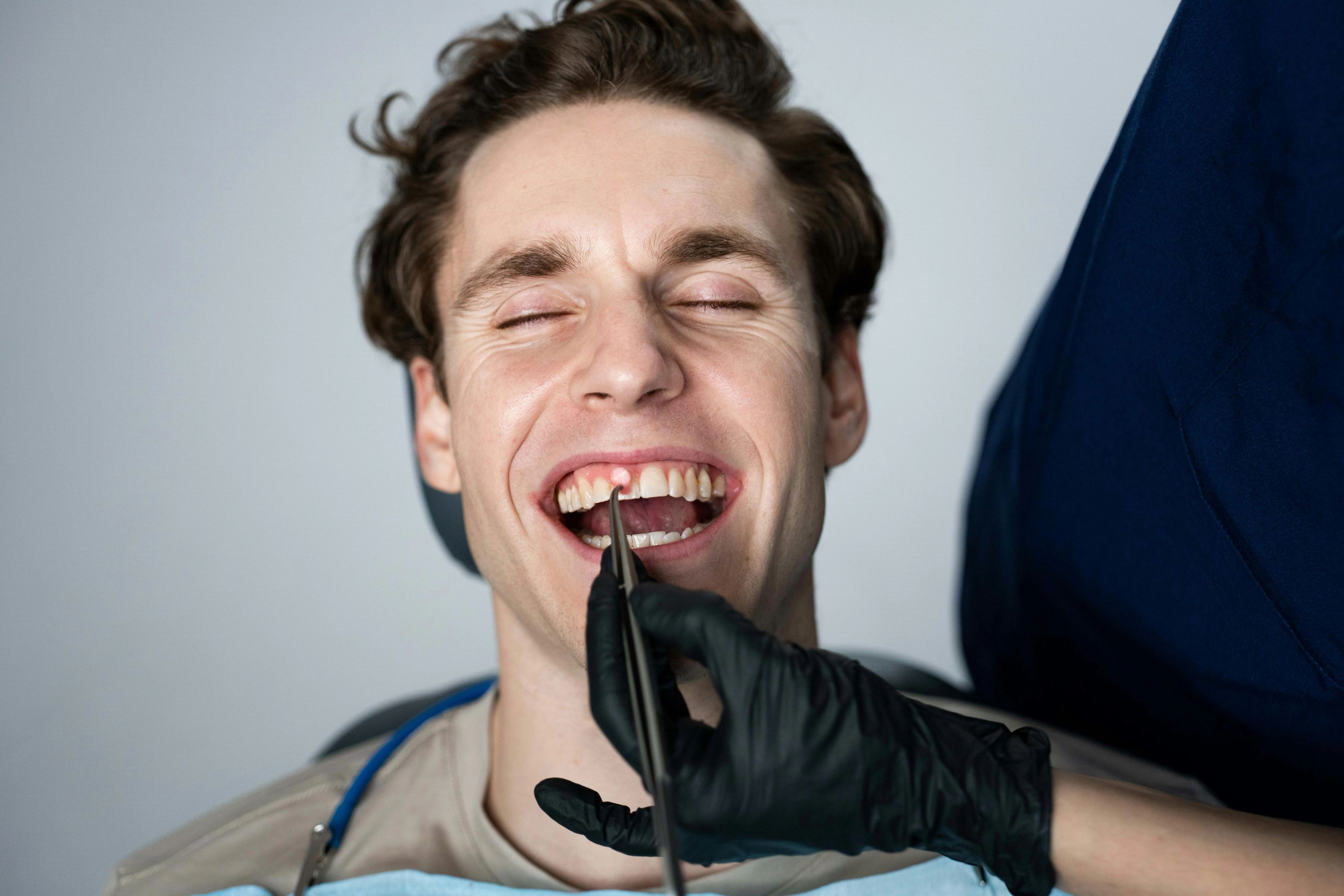
Laughing man with closed eyes, dentist examines his teeth with a probe

Curodont™ Repair: a drill-free way to treat early cavities

Dental HealthMay 7, 20245 min read

Early tooth decay does not always need a drill. Curodont™ Repair is a professional, peptide-based treatment that helps rebuild weakened enamel and treat white spots and early cavities from within. Here is how it works, what to expect, and how to look after your enamel at home afterwards.


Andrea Seraina

Andrea Seraina

Dental Content Specialist

What is Curodont™ Repair?

Curodont™ Repair is a treatment for early tooth decay based on a self-assembling peptide, a small chain of amino acids. The peptide forms an invisible scaffold, or biomatrix, beneath the tooth surface, exactly where early cavities or white spots have started to develop.

What is a peptide?

A peptide is a compound made of two or more amino acids linked together. Amino acids are the building blocks of proteins, and peptides can be thought of as shorter versions of proteins, with a shorter amino acid chain.

Peptides play many roles in the body. They can act as hormones, neurotransmitters, growth factors and natural antibiotics. In medicine and cosmetics, they are valued for their ability to influence certain biological functions, such as supporting skin renewal or healing.

Curodont™ Repair uses the peptide P11-4 to support the remineralisation of your tooth enamel. It forms a biomatrix that acts as a scaffold for minerals, helping the enamel rebuild and become stronger.

What makes the biomatrix so special?

The biomatrix works like a building site for hydroxyapatite, the main mineral in tooth enamel and the reason enamel is so hard. By forming this matrix, the treatment supports and speeds up the tooth's natural remineralisation. This process is known as guided enamel regeneration, and it rebuilds the structure where decay has damaged it.

Advantages of this technology

Curodont™ Repair offers clear advantages in the fight against tooth decay:

  • Targeted treatment: the biomatrix forms exactly where it is needed and works deep within the enamel to treat early cavities effectively.
  • Natural repair: by promoting natural remineralisation, the treatment helps restore the enamel's original structure without invasive methods such as drilling.

The science behind Curodont™ Repair

The peptide P11-4 penetrates the tiny pores in the enamel, especially where decay begins. Once it reaches the depth of the lesion, it forms a structured matrix that stimulates the enamel's natural regeneration. You can think of it as a kind of "biological filling" that strengthens the enamel from the inside out.

How does Curodont™ Repair treat early cavities and white spots?

Curodont™ Repair is a professional treatment carried out by a dentist or dental hygienist. It is well suited to people with initial caries, white spots or other early signs of enamel demineralisation. The aim is not only to treat what is visible, but to restore and strengthen the enamel for lasting health and appearance.

Step 1: professional teeth cleaning

A thorough professional teeth cleaning removes plaque and bacteria that have built up over time. This prepares the tooth surface so it can take up the Curodont™ Repair material. Good dental hygiene also lowers the risk of further decay and creates the ideal basis for the regenerative treatment that follows.
Step 2: applying Curodont™ Repair

Once the tooth surface is prepared, the dental professional applies the Curodont™ Repair material to the affected areas. It is designed to penetrate the micropores and early lesions in the enamel. There it starts guided enamel regeneration, acting as a scaffold for the natural build-up of the minerals needed to repair and strengthen the enamel.

The regenerative process

Curodont™ Repair relies on the self-assembling nature of peptides, which build a stable biomatrix inside the enamel. This allows efficient remineralisation through the natural deposition of hydroxyapatite. The goal is to restore the enamel's original hardness and integrity, improving both the function and the appearance of the tooth.

Benefits of Curodont™ Repair

Painless and non-invasive

One of the biggest advantages is that the treatment is painless and non-invasive. Conventional methods often require drilling and injections. With Curodont™ Repair, applicators place the peptide P11-4 directly on the affected area, which makes for a gentle experience. That makes it a good option if you have dental anxiety or simply prefer a less invasive approach.

Can it stop and reverse tooth decay?

Curodont™ Repair can help stop and reverse caries in its early stages. Through guided enamel regeneration (GER), it promotes remineralisation. The biomatrix provides a base for the natural deposition of hydroxyapatite and phosphate ions, which strengthens and repairs the enamel.

Preserving your natural tooth structure

Conventional restorative techniques often have to remove healthy tooth tissue. Curodont™ Repair allows remineralisation without removing healthy parts of the tooth. This supports the long-term health and structure of the tooth and reduces the need for further restorative work.

Long-term dental health

By strengthening the enamel, Curodont™ Repair lays the foundation for lasting dental health. It addresses more than the symptoms of decay: it rebuilds the tooth's natural protective barrier, which helps prevent future cavities and supports the health of your whole mouth.

Caring for your enamel at home

Professional treatment works best alongside a good daily routine. Thorough twice-daily brushing helps keep plaque under control, and a sonic toothbrush together with a whitening toothpaste can support your at-home care. If you notice white spots, sensitivity or pain, see your dentist so they can advise whether Curodont™ Repair is right for you.

Frequently asked questions about Curodont™ Repair

  • Can Curodont™ Repair be used on teeth that have already been drilled? Yes. It can also be used on teeth that have been treated before, to strengthen the remaining enamel and promote remineralisation.
  • How long does the treatment take? It depends on how many areas are treated, but it typically takes between 30 and 60 minutes.
  • Is Curodont™ Repair painful? No. The treatment is painless and a comfortable alternative to traditional methods.
  • How much does Curodont™ Repair cost? Prices vary by practice and by the number of teeth treated, so ask your dentist for a quote.
  • Who invented Curodont™ Repair? It was developed by Credentis, a member of the VVardis family in Windisch, Switzerland. The technology is a significant advance in modern dentistry, including in Germany, where Dr Frank Bröseler was involved in developing and spreading the method.

Final thoughts

With biomimetics and peptide technology, Curodont™ Repair offers a modern, gentle way to tackle early tooth decay and protect your enamel. Talk to your dentist about whether it suits you, and combine it with a consistent home routine to keep your smile healthy and bright.

This might also interest you

Two smiling women against a white background, one in green top, the other in beige jacketDental Hygiene

Professional teeth cleaning with a dental hygienist

A visit to the dental hygienist does two jobs. Cosmetically, a professional teeth cleaning removes stains and plaque for a cleaner, brighter smile. Medically, it protects your gums and teeth, so they stay healthy for much longer. Here is how a scale and polish works, what it prevents and how to support it at home.

Three smiling women in everyday clothes against a light backgroundDental Health

How can cavities be treated?

Cavities are one of the most common dental problems in the world. They affect people of all ages and, if left untreated, can lead to serious trouble. This guide explains how tooth decay develops, how a dentist treats cavities at each stage, and what you can do at home to keep your teeth strong.

Man sits in a brown leather armchair holding his hand to his foreheadDental Health

How do you treat cavities (tooth decay)?

Cavities affect people of all ages. But how does tooth decay develop, how is it treated at each stage, and what can you do to stop it coming back? This guide answers those questions and gives you practical tips for healthier teeth.