How do cavities form?
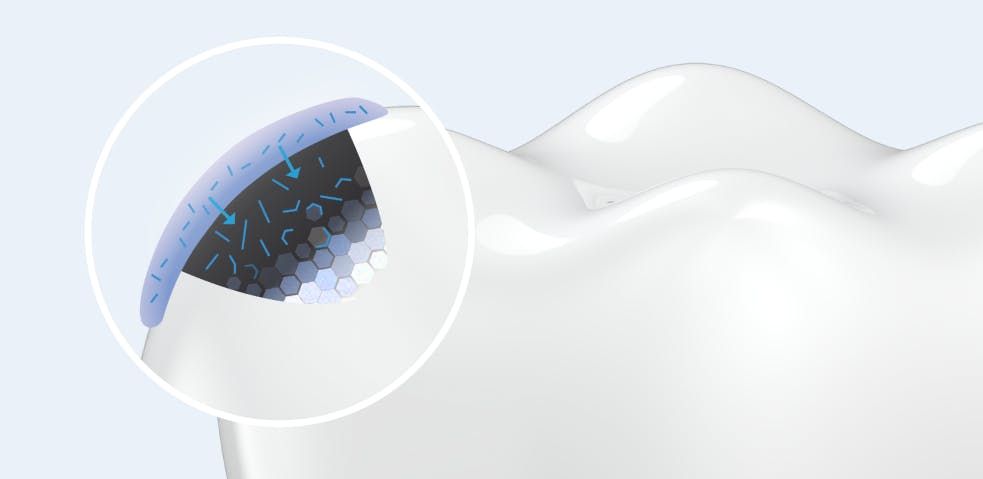
Cavities, also called tooth decay or dental caries, develop through the interplay of bacteria, sugar and tooth structure. Bacteria collect on the tooth surface and form a sticky film called plaque. If plaque is not removed regularly, the bacteria turn sugars and carbohydrates into acids. These acids attack the enamel and slowly wear it away. Small holes then form in the affected tooth. Left untreated, they grow larger over time.
The stages of tooth decay
Tooth decay progresses in stages, and knowing them helps you act early. Our guide on removing cavities yourself explains what you can and cannot do at home.
- Early cavity (initial caries): In this first stage, the tooth enamel starts to lose minerals. The damage is still on the surface and can often be reversed with remineralisation, for example through fluoride and good oral hygiene, under your dentist's guidance. White spots may appear on the affected area.
- Advanced cavity: As decay progresses, it goes deeper through the enamel and reaches the dentin underneath. Typical signs are toothache, sensitivity and discolouration. You need a dentist to treat an advanced cavity and save the tooth.
- Severe cavity: At this stage, decay has broken through the dentin and may reach the pulp, the soft centre of the tooth. This can cause severe pain, inflammation and infection. Prompt dental treatment is needed to avoid tooth loss. A root canal treatment or an extraction may be necessary, and a badly damaged tooth may need to be replaced.
How can you prevent cavities?
Preventing cavities starts with a consistent and effective oral hygiene routine. These tips will help you protect your teeth from decay:
- Brush regularly: Brush your teeth thoroughly at least twice a day with a fluoride toothpaste. A sonic toothbrush can make it easier to remove plaque thoroughly. Brushing removes plaque, strengthens the enamel and supports the health of your gums. A steady routine is the best protection against cavities and gum disease.
- Clean between your teeth: Use dental floss or interdental brushes every day to remove plaque and food debris from the gaps your toothbrush cannot reach.
- Consider a mouthwash: A mouthwash can help reduce harmful bacteria and freshen your mouth. Choose one that contains fluoride and suits your needs, and ask your dentist if you are unsure.
- Eat a balanced diet: Cut down on sugary food and drinks, because sugar is the main fuel for cavity-causing bacteria. Instead of snacking, focus on meals with plenty of fruit, vegetables and dairy products. They support your teeth and gums, and crunchy foods such as raw fruit and vegetables help clean the chewing surfaces naturally.
- See your dentist regularly: Check-ups and professional teeth cleaning with a dental hygienist remove plaque and tartar, which build up over time and raise your risk of cavities. Your dentist can also spot the first signs of decay early, as well as gum inflammation and causes of bad breath.
Can you reverse an early cavity?
In the earliest stage, when only the enamel surface has lost minerals, tooth decay can sometimes be stopped or reversed. The aim is to remineralise the enamel and halt the process before a hole forms, without drilling or fillings. Your dentist can tell you whether this is possible for your tooth and which minimally invasive options are suitable. Once decay has reached the dentin, remineralisation alone is no longer enough.
Daily care at home supports this process. Thorough brushing with fluoride toothpaste, cleaning between your teeth and cutting down on sugar all give your enamel the best chance to recover.
How are advanced cavities treated?
If decay has reached the inner dentin or causes toothache, you need professional treatment from a dentist. Options include fillings, root canal treatment or, in some cases, extraction. The filling material, such as amalgam or composite, depends on several factors, including the position and size of the cavity and your aesthetic preferences. Regular check-ups help your dentist detect and remove decay early, when treatment is simpler.
Conclusion
Preventing and treating cavities takes a complete approach: regular oral hygiene, a balanced diet and professional dental care. Follow these steps and you can protect your teeth and avoid bigger problems later. See your dentist if you notice toothache, white or brown spots or sensitivity to hot and cold.


 Dental Health