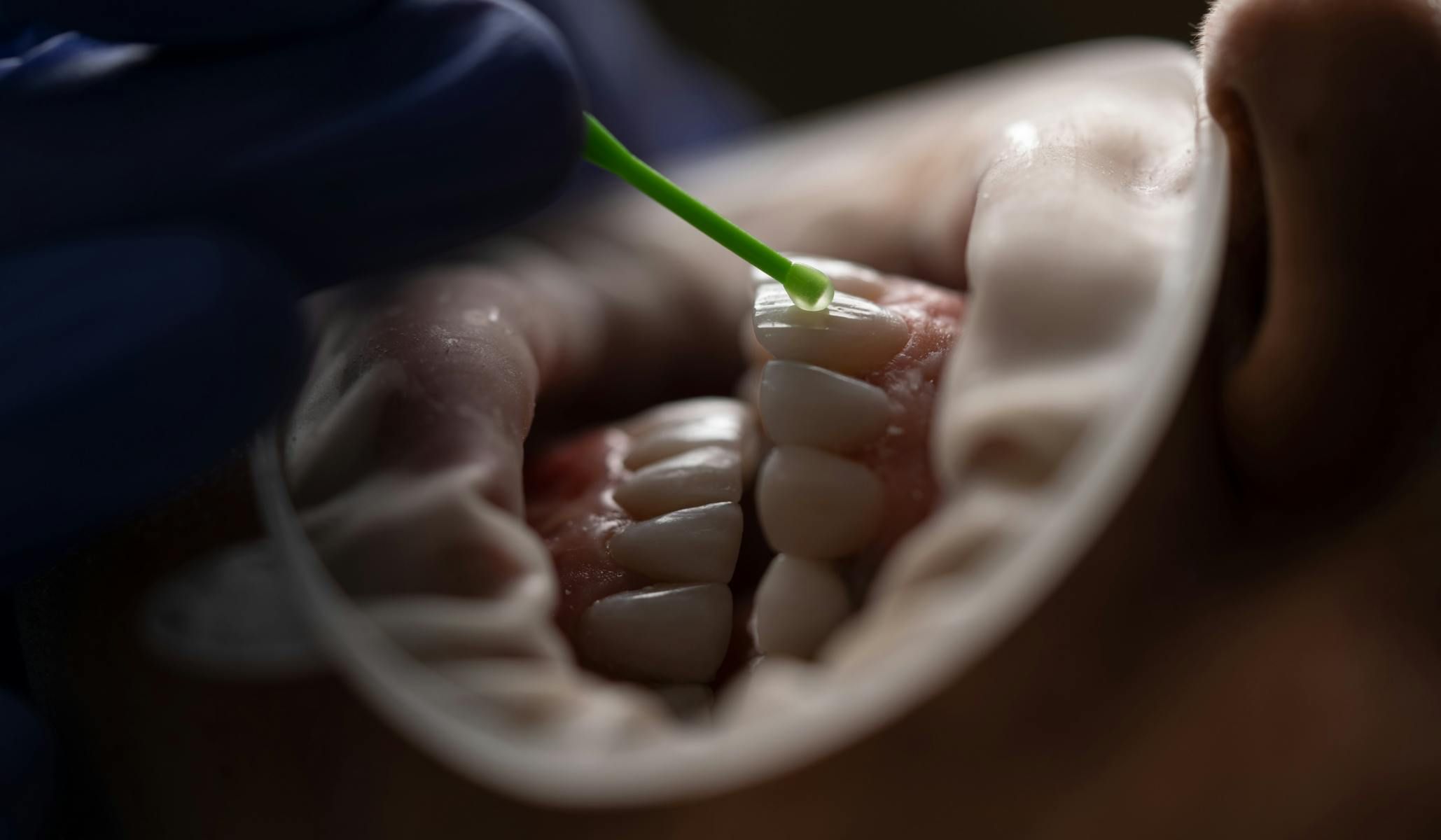
Why is dental care during pregnancy so important?
Good dental care matters for several reasons when you are expecting. The hormonal changes of pregnancy can affect your oral health, and the risk of inflamed gums goes up in particular. Bacteria from inflamed gums can enter the bloodstream and, in the worst case, may contribute to miscarriage or premature birth. That is why expectant mothers are strongly advised to look after their teeth and oral hygiene. Regular check-ups and a good daily routine keep the risk of dental problems low.
Why are gums more prone to problems during pregnancy?
During pregnancy, hormones increase the blood flow to your gums. This makes them more sensitive and more vulnerable to infection from plaque and bacteria on the tooth surfaces. The result can be inflamed, bleeding gums, known as pregnancy gingivitis. Left untreated, it can develop into a more serious condition called periodontitis (also known as pyorrhoea).
What are the risks to tooth enamel during pregnancy?
Pregnancy can also put your tooth enamel at risk. Saliva can become more acidic during pregnancy, which may wear the enamel down. This can encourage cavities, sensitive teeth and stains.
What should you do after morning sickness?
After vomiting, stomach acid attacks your enamel, so rinse your mouth with water or a mouthwash. Then wait about half an hour to let the acid be neutralised before you carry on with your usual routine. Do not reach for the toothbrush straight away: the softened enamel can be damaged even more by the brushing movements.
What diet helps your teeth during pregnancy?
Because your teeth are much more vulnerable during pregnancy, a healthy diet is just as important as good brushing. It helps lower the risk of dental problems. These tips help:
- Get enough calcium: calcium is essential for strong teeth and bones. Good sources are dairy products, green vegetables such as broccoli and spinach, and fortified foods such as cereals.
- Eat plenty of vitamins: vitamin C, vitamin D and vitamin A all play a role in dental health. Fruit, vegetables and wholegrain products are good sources. Avoid eating too many acidic fruits, though, as they can further attack your enamel.
- Cut down on sugar: too much sugar raises the risk of cavities. Keep sugary food and drinks to a minimum, and consider natural sweeteners such as xylitol instead.
- Drink enough water: it rinses your mouth and stimulates saliva flow, which helps protect your teeth.
When should you see the dentist during pregnancy?
Good oral care protects both you and your unborn baby. Knowing when to book a visit with your dentist lets you deal with problems before they become serious. So when exactly should you go?
- For regular check-ups: plan routine dental check-ups during pregnancy to monitor your overall oral health and spot problems early.
- For acute toothache: if you have toothache or another acute dental problem, book an appointment with your dentist straight away so you get the right treatment.
- For gum problems: if your gums are inflamed or bleeding, have them checked so that pregnancy gingivitis or other gum disease can be treated.
- For changes in your teeth or mouth: discolouration, erosion or unusual growths should be examined by a dental professional.
Besides dental check-ups, visits to a dental hygienist are also recommended during pregnancy, because a professional clean can prevent problems before they start. More serious problems, such as those needing fillings, are treated at a dental practice.
How can you look after your teeth at home during pregnancy?
Alongside regular dental visits and a healthy diet, thorough daily care is the best way to prevent problems. Keep these tips in mind:
- Use fluoride mouthwash or gel: fluoride hardens tooth enamel and protects it from decay bacteria. In addition to brushing with fluoride toothpaste, you can use fluoride mouth rinses or gels during pregnancy. The fluoride they contain is safe for your baby.
- Clean between your teeth: use dental floss or interdental brushes to clean the spaces between your teeth properly.
- Choose a soft toothbrush: soft bristles avoid needlessly irritating sensitive gums. A gentle Sonic Toothbrush with soft bristles can be a comfortable choice.
- Have a professional clean: a scale and polish with a dental hygienist or your dentist helps maintain optimal oral hygiene throughout pregnancy.
- Rinse thoroughly: rinse your mouth well after brushing to remove any residue.
How can you get your smile bright again after pregnancy?
For ideal oral hygiene during pregnancy, a professional clean with your dentist or dental hygienist is a good idea, and Alpine White products can support your routine at home. Once your baby has arrived, you can bring back a brighter smile with professional whitening at your dentist or with at-home options such as Alpine White whitening strips or the Whitening Kit. If you are unsure, ask your dentist what suits you best.


 Nutrition & Lifestyle