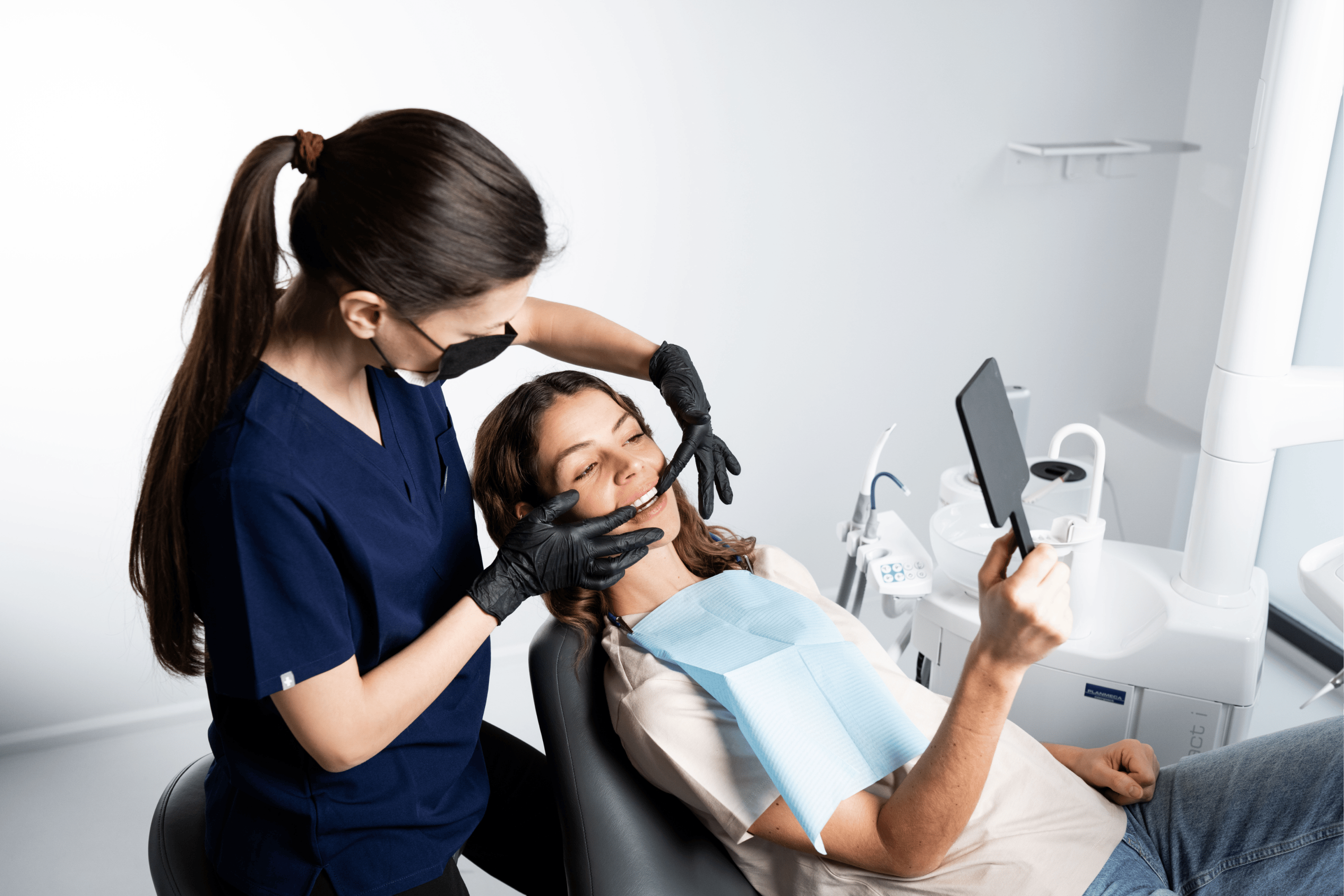
Everything about teeth whitening and dental health

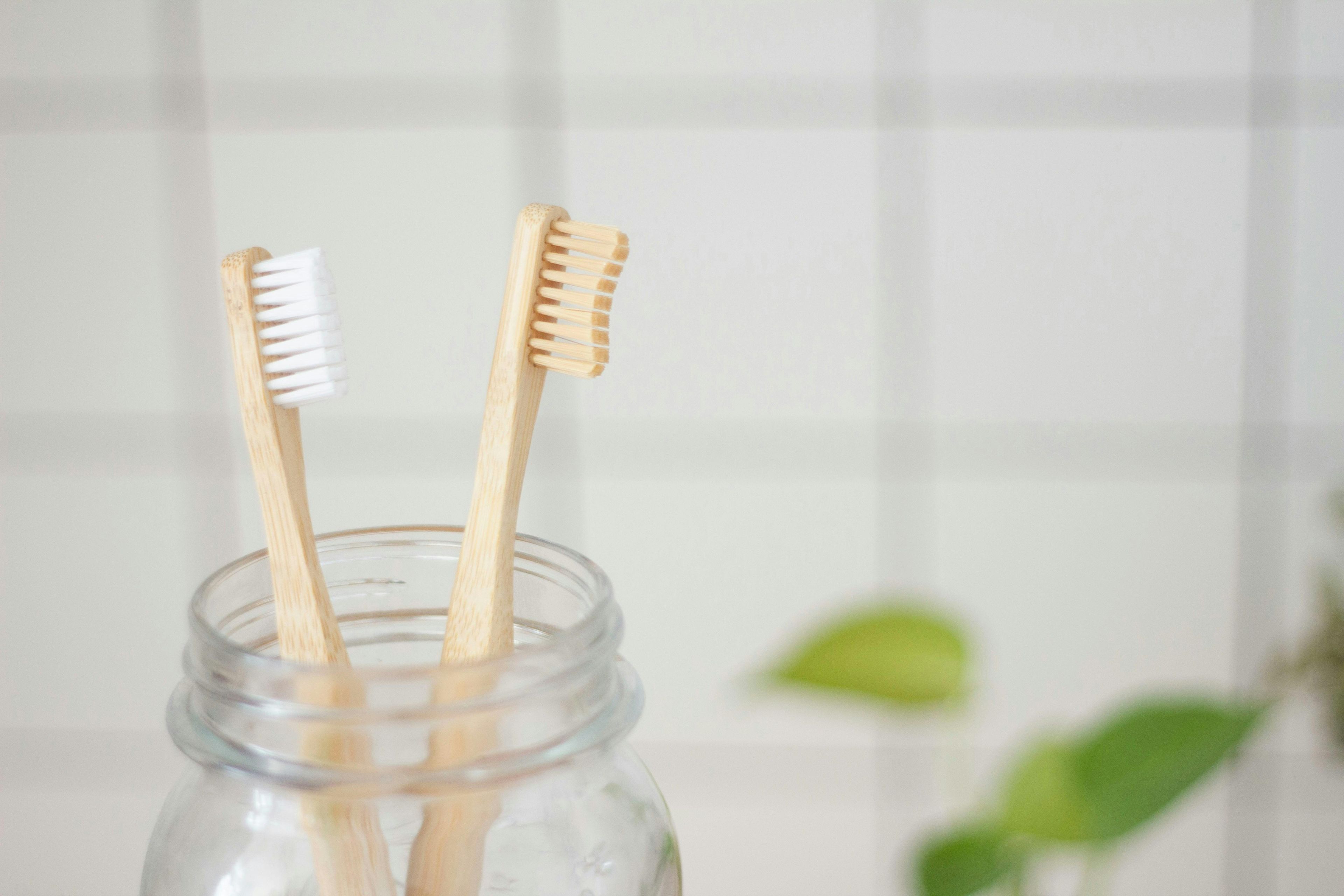
Two bamboo toothbrushes stand in a glass in front of a tiled backgroundOral Care

Xylitol toothpaste: how it protects your teeth

Xylitol toothpaste is one of the simplest ways to look after your teeth every day. This natural sweetener, also known as birch sugar, gives decay-causing bacteria nothing to feed on and supports your enamel. Here is how xylitol works, what to look for in a xylitol toothpaste and how to fit it into your routine.
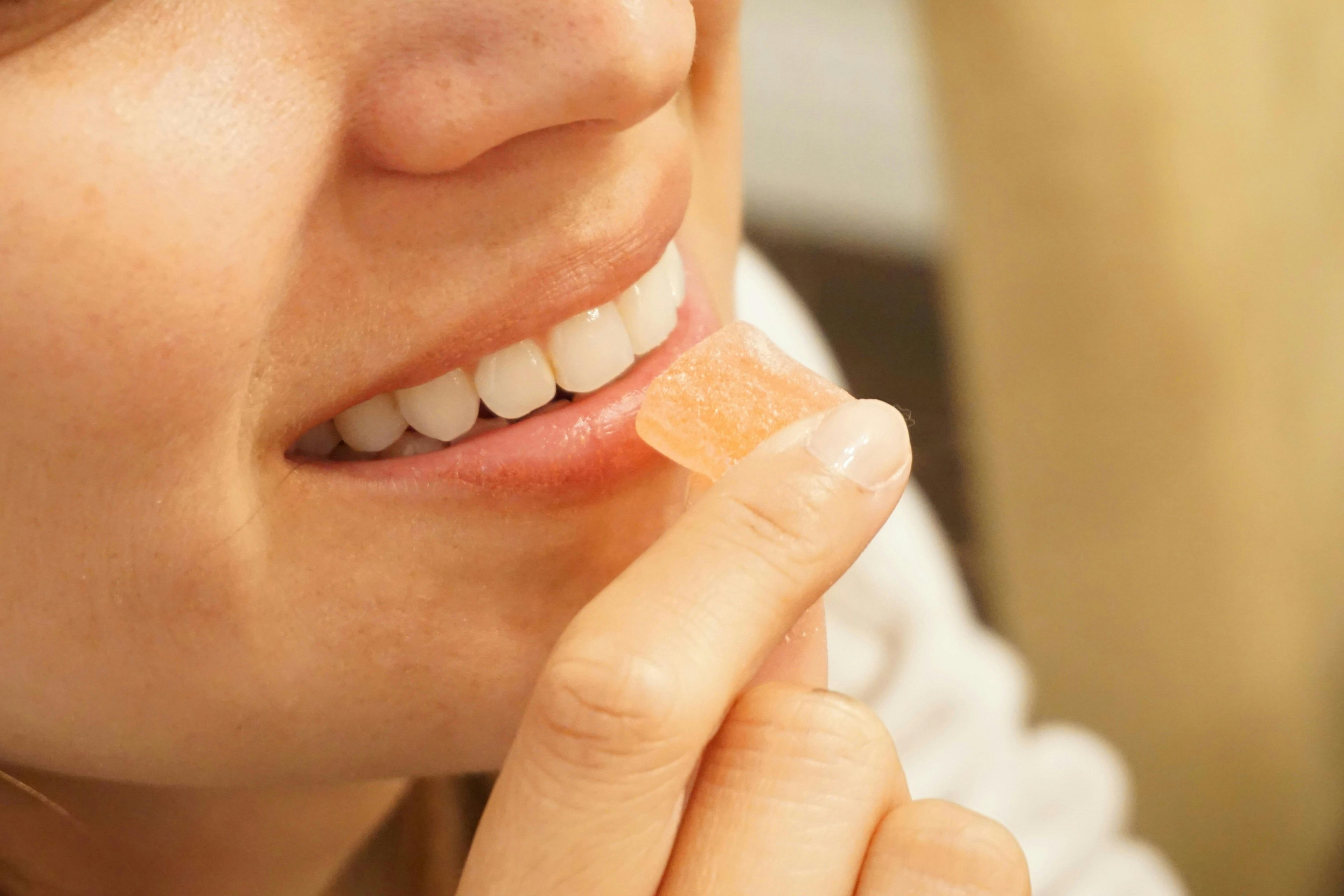

Smiling woman holds a small orange cube to her lipsOral Care

Xylitol for teeth: the natural sweetener that protects your smile

Xylitol, also known as birch sugar, is a natural sweetener with a real job to do in oral care. It tastes like sugar, but it does not feed the bacteria that cause cavities. Here is how xylitol for teeth works, what it can and cannot do, and how xylitol toothpaste, chewing gum and mouthwash fit into your daily routine.

Man in treatment chair, a dental professional supports his headTeeth Whitening

PAP in dental care: gentle teeth whitening without peroxide

PAP, short for phthalimido peroxy caproic acid, is a whitening ingredient that lifts stains without the harshness of peroxide. It is a gentle option if you want whiter teeth but worry about sensitive teeth or irritated gums. Here is what PAP is, how it works and where you will find it in at-home whitening products.

Woman in beige linen jacket smiling and touching her head, hair in a low ponytailTeeth Whitening

PAP teeth whitening: the gentle way to healthy white teeth

A bright smile feels like a sign of health and confidence, so it is no surprise that more people want to whiten their teeth safely. Traditional teeth whitening often relies on hydrogen peroxide or carbamide peroxide. It can work well, but it may also irritate your gums and leave teeth sensitive. PAP is a gentle, peroxide-free alternative. Here is how PAP teeth whitening works and why it suits so many people.

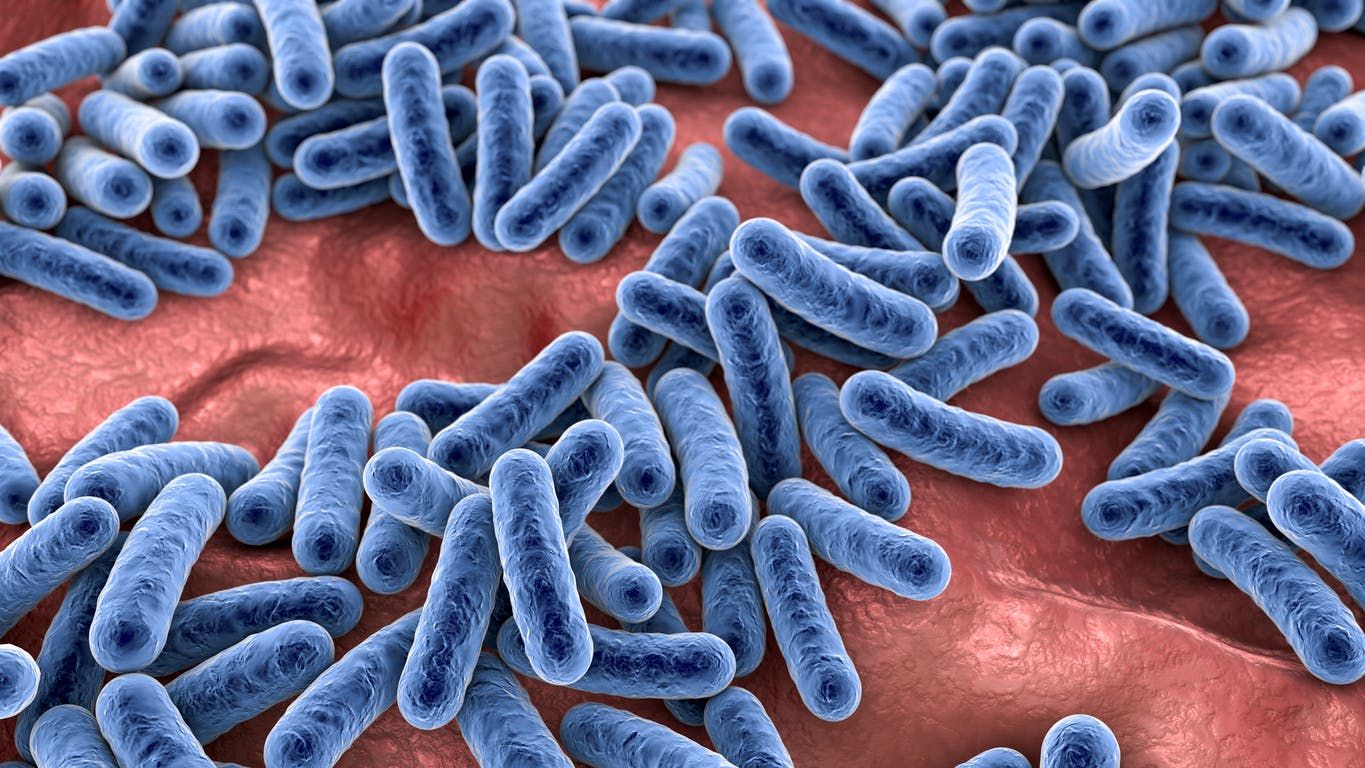
3D rendering of chain-shaped blue bacteria on a black backgroundDental Health

Disturbed oral flora: causes, signs and what helps

Most of us think about brushing, flossing and mouthwash, yet one key player is easy to forget: your oral flora. This community of bacteria, fungi and other microbes protects your teeth and gums. When the balance tips, you can end up with plaque, cavities, bleeding gums and bad breath. Here is how a disturbed oral flora develops and how you can keep your mouth in balance.

Woman grimaces and sticks out her tongue, against a light backgroundDental Health

How to build a healthy oral microbiome

Your mouth is home to millions of microorganisms, known as the oral microbiome or mouth flora. This invisible world can influence whether you struggle with cavities, gum disease or bad breath. So how can you support the good bacteria and keep your smile healthy? Here is what you need to know.

Test tube with swabs, magnified bacteriaDental Health

Mouth bacteria: symptoms and tips for good oral hygiene

A healthy, white smile looks great, and it is often a sign of good oral health. But your mouth is home to a complex community of bacteria. Most are harmless, yet when the balance tips, they can cause bleeding gums, plaque, bad breath and more. Here is how to spot the symptoms of mouth bacteria and how good oral hygiene keeps them under control.