Everything about teeth whitening and dental health

Patient in treatment chair, dentist with black gloves working on a toothDental Health

A hole in your tooth? Cavities and fillings explained

Have you ever felt a sharp twinge in a tooth while enjoying your favourite ice cream? Or spotted a dark patch on a tooth that definitely was not there before? Both can be signs of a cavity, also known as tooth decay or dental caries, one of the most common dental problems worldwide. The good news: modern dentistry offers many ways to repair a hole in a tooth and protect your smile. This guide explains the different types of fillings, their pros and cons, and how you can lower your risk of new cavities.


Carnations at different growth stages, the last with a red bloom, on a light backgroundTeeth Whitening

Teeth whitening statistics: usage, spending and market trends

A bright smile makes a strong first impression, and more people than ever are looking into teeth whitening. This article collects the latest teeth whitening statistics: how big the market is, who whitens their teeth, what people spend and how safe, effective whitening fits in. All figures come from the sources listed at the end.

Close-up of a smiling mouth with bright teethDental Health

How to fight cavities and tooth decay effectively

Cavities are one of the most common dental problems in the world, and untreated tooth decay can seriously damage your teeth. The good news is that you can do a lot to prevent them. Regular brushing, cleaning between your teeth, a balanced diet and regular dental check-ups all help. This guide explains how cavities form, how to recognise early tooth decay, how to prevent it and when you need a dentist.

Smiling woman places her hand on her cheek, white teeth visibleDental Health

How do I treat mild cavities?

Cavities (tooth decay) are one of the most common dental problems in the world, and mild cavities in the early stage are easy to miss. Spotting them in time is what keeps a small problem small. In this guide you will learn what causes early cavities, how to recognise them, how a dentist can treat them without drilling where possible, and which daily habits protect your enamel.

Graphic: descending white 3D bars on a light blue backgroundDental Hygiene

130 dental hygiene statistics: a global overview of oral health

Many people wait too long to deal with their dental hygiene and only seek help when it is almost too late. Over the last three years, we have worked on products for teeth whitening, cleaning and colour correction. Having the right information makes a real difference to your health, which is why we have put together the most important dental hygiene statistics. These 130 facts and figures give you a clearer picture of oral health today, from cavities and gum disease to brushing habits and dental clean costs. Here are our top findings, some of which may surprise you.

Enlarged illustration of a tooth surface with blue arrows and hexagonal structuresDental Health

Can you remove cavities yourself?

Tooth decay is common, and the internet is full of tips for getting rid of a cavity at home. But can you really remove a cavity yourself? Here is what cavities are, how they form, what actually helps in the early stages and when only a dentist can.

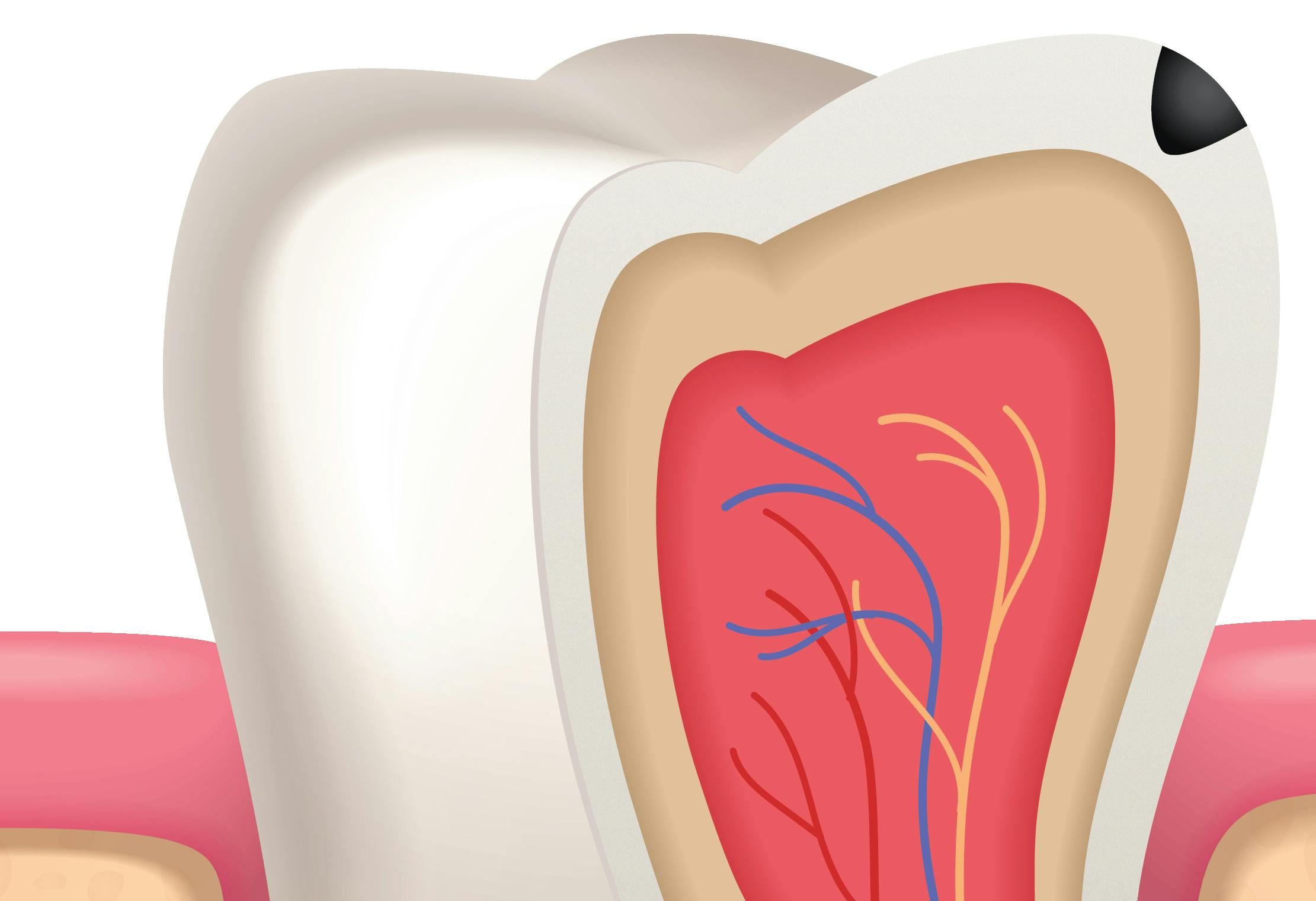
Illustration of a tooth cross-section with enamel, dentine, pulp and dark spot on the surfaceDental Health

Home remedies for cavities: myth or reality?

Can you get rid of tooth decay at home with sage, garlic, cloves or coconut oil? Many people hope so, but the evidence says otherwise. Some of these remedies have mild antibacterial properties, yet none of them can stop or reverse a cavity on their own. Find out what really protects your teeth from decay, and what to do if you already have a cavity.