What is teeth whitening?
Teeth whitening, also called teeth bleaching, is a popular cosmetic treatment that removes stubborn colour pigments and gives teeth a brighter, whiter look. Over time, pigments from food, drinks and tobacco build up on the tooth surface and leave you with stained or yellow teeth.
Whitening methods such as home whitening, power bleaching and professional in-office bleaching use whitening agents, often based on hydrogen peroxide, to reach these pigments and lighten the teeth. The aim is a brighter smile with a result that suits you.
Home whitening vs. power bleaching: which is better?
With home whitening, you might use a custom-made tray with a whitening gel, or simpler products such as strips. This lets you whiten your teeth from the comfort of home and at your own pace.
At Alpine White, you can choose between home whitening products such as the Whitening Kit or our whitening strips. Home whitening is a cost-effective, flexible option that fits around your own schedule.
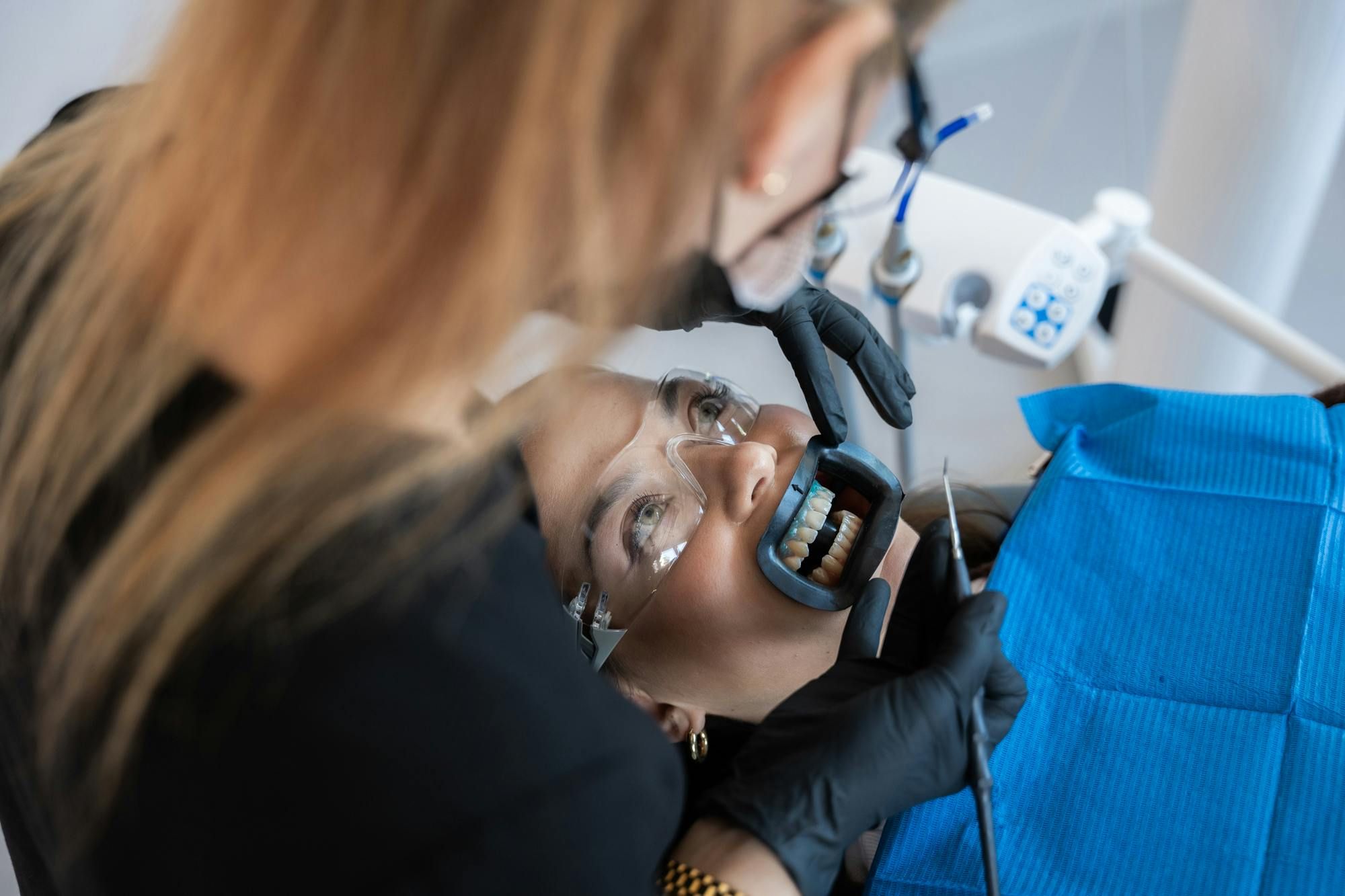
Power bleaching, by contrast, takes place at the dental practice and gives a faster, more intensive result. It uses a stronger gel that is activated by a special lamp or laser. This suits people who want noticeably lighter teeth in a short time and are happy to see a professional. However, the high peroxide concentration can be harsh and may cause pain or sensitivity, so ask your dentist whether it is right for you.
Professional teeth whitening at the dentist
Professional whitening is carried out by your dentist or a trained dental professional. Gentler approaches exist, including peroxide-free options, that aim to lighten your teeth while protecting your oral health. Whatever method you choose, treatment should always be tailored to you so that you reach the shade you want without putting your enamel at risk.
Between appointments, home care keeps your results looking fresh. Gentle whitening strips and a good daily routine help you maintain your colour and support your oral health.
Special cases
Internal bleaching is a specialised form of professional whitening for teeth that are discoloured from the inside, often after root canal treatment. The bleaching agent is placed inside the tooth to lighten the discolouration from within. It is a specialist technique that can work well where conventional whitening does not.
Keep in mind that whitening does not lighten existing fillings. They simply keep their original colour, so your dentist may suggest replacing them to create a harmonious overall look.
If your teeth are very heavily discoloured, conventional whitening is sometimes not enough. In such cases, veneers can be an alternative. They correct colour effectively and give your smile an even finish.
Does teeth whitening damage enamel?
Protecting enamel and the sensitive necks of the teeth is an important part of any whitening treatment. Enamel is the hardest substance in your body and shields your teeth from outside influences. Unsuitable whitening methods can damage it and lead to hypersensitivity, so choose gentle, enamel-friendly methods and follow the instructions carefully.
Why dental care and healthy teeth matter
Good dental care is essential for healthy teeth and for getting the best from any whitening treatment. The tooth structure that absorbs the whitening agent needs to be healthy and strong. Regular professional cleanings, limiting stain-causing foods and drinks and a good daily routine are the key to healthy teeth and a lasting result.
Lifestyle and oral hygiene
Your habits play a big role in keeping gums healthy and teeth white. Coffee, tea and red wine can stain teeth. Good oral hygiene, including regular brushing with a whitening toothpaste, helps reduce stains and keeps your teeth healthy.


 Teeth Whitening