Back to overview
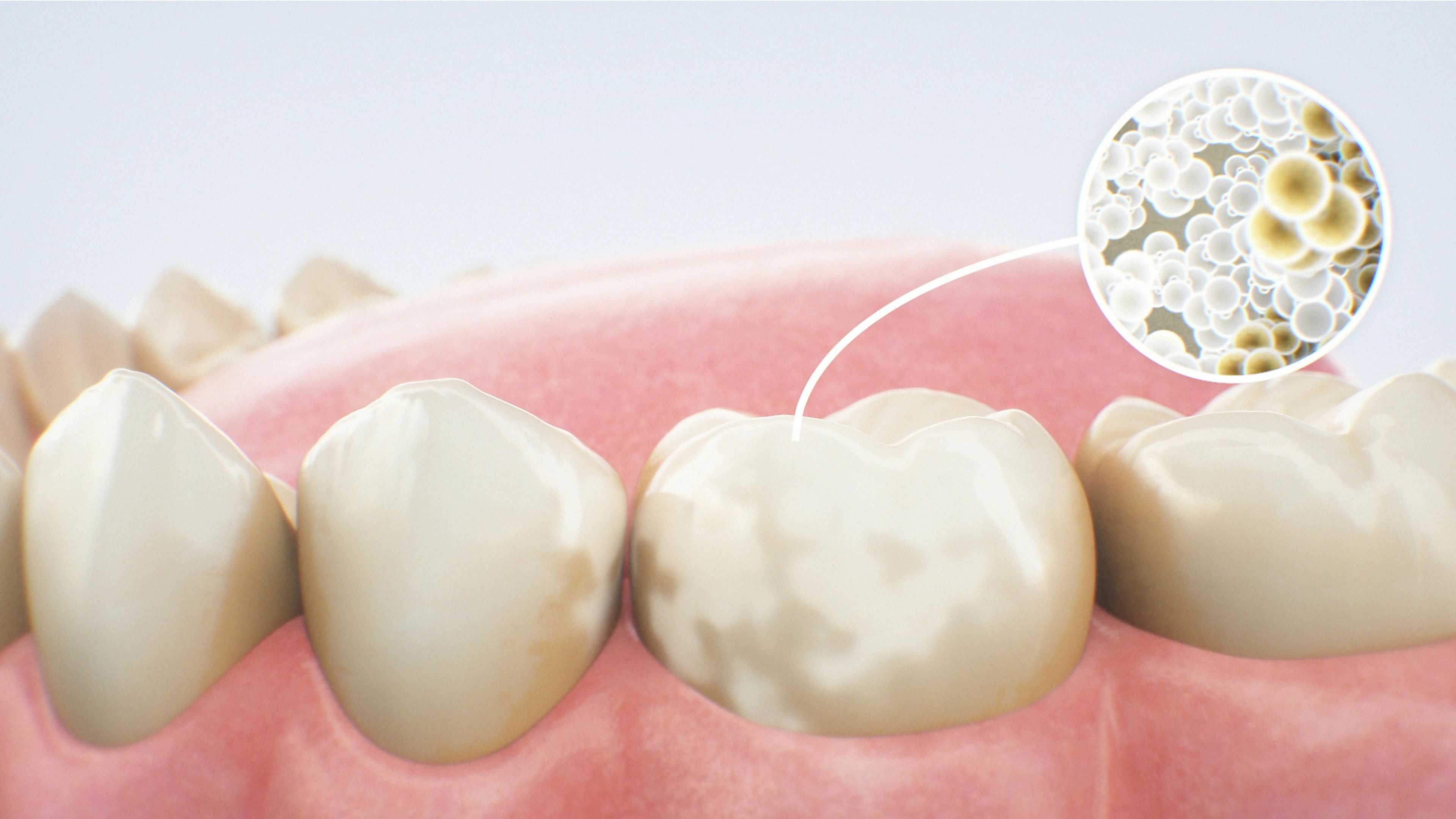
Graphic: tooth with light spots, magnification shows yellowish particles on the surface

How teeth whitening works

Teeth WhiteningSep 11, 20246 min read

A bright smile is often seen as a sign of health and confidence, yet many people live with yellow or stained teeth. This guide explains how teeth whitening works, which whitening methods exist, how safe they are for your enamel and how you can whiten teeth gently at home with Alpine White.


Andrea Seraina

Andrea Seraina

Dental Content Specialist

Why do teeth become stained or yellow?

Stained teeth are a common problem with many possible causes. Coffee, tea, red wine and tobacco are often the main culprits. Coffee and tea, red wine and tobacco contain colour pigments that settle in the tiny pores of your enamel over time. Poor oral hygiene and skipping regular professional teeth cleaning at your dentist or dental hygienist also let deposits build up on the tooth surface. Besides these outside influences, age or changes in the tooth structure itself can make teeth look darker.

How does teeth whitening work?

Teeth whitening, also called teeth bleaching, aims to remove stains from the tooth surface and from within the enamel. Whitening agents penetrate the enamel and break down the colour molecules there. Hydrogen peroxide and carbamide peroxide are the most commonly used agents because they have a strong whitening effect.

When these agents come into contact with the enamel, they break down into oxygen molecules. These split up the colour pigments in the enamel and so lighten the tooth shade. This works on surface stains as well as on deeper discolouration in the dentin, the layer beneath the enamel.

Teeth whitening methods: ways to whiter teeth

There are several ways to whiten teeth and remove stains effectively. A common method is whitening gel, used either at the dental practice or at home. The gel is applied to the teeth and held in place by a custom-made plastic tray, which spreads the gel evenly so that all teeth are treated.

Alongside professional methods, there are also whitening toothpastes with gentle brightening ingredients that lift surface stains. Toothpastes mainly work on the surface, while whitening gels are more intensive and reach deeper into the enamel, which makes whiter teeth possible in the long term.

Keep in mind that whitening does not work on dental restorations such as a crown, because the restoration material does not react to the whitening agent. In such cases your dentist can match the shade of the restoration to the rest of your teeth for an even result.

Professional whitening vs. home whitening

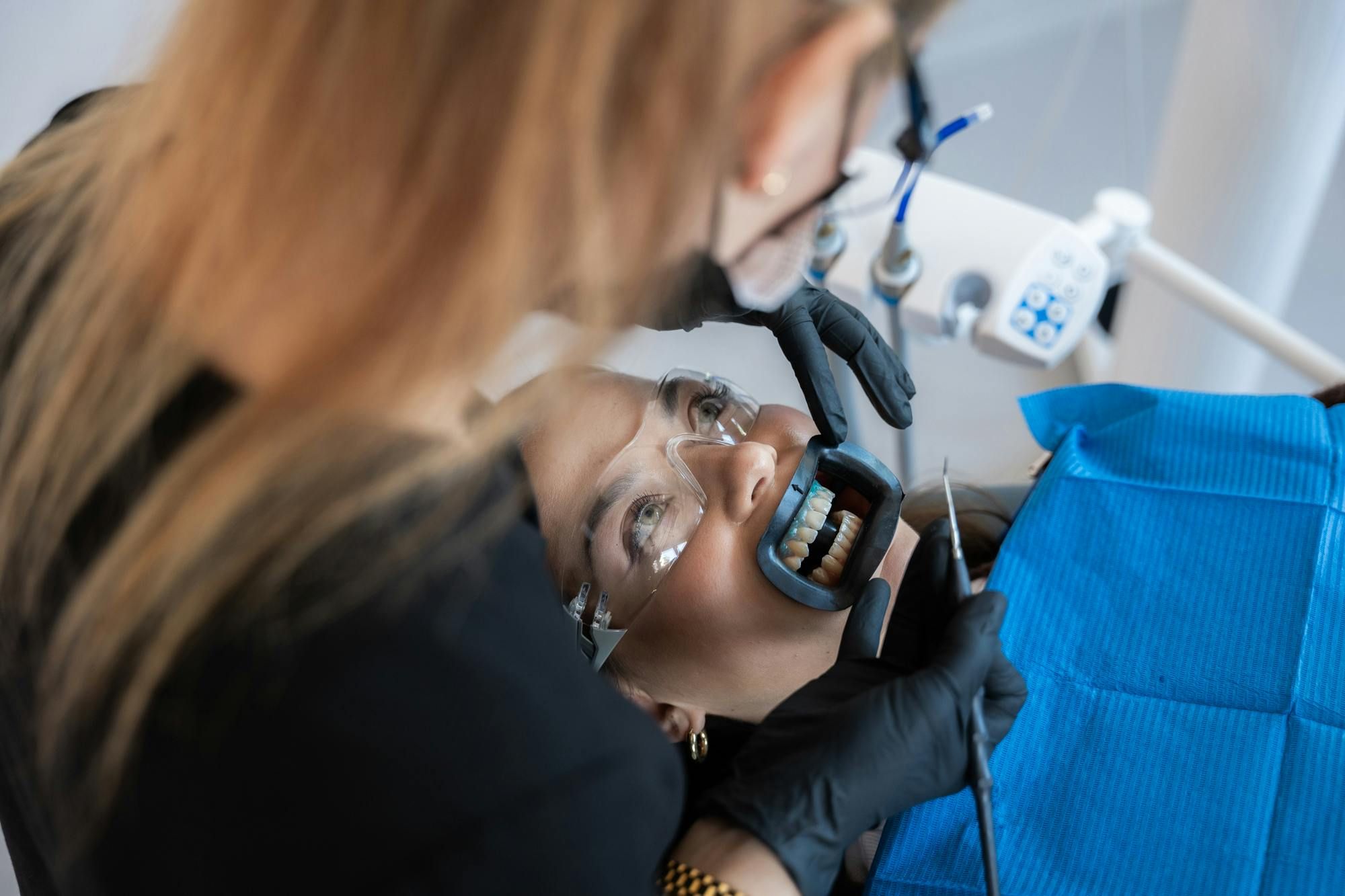
Which method suits you depends on your needs and preferences. At the dentist, in-office bleaching or power bleaching is often used. It works with highly concentrated agents for fast, intensive whitening. The gums are carefully covered to protect them, and the gel is applied directly to the teeth. Impressive results can be achieved in a single session.

Another professional method is the walking bleach technique, often used for discoloured teeth after root canal treatment. The whitening agent is placed inside the tooth and left there for a few days until the discolouration inside the tooth has faded.

You can also whiten teeth at home. With dentist-supplied home whitening, you receive a custom-made tray and a whitening gel to use at home. It is a gentle method used over a longer period until you reach the shade you want.

Alpine White offers a range of products for whitening teeth at home, such as the Whitening Kit and the whitening strips.

What does a professional whitening session involve?

In-office whitening at a dental practice is one of the most effective methods, especially for stubborn stains that have built up over the years. After careful preparation, during which your gums are covered to protect them from the gel, the gel is applied to your teeth. Visible results are possible within one session. A dentist or dental hygienist can advise you on whether it suits your teeth. Alpine White products then support you at home, for example to maintain your result or to whiten gently.
Does teeth whitening damage enamel?

Many people worry about their enamel when whitening. Enamel is the outer, protective layer of the teeth and plays an important role in dental health. If it is attacked by aggressive agents, this can damage the tooth structure and lead to problems such as cavities or sensitivity in the long term.

That is why it is important to choose a whitening method that is gentle on the enamel.

How does Alpine White protect your teeth?

Alpine White develops products that support your dental health while helping you to a brighter smile. Our whitening products are free from hydrogen peroxide and use PAP (phthalimido peroxy caproic acid) instead, a gentle and effective alternative to conventional whitening agents. PAP whitens teeth without attacking the enamel or harming sensitive teeth. Gentle products matter most if you have exposed tooth necks or sensitive teeth, to avoid unnecessary irritation.

Alpine White Whitening Toothpaste Extra White contains natural ingredients that whiten teeth gently without stressing the enamel. It removes stains caused by coffee or tea and cleans thoroughly between the teeth. Combined with regular professional teeth cleaning at your dentist or dental hygienist, you can work towards a natural, long-term whitening effect.

For more intensive whitening, our at-home products are easy to use. The Alpine White whitening strips, for example, are a good alternative to a dentist visit and whiten teeth gently without hydrogen peroxide. They suit people with sensitive teeth who want a gentle yet effective way to whiten teeth.

Is teeth whitening safe? What are the risks?

As with many dental treatments, there are some risks to be aware of. Improper use of whitening agents can lead to tooth sensitivity, especially where tooth necks are exposed. Your gums can also become irritated if the gel comes into contact with the soft tissue.

Another point to consider is how whitening works with existing fillings, veneers or dentures. These materials do not respond to whitening agents and keep their original shade, so they can stand out from your natural teeth afterwards.

Alpine White products are designed to be gentle on enamel and gums, and the peroxide-free formulation is designed for people with sensitive teeth too. If you have pain, bleeding gums or persistent sensitivity, speak to your dentist first.

How long do teeth whitening results last?

How long the result lasts depends strongly on your habits. Coffee, tea and tobacco can cause new stains, even after a whitening treatment. To keep your result for as long as possible, look after your oral hygiene and have a professional teeth cleaning at your dentist or dental hygienist regularly.

After a professional whitening, you can expect the result to last from several months up to a year. To keep your teeth white long term, it makes sense to refresh the whitening from time to time. This applies especially to home whitening, where repeating the treatment helps to prevent new stains and keep your result. After in-office whitening too, a gentle touch-up at home can help to maintain the brightness of your teeth.

Conclusion

Teeth whitening is an effective way to bring stained teeth back to a brighter shade. Whether you choose professional whitening at the dentist or prefer a gentle approach at home, there are methods to suit your needs.

Remember: white teeth are not only a matter of looks but also part of good dental health. Keep up good dental care and oral hygiene so that your smile stays bright and healthy for a long time.

This might also interest you

Blue-violet cube with gold numerals on a wooden tableTeeth Whitening

Teeth whitening myths: what is really true?

Who doesn't want bright white teeth and a confident smile? Teeth whitening is hugely popular, yet it is surrounded by myths that cause confusion. In this article we debunk the most common ones, explain what really matters for safe teeth whitening and show how Alpine White products help you whiten teeth gently at home, with proven, effective solutions instead of myths.