Back to overview
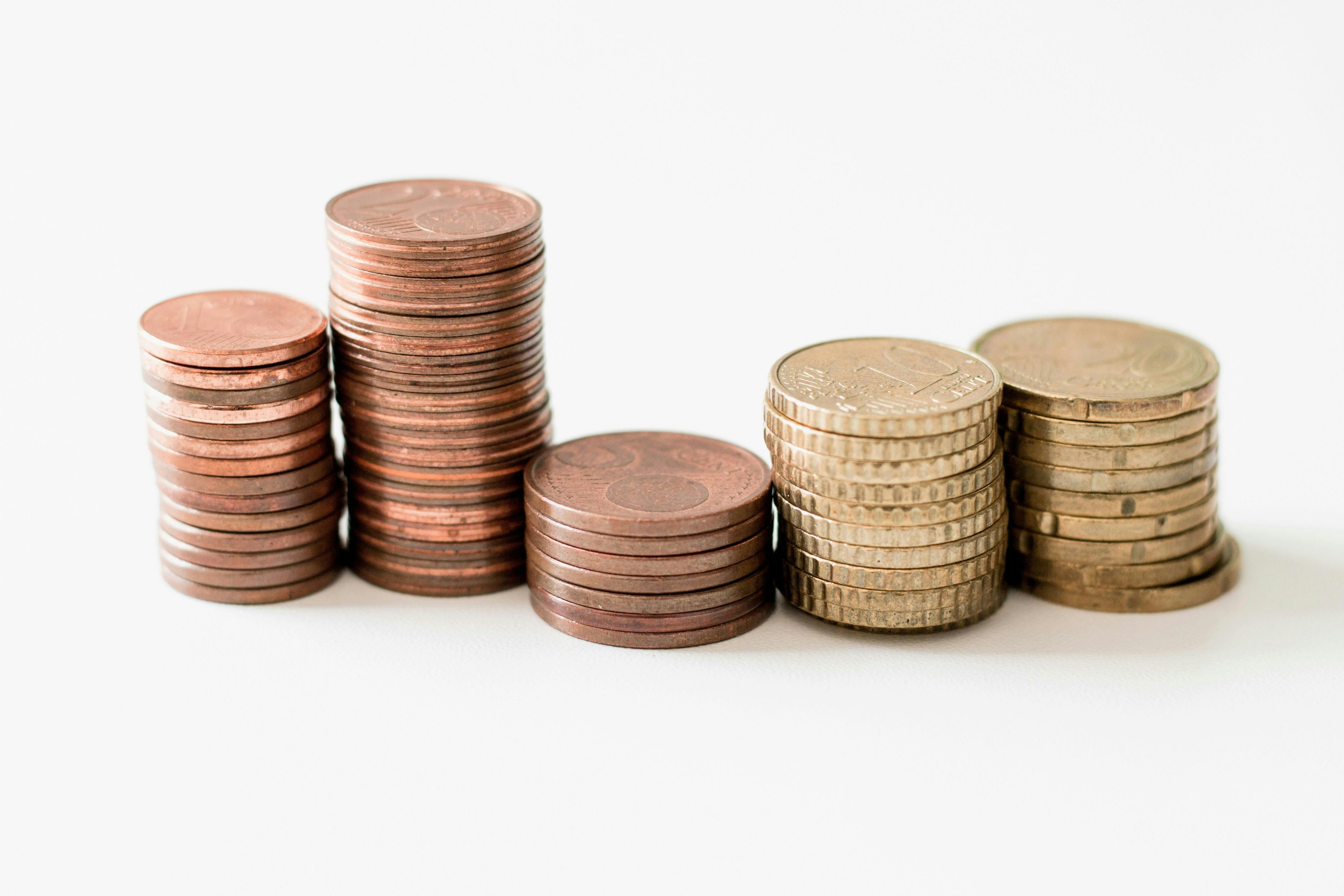
Stack of coins of different heights on a white background

Teeth whitening cost: a brief overview

Teeth WhiteningAug 12, 20245 min read

Thinking about teeth whitening but unsure what it costs? Prices depend on the method, from a professional treatment at the dentist to whitening strips at home. This guide explains what affects the cost of teeth whitening and how to choose.


Andrea Seraina

Andrea Seraina

Dental Content Specialist

What is teeth whitening?

Teeth whitening, also known as teeth bleaching, is a cosmetic treatment that lightens stains and discolouration. It uses whitening agents that break down the pigments in your teeth, and it can also help when some teeth are darker than others. You can have it done professionally at your dentist, or whiten your teeth at home with gentle products such as Alpine White whitening strips.

Why do teeth discolour?

Tooth discolouration is very common and has many causes. Coffee, tea, curry and smoking all contain pigments that settle deep in the tooth surface and form dark deposits, which get in the way of white teeth. Dental problems such as cavities and root canal treatments, or the materials used in fillings and crowns, can also change the colour of a tooth.

Not every discoloured tooth responds well to professional whitening. Very dark stains caused by long-standing deposits or by changes inside the tooth often do not react well to whitening gel or trays. In these cases, dentists often suggest veneers. Veneers are thin shells of ceramic or composite placed on the affected teeth to give them an even colour and shape while protecting the tooth structure. They are a popular option when whitening does not give the result you want.

Why have a scale and polish before teeth whitening?

A professional teeth cleaning (a scale and polish with your dental hygienist) before whitening helps you get the best result. It removes plaque and tartar from the tooth surfaces and between the teeth, which is good for your oral health and lets the whitening agent work more evenly. Ask your dentist or dental hygienist whether a clean is right for you before you start.

Power bleaching vs in-office bleaching

Power bleaching is an intensive professional method that often uses light or a strong hydrogen peroxide gel to achieve fast results. It can be too harsh for people with hypersensitivity or exposed tooth necks. Gentler options, such as a peroxide-free in-office gel, remove stains without harming the gums or enamel. These are better suited to people with sensitive teeth, gum inflammation or anyone who prefers a milder treatment.

How much does teeth whitening cost?

The cost of teeth whitening varies a lot, depending on the method, the practice and the country you live in. A professional treatment at the dentist is usually the most expensive route, so it is worth asking for a written quote that says exactly what is included, such as the consultation, the treatment itself and aftercare.

Whitening at home is a cost-effective alternative and you can do it whenever it suits you. Home products work best for light to moderate stains. They are also useful after a professional treatment, to keep your results or to freshen up your smile before a special occasion. At Alpine White you can choose from whitening strips, the Whitening Kit and whitening toothpaste.

What affects the cost of professional teeth whitening?

Professional whitening can look expensive at first glance, but several factors explain the price.

Firstly, the quality and safety of the whitening agents. These products are highly specialised and must meet strict health guidelines so that they do not damage your gums or enamel.

Secondly, the price covers the expertise and time of the dental team. Experienced dentists and dental hygienists carry out the treatment, which supports better results and makes the process safer.

Thirdly, the technology and equipment used in a modern practice are expensive to buy and maintain. Advanced techniques can make whitening faster and more effective.

Finally, the price often includes aftercare, which helps your results last. Taken together, these factors explain why professional whitening costs more, especially when you consider the long-term benefit of a brighter, more confident smile.

Benefits of professional teeth whitening

  1. Fast results: Professional whitening usually works faster than whitening at home.
  2. Safety and comfort: Trained dental staff monitor the treatment and help you stay comfortable throughout.
  3. Tailored care: Your dentist can adapt the treatment to your teeth and your needs.

How does oral hygiene affect teeth whitening?

Thorough, regular oral care plays a crucial role in whitening. How well and how long your results last depends largely on the care your teeth get every day. Before you start any whitening, your teeth and gums should be healthy, as this is the basis for a good result.

Brush and floss regularly

Daily brushing and flossing remove plaque and prevent tartar, which can lead to staining and gingivitis. A clean tooth surface lets whitening products make direct contact with the enamel, so they work more effectively.

Use a fluoride toothpaste

Choosing the right toothpaste matters too. A fluoride toothpaste helps strengthen enamel and makes it more resistant to acids from food and bacteria. Strong enamel is less prone to staining and gives whitening a better foundation. Our Whitening Toothpaste Extra White contains fluoride, so it is a good everyday choice.

Keep up regular check-ups

After whitening, regular check-ups help you monitor the health of your teeth and gums. Your dentist can also advise when a touch-up makes sense, and at home you can keep your teeth bright with whitening strips or whitening toothpaste.

Combining these habits supports good oral health and helps your whitening results last longer. Good oral hygiene is not only the basis of a healthy smile but also the best way to protect your investment in whitening.

Conclusion

Teeth whitening is an investment in your smile and your confidence. Whether you choose a professional treatment at the dentist or an at-home routine, a clean, healthy mouth gives the best result. To keep your smile bright between appointments, take a look at the Alpine White range.
This might also interest you

Smiling woman brushes her teeth in front of the bathroom mirrorTeeth Whitening

PAP Teeth Whitening: How Gentle Whitening Supports Healthy, White Teeth

Most of us want whiter teeth, but worry about enamel and sensitivity. Classic bleaching is often linked with strong ingredients and unpleasant side effects. PAP teeth whitening offers a gentler alternative: it aims to reduce stains and support healthy, white teeth without putting unnecessary stress on your enamel. In this article, we explain in simple terms what PAP is, how it works and how ALPINE WHITE whitening strips and whitening toothpaste can fit into your daily oral care routine.

Light blue toothbrush next to an ALPINE WHITE toothpaste tube on a shelfOral Care

How a modern oral care routine helps you avoid costly, painful dental treatment

Most of us know we should look after our teeth better, but between work, family and everyday life there is rarely time for a clear plan. Dental treatment is not getting any cheaper, and every painful session in the dentist’s chair is a reminder of how valuable prevention is. This article shows you how a realistic, modern oral care routine can protect your teeth and gums, keep plaque and stains in check, and lower your risk of costly, painful treatment.

Woman places a Whitening Strip on the upper teethTeeth Whitening

Best teeth whitening strips in Europe: why Alpine White is the top choice

Looking for the best teeth whitening strips in Europe, without sensitivity or harsh chemicals? Find out why Alpine White's clinically validated, peroxide-free whitening strips are trusted in Germany, Austria and Poland. Developed in Switzerland and sold by leading European retailers, they deliver visible results in just 3 days – gently, effectively and with no fuss.