Everything about teeth whitening and dental health – Oral Care

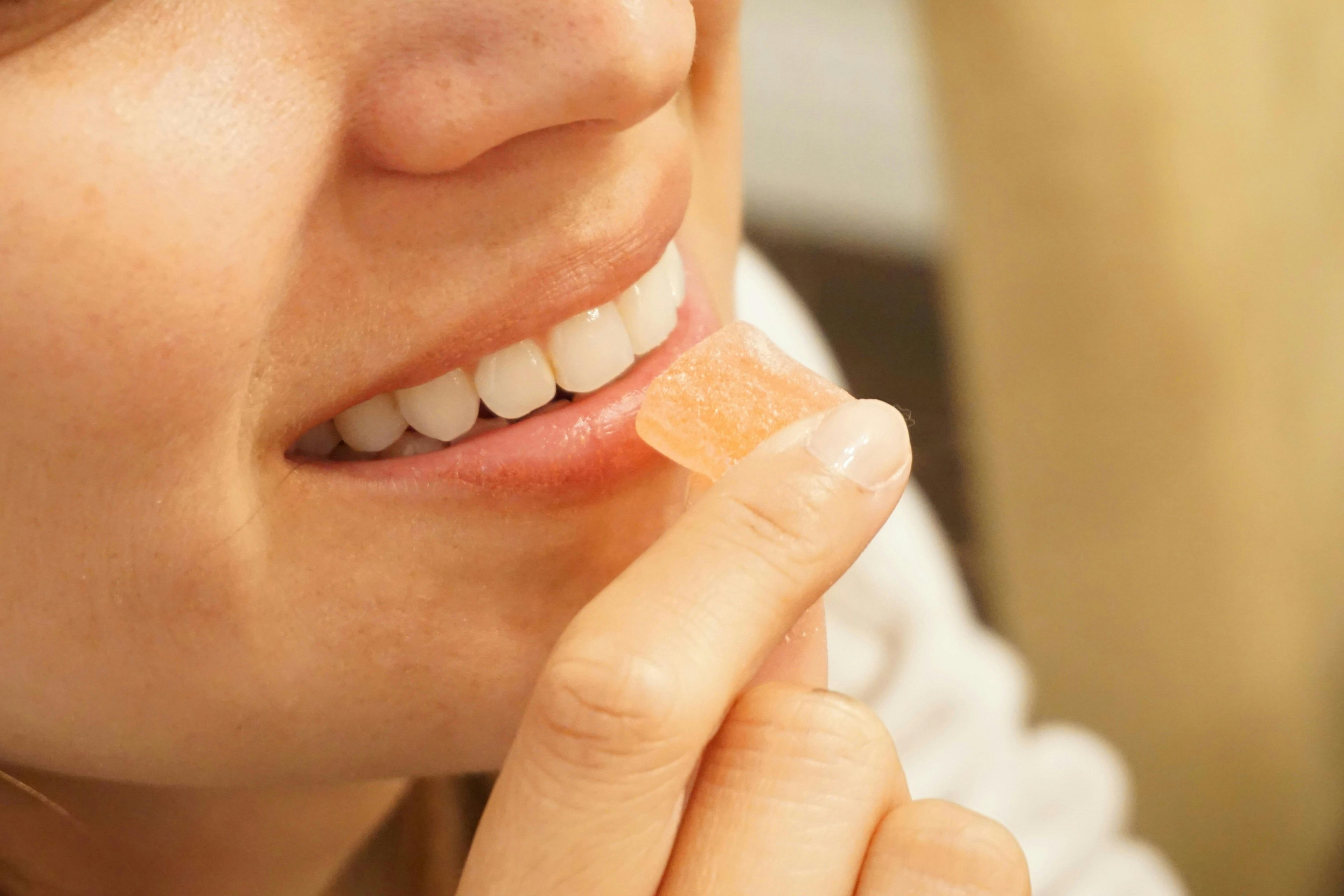
Smiling woman holds a small orange cube to her lipsOral Care

Xylitol for teeth: the natural sweetener that protects your smile

Xylitol, also known as birch sugar, is a natural sweetener with a real job to do in oral care. It tastes like sugar, but it does not feed the bacteria that cause cavities. Here is how xylitol for teeth works, what it can and cannot do, and how xylitol toothpaste, chewing gum and mouthwash fit into your daily routine.
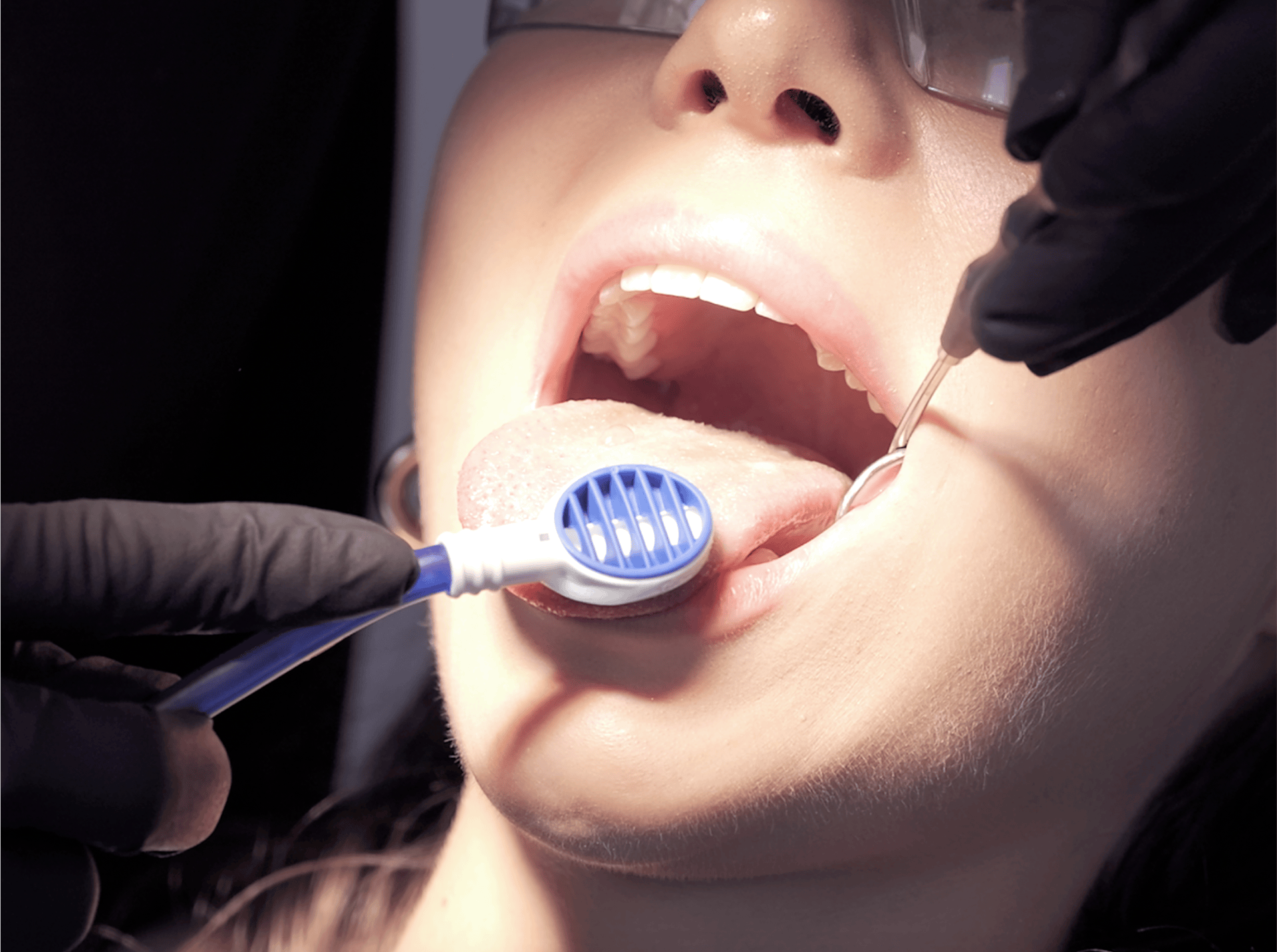

Blue tongue cleaner on a person's tongue during treatmentOral Care

Tongue cleaning: the key to fresh breath and a healthy mouth

The tongue is easy to forget when you brush, yet it is a favourite hiding place for bacteria that cause bad breath and can contribute to tooth and gum problems. A whitish or yellowish tongue coating is a sign that it is time for proper tongue cleaning. Here is why it matters, how to clean your tongue safely at home with a tongue scraper or brush, and what a dental hygienist can add.

Laughing woman with closed eyes against a light grey backgroundOral Care

How to get rid of bacteria on your tongue

Bacteria that build up on your tongue can cause tongue coating and bad breath. Here is how to clean your tongue properly, which tools help, and how the rest of your oral care routine keeps your mouth fresh and healthy.

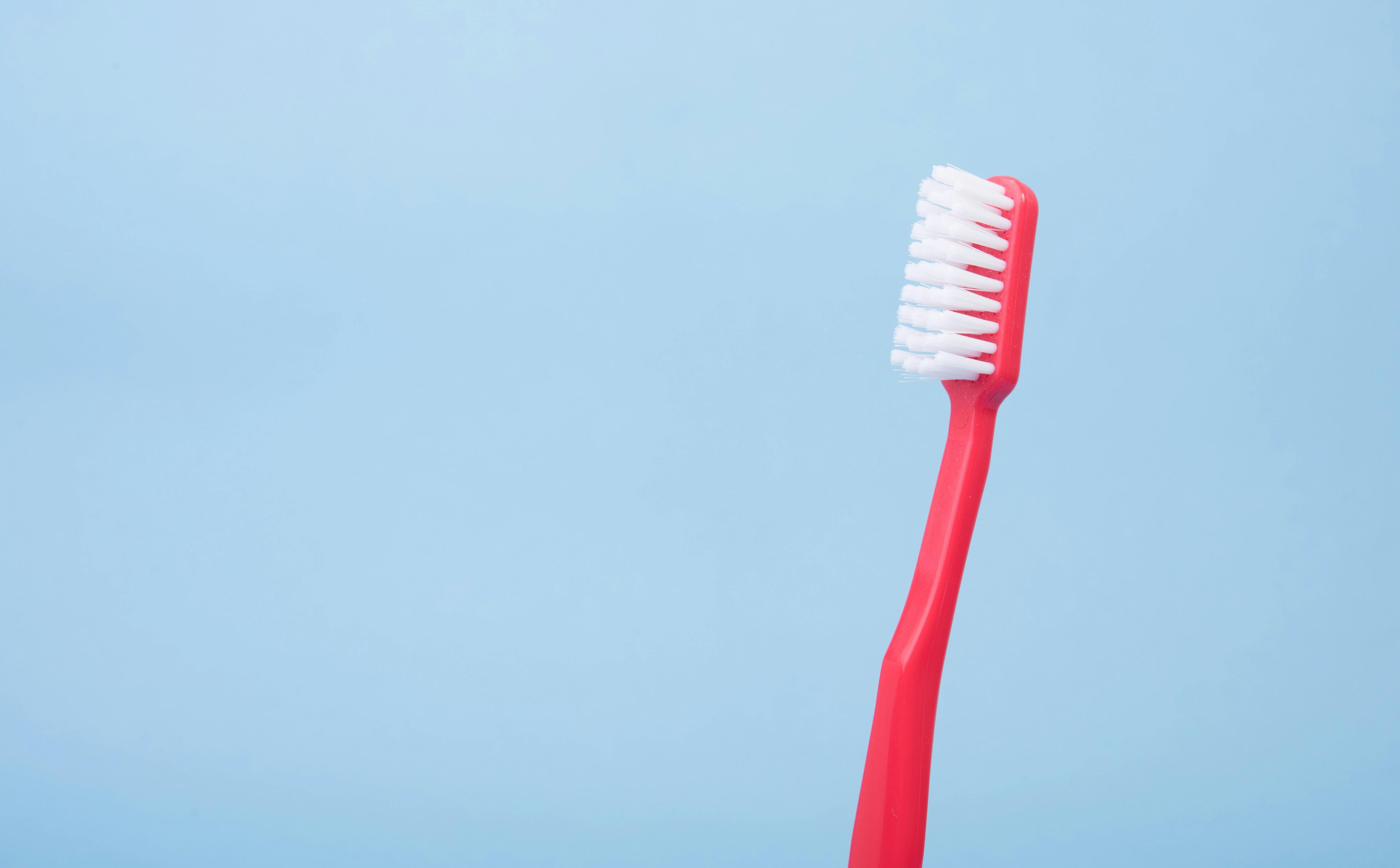
Red toothbrush with white bristles against a light blue backgroundOral Care

Dental plaque: how to remove it and keep it away

Dental plaque is often dismissed as a cosmetic issue, but it is where most tooth and gum problems begin. Left alone, it can lead to cavities, gingivitis and gum disease. This guide explains what plaque on teeth is, why it matters and how to remove plaque at home, plus when a visit to your dental hygienist is worth it.

Laughing woman with curly hair and hand on her chin, shows her teethOral Care

Air Floss: easy interdental cleaning

Plaque and food debris collect easily between your teeth, which can lead to cavities and gum problems. Traditional string floss and interdental brushes work, but many people find them fiddly and skip them. Air Floss makes interdental cleaning quick and comfortable. It is used by dental hygienists during professional teeth cleaning and is also available for use at home.

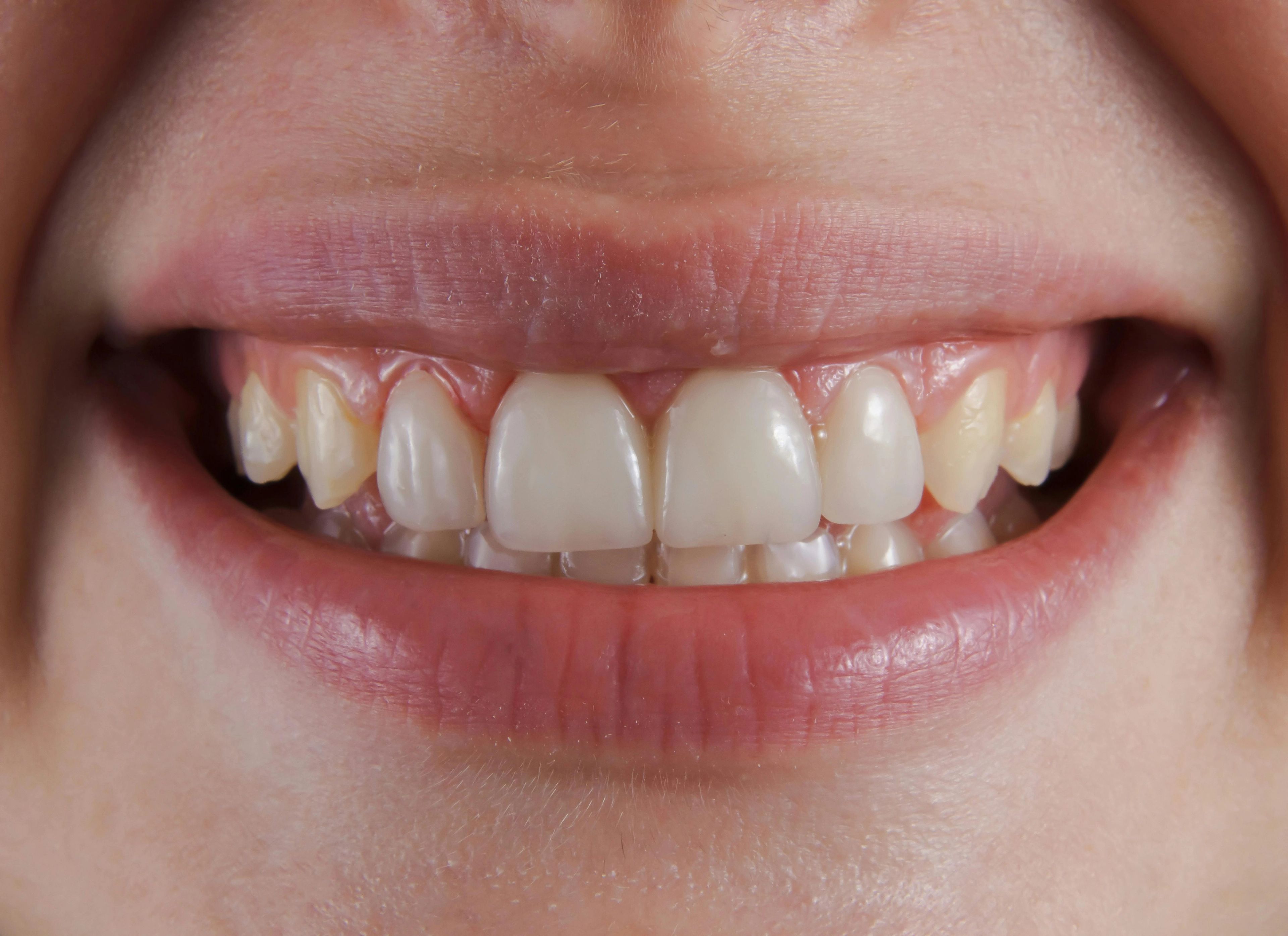
Close-up of lips and teeth while smiling, gums visibleOral Care

The ultimate guide to better oral hygiene

Good oral hygiene is the foundation of healthy teeth, fresh breath and a confident smile. It is about much more than looks: daily care helps prevent cavities, gum inflammation and gum disease, which can lead to tooth loss and bad breath. Prevention is the best way to avoid costly and painful dental treatment. In this guide, Alpine White explains how to improve your oral hygiene step by step, from brushing and interdental cleaning to tongue care, diet and regular check-ups.

Hand passes a light blue electric toothbrush, a second hand points at it, grey backgroundOral Care

Why you need an electric toothbrush

Technology shapes almost every part of daily life, so why settle for second best when it comes to brushing? An electric toothbrush is more than a gadget: it is a powerful tool for your oral health. Here is why switching from a manual to an electric toothbrush is one of the easiest choices you can make for cleaner, whiter teeth.

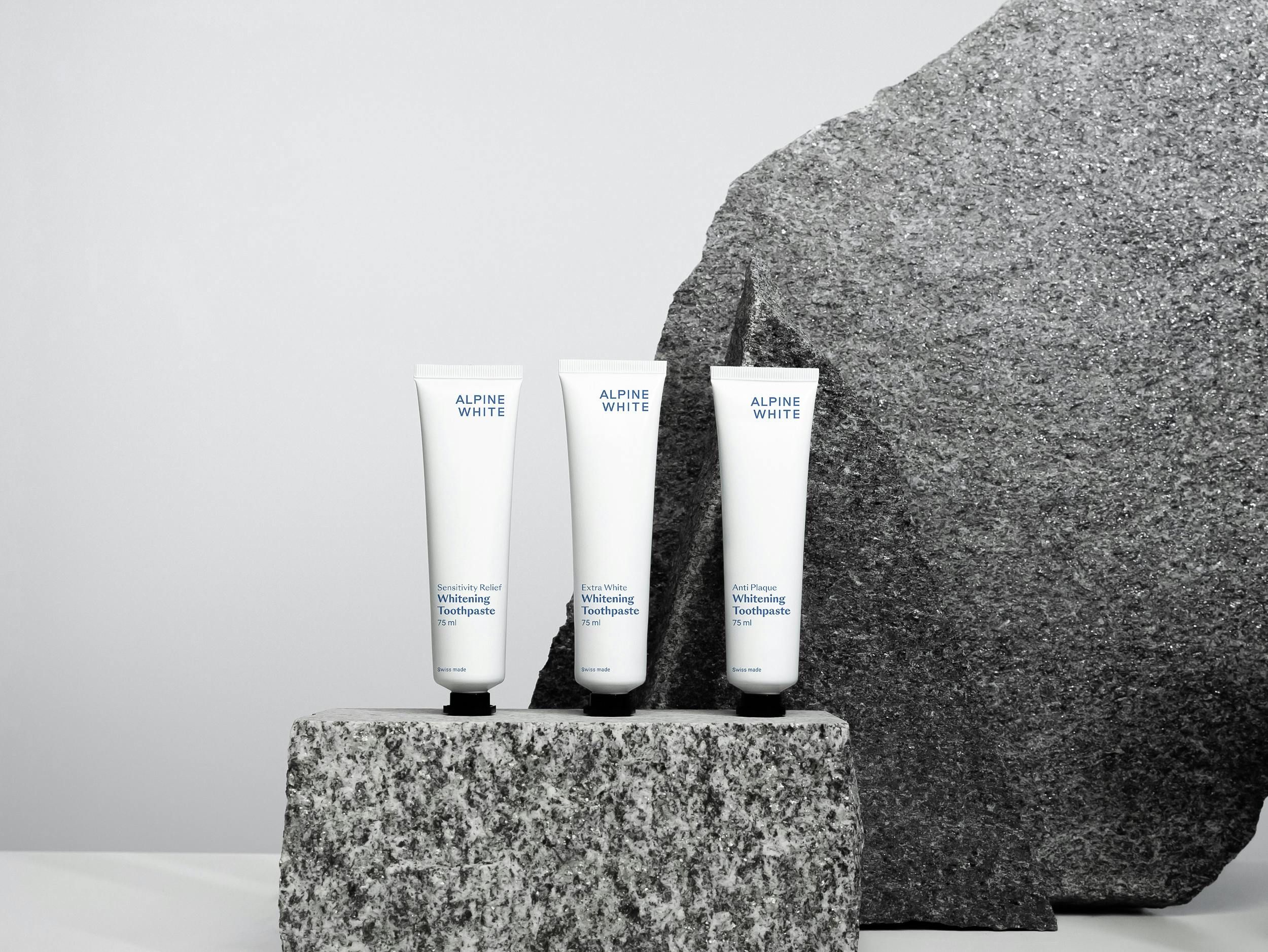
Three ALPINE WHITE Whitening Toothpaste tubes on a grey rockOral Care

Fluoride in toothpaste: your key to strong, healthy teeth

Fluoride in toothpaste is far more than an extra ingredient. It is one of the most important factors in keeping your teeth healthy. Here you will learn how fluoride toothpaste works, how much you need and how it helps prevent tooth decay and strengthen your enamel, so your whitening routine rests on a solid base.

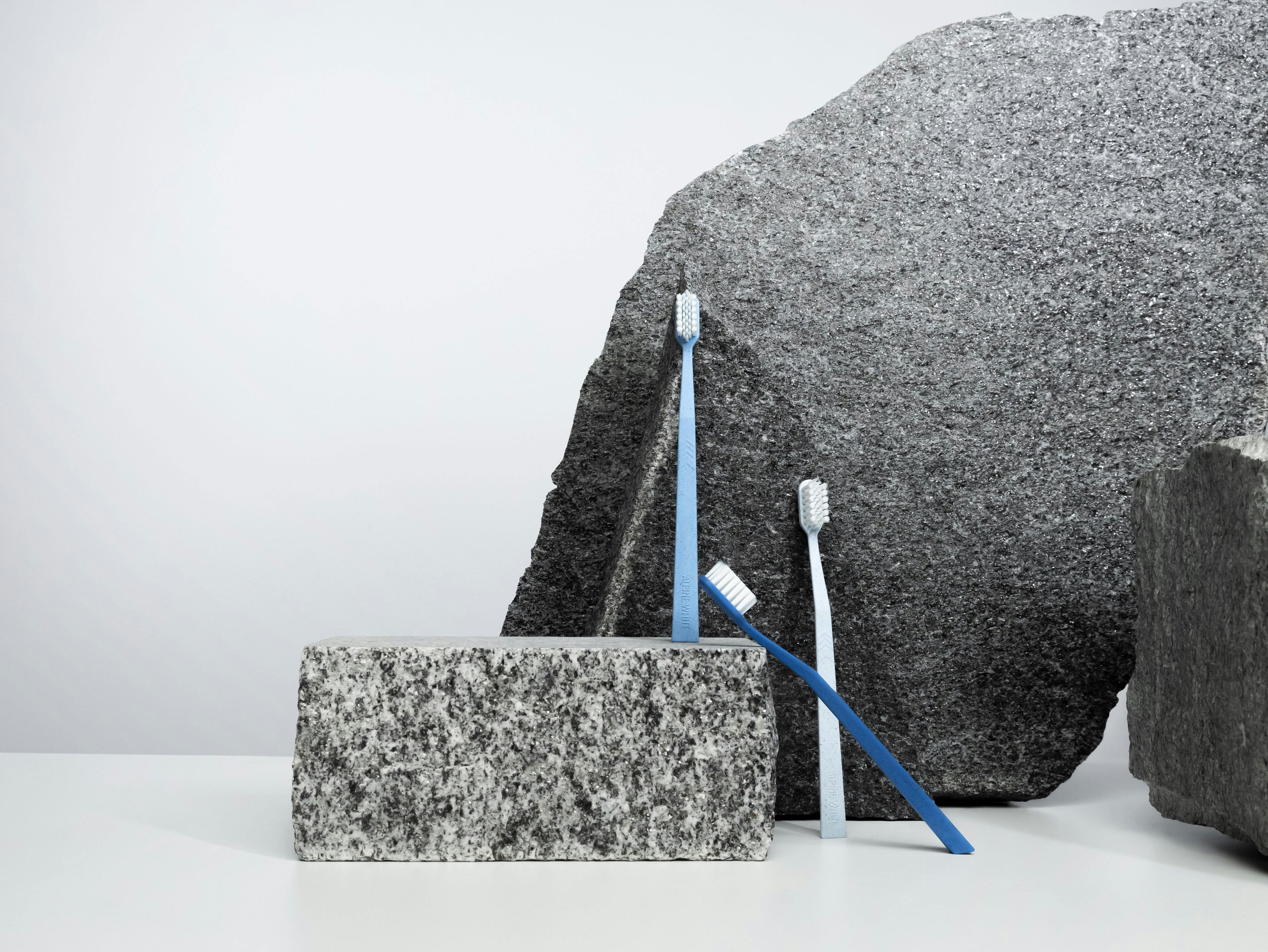
Toothbrushes in blue and light blue on granite stones against a light backgroundOral Care

How often should you change your toothbrush?

Brushing twice a day is one of the simplest ways to protect your teeth and gums. But even a perfect routine loses its power if your toothbrush is worn out. Knowing how often to change your toothbrush keeps the bristles in good shape, so they can keep removing plaque and food debris. Leave it too long and a worn brush cleans far less well than you think.