Why does changing your toothbrush matter?
Over time, the bristles of every toothbrush wear down, whether you use a classic manual brush or an electric toothbrush. With daily use the bristles lose their stiffness and start to splay, so they no longer remove plaque as well. Hard-to-reach spots, such as the gaps between your teeth, suffer most. Food debris and plaque collect there when the bristles can no longer hold their shape.
A worn brush head is less effective and can raise the risk of dental problems. Without the cleaning power of an intact brush, bacteria find it easier to settle on your teeth and along the gum line. This can lead to dental plaque and, in the worst case, to cavities and gum inflammation. Left untreated, gingivitis can develop into periodontitis, a more serious inflammation of the tissues that support your teeth, which can cause bone loss around them.
To keep your teeth healthy, dental experts recommend replacing your brush regularly. With a manual toothbrush, that means the whole brush. With an electric toothbrush, you only need to replace the brush head, as the handle can be used for years. A fresh head keeps cleaning your teeth thoroughly and helps protect you from tooth and gum problems.
How often should you change your toothbrush?
The rule of thumb is to replace your toothbrush or brush head every three to four months. This applies to every type: manual, sonic and other electric toothbrushes. Studies have shown that after about three months the bristles lose cleaning performance and bend, which reduces their effectiveness.
Some situations call for an even earlier change, for example:
- After a cold or other illness: bacteria and viruses can survive on your toothbrush and may affect your health.
- When the bristles splay quickly: if the bristles bend after a short time, you may be brushing too hard, or your brush may simply be more delicate and need replacing sooner.
- If you have sensitive gums or gum inflammation: a soft toothbrush is kinder to your gums, but you may need to replace it more often, as soft bristles wear out faster.
Electric and sonic toothbrush heads
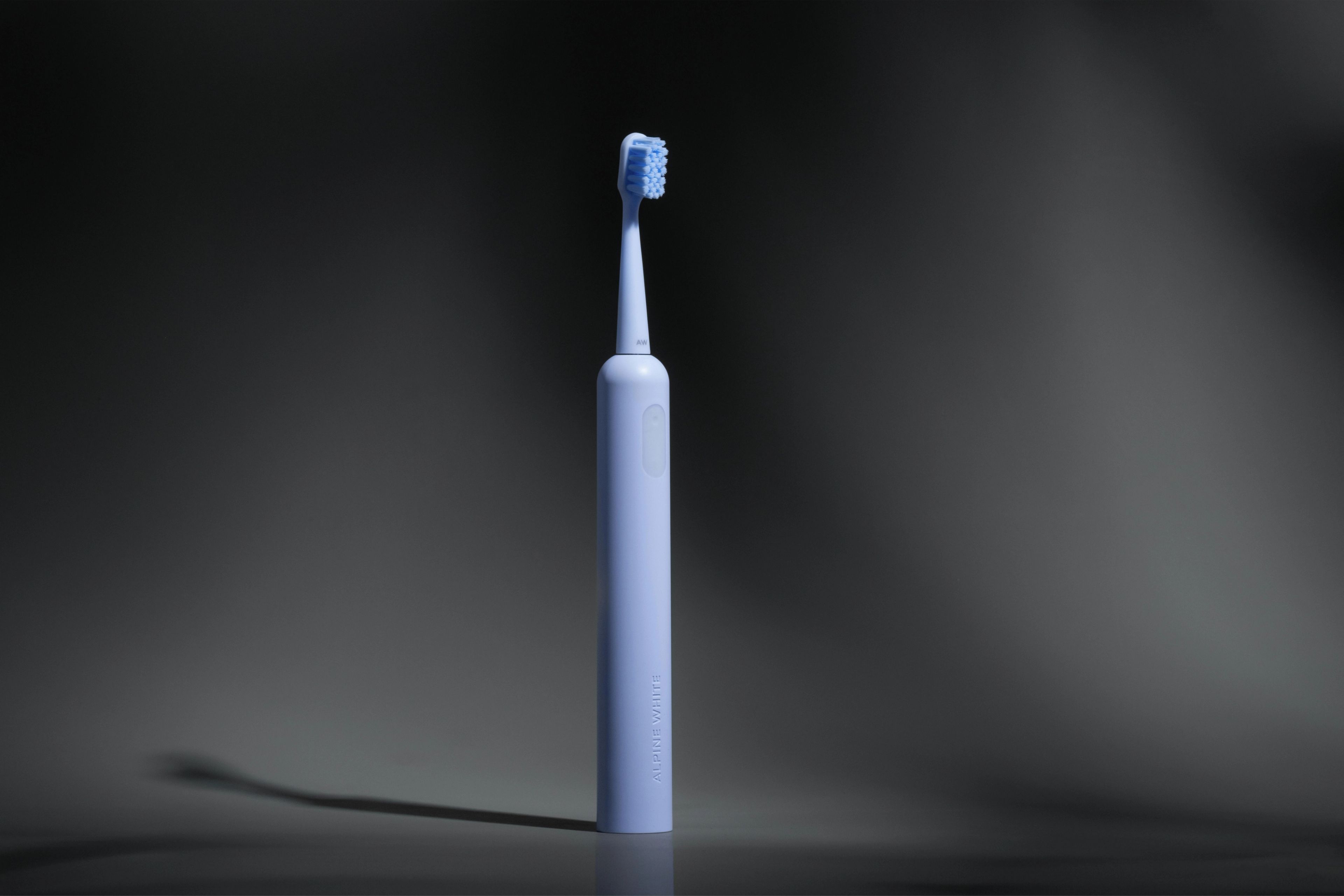
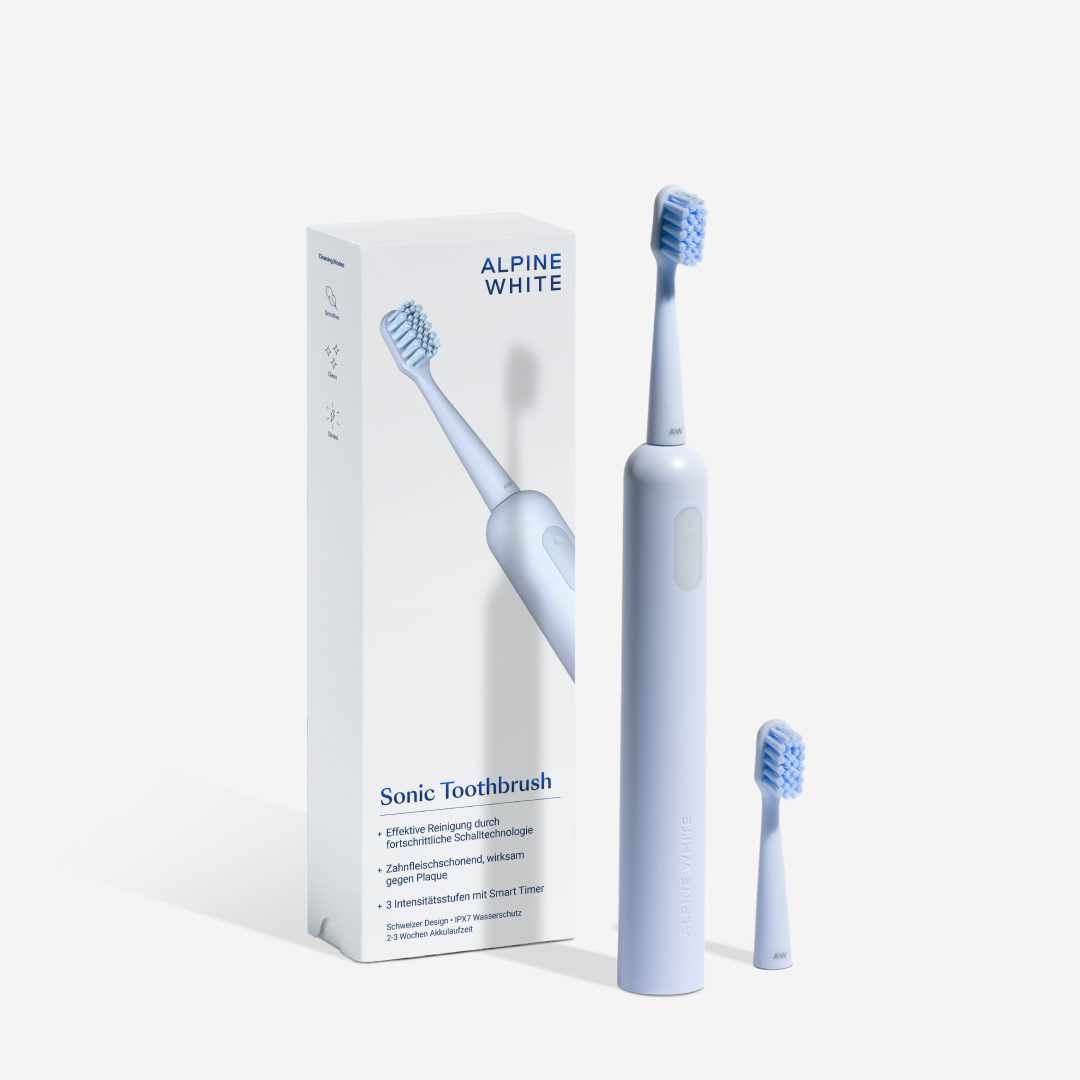
With an electric toothbrush, it is especially important to replace the brush head regularly to keep up good oral care. Because the bristles lose cleaning power and bend over time, we recommend fitting a new brush head every three months. A fresh head removes plaque more thoroughly and helps protect against problems such as periodontitis. Many modern electric toothbrushes remind you when to change the head by analysing usage, without storing personal data. This makes your routine simple and helps keep your teeth and gums healthy in the long run.
How to use and care for your toothbrush
Good brushing technique and careful handling of your toothbrush are key to healthy teeth and gums. Here are a few tips:
- Rinse under running water: rinse your toothbrush thoroughly after every use to remove food debris and toothpaste residue.
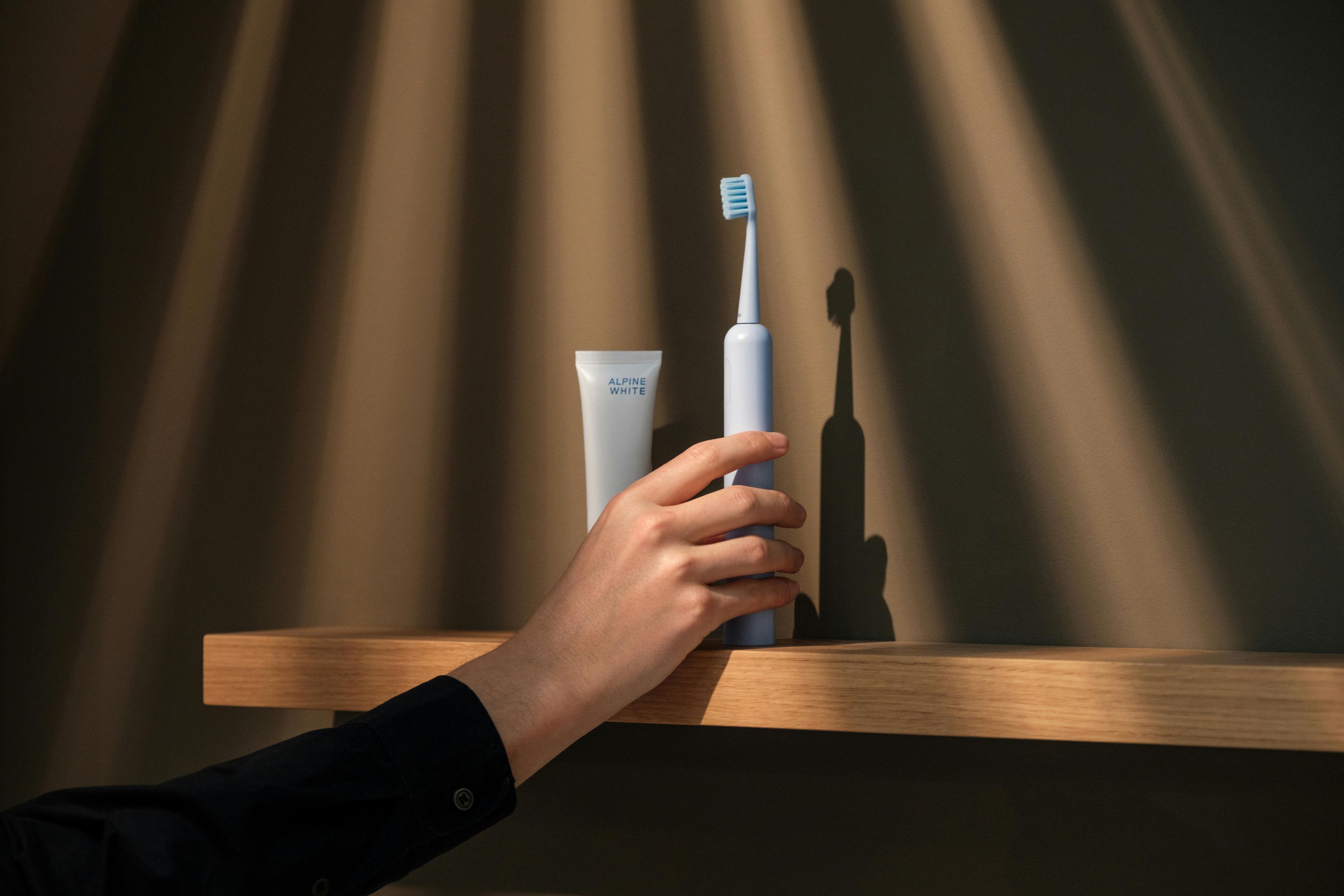
- Let it air-dry: store your toothbrush upright in a toothbrush cup and let it dry in the air.
- Protect it from bacteria: do not cover your toothbrush, as this encourages bacterial growth. Microorganisms settle on a brush especially easily in damp conditions.

 Oral Care