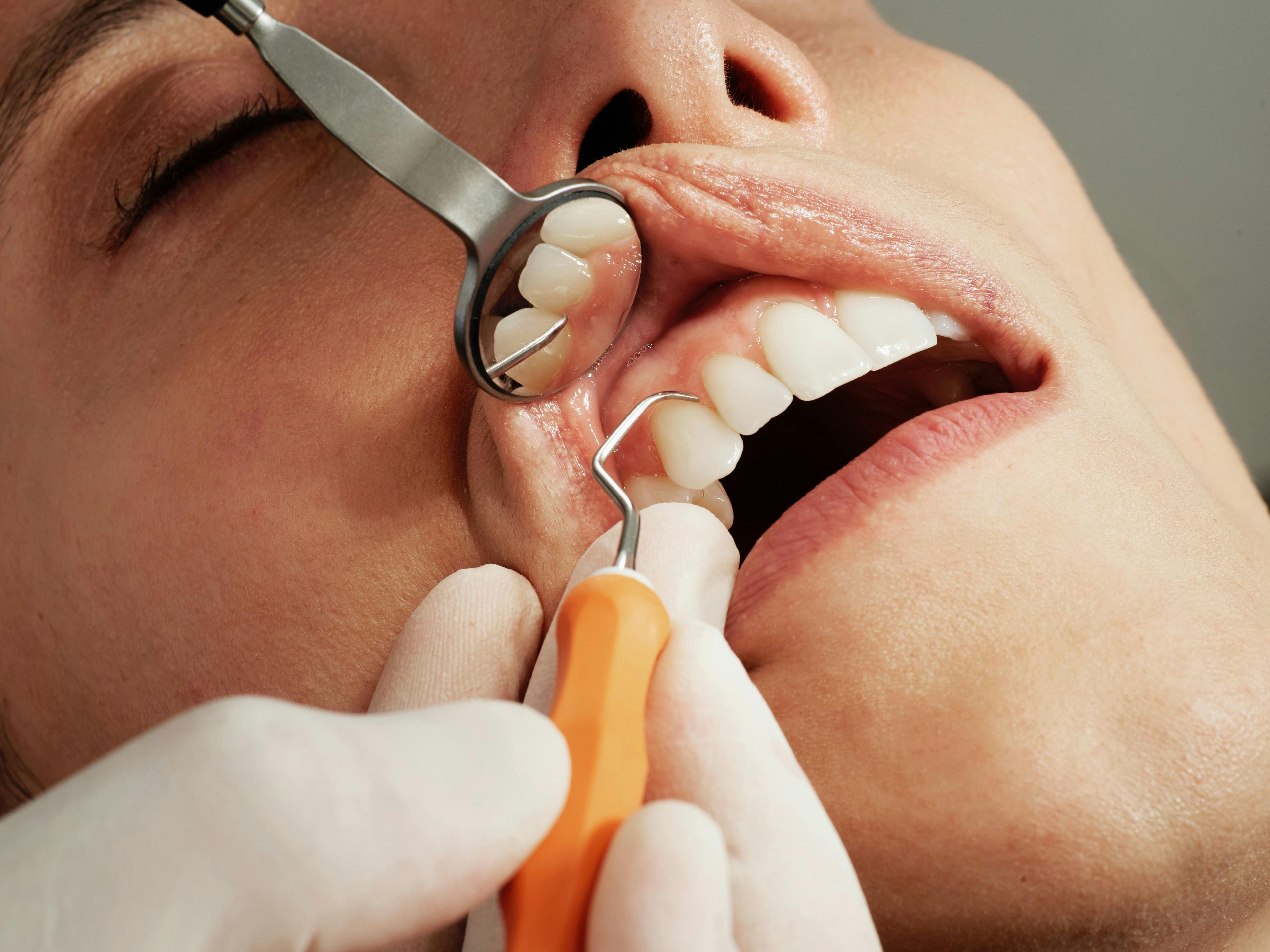
What are the symptoms of gum disease?
Spotting the first signs early can make all the difference. Typical symptoms include:
- Swollen gums: often one of the first signs of inflammation.
- Redness: appears when the gums are irritated and can point to ongoing gum inflammation.
- Bleeding gums: especially common when brushing or flossing.
- Bad breath or a bad taste in the mouth: both can indicate a build-up of harmful bacteria in the mouth.
- Receding gums: this exposes the necks of the teeth and can make them more sensitive.
- Loose teeth: a serious sign that the structures supporting your teeth are under attack.
If you notice bleeding that does not go away, persistent bad breath or loose teeth, see your dentist.
What causes gum disease?
The main cause of gum disease is dental plaque, a soft, sticky film on the teeth that is rich in bacteria. If plaque is not removed regularly, it can harden into tartar and inflame the gum line. In the long run, this can damage the jawbone and lead to tooth loss.
Other factors that can contribute to gum disease include:
- Poor oral hygiene
- Smoking or using tobacco
- Certain medications that reduce saliva flow
- Genetic predisposition
- Hormonal changes, for example during pregnancy
- Underlying conditions such as diabetes
- Stress and an unbalanced diet
How can you prevent and treat gum disease?
Gum disease can seriously affect your oral health, but with the right prevention and treatment it can usually be avoided or managed. Here is how to prevent it and deal with existing problems.
Prevention: habits for healthy gums
Prevention starts with good oral hygiene and regular visits to your dentist or dental hygienist. These are the most effective measures:
- Brush regularly: brush at least twice a day with a fluoride toothpaste. This helps reduce the plaque that can lead to gum inflammation.
- Use dental floss and interdental brushes: cleaning between your teeth every day is essential, because plaque collects there and can inflame the gums.
- Use mouthwash: antimicrobial mouthwashes can help reduce the number of bacteria in your mouth and lower the risk of gum disease.
- See your dentist or dental hygienist regularly: professional cleaning removes plaque and tartar that brushing cannot reach, and helps spot the early signs of periodontitis.
- Go to regular check-ups: they let you keep track of your oral health and act early, before serious gum problems develop.
How is gum disease treated?
If gum disease develops, the treatment depends on how severe it is:
- Non-surgical treatment: this includes deep cleaning such as scaling and root planing, where plaque and tartar are removed below the gum line and the root surfaces are smoothed. It can help inflamed gums to heal and prevent further damage.
- Surgery: in advanced cases, surgery may be needed to regenerate tissue or reduce gum pockets. Procedures range from reshaping the gums to bone grafts.
- Medication: sometimes antibiotics are needed to fight bacterial infections that contribute to gum inflammation.
- Maintenance therapy: after treatment, ongoing maintenance is essential to keep your gums healthy and prevent a relapse. This includes regular professional cleaning and strict oral hygiene at home.
Managing gum problems in the long term
Managing gum problems over the long term takes a combination of professional dental care and consistent care at home. Apply the recommended habits every day, and let your dentist review and adjust your treatment plan regularly, so that your gums stay healthy and you can enjoy a bright smile for life.
What can a dental hygienist do for your gums?
A dentist or dental hygienist can remove plaque and tartar thoroughly, clean the gum pockets and treat inflamed gums. Many practices use modern techniques and equipment such as air-flow cleaning. With regular professional cleaning, you can significantly reduce your risk of periodontitis and bleeding gums, and enjoy a fresher feeling in your mouth. It also supports your overall dental health.
How Alpine White supports your gum care at home
Alpine White products are meant to support the work of your dentist or dental hygienist at home. Our whitening strips are peroxide-free, which makes them especially gentle on your gums. Combined with a daily routine of thorough brushing and cleaning between your teeth, they help you look after both your teeth and your gums.


 Dental Health