What is teeth whitening?
Teeth whitening, also called teeth bleaching, is a cosmetic treatment that lightens the colour of your teeth and gives you a brighter smile. It targets stains and discolouration caused by everyday food, drink and tobacco. These pigments settle on the tooth surface and can work their way deeper into the enamel, which dulls the natural whiteness of your teeth.
How does teeth whitening work?
Whitening agents break down the molecular bonds of the colour pigments that cause stains. Many are based on hydrogen peroxide or carbamide peroxide. They penetrate the porous layers of your tooth enamel and trigger a chemical reaction that lightens the teeth. Depending on the shade you want and the condition of your teeth, you may need several applications. You can read more about choosing a whitening method in our guide.
Is teeth whitening right for you?
Several factors matter before you start. First, the health of your teeth and gums is crucial. If you have cavities, gum disease or sensitive teeth, ask your dentist for advice before whitening. Whitening also does not change restorations such as fillings, crowns or veneers, so their shade can differ from your natural teeth afterwards.
Why does aftercare matter after teeth whitening?
How you look after your teeth afterwards decides how long the result lasts. Keeping a bright white smile takes more than immediate aftercare. It also means a lasting commitment to good oral hygiene and regular top-ups.
Basic care after whitening
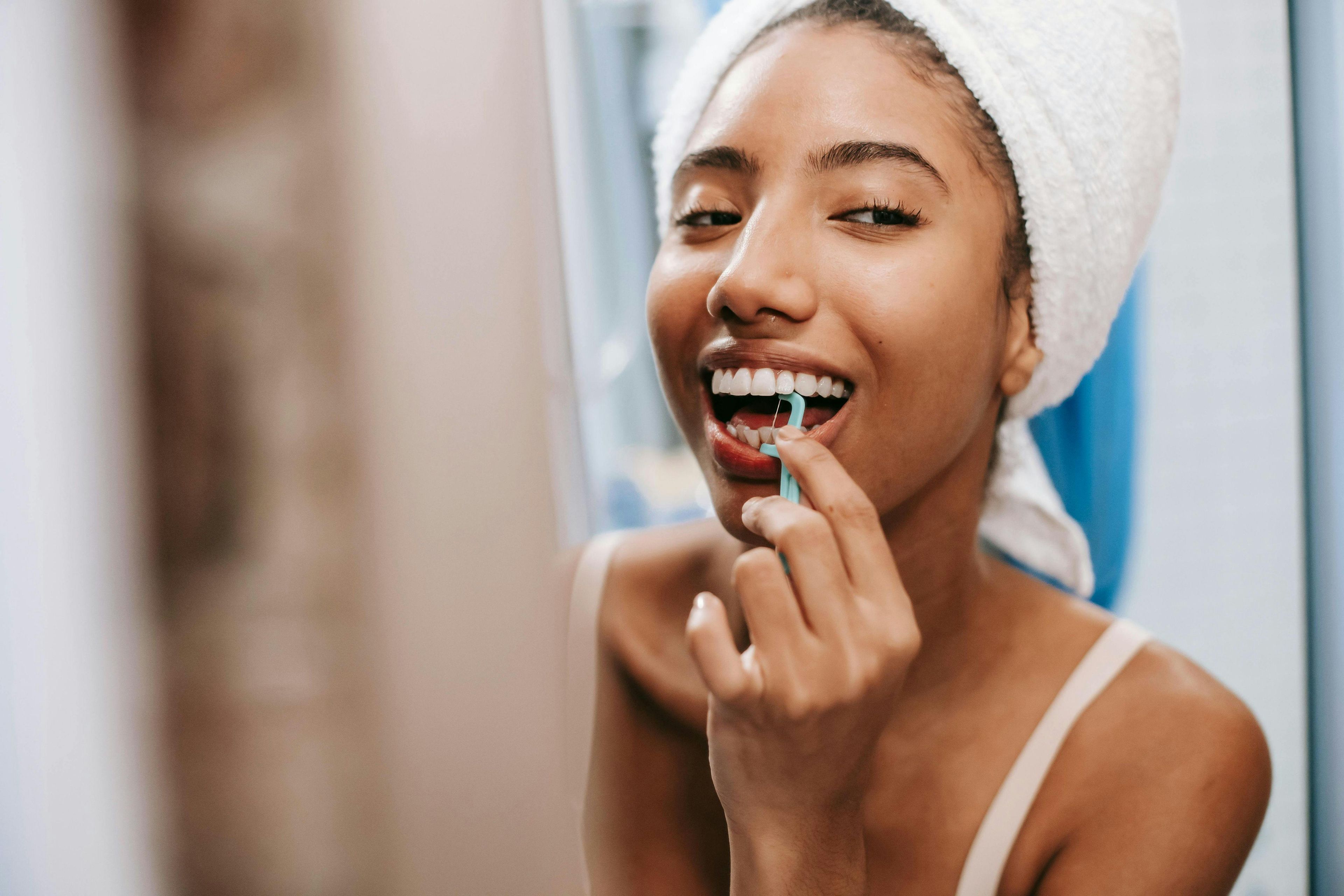
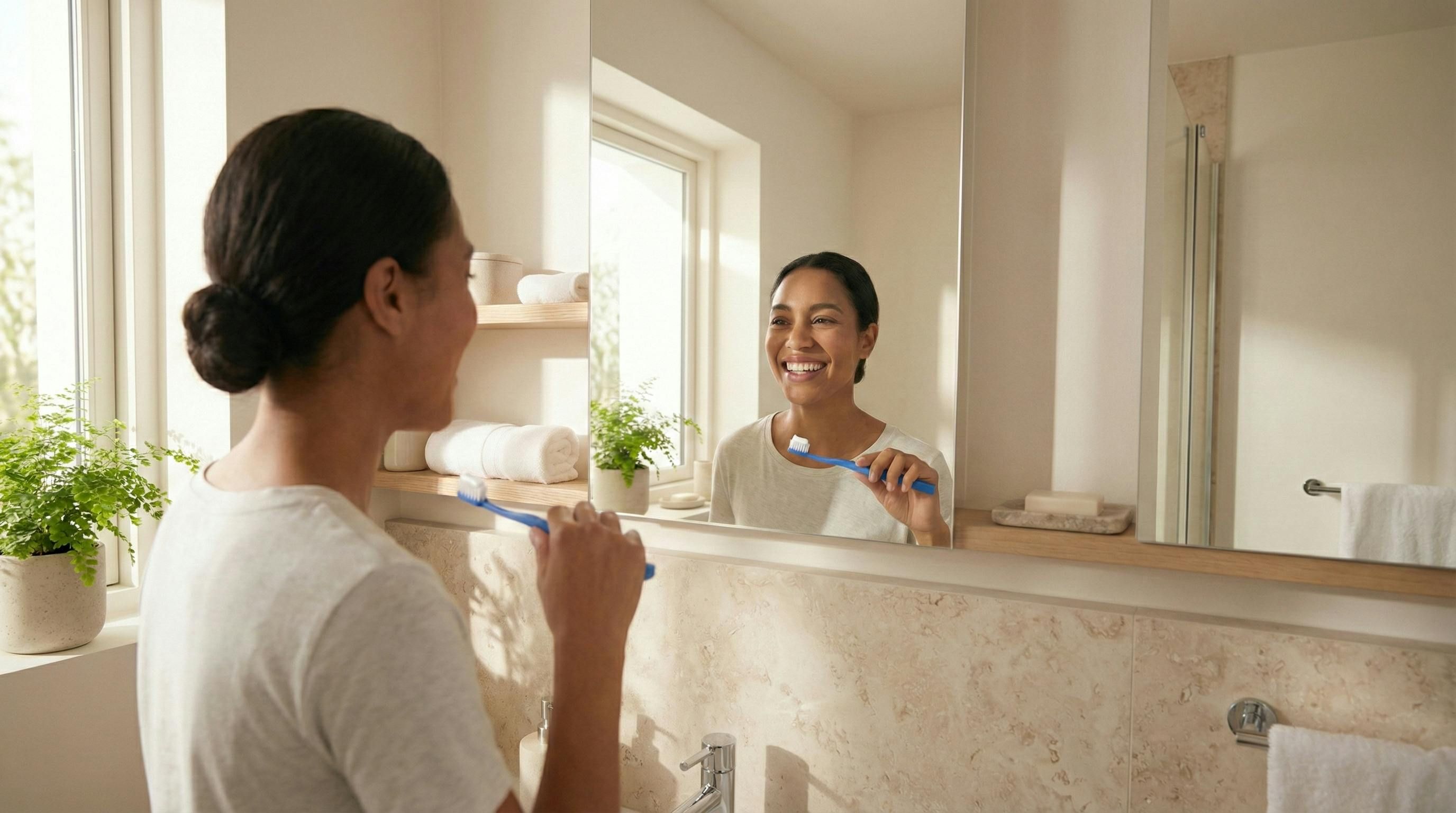
After professional whitening, stay consistent with your oral hygiene to protect your lighter shade and your dental health. Brushing regularly with a fluoride toothpaste keeps teeth clean and free of plaque, and flossing removes food debris and plaque from between the teeth. Both help stop new pigments building up and staining your teeth again.
How do you keep your teeth white long term?
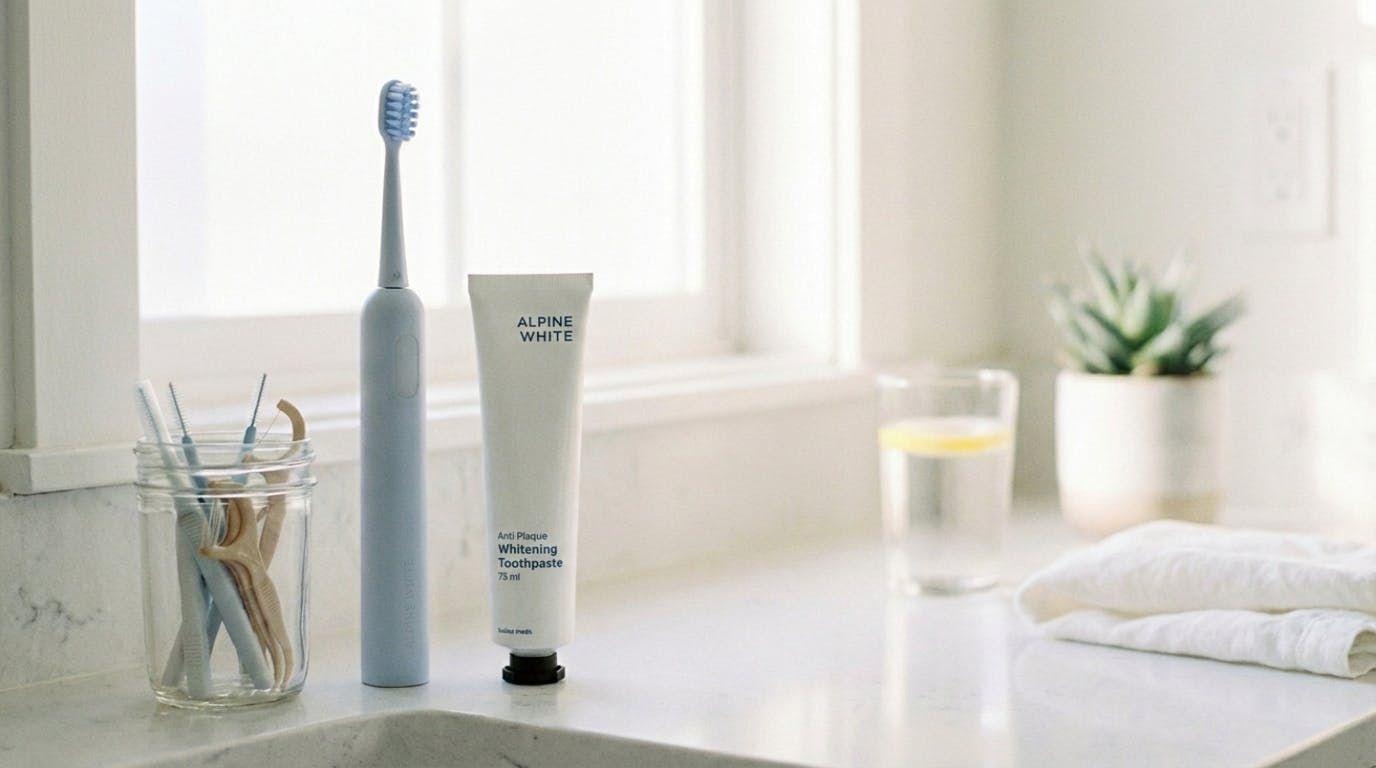
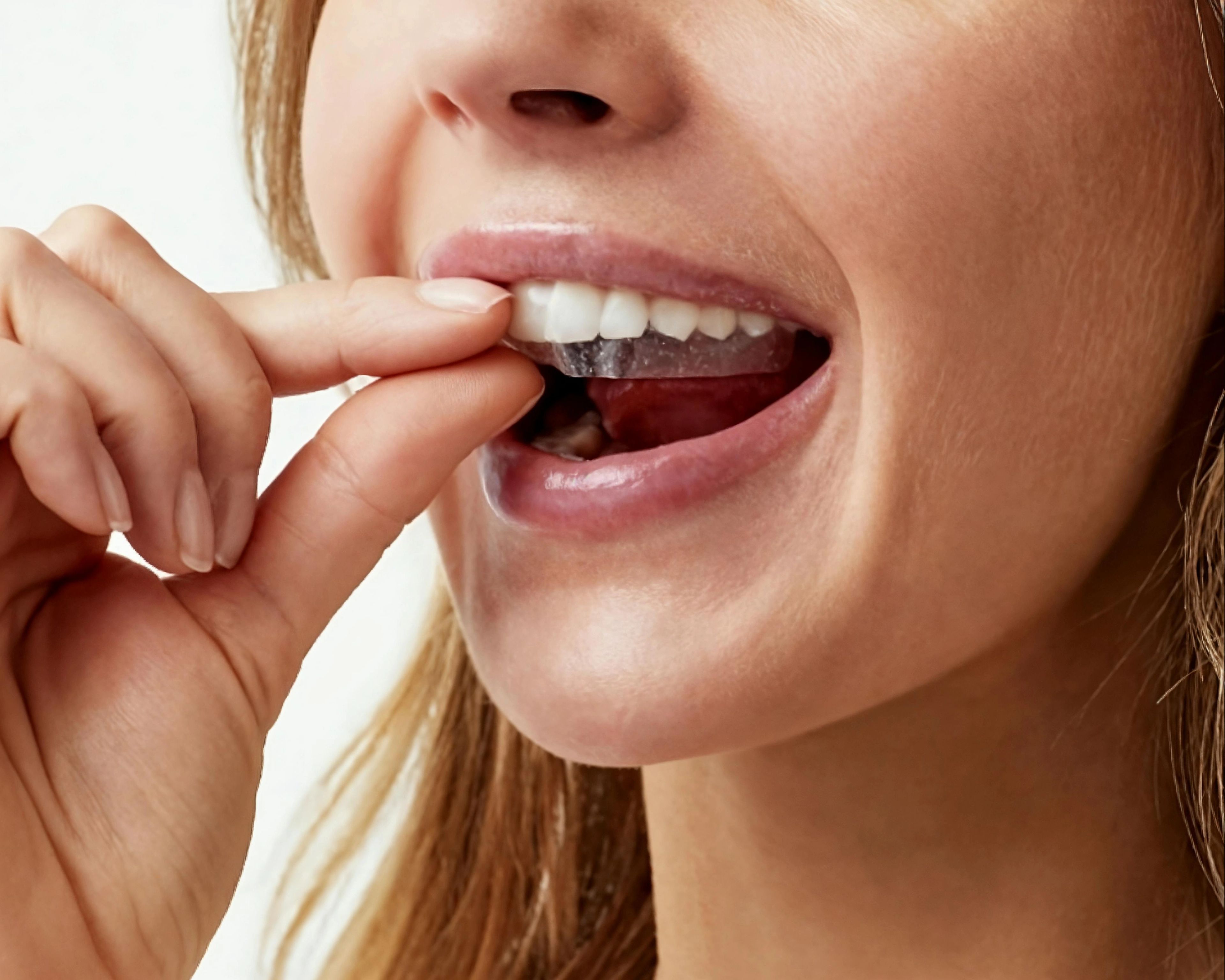
Whitening is often not a one-off. If you regularly enjoy coffee, tea, red wine or tobacco, their colour pigments can slowly build up on the tooth surface and stain your teeth again. Top-up whitening, tailored to your needs and to your dentist's recommendations, helps remove these pigments. At home, gentle options such as Alpine White whitening strips or a whitening toothpaste can help maintain your results between professional sessions.
Professional teeth cleaning and check-ups
Regular professional teeth cleaning with a dental hygienist and routine check-ups are essential to monitor your teeth after whitening. They let dental professionals check the health of your enamel, the necks of your teeth and the dentin. That keeps your dental care on track so you can enjoy healthy teeth.
What if your teeth feel sensitive after whitening?
Some people notice increased sensitivity after whitening. If that happens, use a desensitising toothpaste for sensitive teeth and talk to your dentist about how to treat it. Also watch how your teeth react to the whitening gel. If you notice unwanted reactions, take them into account for future treatments so that whitening stays gentle and safe.
Professional teeth whitening methods
In-office whitening at the dentist
In-office whitening is carried out by dental professionals, usually at your dentist or in a professional practice. It is a controlled way to whiten teeth, and the practitioner can adapt the treatment to your teeth and gums. It is a good fit if you want a visible change under professional supervision. At home, whitening strips and toothpaste then help you keep the result.
Power bleaching
Power bleaching is a more intensive form of whitening that uses highly concentrated whitening agents. It is often combined with special light sources such as lasers or UV lamps to boost the agent's activity and lighten the teeth faster and deeper. It suits people who want visible results quickly and accept a somewhat more aggressive method for that effect. Clearly visible changes in tooth colour can be achieved in one session, which makes it a popular choice for quick cosmetic improvements.
Professional whitening at home
Professional home whitening is different. A dental professional often makes a custom-fitted tray, which you use at home with a less concentrated whitening gel. You work at your own pace. It takes more time and patience, but it can deliver great results over a longer period.
Trays are a common route, but there are other ways to whiten teeth at home. Whitening strips and whitening toothpastes are practical if you want to lighten your teeth gently. They are also an effective way to look after your teeth and maintain your shade between professional whitening sessions.
What are the risks and side effects of teeth whitening?
Teeth whitening is a relatively safe procedure, but some people experience tooth hypersensitivity or slight gum irritation. These symptoms are usually temporary. If they persist, see a dental professional. Whitening is also not right for everyone. For example, people with veneers, crowns or very dark discolouration may need other dental treatments.
Conclusion
Whether you choose quick in-office whitening or the more convenient route of whitening at home, get thorough information and advice first. Talk to your dentist about which method suits you, and use gentle at-home products to keep your smile white afterwards.

 Teeth Whitening