The best foods for white teeth
Dairy products
Cheese, yoghurt and milk are rich in calcium and phosphorus, which are essential for tooth enamel. They help to remineralise your teeth and make them stronger. They also stimulate saliva production, which reduces acidity in the mouth. Strong enamel protects your teeth from stains and keeps your smile bright.
Apples
A crisp apple is not only tasty but also works like a natural toothbrush. Chewing apples helps to remove stains from the tooth surface, while the fruit acids stimulate saliva production. Apples can therefore help your teeth look brighter in a natural way.
Carrots and celery
Raw vegetables such as carrots and celery also boost saliva production and help to remove plaque as you chew. They also provide plenty of vitamin A, which is important for healthy gums and strong teeth.
Strawberries
Strawberries contain malic acid, which helps to reduce stains and can make your teeth look whiter. But be careful: the acid can weaken your enamel if you eat strawberries too often, so enjoy them in moderation.
Nuts and seeds
Almonds, walnuts and sesame seeds help to remove plaque by gently scrubbing the tooth surface. They are also rich in nutrients such as calcium, which strengthens your enamel and makes your teeth more resilient.
Which foods stain your teeth?
Just as some foods can help brighten your teeth, others do the opposite and leave unwanted stains. These foods and drinks either contain pigments that easily settle into the tooth surface, or they are very acidic, which attacks the enamel and makes your teeth more prone to staining. If you want to keep your smile bright, it helps to know the main culprits and cut back on them where you can.
Coffee
For many people, coffee is a daily ritual, but it is one of the main causes of stained teeth. The dark pigment in coffee, known as chromogen, sticks easily to the tooth surface and leaves stains. Coffee is also acidic, with a low pH, which attacks the enamel and lets the pigments penetrate more easily. A simple tip: drink water after each cup to rinse the pigments away faster, and cut back if your white smile matters to you.
Tea
Tea, especially black and green tea, can also stain teeth. These teas contain tannins, which discolour the enamel and build up on the tooth surface. Even some herbal teas are acidic enough to weaken the enamel and make staining more likely. To avoid this, you could choose lighter teas such as white tea or, as with coffee, rinse your mouth with water afterwards.
Red wine
A glass of red wine in the evening may be relaxing, but it is not kind to your teeth. The deep red pigments and the acid in red wine are a combination that can attack the enamel and cause stubborn stains. Interestingly, even white wine, although it has no strong pigments, can roughen the enamel with its acidity and make your teeth more prone to staining from other foods.
Cola and other sugary fizzy drinks
These drinks are a double offender. They are highly acidic and also contain artificial colourings that can settle on your teeth. The high sugar content feeds bacteria in the mouth, which produce acids and weaken the enamel further. If you do have a fizzy drink, try to limit contact with your teeth, for example by using a straw.
Sauces and spices
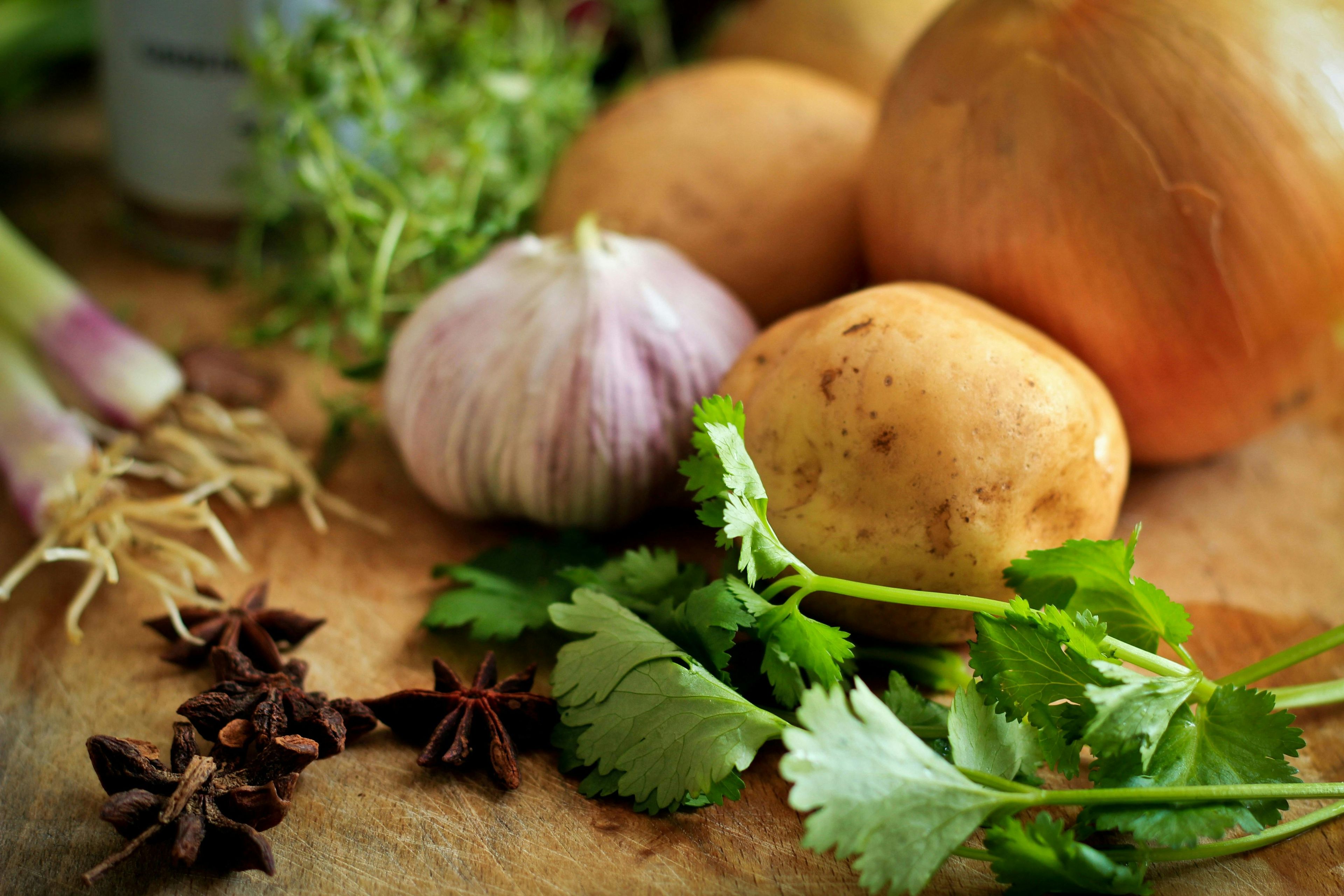
Some sauces, such as tomato sauce, soy sauce and curry sauce, are strongly pigmented and can build up on your teeth if you eat them often. Spices like turmeric can also affect the colour of your teeth over time. If you eat strongly pigmented sauces or spices regularly, try brushing your teeth thoroughly afterwards to help prevent stains.
Berries
Berries such as blueberries, blackberries and cherries are rich in antioxidants and good for you, but their intense pigments can stain your teeth. Their dark colours settle quickly on the enamel. You don't have to give them up, but it is a good idea to rinse your mouth with water after eating berries, or to eat them as part of a meal rather than on their own.
Why is acid so bad for your teeth?
Acidic foods and drinks attack the enamel and make it more porous. Weakened enamel is not only more prone to staining but also to tooth decay and other dental problems. Once enamel is damaged, it cannot regenerate on its own, and the dentin underneath shows through more. Dentin is naturally more yellow, so your teeth look darker.
Home remedies for yellow teeth
Besides a healthy diet, a few home remedies can help whiten your teeth.
Activated charcoal is increasingly popular as a home remedy for whitening teeth. It binds stains and plaque without damaging the enamel. Even so, be cautious and don't use it too often, as frequent use can wear away the enamel.
Another popular home remedy is baking soda. It helps to polish the enamel and remove stains. However, baking soda is abrasive, which means frequent use can damage the tooth surface. Use it only sparingly and together with a fluoride toothpaste.

 Teeth Whitening