Back to overview
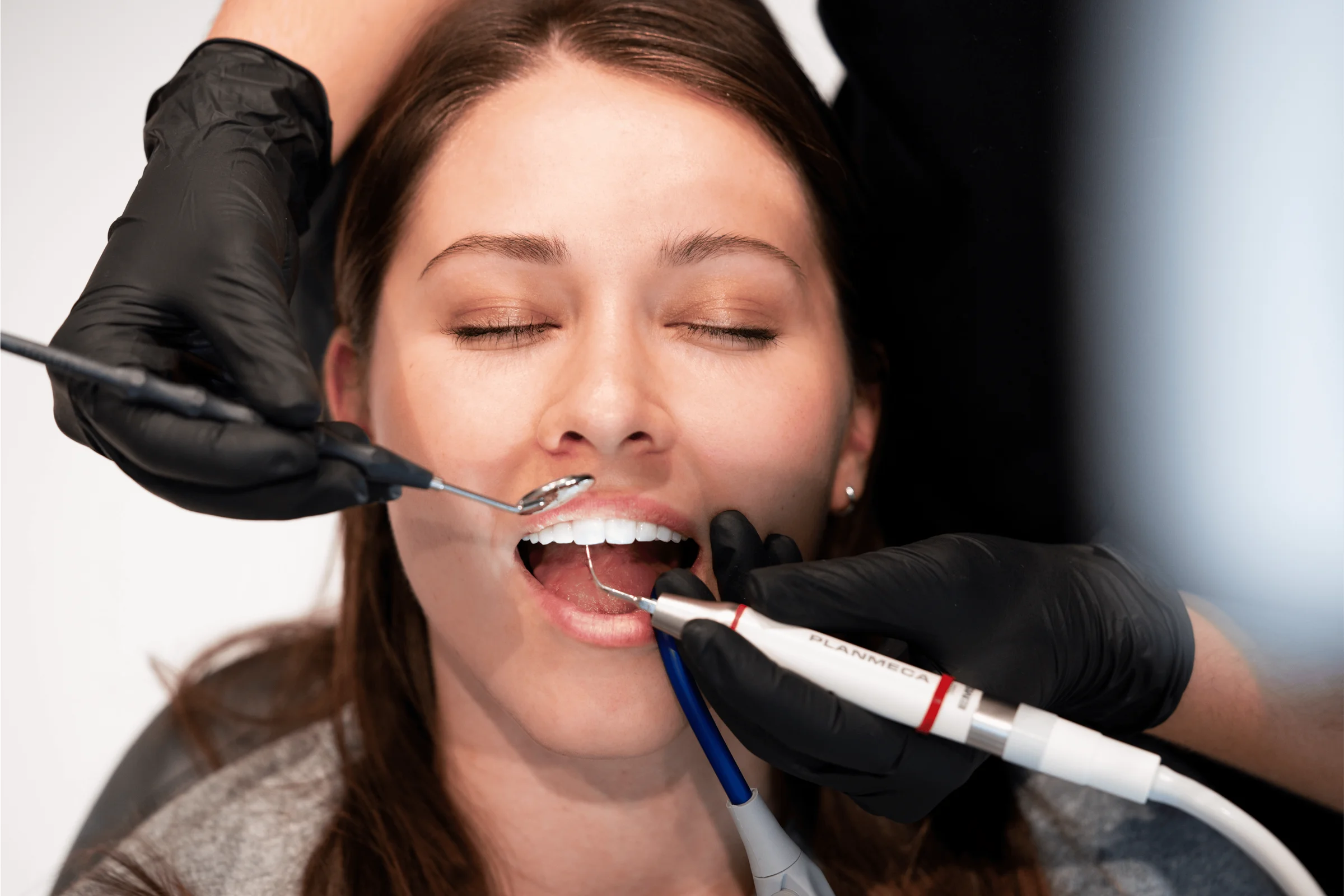
Teeth cleaning with handpiece and mirror, patient with closed eyes

What to know about professional teeth cleaning

Dental HygieneOct 17, 20248 min read

Professional teeth cleaning, often called a scale and polish, is one of the best things you can do for your dental health. It removes stubborn plaque and tartar that daily brushing cannot shift. So what should you know before you book? This guide covers why a dental clean is worth it, what the dental hygienist does, how often to go and how to look after your teeth afterwards.


Andrea Seraina

Andrea Seraina

Dental Content Specialist

Why is professional teeth cleaning worth it?

Even if you brush carefully every day, use dental floss and perhaps add interdental brushes to your oral care routine, some areas of your mouth are hard to reach. Between the teeth and along the edge of the gums, stubborn plaque builds up over time. It is made up of bacteria that feed on food residue and saliva. Left alone, soft plaque hardens into tartar, which ordinary brushing can no longer remove. This is where professional teeth cleaning, also known as a scale and polish, comes in.

Plaque and tartar: a risk to your dental health

Tartar that forms in hard-to-reach places is more than a cosmetic issue. The bacteria living in plaque and tartar release acids that attack your enamel and can cause cavities. These deposits also irritate the gums, which leads to gum inflammation and makes infection more likely. If inflammation goes untreated, it can develop into serious gum disease such as periodontitis. Periodontitis is a chronic inflammation of the tissue that supports the teeth and can eventually lead to tooth loss. A dental clean is therefore not just cosmetic. It is an important preventive step against more serious dental problems.

Remove tooth stains for a brighter smile

Appearance matters too. Stains on the teeth often come from foods and drinks with strong pigments, such as coffee, tea, red wine or spices like turmeric. Even with thorough brushing, they can gradually dull the colour of your teeth.

Ordinary toothpaste mostly removes surface stains. A professional clean can lift deeper ones, so your teeth look brighter again. Air-flow devices and special polishing pastes clean and smooth the tooth surface thoroughly. That removes stains and also helps protect against new deposits, because plaque finds it harder to stick to smooth surfaces.

Smoother teeth make daily oral hygiene easier

After a clean, your tooth surfaces feel noticeably smoother. That is pleasant, and it is useful for your daily oral hygiene. Smooth teeth give bacteria and plaque less to cling to, so you stay in better control of your dental health between appointments. Brushing and flossing also feel easier, because plaque offers less resistance.

Healthier gums after a dental clean

Your gums benefit as well. Tartar and plaque at the gum line can cause gum inflammation, which often shows up as bleeding when you brush or floss. Do not take these signs lightly, as they are often the first warning of bigger problems. Professional cleaning removes the plaque that irritates the gums and helps prevent inflammation. Healthy gums are the foundation for healthy teeth and for good oral health overall.

Preventing tooth loss and dental disease

Tooth loss caused by periodontitis or advanced cavities is a serious risk, and regular professional cleaning can reduce it significantly. Having stubborn plaque removed regularly lowers the risk of deep inflammation that weakens the tissue supporting your teeth. You protect your dental health and may also avoid the high cost of dentures or periodontitis treatment.

What happens during a professional teeth cleaning?

A professional clean is usually carried out by a dental hygienist at a dental practice. Several techniques and instruments are used to clean your teeth thoroughly. First, stubborn plaque and tartar are removed with hand instruments or an ultrasonic scaler. The scaler uses vibrations to break up hard deposits gently.

Next, the spaces between your teeth are cleaned, as food debris and plaque often hide there. Floss or interdental brushes reach these areas, which is important for preventing cavities and gum inflammation.

Finally, your teeth are polished with special pastes and air-flow devices, leaving the surfaces smooth and clean. This helps stop new plaque forming. A fluoride treatment may follow to strengthen the enamel and protect against cavities.

How often should you have a dental clean?

How often you need a professional clean depends on the condition of your teeth and gums. As a general rule, at least once a year is recommended. If your gums bleed easily or you have gum disease such as gingivitis, you may need to go more often.

Regular cleaning is especially important if you wear dentures, as plaque settles more easily on prostheses and bridges. If you have orthodontic treatment, regular cleans also help prevent plaque in hard-to-reach places.

What should you know before a dental clean?

A few things are worth mentioning before your appointment. If you currently have inflamed gums, tell your dentist or hygienist, as the gums may react more sensitively to cleaning. Exposed tooth necks or periodontitis can also make treatment more demanding, so a careful check beforehand is important.

If you struggle with bad breath, a professional clean can be especially helpful because it reduces the bacterial load in your mouth. Persistent bad breath is often caused by stubborn plaque or inflammation in the gum pockets. If it does not improve, speak to your dentist.

What should you do after a professional teeth cleaning?

After a clean, take extra care with your dental care routine to keep the results for as long as possible. Your teeth are free of plaque and stains, and they are also very smooth and may feel sensitive. Consistent aftercare keeps your oral health at a high level and helps prevent new deposits.

Step up your daily cleaning routine

Right after a clean your teeth are in great condition, but plaque can build up again quickly, especially between the teeth. Add dental floss or interdental brushes to your daily routine to remove food debris and plaque where cavities often start. Interdental brushes work well for tight gaps and exposed tooth necks, and they help prevent gum irritation. A sonic toothbrush can also help you clean thoroughly along the gum line.

Mouthwash as a supplement

Alongside brushing and flossing, a mouthwash can be an extra step in your routine. It helps reduce bacteria in the mouth, which is useful after a clean because the gums can still be a little sensitive once tartar and plaque have been removed. Mouthwashes with antibacterial ingredients support gum health and help prevent inflammation.

Watch what you eat and drink for the first few days

In the days after your clean, avoid staining foods and drinks such as coffee, tea, red wine, beetroot and strongly spiced dishes. After polishing, your tooth surfaces are very smooth and can pick up new stains more easily. Cutting back on staining foods for a short while helps keep your brighter shade for longer. You do not need to give them up for good, but a little extra care straight after the clean pays off.

Fluoride toothpaste protects your teeth

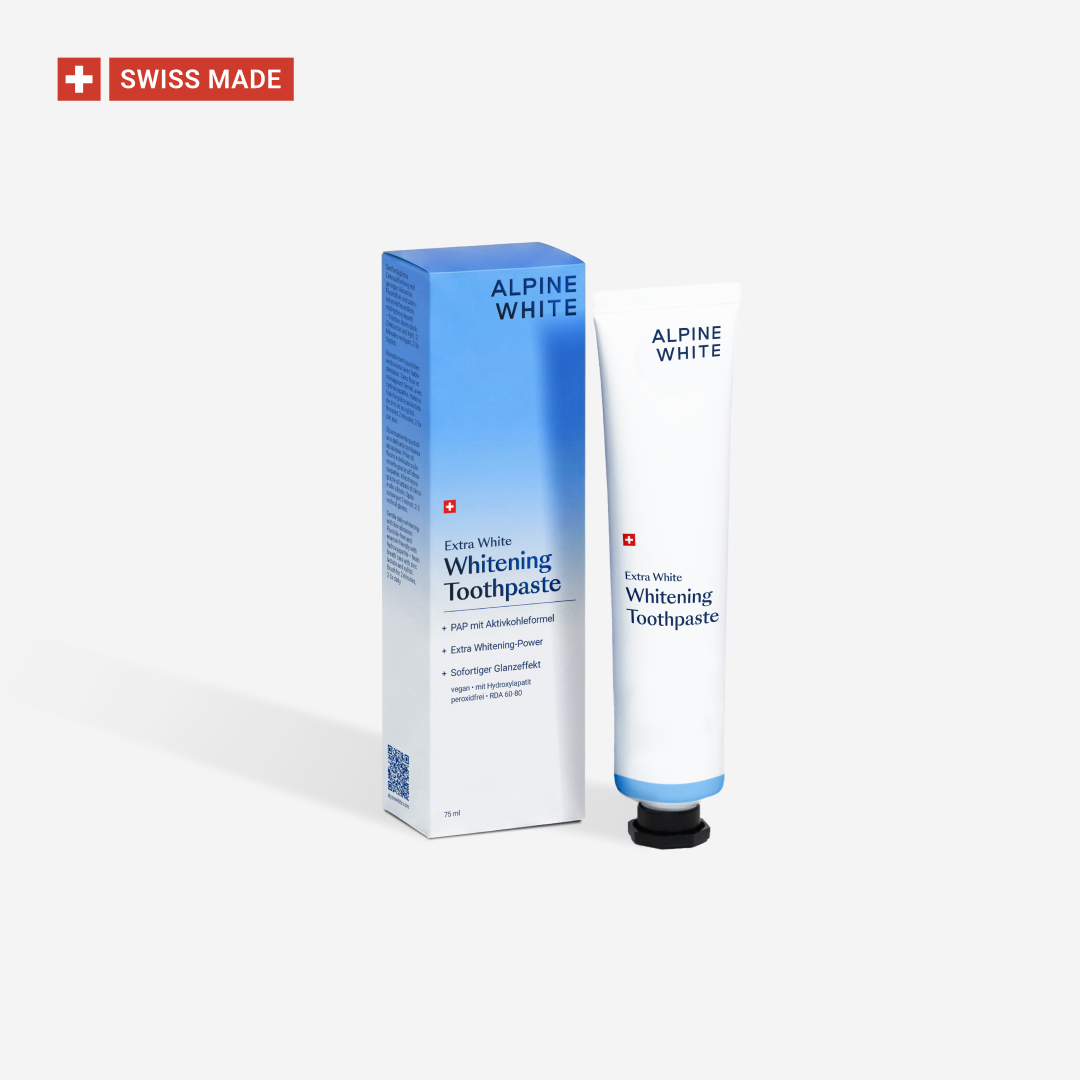
Choose a fluoride toothpaste to strengthen your enamel and lower the risk of cavities. Fluoride makes enamel more resistant to the acid attacks that follow sugary and acidic foods. Special fluoride mouthwashes can add extra protection. Our Alpine White Whitening Toothpaste Extra White is a good everyday choice for keeping your teeth clean and bright between appointments.

Gentle care for sensitive gums

If your gums feel sensitive after a clean, use particularly gentle products for the first few days. A toothpaste made for sensitive teeth and gums can help avoid irritation, and a soft toothbrush will not irritate your gums further.

Follow-up care with your dental hygienist

It can be useful to schedule regular check-ups with your dental hygienist to keep your oral health stable. If your hygienist finds signs of gum disease or cavities during the clean, closer monitoring may help you act early.

Build these aftercare steps into your daily routine and you will keep the results of your professional clean for longer. Investing in good oral hygiene pays off, with a healthier smile and fewer visits to the dentist.

What can you do about bleeding gums and sensitive tooth necks?

If you notice bleeding gums during or after a clean, it may be a sign of gum inflammation. Keep up thorough oral hygiene and see your dentist for regular check-ups. Exposed tooth necks can feel sensitive after polishing. A toothpaste for sensitive teeth can help by protecting the enamel, and a soft brush will be kinder to your gums. If bleeding or sensitivity persists, ask your dentist.
Folding box and tube ALPINE WHITE Extra White Whitening Toothpaste, “Swiss Made” note
4.7(69)

Whitening Toothpaste Extra White

€ 19.90

75 ml • € 26.53

Learn more

Stubborn tooth stains after a professional clean?

Tooth stains often come from staining foods and drinks such as coffee, tea or red wine, but also from smoking and insufficient oral hygiene. A professional clean removes plaque and surface stains. For deeper discolouration, your dentist can talk you through professional whitening options. To keep your results and gently brighten your smile at home, you can use Alpine White Whitening Strips or the Whitening Kit. Both are designed to be gentle on enamel.

ALPINE WHITE Whitening Strips: pack with fanned-out pouches
4.4(128)

Whitening Strips

€ 29.90

14 pc • € 2.14

Learn more

Does health insurance cover a professional teeth cleaning?

A professional clean is not always fully covered by statutory health insurance, and rules differ from country to country. It is worth asking your insurer whether part of the cost is reimbursed. Some insurers now offer subsidies for professional cleaning, as it is seen as an important measure for dental health.

Final thoughts

Regular professional teeth cleaning is an important part of keeping your teeth healthy. It removes stubborn plaque and stains, and it protects against cavities, gum inflammation and periodontitis. Book regular appointments at your dental practice and keep up your daily care afterwards. That way your teeth stay healthy and bright, and you can enjoy your smile without worry.

This might also interest you

Laughing woman places both hands on her cheeks, looking to the sideDental Hygiene

Professional teeth cleaning: a radiant smile for special occasions

Weddings, parties and big occasions are the moments you want to look your best. Alongside the right outfit, a clean, healthy smile makes a real difference. Professional teeth cleaning, often called a scale and polish, removes plaque, tartar and surface stains that brushing at home can miss. In this guide we explain what a dental hygienist does, how a cleaning appointment works, how often to book one and how to keep your smile bright between visits.

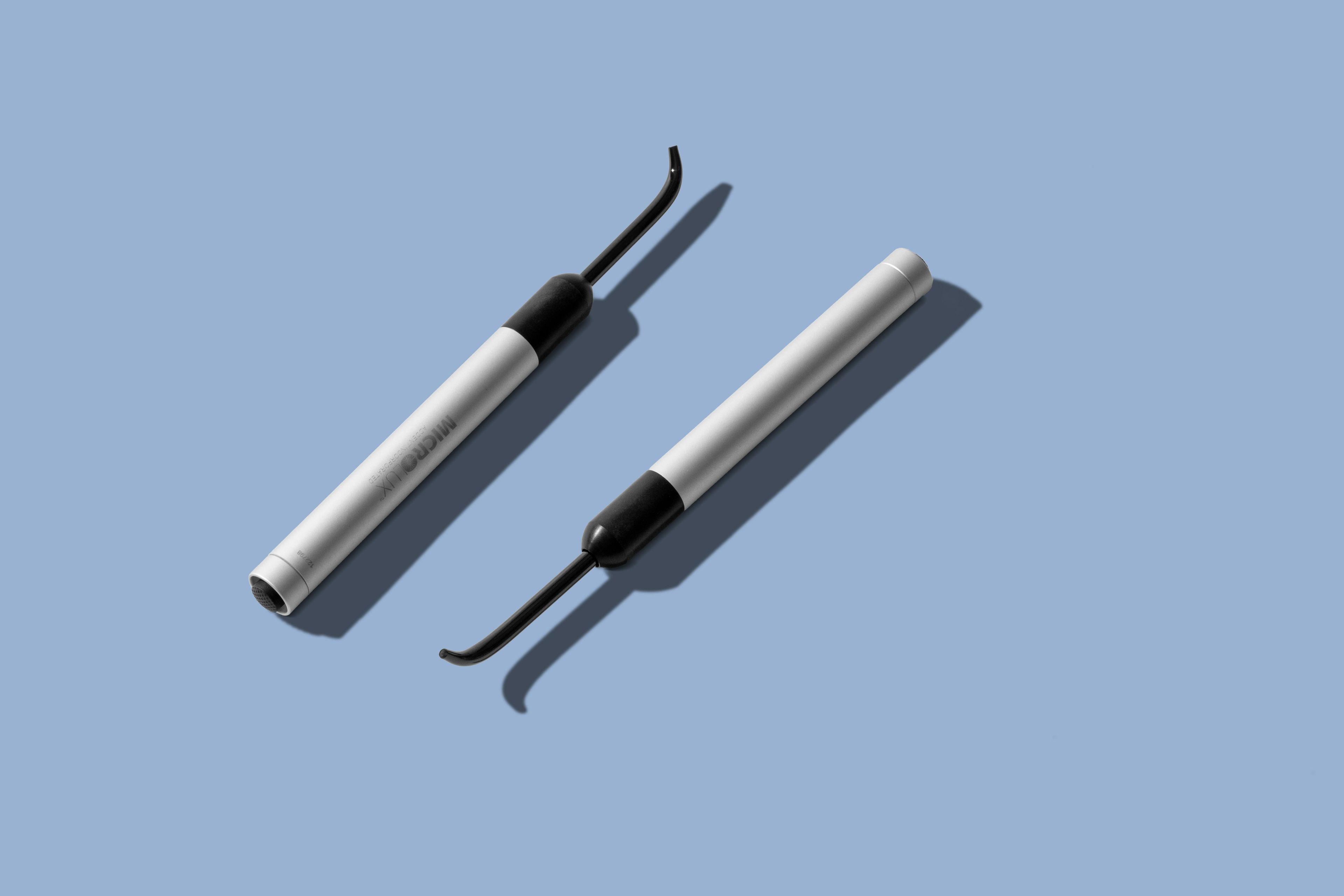
Two silver dental instruments with black tips on a blue backgroundDental Hygiene

Ultrasonic teeth cleaning at the dental hygienist: gentle and pain-free

Looking after your oral health matters, and regular professional teeth cleaning plays a big part. Plaque, tartar, stains and inflamed gums are much easier to prevent when you keep up with your oral hygiene. A visit to the dental hygienist is often the only way to remove stubborn build-up that brushing at home cannot shift. In this article we look at ultrasonic dental hygiene, a gentle and pain-free way to clean your teeth, and at how you can support the results at home.

Close-up of the mouth and blonde hair of a smiling womanDental Hygiene

How long does a professional teeth cleaning last?

A healthy smile starts with healthy teeth and gums, and a professional teeth cleaning is a big part of that. But how long do the results actually last, and why is it worth having a scale and polish regularly? Here is everything you need to know about professional teeth cleaning, plus simple tips for keeping your teeth clean and fresh between appointments.